Commercial Blast Chillers Reduce Food Waste: A Practical Guide

Commercial blast chillers reduce food waste by pulling hot food through the temperature danger zone fast enough to preserve microbial quality and extend useful prep life. That part is widely understood. The part most kitchens miss is that the chiller…

Blast Chiller HACCP Compliance: Cooling Rules for Audit

Blast chiller HACCP compliance turns on one measured event: how fast cooked food passes through the temperature danger zone. After reviewing production lines, export specifications, and audit failures across 26 years, I have found that most compliance gaps are not…

Industrial Refrigeration: How Food Plants Specify Equipment

Industrial refrigeration for food processing plants is not a single equipment category. We see buyers treat compressor capacity as the only decision point, then wonder why temperature drift appears at the sanitation door or in the packaging hall. The harder…

How Prep Table Airflow Keeps Ingredients Fresh

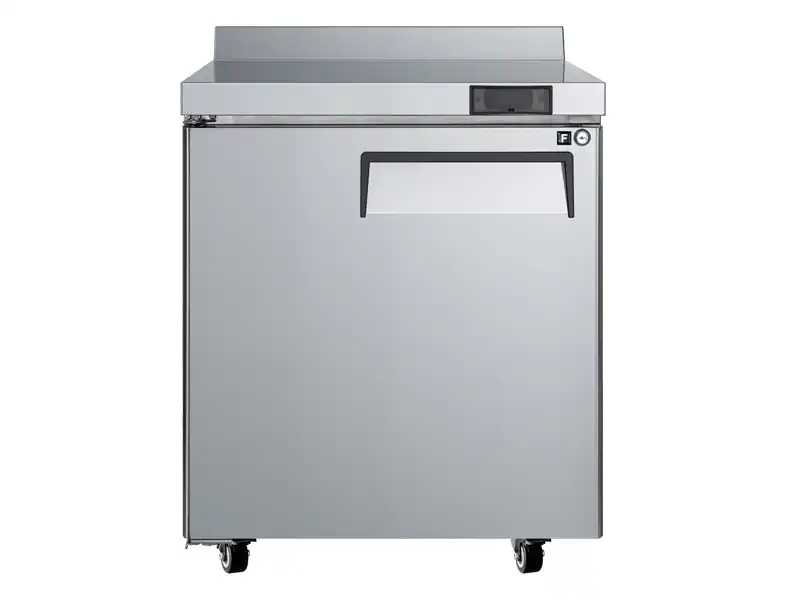
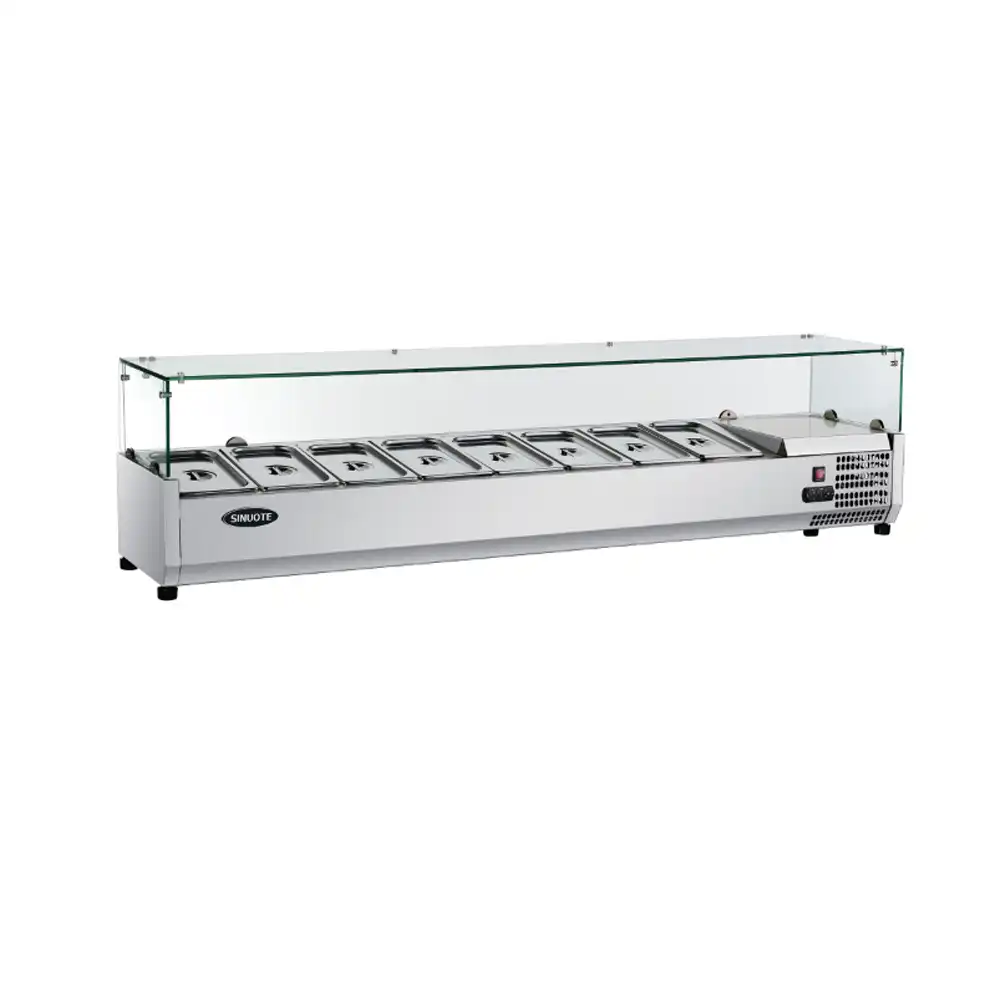
Most operators set prep table temperature to 34°F and assume ingredients are protected. The real freshness boundary is prep table airflow. In a ventilated cabinet, cold air must move across the pan cavity and return to the evaporator coil without…

Commercial Bar Fridge LED Displays: What Buyers Should Check

Commercial bar fridge LED displays do more than make bottles visible. They add heat inside the cabinet, interact with the glass door, and create service points that need to be specified correctly before a purchase. In OEM and ODM work…

Low Profile Back Bar Coolers: Under Counter Buying Checklist

Low-profile back bar coolers fail in under-counter installations for reasons that rarely appear on a cut sheet. Most buyers check width and bottle capacity first, then discover after delivery that warm condenser air has nowhere to go. I approach these…

How Heavy-Duty Freezers Hold Constant Temperatures

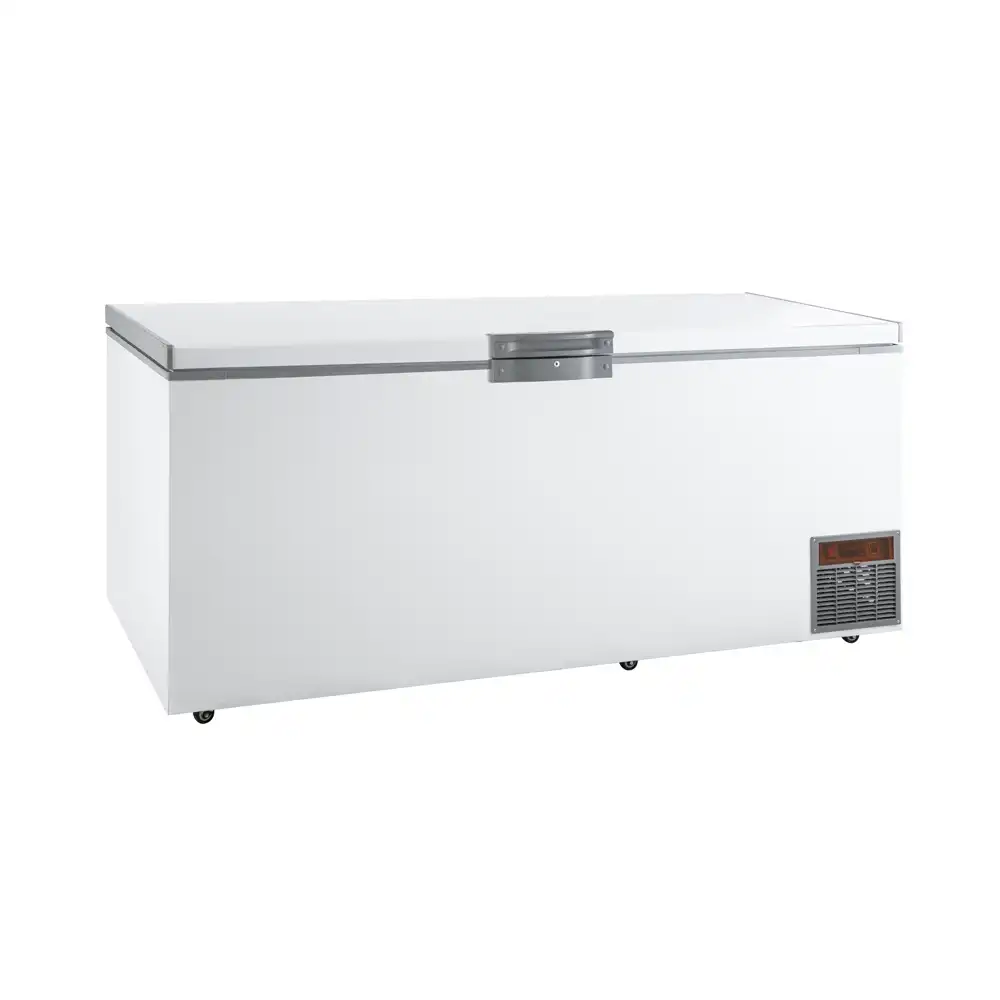
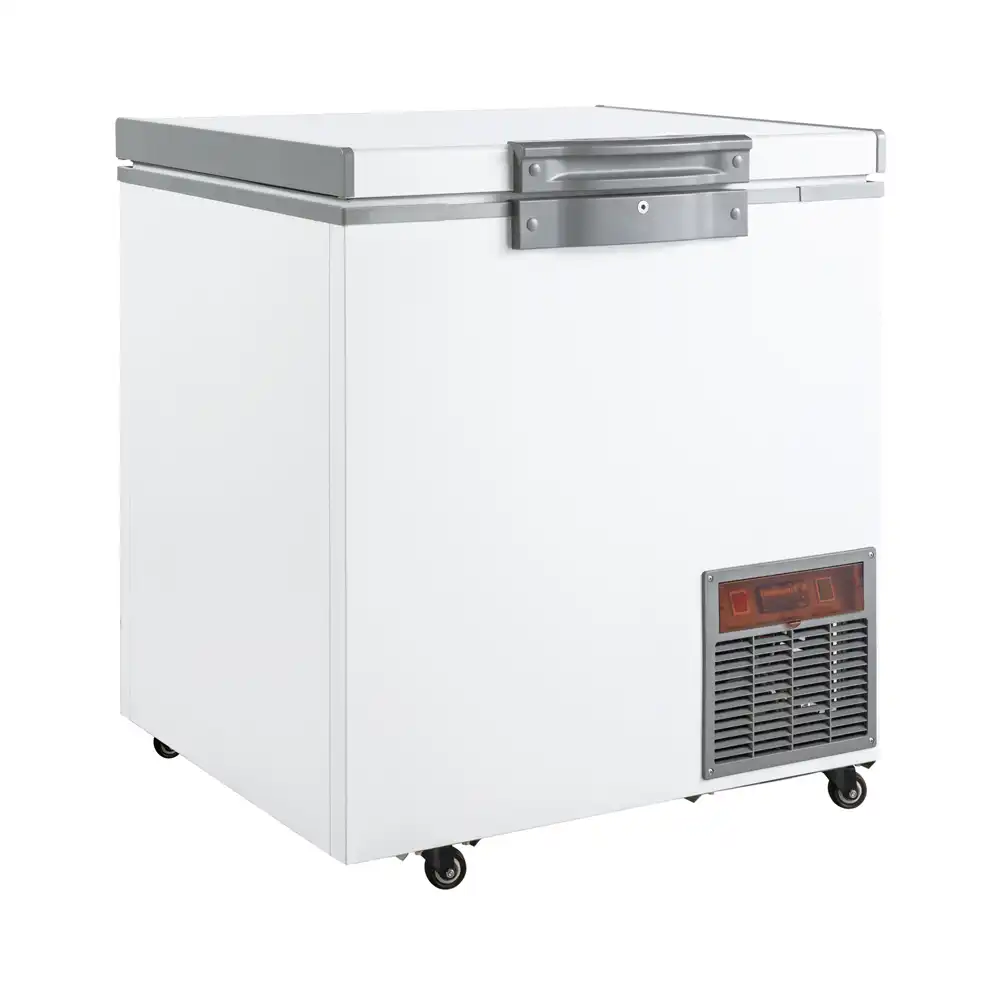
Most heavy-duty freezer temperature failures do not start with a dead compressor. They start with a door gasket that has lost tension, a blocked evaporator coil, or a defrost cycle that runs too long. Over twenty-six years in manufacturing and…

How to Maintain Safe Temperatures in Open Top Prep Tables

Maintaining safe temperatures in open top prep tables fails most often when one check is treated as the whole answer. A cabinet can read 2°C at the controller while a pan of cut produce near the exposed rail sits above…

Cold Chain Protection for Supermarket Display Units

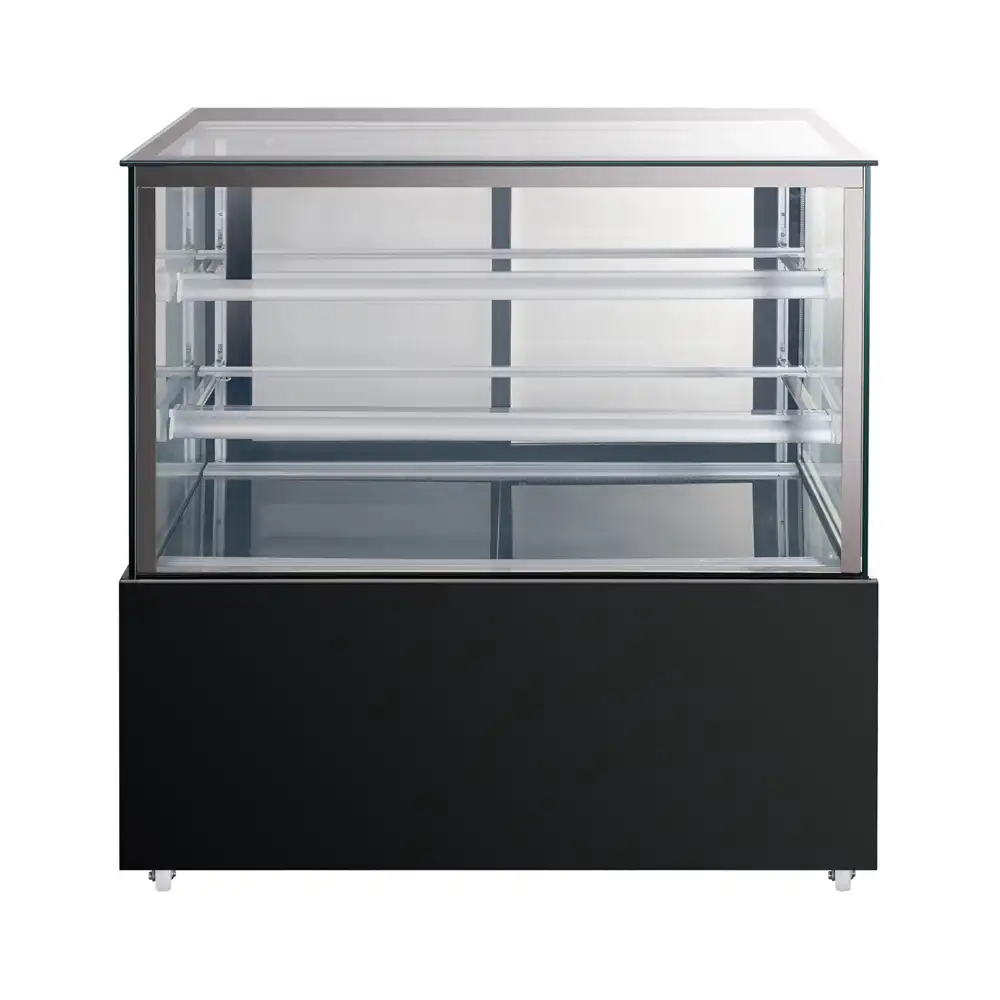
Cold chain protection in supermarket display units fails more often through specification gaps than through refrigeration failure. In 26 years of commercial refrigeration engineering, I have found that most temperature drift begins with uneven airflow, undersized or poorly sealed doors,…

Blast Chiller Maintenance Tips That Extend Service Life

Most blast chiller failures begin as small neglect: a blocked condenser coil, a worn door gasket, a defrost sensor that drifts. Blast chiller maintenance is often treated as a generic cleaning list, but the unit lives or dies by the…