
A commercial refrigerator rarely fails without warning. In a busy kitchen, the early signs may be subtle: a door that drips during rush service, a compressor that runs long after the cabinet feels cold, or a temperature log that drifts upward over several weeks. For foodservice operators, equipment replacement should be treated as a food-safety and production decision, not only an equipment-repair calculation.
The following five signs are best evaluated together. A single worn gasket may be routine maintenance, but several overlapping failures usually mean the unit is nearing the end of its reliable service life.
The Cost of Ignoring a Failing Commercial Refrigerator
A commercial refrigerator is a system, not a single component. The compressor, condenser coil, evaporator coil, fan motors, door gaskets, defrost controls, and insulation all work together to hold stable cabinet temperature. When one major component degrades, the rest of the system compensates by running harder or longer. That is why operators often notice higher energy consumption, longer recovery times, repeated service calls, or condensation before a full failure occurs.
Food safety is the baseline for any replacement decision. Under the U.S. FDA Food Code, refrigerated potentially hazardous food must be held at 41°F (5°C) or below [1]. If a unit can no longer maintain that control point during normal service, the risk is no longer limited to repair cost. It becomes a food-safety and inventory-loss issue.
5 Warning Signs Your Commercial Refrigerator Needs Replacement
1. The Cabinet Repeatedly Climbs Above 41°F
If the set point is adjusted lower but product probe temperatures still rise above 41°F after defrost, during rush service, or after doors have been opened several times, the unit has lost reserve cooling capacity. Common causes include a weak compressor, low refrigerant charge, failing evaporator fans, damaged insulation, or blocked airflow.
NSF/ANSI 7 verifies sanitary design and construction for commercial refrigerators and freezers [2], but certification does not guarantee that a worn unit will hold temperature after years of service. When recovery from door openings becomes slow, the cooling system is no longer matching the real load of the kitchen.
2. The Compressor Runs Hot, Short-Cycles, or Never Cycles Off
A compressor that runs continuously while the cabinet stays warm is telling you something specific: it is working, but heat is not being removed efficiently. Short cycling, clicking sounds, or a compressor that feels unusually hot can indicate failing start components, high head pressure from a dirty condenser, or restricted airflow.
In field experience, compressor failures are often secondary failures. The primary problem may be a greasy condenser coil, a failed condenser fan motor, or poor ventilation around the unit. Replacing the compressor without correcting the root cause can shorten the life of the new part.
3. Door Gaskets and Seals No Longer Close Tightly
Torn, brittle, or compressed gaskets allow warm, humid kitchen air to enter the cabinet. That forces the evaporator to remove more moisture, increases frost formation, and makes the compressor run longer. Operators may notice condensation on the door frame, frost near the evaporator, or a door that no longer closes with a firm seal.
In a commercial environment, a gasket leak is not cosmetic. It directly increases the cooling load and can mask a failing sealed system because the cabinet temperature may still recover during slow periods.
If the unit is still holding temperature but the maintenance list is growing, start with the basics before authorizing expensive repairs. <Essential Maintenance Tips for Your Commercial Reach In Refrigerators> covers cleaning, gasket care, and temperature checks for reach-in units.
4. Condenser Coils Are Corroded and Energy Use Is Rising
The condenser coil rejects heat from the cabinet to the surrounding room. When the coil is covered with grease, blocked with dust, or corroded, head pressure rises and the compressor draws more current. ASHRAE refrigeration guidance emphasizes clean, unrestricted heat exchange surfaces for stable operation [3].
This is also where the energy-cost signal appears. An older refrigerator with worn gaskets, a dirty condenser, and a tired compressor may consume noticeably more energy than it did when new. Operators comparing replacement options should review current utility performance against ENERGY STAR qualified commercial refrigeration models [4].
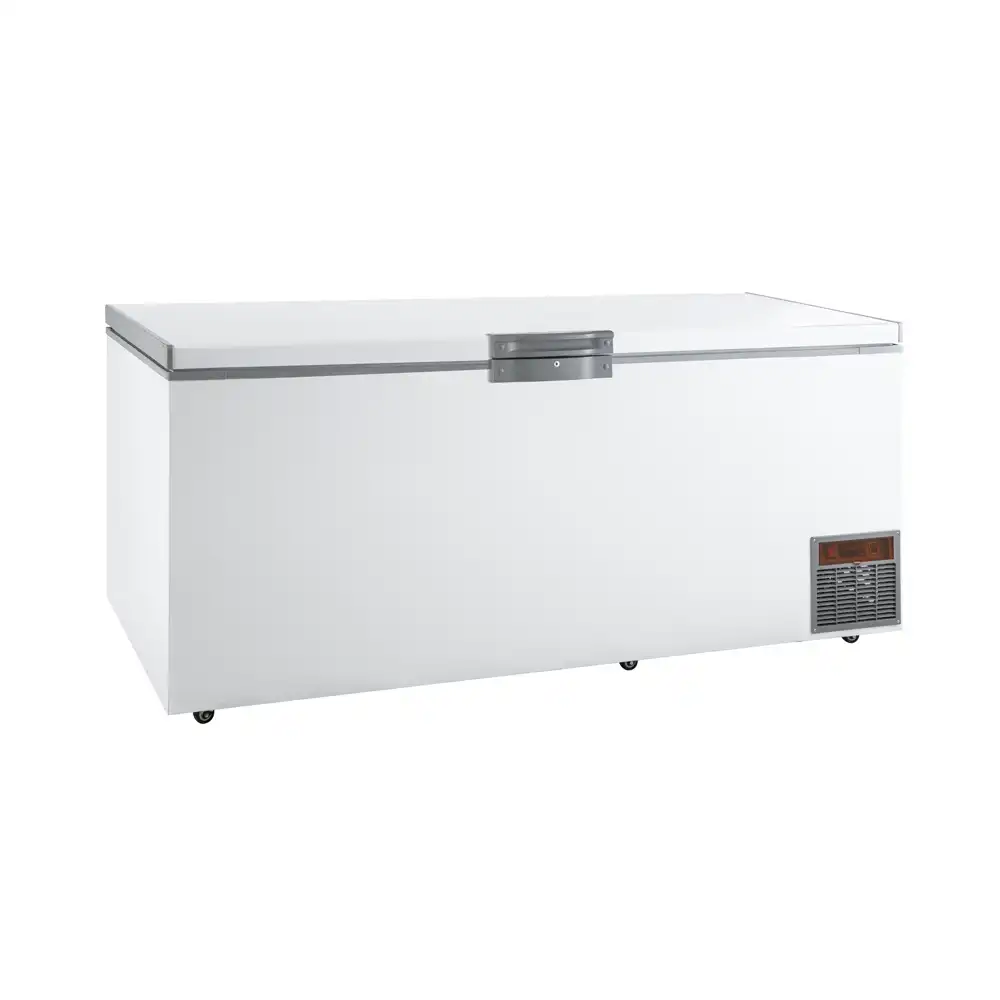
Reduced energy consumption becomes part of the payback calculation when an older unit no longer holds a stable cabinet temperature. <Boost Savings with Energy Efficient Commercial Upright Freezers> covers energy-saving options for operators replacing cold storage equipment.
5. Repair Costs and Downtime Now Compete with Replacement Value
One service call is normal maintenance. A pattern of compressor replacements, control-board failures, refrigerant leaks, or repeated door repairs is a capital decision. The question is not whether the unit can be repaired again; it is whether the repair program is delivering reliable, predictable uptime.
If the unit has already required sealed-system work, if replacement parts are becoming difficult to source, or if downtime is affecting menu execution, replacement should be evaluated against the total cost of future repairs. A lower-cost repair may only buy another few months of unstable performance.
If you are unsure whether an erratic cabinet is a control issue or a sealed-system problem, email Sales@hzcamay.com with the model number, current set point, and a photo of the condenser or gasket. Direct technical guidance can help you identify the most likely failure and whether repair is still economical.
Replacement Planning: What to Evaluate Before You Buy
Replacement should begin with the operating requirements, not only the price. A new unit must match the menu volume, kitchen environment, available footprint, voltage, and certification requirements. For reach-in refrigeration, the operating temperature should support 33°F to 41°F (0.5°C to 5°C) for refrigerated food storage [1].
Modern equipment choices also involve refrigerant and energy considerations. Hydrocarbon refrigerants such as R290 are among the acceptable alternatives evaluated under the U.S. EPA Significant New Alternatives Policy program, with lower global warming potential than many older refrigerants [5]. Operators should confirm that the selected equipment meets the applicable charge-limit, ventilation, and service requirements in their location.
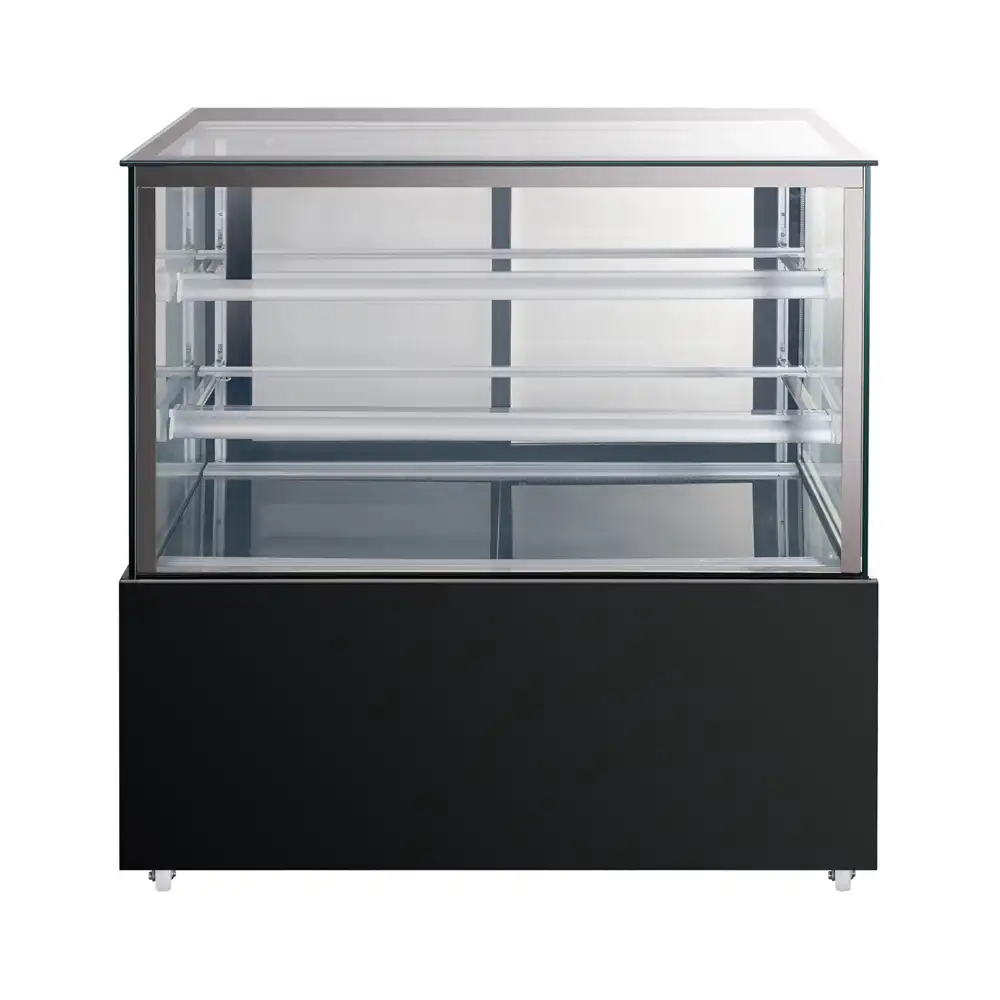
A replacement plan should be triggered when repair history and downtime threaten production. <Choosing the Best Commercial Reach In Fridge for Your Restaurant> covers capacity, configuration, and build-quality criteria for restaurant operators.
Plan the Replacement Without a Costly Gap
Replacing a commercial refrigerator works best as a controlled procurement decision rather than an emergency purchase. When the signs point to replacement, prepare the specification before the unit fails completely: capacity, temperature range, door configuration, shelf or pan layout, voltage, and certification requirements.
Zhejiang Kaimei Catering Equipment Co., Ltd (Camay) supports OEM/ODM refrigeration projects from worktop and undercounter units to upright freezers and reach-in cabinets. For project pricing, lead time, and technical selection support, contact +86 181 5720 2219 or Sales@hzcamay.com.
Useful details to include in your inquiry:
- Required net capacity and dimensions
- Target storage temperature range
- Door quantity and hinge or drawer preference
- Electrical supply at the installation site
- Required certifications for the destination market
- Service access and spare parts availability
Frequently Asked Questions
How long should a commercial refrigerator last?
Service life depends on duty cycle, installation environment, maintenance quality, and parts availability rather than age alone. A well-maintained unit can serve for many years, but a heavily used kitchen unit may reach replacement earlier because the cooling system is under higher daily load.
What is the most common sign that a commercial refrigerator needs replacement?
The most actionable sign is repeated temperature excursion above 41°F because it directly affects food safety [1]. Other common signals include constant compressor operation, damaged gaskets, heavy frost buildup, and rising energy use.
Should I repair or replace my commercial refrigerator?
If the sealed system has already been repaired, if multiple major components are failing, or if downtime is affecting service, replacement is usually more predictable than a continuing repair program. Isolated issues such as a single gasket, fan motor, or controller may still justify repair.
What temperature should a commercial refrigerator maintain?
Refrigerated potentially hazardous food should be held at 41°F (5°C) or below according to the FDA Food Code [1]. Operators should monitor product temperatures, not only cabinet air temperature.
How do I choose the right replacement commercial refrigerator?
Start with required capacity, product load, door configuration, airflow pattern, and electrical supply. Then review insulation quality, compressor access, temperature control, certification documentation, and available spare parts support.
References
[1] U.S. Food and Drug Administration, Food Code 2022, U.S. Department of Health and Human Services, Silver Spring, MD, USA, 2022. [Online]. Available: https://www.fda.gov/food/fda-food-code/food-code-2022
[2] NSF/ANSI 7-2021: Commercial Refrigerators and Freezers, NSF International, Ann Arbor, MI, USA, 2021.
[3] ASHRAE Handbook—Refrigeration, American Society of Heating, Refrigerating and Air-Conditioning Engineers, Atlanta, GA, USA, 2018.
[4] ENERGY STAR, “Commercial Refrigerators and Freezers Key Product Criteria,” U.S. Environmental Protection Agency/U.S. Department of Energy, Washington, DC, USA, 2024. [Online]. Available: https://www.energystar.gov/products/commercial_food_service_equipment/commercial_refrigerators_and_freezers
[5] U.S. Environmental Protection Agency, “Significant New Alternatives Policy (SNAP) Program,” EPA, Washington, DC, USA, 2023. [Online]. Available: https://www.epa.gov/snap
If you’re interested, check out these related articles:
Essential Commercial Chef Base Fridge Installation Tips
How to Choose the Best Chef Base Refrigerator for Your Kitchen
Boost Efficiency Energy Efficient Chef Base Units for Commercial Kitchens
Essential Maintenance Tips for Your Commercial Chef Base Refrigerator