

Having spent 28 years immersed in the refrigeration industry, I’ve seen firsthand just how vital proper maintenance of commercial reach-in refrigerators is for any food service business to truly thrive. These aren’t just big, cold boxes; they’re the very backbone of a kitchen, diligently protecting your inventory and, more importantly, safeguarding food safety. When they’re neglected, it’s not just about a minor inconvenience—you’re looking at expensive breakdowns, wasted energy, and the kind of health code violations that can sink a business. My aim here is to share some practical, hard-earned tips, straight from my own experience, to help you keep your equipment running smoothly, make it last longer, and perform at its best.
Understanding the Critical Role of Your Reach-In Refrigerator
1. Why Regular Maintenance is Non-Negotiable for Commercial Kitchens
Commercial kitchens are, by their very nature, high-pressure environments where every single piece of equipment has a crucial role to play. Think about it: reach-in refrigerators are absolutely essential for keeping perishable ingredients fresh, stopping spoilage in its tracks, and making sure you meet all those strict food safety standards. If one of these units decides to act up, operations can grind to a halt, leading to a double whammy of financial losses from spoiled food and sales you just can’t make. That’s why regular maintenance isn’t just a good idea; it’s what keeps these critical units humming along efficiently, cutting down on unexpected repair costs and dreaded downtime. Plus, it’s your best friend for staying compliant with health and safety rules, avoiding those nasty penalties, and keeping your hard-earned reputation spotless.
Take, for instance, a typical [Camay Commercial Worktop Refrigerator Cooler Fridge]. These are built for serious, heavy-duty use, and they absolutely thrive with consistent care. This kind of proactive approach doesn’t just extend the life of the equipment; it ensures a reliable cold chain for everything you store. And here’s a bonus: well-maintained units are actually more energy-efficient. That means lower utility bills for you and a smaller environmental footprint, which is a win-win in my book. So, spending a little time on maintenance isn’t just protecting a piece of machinery; it’s protecting your entire investment and boosting your business’s bottom line.
2. Recognizing the Signs of a Struggling Refrigerator
Spotting the early signs that your refrigerator might be having a tough time can be a real game-changer, preventing small issues from blowing up into massive headaches. It really pays to pay attention to any changes in how it’s performing or any strange new noises.
- Inconsistent Temperatures: If the temperature inside is jumping around, either too high or too low, outside that sweet spot (which is usually 0.5°C to 5°C or 33°F to 41°F for refrigerators), you’ve got a problem brewing.
- Excessive Running: Is the compressor just running and running, seemingly non-stop? That’s a pretty clear sign it’s struggling to keep things cool enough.
- Unusual Noises: Grinding, hissing, or a really loud humming sound? Those are often mechanical distress signals.
- Ice Buildup: If you’re seeing frost or ice building up inside the cabinet or on those evaporator coils, it usually points to a leaky seal or a defrost system that’s not doing its job.
- Foul Odors: A persistent bad smell isn’t just unpleasant; it can mean bacterial growth or spoiled food, often because the unit isn’t cooling properly.
- Visible Leaks: Puddles of water, either inside or outside the unit, are a red flag for drainage issues or, even worse, a refrigerant leak.
- Increased Energy Bills: If your electricity bill suddenly jumps, your refrigerator might be working way harder than it should be.
Catching these indicators early can genuinely save you from expensive repairs and the nightmare of spoiled food. Trust me, early intervention is absolutely key to keeping your operations running smoothly.
Daily and Weekly Maintenance Routines for Optimal Performance
Putting a solid maintenance schedule in place is really the secret sauce for keeping your commercial reach-in refrigerators running at peak efficiency. These routine tasks might seem small, but they’re incredibly effective at heading off common problems before they start.
1. Daily Checks: Ensuring Immediate Operational Efficiency
Daily checks are those quick glances and simple tasks that can flag immediate concerns. They’re like a quick health check for your fridge, helping to maintain consistent performance and stopping little issues from snowballing.
- Monitor Temperature Readings: Always double-check that the internal temperatures are right where they should be (like 0.5°C to 5°C for fridges or -22°C to -18°C for freezers). Use the unit’s display or, even better, an external thermometer for accuracy.
- Inspect Door Seals: Give those door gaskets a quick once-over for any tears, cracks, or gaps. You don’t want cold air sneaking out!
- Clear Obstructions: Make sure nothing inside is blocking the air vents. Good airflow is non-negotiable for proper cooling.
- Wipe Down Surfaces: A quick wipe of spills and splashes, both inside and out, keeps things hygienic.
- Check for Unusual Sounds: Just take a moment to listen. Any new or odd noises coming from the compressor or fans?
These daily habits really do make a huge difference in how long your refrigeration units last and how efficiently they run.
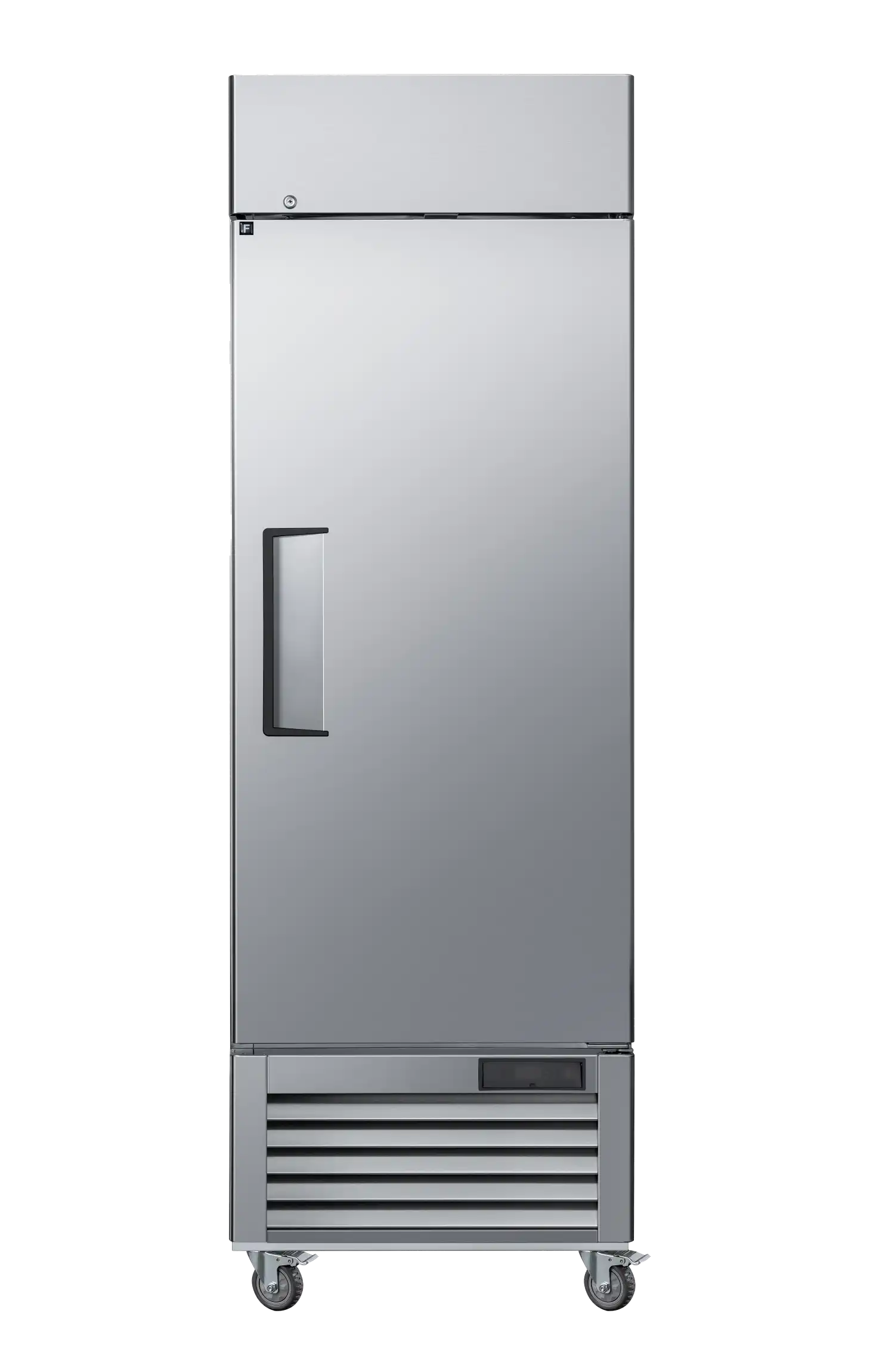
2. Weekly Cleaning: Keeping Your Unit Hygienic and Efficient
Weekly cleaning goes a bit deeper than just the daily checks, focusing on a more thorough clean and a closer look at the components. These steps are absolutely vital for both hygiene and keeping that consistent performance.
- Clean Interior Walls and Shelves: First, take everything out. Then, wipe down all those interior surfaces with a mild, food-safe cleaner.
- Wash Door Gaskets: Give the door seals a good scrub with warm, soapy water. This gets rid of any food debris and helps ensure they seal tightly.
- Inspect and Clean Drain Pan/Tube: Take a peek at the drain pan and tube. Any clogs or blockages there can lead to water pooling up, which you definitely don’t want.
- Wipe Down Exterior: Don’t forget the outside! Clean the exterior, including handles and control panels, to get rid of any grease and grime.
- Organize Contents: Take a moment to rearrange your food items. This ensures good airflow and prevents you from overloading the unit, which can really strain the cooling system.
Consistent weekly cleaning isn’t just about preventing bacterial growth; it actually optimizes the unit’s ability to cool. Many [Commercial Undercounter Refrigerators] and [Camay Commercial Solid Door Undercounters] are designed with features like removable gaskets and rounded inner shelves, which honestly make these cleaning tasks so much easier.
In-Depth Monthly and Quarterly Maintenance Procedures
Beyond the daily and weekly stuff, those monthly and quarterly maintenance procedures really dig into the critical components that affect your refrigerator’s long-term health and efficiency. Taking these deeper dives helps you head off major problems and truly extend the life of your equipment.
1. Monthly Tasks: Focusing on Key Components for Longevity
Monthly maintenance involves a more detailed inspection and cleaning of some really crucial parts. These actions are all about making sure the refrigeration system isn’t working harder than it needs to.
- Clean Condenser Coils: Grab a stiff brush or a vacuum cleaner and get all that dust, dirt, and debris off the condenser coils. Dirty coils are a big no-no; they restrict airflow and force the compressor to work overtime.
- Check Evaporator Coils: Take a look at the evaporator coils for any ice buildup. If you see it, that could mean a problem with your defrost system or an air leak.
- Test Door Gaskets for Seal Integrity: Here’s a neat trick: the “dollar bill test.” Close the door on a dollar bill; if it pulls out easily, your gasket probably needs adjusting or even replacing.
- Examine Fan Blades: Check both the condenser and evaporator fan blades. Are there any obstructions? Any signs of damage?
- Verify Temperature Calibration: Use a properly calibrated thermometer to make sure the unit’s internal temperature actually matches what the display says.
- Inspect Electrical Connections: Just a quick visual check of any accessible electrical connections. Look for corrosion or loose wires – safety first!
Giving regular attention to these components seriously cuts down the risk of breakdowns and really boosts energy efficiency. For example, keeping the condenser coils clean on a [Camay 60” Countertop Refrigerated Chef Base], which has an easily accessible condenser, is relatively straightforward and makes a huge difference.
2. Quarterly Inspections: Preventing Major Issues Before They Arise
Quarterly inspections are your comprehensive check-ups, designed to catch potential problems long before they become critical. These often require a bit more technical know-how about the unit.
- Clean Condensate Evaporator Pan: Take out and clean that condensate pan. This prevents algae growth and stops blockages in the drain line, which can be a real pain.
- Check Refrigerant Levels (Professional Only): This one’s for the pros. A qualified technician should absolutely verify refrigerant levels. Low levels mean a leak, and that means reduced cooling efficiency.
- Lubricate Moving Parts (if applicable): If the manufacturer recommends it, apply the right lubricants to fan motors and any other moving parts.
- Inspect Compressor and Fan Motors: Give these components a good look. Are they vibrating excessively? Are they unusually hot? Any signs of wear?
- Calibrate Thermostats: Make sure those thermostats are precisely calibrated to keep your temperature control spot-on.
- Review Defrost Cycle Operation: Confirm that your automatic defrost system is working correctly. You don’t want ice building up!
- Check for Structural Integrity: Inspect the unit’s cabinet, hinges, and casters. Any damage or instability there?
These thorough quarterly checks are absolutely crucial for getting the most operational life out of your commercial refrigeration equipment.
If you’re interested, check 《How to Prolong the Lifespan of Your Refrigerator: Expert Tips》.
Annual Professional Servicing and Advanced Troubleshooting
While you and your team can handle a lot with regular in-house maintenance, annual professional servicing brings a whole new level of inspection and care. This expert attention is what really tackles complex issues and gets your unit performing optimally.
1. The Importance of Annual Professional Maintenance
Professional technicians, bless their hearts, have the expertise and specialized tools that most of us don’t. They can perform comprehensive diagnostics and maintenance that go way beyond what you can do. Their annual service can spot and fix problems that might completely slip under the radar during your routine checks.
- Comprehensive System Diagnostics: These folks do detailed checks on everything: the compressor, condenser, evaporator, and the entire electrical system.
- Refrigerant Leak Detection: They’ve got specialized equipment to find and fix any refrigerant leaks. This is critical, not just for performance but for environmental compliance too.
- Electrical System Inspection: Professionals will thoroughly inspect all the wiring, connections, and control components to ensure both safety and functionality.
- Component Calibration: They’ll calibrate thermostats, pressure controls, and other sensors to guarantee everything is operating precisely.
- Deep Cleaning of Coils and Drainage: They can get rid of stubborn grime from coils and make absolutely sure the drainage system is completely clear.
- Performance Optimization: Technicians can fine-tune settings and components to squeeze out maximum energy efficiency and cooling capacity.
Annual professional maintenance isn’t an expense; it’s an investment. It prevents those dreaded costly breakdowns, extends your equipment’s life, and ensures you’re meeting all industry standards. It’s especially important for more complex units like [Undercounter Refrigerator Freezers] or large [Commercial Kitchen Manufacturer] setups.
2. Common Issues and Simple Troubleshooting Steps
Even with the best maintenance routine, commercial refrigerators can sometimes throw you a curveball. Knowing how to troubleshoot common problems can often help you sort out minor glitches quickly without calling in the cavalry.
- Refrigerator Not Cooling:
- Check Power Supply: Is it plugged in? Has the circuit breaker tripped? Start with the basics.
- Inspect Thermostat Settings: Is the thermostat set to the right temperature? Sometimes it’s that simple.
- Clean Condenser Coils: Seriously, dirty coils are a super common culprit for cooling issues. Give them a good clean.
- Check for Blocked Air Vents: Make sure nothing’s blocking those internal or external vents.
- Examine Door Seals: A faulty seal lets warm air in, and that totally messes with cooling.
- Excessive Noise:
- Identify Source: Try to figure out where the noise is coming from—compressor, fan, something else?
- Check Fan Blades: Look for anything obstructing them or if they’re damaged.
- Tighten Loose Screws: Sometimes, a vibrating panel just needs a screw tightened.
- Water Leaks:
- Clear Drain Line: A clogged defrost drain line is a classic cause of leaks. Try clearing it with warm water or a small brush.
- Inspect Drain Pan: Check the drain pan for any cracks or if it’s overflowing.
- Examine Door Gaskets: Poorly sealing gaskets can lead to condensation and, you guessed it, leaks.
- Ice Buildup:
- Check Door Seals: Again, make sure those doors are closing tightly and the gaskets are in good shape.
- Inspect Defrost Heater/Timer: If the defrost system isn’t working right, you’ll get excessive ice.
- Avoid Overpacking: Stuffing the fridge too full restricts airflow and can lead to ice.
For any issues that just won’t go away or seem really complex, please, always call a qualified refrigeration technician. Trying to do advanced repairs yourself without proper training can void your warranty and, frankly, be dangerous.
If you’re interested, check 《Troubleshooting steps for a commercial refrigerator that is not cooling can be carried out as follows:》.
Maximizing Energy Efficiency and Extending Equipment Lifespan
When you’re running a commercial kitchen, optimizing energy efficiency and making your equipment last as long as possible are two goals that really go hand-in-hand. Good maintenance practices directly contribute to both.
1. Best Practices for Energy Conservation in Commercial Refrigeration
Energy consumption is a huge operational cost for any commercial kitchen. Putting some energy-saving practices in place can genuinely lead to significant savings.
- Regular Cleaning of Condenser Coils: Clean coils mean better heat exchange, which means your compressor doesn’t have to work as hard or as often.
- Maintain Tight Door Seals: Intact gaskets are your best friend. They stop cold air from escaping, meaning less energy is needed to keep the temperature steady.
- Ensure Proper Airflow: Don’t block those internal vents, and don’t push the refrigerator right up against a wall. Give it room to breathe for optimal air circulation.
- Set Optimal Temperatures: Resist the urge to set temperatures lower than absolutely necessary. Every degree colder uses more energy. For example, [Camay Commercial Worktop Refrigerator Cooler Fridges] are designed to hold optimal temperatures between 0.5°C to 5°C.
- Minimize Door Openings: Train your staff to open doors only when they absolutely need to, and to close them quickly. It makes a bigger difference than you might think.
- Load Efficiently: Don’t cram the refrigerator full. Overpacking restricts airflow and, you guessed it, increases energy usage.
- Consider Energy-Efficient Models: When it’s time to replace units, seriously look into ENERGY STAR certified models. They’re specifically designed to sip energy, not guzzle it.
By sticking to these practices, businesses can really cut down on their operational costs and lessen their environmental impact.
If you’re interested, check 《How can you utilize the refrigerator efficiently and effectively to conserve energy?》.
2. How Proper Maintenance Extends the Life of Your Investment
Proper maintenance, in my experience, is hands down the most effective way to protect the investment you’ve made in your commercial refrigeration equipment. It ensures all those components work efficiently, which naturally reduces wear and tear.
- Reduces Strain on Components: Clean coils and good airflow mean the compressor and fan motors aren’t struggling. They don’t have to work as hard, which significantly extends their operational life.
- Prevents Corrosion and Damage: Regular cleaning and inspection stop grime and moisture from building up, which can lead to nasty corrosion and damage to internal parts.
- Maintains Optimal Performance: Units that are well-maintained consistently hold the right temperatures, which is key for preserving food quality and safety.
- Identifies Issues Early: Those routine checks are fantastic for catching small problems before they blow up into major, expensive repairs.
- Ensures Warranty Compliance: This is important: many manufacturers actually require documented maintenance to keep your warranty valid.
- Preserves Resale Value: A refrigerator that’s been well-cared for will hold onto more of its value if you ever decide to upgrade or sell it.
Ultimately, taking a proactive approach to maintenance isn’t just about keeping your fridge cold; it’s about safeguarding your financial investment and ensuring reliable operation for many, many years to come.
| Maintenance Task | Frequency | Impact on Lifespan & Efficiency |
|---|---|---|
| Temperature Monitoring | Daily | Prevents food spoilage, identifies issues early |
| Door Seal Inspection | Daily/Weekly | Reduces energy loss, maintains cooling |
| Interior Cleaning | Weekly | Prevents bacterial growth, ensures hygiene |
| Condenser Coil Cleaning | Monthly | Improves heat exchange, reduces compressor strain |
| Drain Pan/Tube Check | Monthly | Prevents water damage, maintains hygiene |
| Refrigerant Level Check | Annually | Ensures optimal cooling, prevents compressor failure |
| Electrical Inspection | Annually | Enhances safety, prevents electrical faults |
Contact Us for Your Commercial Refrigeration Needs
Keeping your commercial reach-in refrigerators in top shape is absolutely critical for your food service operation’s success. Here at Camay, we really pride ourselves on providing high-quality, durable, and energy-efficient refrigeration solutions specifically designed for the tough demands of commercial kitchens. Whether you’re looking for [Commercial Undercounter Refrigerator Manufacturers] or custom worktop units, we’ve got a range of products built to last. Our team is always ready to help you with selection, installation, and ongoing support. Don’t hesitate to reach out today to chat about your specific needs and let us help ensure your kitchen runs smoothly and efficiently.
Phone: +86 181 5720 2219
Email: Sales@hzcamay.com
FAQs
1. How often should I clean the condenser coils on my reach-in refrigerator?
You really should be cleaning those condenser coils at least once a month. If your kitchen environment is particularly dusty, you might even need to do it more often. Dirty coils are a big problem because they make it harder for heat to escape, forcing the compressor to work much harder and chew up more energy. Regular cleaning makes a huge difference in efficiency and helps your compressor last longer.
2. What temperature range is ideal for a commercial reach-in refrigerator?
For a commercial reach-in refrigerator, the sweet spot for temperature is typically between 0.5°C and 5°C (that’s 33°F and 41°F). Keeping it in this range is absolutely crucial for safely storing perishable foods, stopping bacterial growth, and making sure you’re meeting all those important food safety regulations.
3. Can I use harsh chemicals to clean the interior of my refrigerator?
Please, no. Avoid using harsh chemicals, abrasive cleaners, or super strong disinfectants inside your refrigerator. Those things can really damage the surfaces, leave residues that could contaminate your food, or even create strong, lingering odors. Stick to mild, food-safe detergents and warm water, and always make sure to rinse thoroughly and dry everything completely.
4. What are the signs that my refrigerator needs professional service?
There are a few clear signs that it’s time to call in the pros. If you’re seeing persistent temperature fluctuations, hearing unusual loud noises, if the compressor is cycling on and off way too frequently, you spot visible refrigerant leaks, or notice a sudden spike in your energy bills – these all usually point to underlying mechanical issues that really need an expert diagnosis and repair.
5. How does maintaining my refrigerator impact food safety?
Proper refrigerator maintenance directly impacts food safety, and it’s a huge deal. It ensures that your food is consistently stored at safe temperatures. A well-maintained unit actively prevents bacterial growth, significantly reduces the risk of foodborne illnesses, and keeps your ingredients fresh and high-quality. This protects both your customers and, very importantly, your business’s reputation.
About the Author
David Qian, the founder of ZHEJIANG KAIMEI CATERING EQUIPMENT CO., LTD., brings a wealth of knowledge to the table with 28 years of extensive experience in the refrigeration industry. His deep understanding of refrigeration equipment, paired with a steadfast commitment to quality and efficiency, is exactly what has established Camay as a trusted, professional one-stop-shop manufacturer for refrigeration equipment. David is genuinely passionate about sharing practical insights that truly help businesses optimize their commercial kitchen operations.