

For hotel and banquet kitchens, durable hotel kitchen refrigerators are not a luxury—they are a fundamental requirement to keep high-volume service running without interruption. Having spent over two decades engineering commercial refrigeration, I’ve seen how the wrong selection or a poorly planned layout can lead to equipment failure at the worst possible moment. This article draws on that experience to explain what truly makes a refrigerator durable in demanding kitchen environments and how to lay out your cold storage to support relentless throughput while extending equipment life.
What Are the Demands of Hotel Banquet Kitchens?
Hotel banquet kitchens operate under conditions that push standard refrigeration to its limit. Doors open dozens of times per hour during prep and plating, ambient temperatures near hot lines can exceed 38°C (100°F), and the cooling system must recover fast enough to hold product temperatures within safe zones—typically 0.5°C to 5°C (33°F to 41°F) for refrigerators. A unit that works perfectly in a quiet cafe may struggle here.
The workload is also unpredictable. A banquet kitchen may be idle most of the afternoon and then face a three-hour rush where every cold holding station is essential. If a refrigerator’s compressor cycles off during a lull and cannot rapidly bring temperatures back down when doors start swinging, food quality and safety are at risk. I’ve seen kitchens where insufficient insulation thickness allowed too much heat ingress, forcing the compressor to run continuously and accelerating wear.
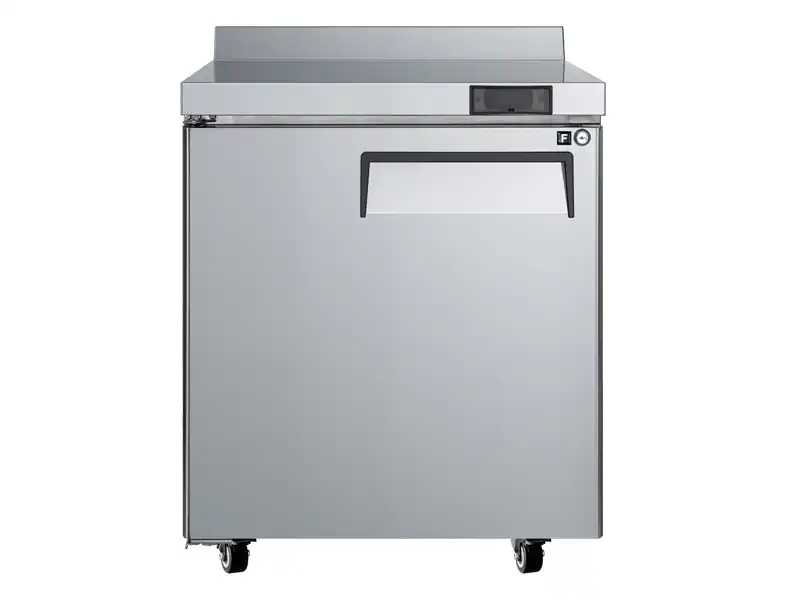
So the first step in selecting equipment is acknowledging that a hotel kitchen is a hostile environment for refrigeration. The next step is knowing which features separate a genuinely durable unit from one that merely looks robust.
What Features Make Hotel Kitchen Refrigerators Durable?
From a manufacturing engineer’s perspective, durability is not one attribute but a chain of interdependent components. If any link fails, the entire cabinet becomes unreliable.
Compressor quality and refrigerant choice. A heavy-duty compressor—such as the Cubigel models we use across many Camay units—provides the consistent cooling performance needed for frequent door openings. Paired with eco-friendly R290 refrigerant, the system achieves efficient heat transfer while meeting modern environmental standards. Avoid units that pair a high-capacity cabinet with an undersized compressor simply to hit a lower price point; that trade-off will surface within the first year.
Insulation integrity. Polyurethane foam insulation foamed in place with cyclopentane creates a high-density thermal barrier. In our solid door undercounter model MTR-72, the insulation holds cold air in even when the kitchen ambient reaches 38°C. Cabinets with thinner or lower-density foam will sweat and lose temperature faster, driving up energy costs and compressor duty cycles.
Cabinet construction and door seals. Full stainless steel interior and exterior resist corrosion from acidic foods and cleaning chemicals. Self-closing doors with recessed handles and magnetic gaskets keep the seal tight without requiring staff to remember to push the door closed. A removable gasket, as found on our worktop refrigerators, simplifies cleaning and replacement—a small detail that prevents big maintenance headaches later.
Certifications that back up the claims. Look for units with ETL Safety, ETL Sanitation (NSF standards), and ENERGY STAR ratings. These are not just logos; they mean the refrigerator has passed independent testing for temperature holding, food safety, and energy consumption. Our MTR-72 undercounter refrigerator, for instance, carries ETL and DOE certifications, which tells buyers it has been validated for continuous commercial use.
The table below compares two durable configurations—a solid door undercounter and a countertop chef base—to highlight how specs align with different kitchen functions.
| Model | Type | Capacity | Temperature Range | Compressor | Key Certification |
|---|---|---|---|---|---|
| MTR-72 | Solid Door Undercounter | 576 L | 0.5°C–5°C (33–41°F) | Cubigel | ETL, DOE, ENERGY STAR |
| MAR-60A | Countertop Chef Base | 117 L | 0.5°C–5°C (33–41°F) | Heavy-duty (R290) | ETL, DOE, ENERGY STAR |
How Do You Select the Right Refrigerator by Kitchen Zone?
Different zones in a hotel kitchen need different refrigeration solutions. Applying a single model everywhere often leads to under-performance in one area and wasted capacity in another.
Cold storage area. This is where bulk ingredients are held before prep. A large-capacity solid door reach-in like our MR-49 (1,252 L) works well. Solid doors are preferred over glass because they offer better insulation and do not expose stored items to kitchen light and heat every time someone glances inside. The key here is temperature consistency and minimal air exchange.
Prep zone. Here, the refrigerator must also serve as a work surface. A chef base or worktop refrigerator integrates cold storage directly under a stainless steel prep area. Our MAR-60A chef base, for example, provides a one-piece worktop with a drip-resistant edge that can handle heavy-duty prep tasks while keeping chilled ingredients within arm’s reach. In a banquet prep line, this eliminates the walking distance between the refrigerator and the prep table, reducing cooling loss from transported ingredients.
Service and plating area. Undercounter refrigerators like the MTR-60 or MTR-48 fit under standard worktops and hold frequently accessed items during service. The self-closing doors and lockable feature prevent cold air loss when staff are moving quickly. These units often have casters, allowing them to be repositioned as banquet menus change.
If your facility operates multiple banquet halls simultaneously, consult with an engineer who can calculate the total cooling load and recommend the right balance of centralized and satellite refrigeration. Send your kitchen zone layout to Sales@hzcamay.com for a no-cost review of the optimal configuration.
How Should You Layout Refrigerators to Prolong Equipment Life?
A refrigerator’s lifespan depends as much on where it sits as on how it is built. I’ve inspected kitchens where high-end units failed within three years because they were installed without adequate ventilation or too close to cooking appliances.
Ventilation clearance. Every air-cooled refrigerator needs space around the condenser coil to reject heat. As a rule, maintain at least 15 cm (6 inches) of clearance on all sides, especially the back and top. Our smaller undercounter models, like the MTF-48 freezer, exhaust hot air from the front, which can be placed against a wall, but still need clearance above if there is a countertop. Check the manufacturer’s installation guide—ignoring this alone causes a disproportionate number of compressor failures.
Distance from heat sources. Never place a refrigerator directly next to a fryer, grill, or steam kettle. Radiant heat raises the ambient temperature beyond the unit’s design range, forcing the compressor to run longer and hotter. If space is constrained, install a heat shield between the hot equipment and the refrigerator, or plan the layout so that the cold section is upwind of the hot section.
Workflow integration. Arrange refrigerators in the order of food flow: receiving → storage → prep → cook → hold → plate → serve. Placing a worktop refrigerator right at the prep station shortens the path for ingredients, reducing the amount of time foods spend out of temperature control. In banquet kitchens with multiple prep lines, duplicate this pattern for each line to avoid cross-traffic.
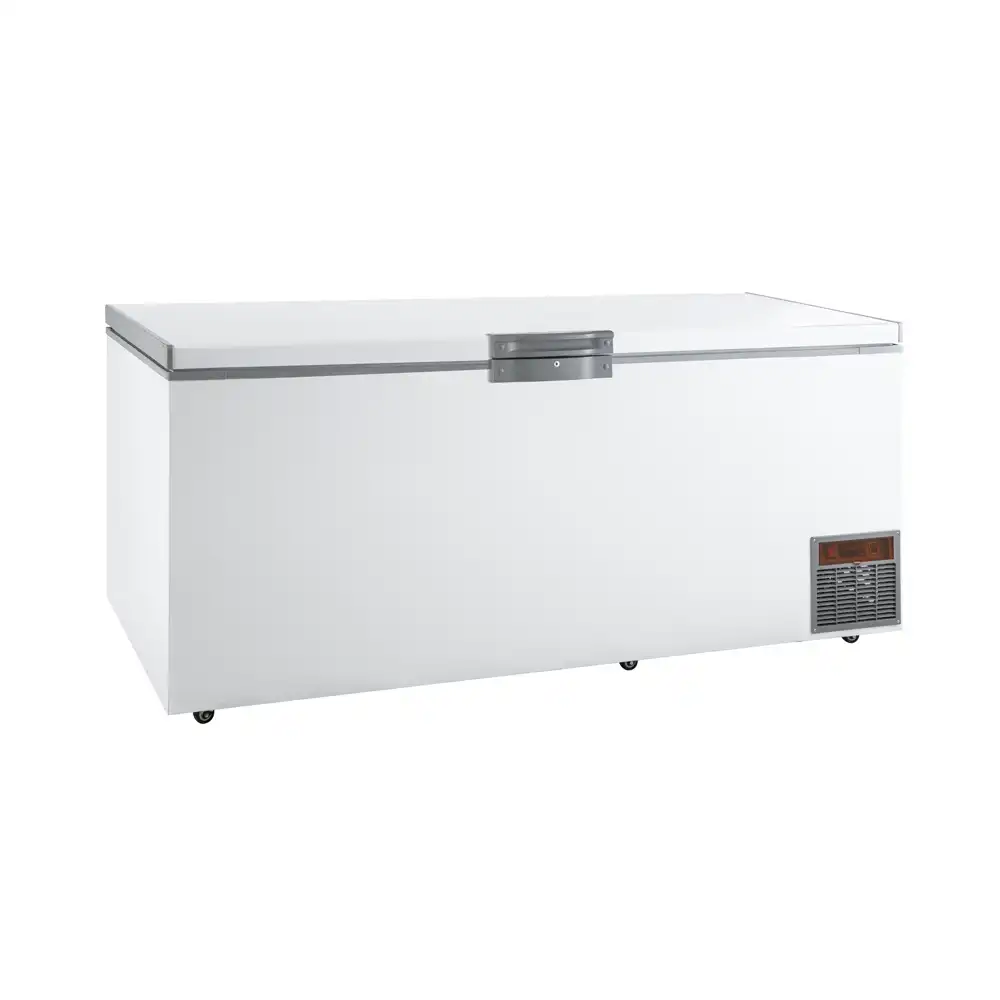
Mobility and future flexibility. Units on casters—a standard option on many Camay models—allow you to reconfigure the kitchen as catering demands evolve. A chef base on wheels can be moved to support an outdoor banquet service one week and a pastry prep area the next.
What Installation Steps Ensure Long-Term Reliability?
Even the most rugged refrigerator can be compromised by poor installation. The following steps, drawn from our factory and field experience, make a measurable difference.
Leveling the unit. A cabinet that leans even slightly can prevent self-closing doors from sealing fully, letting moist air in and causing frost buildup. Use the adjustable legs or locking casters to level the unit after positioning.
Electrical supply check. Verify that the voltage and frequency match the refrigerator’s rating plate. Voltage drops—common in older hotel buildings—can cause the compressor to draw higher amperage and overheat. If the supply is unstable, install a voltage regulator.
Initial temperature stabilization. When first powered, allow the empty refrigerator to reach its set temperature and run through a few compressor cycles before loading food. This ensures the system is stable and any factory-related residues are purged. Then load gradually over a few hours to avoid a sudden heat spike.
Ambient temperature monitoring. If the kitchen ambient routinely exceeds 38°C, select a refrigerator rated for tropical climates (Climate Class T). Our units are tested up to 38°C with 53% relative humidity, but sustained higher temperatures may require supplemental cooling in the equipment area.
What Maintenance Practices Preserve Refrigerator Durability?
A durable refrigerator is a maintainable one. The following practices extend working life and keep warranties valid.
Condenser coil cleaning. Dust and grease accumulate on the condenser coil, reducing heat rejection and forcing the compressor to work harder. Every three months, disconnect the unit, remove the front panel or access cover, and vacuum the coil fins. In greasy kitchen air, monthly cleaning may be necessary.
Door gasket inspection and replacement. Worn or cracked gaskets let cold air escape and moisture enter, leading to compressor overrun and ice formation. Run your fingers along the gasket for tears or contamination. Removable gaskets, like those on Camay worktop refrigerators, make replacement a five-minute job without a service call.
Defrost system check. Automatic defrost systems manage frost on the evaporator. If you notice the refrigerator cycling for unusually long periods or ice buildup on interior walls, the defrost heater or timer may be faulty. Prompt repair prevents permanent damage to the compressor.
Temperature calibration. Periodically place an independent thermometer in the cabinet and compare it with the digital display. A deviation of more than 2°F (1°C) suggests the sensor needs recalibration.
Ignoring these simple tasks turns a five-year compressor into a two-year liability. Maintenance logs also help with HACCP compliance during health inspections.
How Can the Right Partnership Support Long-Term Performance?
When a refrigerator fails in a hotel banquet kitchen, the cost isn’t just the repair bill—it’s the disruption to an event serving hundreds of guests. That is why equipment selection must be matched to the real operating conditions of your kitchen. At Camay, we manufacture commercial refrigeration engineered for exactly these high-demand environments—solid door reach-ins, chef bases, and undercounter units built with full stainless steel construction, reliable Cubigel compressors, R290 refrigerant, and certifications that verify their performance.
Our engineering team can review your kitchen layout and specific menu demands to recommend the right combination of refrigerators, from bulk storage to point-of-use prep stations. Send your facility requirements, including floor plans and anticipated capacity, to Sales@hzcamay.com or call +8618157202219. That one consultation often prevents years of costly equipment misapplication.
If your program involves multiple hotel properties or a new banquet facility, share your timeline and we’ll confirm lead times and custom specifications before you commit to a purchase order.
What Are Common Questions About Hotel Kitchen Refrigeration?
Can I use a standard commercial refrigerator in a high-volume banquet kitchen?
A standard commercial refrigerator rated for light or medium duty will struggle with the frequent door openings and high ambient heat typical of a banquet kitchen. Hotel operations require heavy-duty units designed with thick insulation, high-torque compressors, and robust door mechanisms. If the refrigerator specification does not list a Climate Class T rating or comparable ambient tolerance, it is likely undersized. Always choose a model whose design parameters match the peak demand of your service, not the average.
How often should hotel kitchen refrigerators be professionally serviced?
Twice a year at minimum. A qualified technician should clean condenser coils, check refrigerant pressure, inspect door hinges and gaskets, and verify the defrost cycle. Kitchens with high grease loading or frequent deep cleaning may benefit from quarterly checks. A preventive service contract often costs less than a single emergency compressor replacement, particularly when downtime during a banquet is factored in.
What is the most important clearance around a refrigerator?
The condenser coil side—usually the back or bottom of the unit—requires at least 15 cm (6 inches) of unobstructed space for adequate airflow. In kitchens where the refrigerator is built into cabinetry, forced ventilation or a louvered panel must supply fresh air. Overlooking this causes the compressor to operate at elevated temperatures, reducing its life by 30–50% in extreme cases.
Can I place an undercounter refrigerator directly on the kitchen floor?
Avoid direct floor contact without casters or legs. Standing water from floor cleaning increases the risk of rust on the cabinet base and can corrode electrical connections. Use the adjustable casters or legs supplied with the unit to raise the refrigerator at least a few centimeters off the floor. If the kitchen floor has drainage slope, ensure the unit is leveled so the door seal remains tight.
If your hotel kitchen requires specific compliance documentation, such as HACCP temperature logging or local health department approval, share your requirements with us at Sales@hzcamay.com. We can confirm which of our models already carry the relevant certifications and whether custom documentation packages are available.
If you’re interested, check out these related articles:
Boost Savings with Energy Efficient Commercial Upright Freezers
Boost Efficiency Energy Efficient Chef Base Units for Commercial Kitchens
Choosing the Best Commercial Reach In Fridge for Your Restaurant
Boost Kitchen Efficiency Workflow Optimization with Chef Base Fridges
Ultimate Buyers Guide for Commercial Reach In Refrigerators