

Commercial kitchens face constant pressure to optimize operations and reduce costs. As an industry expert with 28 years in refrigeration, I have observed a significant shift towards sustainable solutions. Energy-efficient chef base units offer a practical way to achieve both, integrating refrigeration with essential prep surfaces. We will explore how these units enhance kitchen performance and contribute to substantial savings.
Understanding the Critical Need for Energy-Efficient Chef Base Units
The modern commercial kitchen demands equipment that performs reliably and cost-effectively. Traditional refrigeration units often consume excessive energy, leading to high operational costs and a larger environmental footprint. Chef base units, however, combine essential cold storage with a durable worktop, providing a space-saving and efficient solution for busy kitchens. This dual functionality streamlines workflow, keeping ingredients fresh and accessible right where chefs need them.
The growing demand for sustainable kitchen operations
Commercial kitchens increasingly prioritize sustainability to meet consumer expectations and regulatory requirements. This trend drives demand for equipment that reduces energy consumption and minimizes environmental impact. Sustainable practices also enhance a brand’s reputation and appeal to a broader customer base. We observe a clear market preference for eco-friendly solutions.
How traditional refrigeration impacts operational costs and the environment
Traditional refrigeration units often operate with older refrigerants and less efficient insulation, resulting in higher electricity bills. These units can also contribute to significant greenhouse gas emissions if they use refrigerants with high global warming potential. The continuous operation of such equipment places a heavy burden on both financial resources and the environment. Upgrading to modern, energy-efficient alternatives addresses these critical issues directly.
The dual function of chef base units as refrigeration and prep surfaces
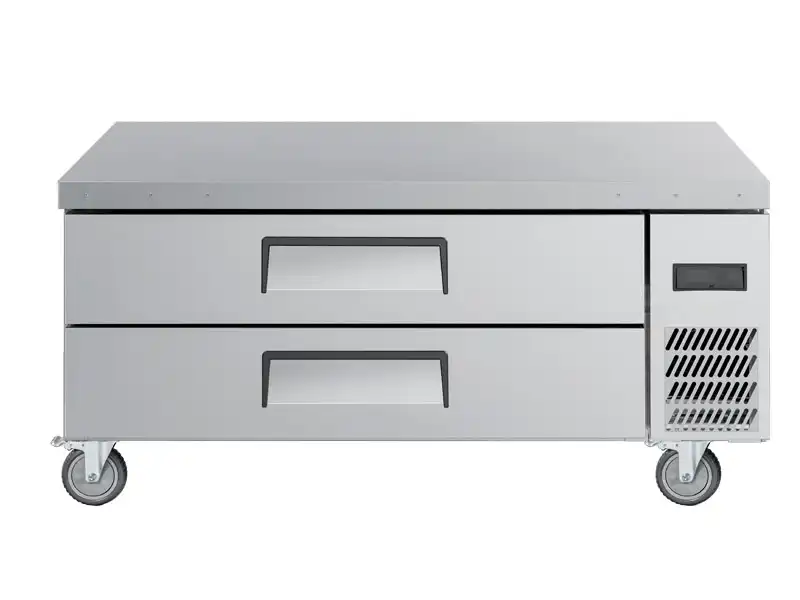
Commercial Chef Base Manufacturer units serve a dual purpose, acting as both refrigerated storage and a sturdy work surface. This integrated design maximizes kitchen space, which is often at a premium. Chefs can store ingredients directly beneath their prep area, reducing movement and improving efficiency. This functionality is particularly valuable in high-volume environments where speed and organization are crucial.
Key Features Defining an Energy-Efficient Chef Base Unit
Selecting an energy-efficient chef base unit involves evaluating several key features that contribute to its overall performance and cost savings. These features include the type of refrigerant used, the quality of insulation, and the sophistication of temperature control systems. Certifications also play a crucial role in verifying a unit’s energy efficiency.
The role of eco-friendly refrigerants like R290 in modern units
Modern energy-efficient chef base units often utilize eco-friendly refrigerants such as R290 (propane). R290 has a very low Global Warming Potential (GWP) compared to traditional HFC refrigerants, making it a more environmentally responsible choice. This natural refrigerant also offers excellent thermodynamic properties, which translates to higher energy efficiency and reduced electricity consumption. Our products, like the Camay 60” Countertop Refrigerated Chef Base, incorporate R290 for superior performance.
Advanced insulation technologies for superior thermal retention
Effective insulation is paramount for energy efficiency in refrigeration. High-density, CFC-free polyurethane or cyclopentane foam insulation significantly reduces heat transfer, maintaining stable internal temperatures with less effort from the compressor. This advanced insulation minimizes energy loss, ensuring that the unit runs less frequently and consumes less power. Better insulation also enhances the longevity of the refrigeration system.
How smart digital temperature controls optimize energy usage
Smart digital temperature control systems are integral to optimizing energy usage. These systems allow precise temperature settings and constant monitoring, preventing unnecessary cooling cycles. Many units now feature optional IoT and WiFi capabilities, enabling remote management and real-time performance data. This technology ensures ingredients remain at optimal temperatures while minimizing energy waste.
Certifications and standards to look for (e.g., ENERGY STAR, ETL, DOE)
Certifications like ENERGY STAR, ETL, and DOE provide independent verification of a unit’s energy efficiency and safety. ENERGY STAR-certified products meet strict energy performance criteria set by the U.S. Environmental Protection Agency. ETL certification indicates compliance with safety standards, while DOE regulations ensure minimum energy performance. These certifications offer assurance of quality and efficiency. We are proud that our products meet these rigorous standards. If you are interested in certified equipment, consider Camay ETL Certified Commercial Refrigeration Equipment: High Efficiency and Energy Saving, Boosting the Food Service Industry.
Maximizing Operational Savings with Energy-Efficient Chef Bases
Investing in energy-efficient chef base units offers significant financial advantages beyond the initial purchase price. These savings accumulate over the equipment’s lifespan, contributing to a healthier bottom line for commercial kitchens. We focus on delivering products that provide both immediate and long-term economic benefits.
Analyzing the long-term cost benefits beyond initial investment
While energy-efficient units might have a slightly higher upfront cost, their long-term savings far outweigh this initial expenditure. Reduced energy consumption translates directly into lower utility bills month after month. These savings can quickly offset the price difference, providing a strong return on investment (ROI) over the equipment’s operational life. Businesses should consider the total cost of ownership, not just the purchase price.
Reducing utility bills through optimized compressor and cooling systems
Optimized compressor and cooling systems are at the heart of energy-efficient design. High-efficiency compressors, often combined with ventilated cooling systems, work smarter, not harder. They maintain consistent temperatures more effectively, reducing the frequency and duration of compressor cycles. This efficiency directly lowers electricity usage, resulting in noticeable reductions in utility expenses.
The impact of energy efficiency on equipment lifespan and maintenance
Energy-efficient operation reduces the strain on internal components, extending the overall lifespan of the chef base unit. Less frequent cycling and optimized performance mean less wear and tear on the compressor and other critical parts. This also leads to lower maintenance costs and fewer unexpected breakdowns, ensuring consistent operation and minimizing downtime. Investing in quality pays off in durability.
How ZHEJIANG KAIMEI’s units contribute to energy savings
ZHEJIANG KAIMEI CATERING EQUIPMENT CO., LTD. designs its chef base units with energy efficiency as a core principle. Our products feature R290 refrigerant, advanced polyurethane/cyclopentane insulation, and smart digital temperature controls. These integrated technologies ensure optimal performance with minimal energy consumption. We provide reliable, cost-effective solutions that support sustainable kitchen operations. For example, the Camay Commercial Worktop Refrigerator Cooler Fridge (Model MWTF-27-L) is designed with energy efficiency in mind.
Choosing the Right Energy-Efficient Chef Base Unit for Your Kitchen
Selecting the ideal energy-efficient chef base unit requires careful consideration of your kitchen’s specific needs and operational demands. Factors such as size, construction materials, mobility, and specific features all play a role in making the best choice. We guide our customers through these considerations to ensure they find the perfect fit.
Evaluating capacity and dimensions for different kitchen layouts
The physical dimensions and storage capacity of a chef base unit must align with your kitchen layout and operational volume. Measure available space carefully to ensure proper fit and workflow integration. Consider the quantity of ingredients you need to store and access frequently. Our range includes various sizes to suit different kitchen environments.
Considering features like durable stainless steel construction and easy-to-clean designs
Durable stainless steel construction (both interior and exterior) ensures longevity and hygiene in a demanding commercial kitchen. Look for units with easy-to-clean features, such as rounded inner corners and removable gaskets, to simplify maintenance and comply with food safety standards. These design elements contribute to both efficiency and operational cleanliness. The 2-Door Commercial Undercounter Refrigerator (Model MTR-48) exemplifies these features.
Assessing mobility options and flexible placement for optimal workflow
Mobility features, such as optional casters, allow for flexible placement and easy repositioning of the chef base unit. This flexibility can be crucial for adapting to changing kitchen needs or facilitating thorough cleaning. Units with casters provide the ability to move the prep station closer to cooking lines or other workstations, optimizing workflow.
Exploring specific Camay models and their energy-saving attributes
Camay offers a range of energy-efficient chef base units designed to meet diverse commercial kitchen requirements.
* Camay Commercial Worktop Refrigerator Cooler Fridge (Model MWTF-27-L): This unit features R290 refrigerant, polyurethane/cyclopentane insulation, and smart digital temperature control. It offers 202 L capacity and is ETL, DOE, and ENERGY STAR certified.
* Camay 60” Countertop Refrigerated Chef Base (Model MAR-60A): Designed for optimal food preservation, this model uses R290 refrigerant and efficient insulation. It provides 117 L capacity and includes 4-inch casters for mobility.
* Camay Commercial Solid Door Undercounter (Model MTR-72): With 576 L capacity, this undercounter unit features R290 refrigerant, foamed-in polyurethane insulation, and smart digital controls. It is ETL, DOE, and ENERGY STAR certified.
These models exemplify our commitment to energy efficiency and operational excellence. For more information on our products, you can visit our website. You might also find our New Product: Camay Chef Base is Coming informative.
Integrating Energy-Efficient Chef Bases into a Modern Commercial Kitchen Design
Effective integration of energy-efficient chef base units into your kitchen design optimizes both functionality and energy performance. Strategic placement and synergy with other equipment are key to creating a highly efficient workspace. We emphasize thoughtful planning for maximum benefit.
Strategic placement for improved workflow and productivity
Proper placement of chef base units minimizes unnecessary movement and enhances productivity. Position them near cooking stations or prep areas to keep ingredients readily accessible. This reduces steps, saves time, and improves overall kitchen efficiency. Consider the flow of ingredients from storage to preparation to cooking.
Combining chef base units with other energy-efficient kitchen equipment
Maximize energy savings by pairing chef base units with other energy-efficient kitchen equipment. This holistic approach reduces the overall energy footprint of your kitchen. For example, combine them with induction cooktops or high-efficiency ovens to create a truly sustainable and cost-effective operation. A well-designed kitchen considers the energy consumption of every appliance.
Best practices for maintenance to sustain peak energy performance
Regular maintenance is essential to ensure your energy-efficient chef base units continue to operate at peak performance.
1. Clean condenser coils regularly: This prevents dust and grease buildup, which can hinder heat exchange and increase energy consumption.
2. Check door gaskets for seals: Ensure a tight seal to prevent cold air from escaping, which forces the compressor to work harder.
3. Monitor temperatures: Use the digital controls to verify that the unit maintains the set temperature consistently.
4. Schedule professional inspections: Regular servicing by qualified technicians can identify and address potential issues before they impact efficiency.
5. Keep the unit clear of obstructions: Ensure proper airflow around the unit to prevent overheating and maintain optimal cooling.
Adhering to these practices will help sustain the energy efficiency and extend the lifespan of your equipment.
Choose ZHEJIANG KAIMEI for Your Energy-Efficient Chef Base Units
Invest in the future of your commercial kitchen with ZHEJIANG KAIMEI’s energy-efficient chef base units. Our products combine innovative technology, durable construction, and proven energy savings to optimize your operations. Contact us today to discuss your specific needs and discover how our solutions can enhance your kitchen’s efficiency and sustainability.
Phone: +86 181 5720 2219
Email: Sales@hzcamay.com
About the Author
David Qian brings 28 years of experience in the refrigeration industry, specializing in refrigeration equipment. His extensive background ensures a deep understanding of the technology and practical applications discussed in this article.
FAQs
What makes a chef base unit energy-efficient?
An energy-efficient chef base unit incorporates several key features. These include the use of eco-friendly refrigerants like R290, advanced insulation materials such as polyurethane/cyclopentane foam, and smart digital temperature controls. Additionally, certifications like ENERGY STAR and ETL verify that the unit meets specific energy performance standards. These elements work together to minimize energy consumption and reduce operational costs.
How do energy-efficient chef bases contribute to overall kitchen sustainability?
Energy-efficient chef bases contribute to sustainability by significantly reducing electricity consumption, which lowers a kitchen’s carbon footprint. They also often use refrigerants with low global warming potential, further minimizing environmental impact. By combining refrigeration and prep space, they optimize kitchen layout and workflow, leading to less waste and a more efficient use of resources.
What are the typical energy savings associated with upgrading to an energy-efficient chef base?
Upgrading to an energy-efficient chef base can result in substantial long-term energy savings. While specific figures vary based on usage and local electricity costs, businesses often see a reduction of 20-40% in refrigeration-related energy expenses. These savings accumulate over the equipment’s lifespan, providing a strong return on investment and contributing to a healthier bottom line.
Are there specific certifications that guarantee a chef base unit is energy-efficient?
Yes, several certifications guarantee a chef base unit’s energy efficiency. The ENERGY STAR label, for instance, indicates that a product meets strict energy performance guidelines. ETL certification ensures compliance with safety and sanitation standards, often including energy performance criteria. The Department of Energy (DOE) also sets minimum energy efficiency standards for commercial refrigeration equipment.
How does R290 refrigerant improve energy efficiency in chef base units?
R290 (propane) is a natural hydrocarbon refrigerant known for its excellent thermodynamic properties and very low Global Warming Potential (GWP). Its superior efficiency allows refrigeration systems to achieve desired temperatures with less energy input from the compressor. This results in reduced electricity consumption, lower operating costs, and a more environmentally friendly refrigeration solution compared to traditional HFC refrigerants.