
Every month, restaurant operators and procurement managers ask us the same question: why should they pay more for commercial refrigeration equipment when cheaper options exist? The short answer is that high-quality refrigeration equipment delivers a measurable return on investment through lower energy use, fewer breakdowns, and longer service life. Having spent twenty-six years designing and manufacturing these units, I can say with confidence that the true cost of a refrigeration appliance is not its purchase price but the sum of its operating expenses and lost productivity over a decade of use.
The Hidden Costs of Cheap Refrigeration Equipment
When kitchen managers compare purchase prices, the cheapest bid often wins. But the purchase price is only the beginning. A low-cost undercounter refrigerator might save $500 upfront, only to run up $3,000 in repairs, wasted energy, and food spoilage over five years. In a busy commercial kitchen, a single equipment failure can force staff to stop service, re-route workflow, or throw out hundreds of dollars in ingredients.
To make the comparison concrete, let’s look at a typical 48-inch two-door undercounter refrigerator. The table below compares a low-quality import unit with a high-quality model built to manufacturer standards.
| Cost Factor | Budget Import Model | High-Quality Commercial Model |
|---|---|---|
| Purchase price | $1,800 | $2,600 |
| Compressor type | Unbranded, low-grade | Cubigel / Secop |
| Interior material | 430-grade stainless / plastic | 304-grade stainless steel |
| Insulation | Cyclopentane only, 40mm wall | Polyurethane + Cyclopentane, 60mm wall |
| Annual energy cost | ~$480 | ~$330 |
| Repair calls (5 yr) | 6 to 8 | 1 to 2 |
| Typical lifespan | 4 to 6 years | 10 to 15 years |
| Total 10-year cost | ~$16,500 | ~$7,800 |
The numbers speak clearly: the high-quality unit costs roughly half as much over a decade. The difference comes from three factors: fewer compressor failures, lower energy consumption, and no need to replace the unit halfway through the comparison period. In our factory, we test units to run continuously for years under high ambient temperatures, and the engineering decisions behind each component directly influence these failure rates.
Engineering That Extends Equipment Life
What makes one commercial refrigerator last fifteen years while another fails in five? The answer is in the materials and components that the kitchen staff never sees.
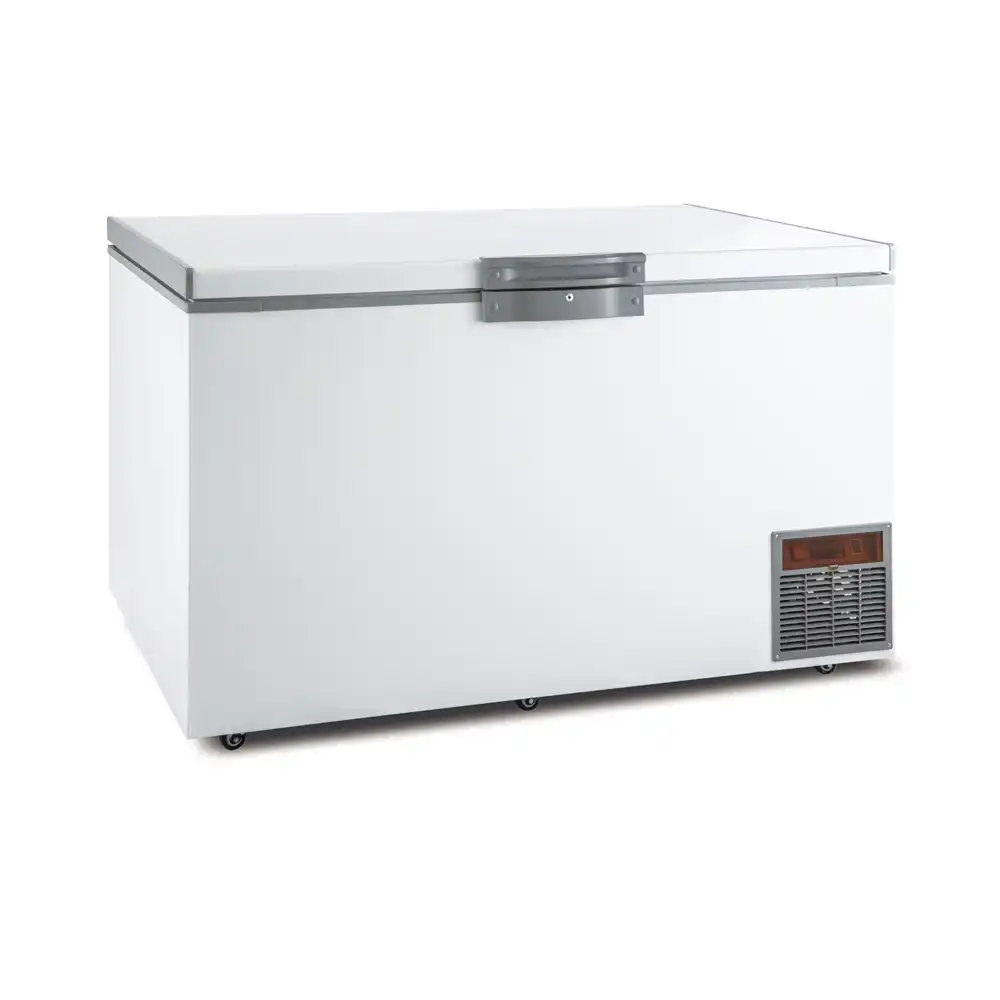
Start with the compressor. A commercial-grade compressor from Cubigel or Secop is designed for continuous operation in 38°C (100°F) kitchens. Low-cost units often use unbranded compressors that struggle under heat and eventually overheat. The refrigerant also matters: R290 (propane-based) refrigerant runs at lower pressures and transfers heat more efficiently than older refrigerants, putting less strain on the compressor. The same principle applies to ultra-low temperature freezers, where insulation thickness and compressor quality determine whether a unit can maintain -45°C consistently across its entire cabinet.
The interior lining is equally important. We manufacture our undercounter and chef base units with 304-grade stainless steel inside and out. This grade resists corrosion from acidic foods and high-moisture environments. Cheaper 430-grade stainless or plastic liners can pit and crack, creating bacterial traps that compromise food safety and force replacement. The door hinges and gaskets also play a role: self-closing doors with lock-and-key and removable magnetic gaskets, as found on models like the Camay MTR-60 undercounter refrigerator, maintain a tight seal even after years of daily opening.
Insulation is the last critical piece. Low-end units may use only cyclopentane foam with thinner walls. Our production uses a polyurethane/cyclopentane mixed foam with at least 60 mm walls, which keeps cold air in and reduces compressor cycles. Over a decade, that difference can shave 30% off energy consumption.
Lower Operating Costs Through Smarter Design
Energy efficiency is the most visible cost advantage, but the real savings go deeper.
High-quality refrigeration equipment maintains consistent temperatures with fewer fluctuations. The Camay commercial worktop refrigerator, for instance, uses a ventilated cooling system and a digital thermostat that holds the cabinet within a tight 0.5°C to 5°C (33°F to 41°F) band. This consistency protects sensitive ingredients like dairy, seafood, and fresh produce from premature spoilage. In a restaurant doing $1 million in annual food sales, a 1% reduction in food waste translates to $10,000 in recovered revenue each year.
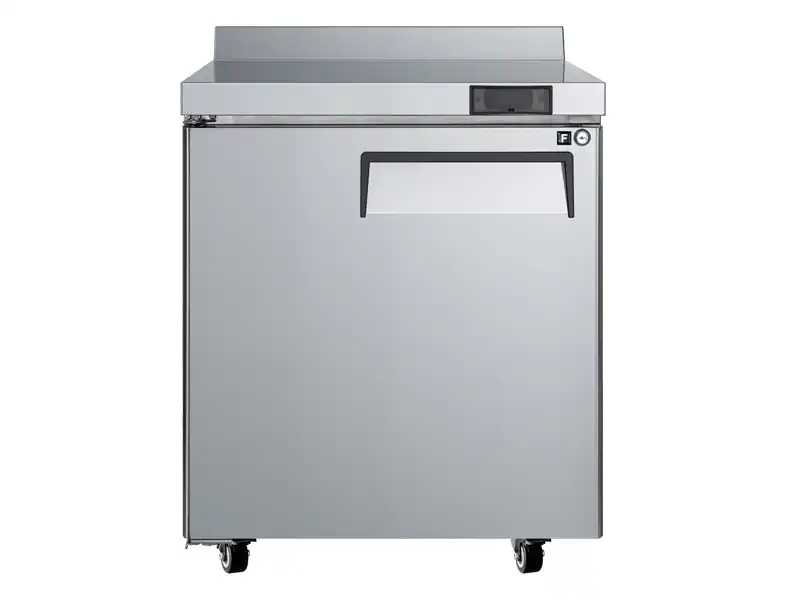
Preventive maintenance costs also drop. Units with removable gaskets and rounded interior corners, like the Camay MTR-48 undercounter refrigerator, can be cleaned quickly by staff, reducing labor hours for sanitation. The compressor compartment is accessible from the front, so service technicians spend less time on routine coil cleaning. These design features may sound minor, but in a multi-unit kitchen, they add up to hundreds of saved labor hours annually.
Certification provides another layer of operational protection. Equipment carrying ETL Safety, ETL Sanitation (to NSF standards), ENERGY STAR, and ISO 9001:2015 factory certification has been tested for both safety and performance. When a health inspector sees these marks, they spend less time checking the unit’s temperature logs, which means fewer compliance headaches for the owner.
How the Right Equipment Improves Kitchen Workflow
ROI isn’t only about repair bills and energy usage. Equipment that fits the workflow reduces staff movement, prevents bottlenecks, and increases the number of meals a kitchen can push out per hour.
Consider the chef base. A refrigerated base unit installed directly under the grill station, like the Camay 60-inch countertop refrigerated chef base, keeps proteins and prepared ingredients within arm’s reach of the cook. This eliminates constant walks to the walk-in cooler, saving roughly 15 to 20 seconds per dish. Over a 200-cover dinner service, that can free up 30 minutes of cook time.
Undercounter refrigerators serve a similar role in bars and coffee shops. Instead of storing bottled beverages in a back-room cooler, a compact undercounter fridge placed directly under the bar counter enables bartenders to serve drinks without stepping away. The Camay MTR-48 two-door undercounter refrigerator fits neatly under standard counter heights, providing 13 cubic feet of storage while keeping ingredients visible and accessible.
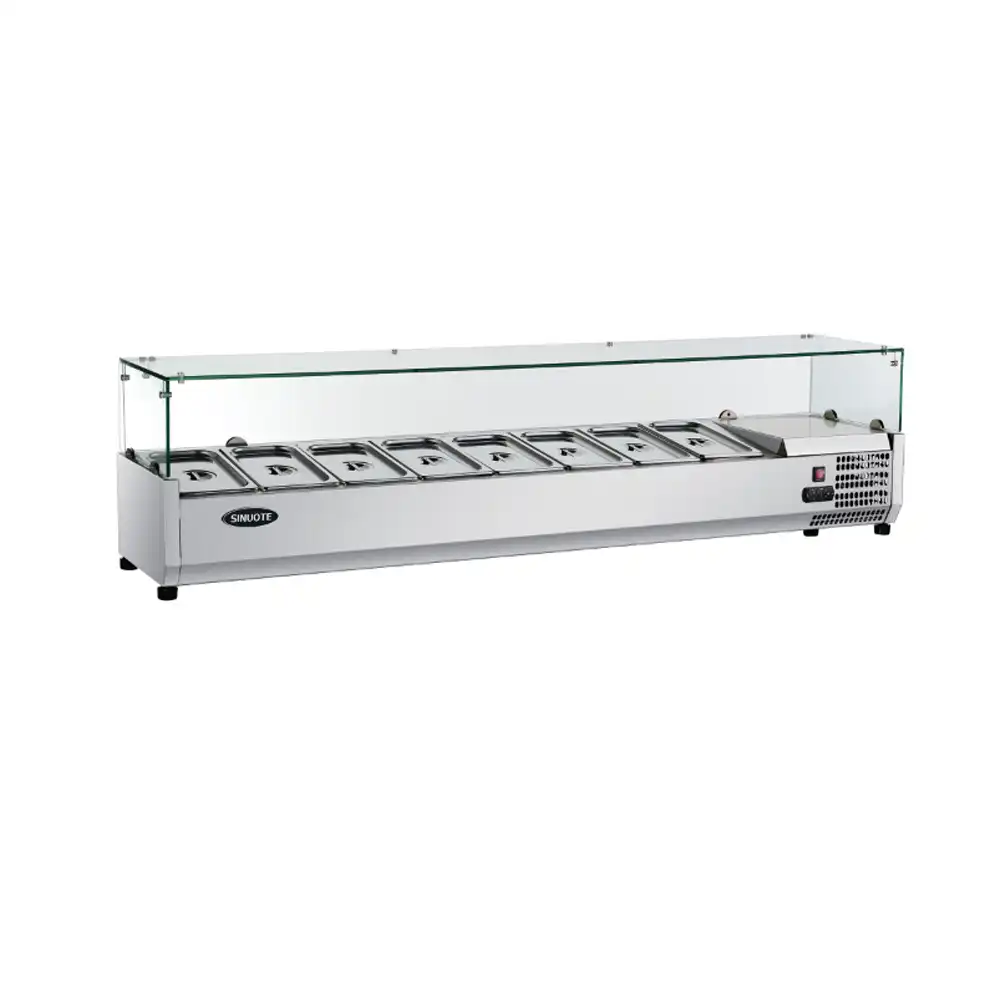
For bakeries and dessert shops, refrigerated display cases with glass doors, such as the Camay countertop refrigerated display case, combine storage with merchandising. Customers see the products, impulse purchases increase, and staff do not need to fetch items from a back area. This integration of storage, display, and workspace is what turns a simple appliance into a profit center.
An often-overlooked aspect is the ability to customize. Not every kitchen has a standard layout. A manufacturer with its own factory and engineering team, like Camay, can adjust dimensions, choose drawer configurations, or provide casters for mobile workstations. This flexibility eliminates the need to redesign the kitchen around the equipment, saving thousands in construction or remodeling costs. If your program involves a specific size constraint or electrical requirement, it is worth confirming custom feasibility with the manufacturer before finalizing your equipment list — reach out at Sales@hzcamay.com.
Choosing a Manufacturing Partner That Protects Your Investment
The best refrigeration equipment is only as good as the company that stands behind it. After-sales support, spare parts availability, and warranty terms directly affect the total cost of ownership.
Look for a manufacturer with factory-level quality management certifications. ISO 9001:2015 for quality, ISO 14001:2015 for environmental management, and ISO 45001:2018 for occupational health indicate that production processes are audited and controlled. These standards reduce the likelihood of receiving a unit with a manufacturing defect. The factory should also hold product-specific certifications such as ETL, CE, and ENERGY STAR for the North American market.
Longevity in the industry matters. A company with twenty-six years of experience in commercial refrigeration has accumulated extensive field data on compressor performance, door seal wear, and electronic controller reliability. This data informs continuous product improvement. When a customer reports an issue, the engineering team can trace the root cause back to a component batch or design element and implement a corrective action across the production line.
Global logistics and technical support should not be an afterthought. A manufacturer that ships to sixty countries and provides permanent online technical support, as Camay does, can resolve a service issue quickly even if the customer is in a distant market. The spare parts percentage included in after-sales service also reduces the out-of-pocket cost for wear parts during the warranty period.
At the end of the evaluation, investing in high-quality commercial refrigeration equipment is not about buying the most expensive brand. It is about selecting engineering, materials, and support that deliver reliable performance for a planned lifespan of a decade or more. The upfront price difference is recovered many times over through lower energy bills, fewer repair visits, less food waste, and a smoother kitchen operation. To start assessing the right equipment for your operation, contact our team at Sales@hzcamay.com or call +8618157202219.
What Every Buyer Should Verify Before Purchasing Commercial Refrigerators
Is a higher price always an indicator of better refrigeration equipment quality?
Not always, but in commercial refrigeration, the price usually reflects the cost of the compressor, interior material grade, and insulation thickness. An unbranded compressor inside a thin plastic-lined cabinet will always cost less and fail earlier. The key is to compare specifications, not just dollar amounts: what is the compressor brand, the refrigerant type, the interior steel grade, and the insulation thickness? If a dealer cannot answer those questions, the low price is likely hiding hidden lifecycle costs.
How long should a commercial refrigerator last in a busy kitchen?
A high-quality unit with proper maintenance should last 10 to 15 years in a standard restaurant environment. Kitchens that operate continuously at ambient temperatures above 38°C (100°F) or that handle high-acid foods will see shorter lifespans, but even then, a well-built unit with a Cubigel compressor and 304 stainless interior should exceed 8 years. The most common failure point is the compressor, followed by door gasket deterioration and electronic control board failures. All three can be extended through regular coil cleaning and gasket inspection.
Do energy-efficient commercial refrigerators actually reduce electricity bills enough to matter?
Yes, and the effect is measurable. Replacing an older model that consumes 600 kWh per year with a modern R290 unit that uses 400 kWh per year saves about $20 to $30 per month at average commercial electricity rates. Multiply that across three or four units in a single kitchen, and the annual savings exceed $1,000. ENERGY STAR certified models may also qualify for utility rebates in certain regions, further shortening the payback period.
What certifications should I look for when buying a commercial refrigerator?
At minimum, the unit should carry ETL Safety and ETL Sanitation marks, which indicate compliance with electrical safety and NSF food safety standards. An ENERGY STAR label confirms verified energy performance. For the factory itself, ISO 9001:2015 certification is the baseline for consistent quality. Many buyers also look for CE marking for European markets and DOE compliance for North American energy regulations. If the manufacturer holds ISO 14001 and ISO 45001, that signals a commitment to environmental and worker safety practices that often correlate with better product reliability.
We are opening a new restaurant — should we buy equipment from a large distributor or directly from the manufacturer?
Both paths have merit, but working directly with a manufacturer can provide significant advantages when you need custom specifications or a consistent supply of units for multiple locations. A manufacturer can fabricate units with specific dimensions, voltage, or drawer configurations that a distributor would need to special-order with long lead times. Direct relationships also give access to the engineering team for technical questions during kitchen design. For operators opening multiple outlets, factory-direct purchasing with OEM arrangements often reduces per-unit costs by 10 to 20 percent. If uniformity across locations and supply chain reliability are your priorities, share your expansion timeline and equipment specifications with us at Sales@hzcamay.com to discuss the options directly.
If you’re interested, check out these related articles:
Essential Commercial Chef Base Fridge Installation Tips
How to Choose the Best Chef Base Refrigerator for Your Kitchen
Boost Savings with Energy Efficient Commercial Upright Freezers
Boost Kitchen Efficiency Workflow Optimization with Chef Base Fridges