

Ultra-low temperature equipment runs at extremes most commercial refrigeration never approaches, and those extremes introduce risks that standard safety checklists miss. A momentary contact with a bare metal surface at -40°C or colder will freeze skin faster than a burn sears it, and a door left ajar by half a centimeter can evaporate thousands of dollars of sensitive inventory overnight. Having spent more than twenty-six years engineering and manufacturing these systems, I have seen the difference between facilities that treat ULT safety as a paperwork exercise and those that build it into shift routines. The second group keeps their people whole and their product intact. This article lays out the specific protocols that make that gap real.
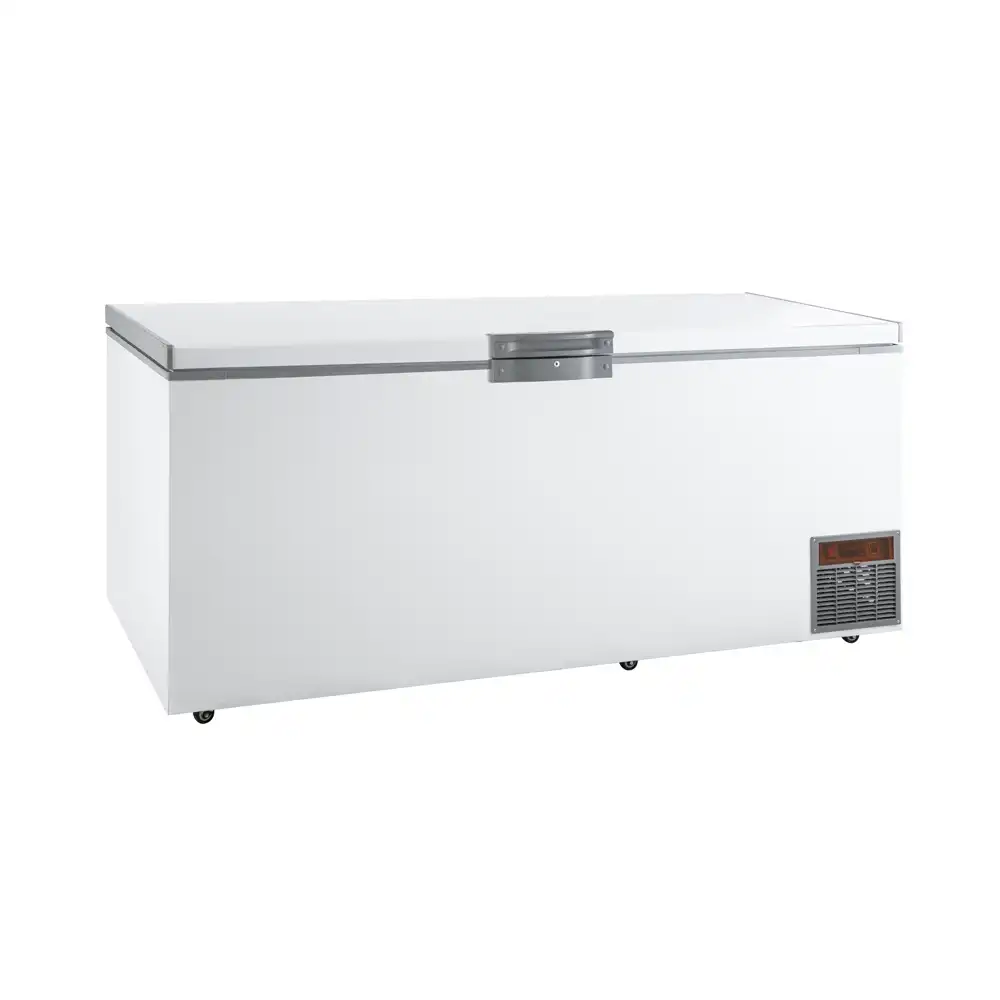
What Makes Ultra-Low Temperature Equipment Different From Standard Freezers
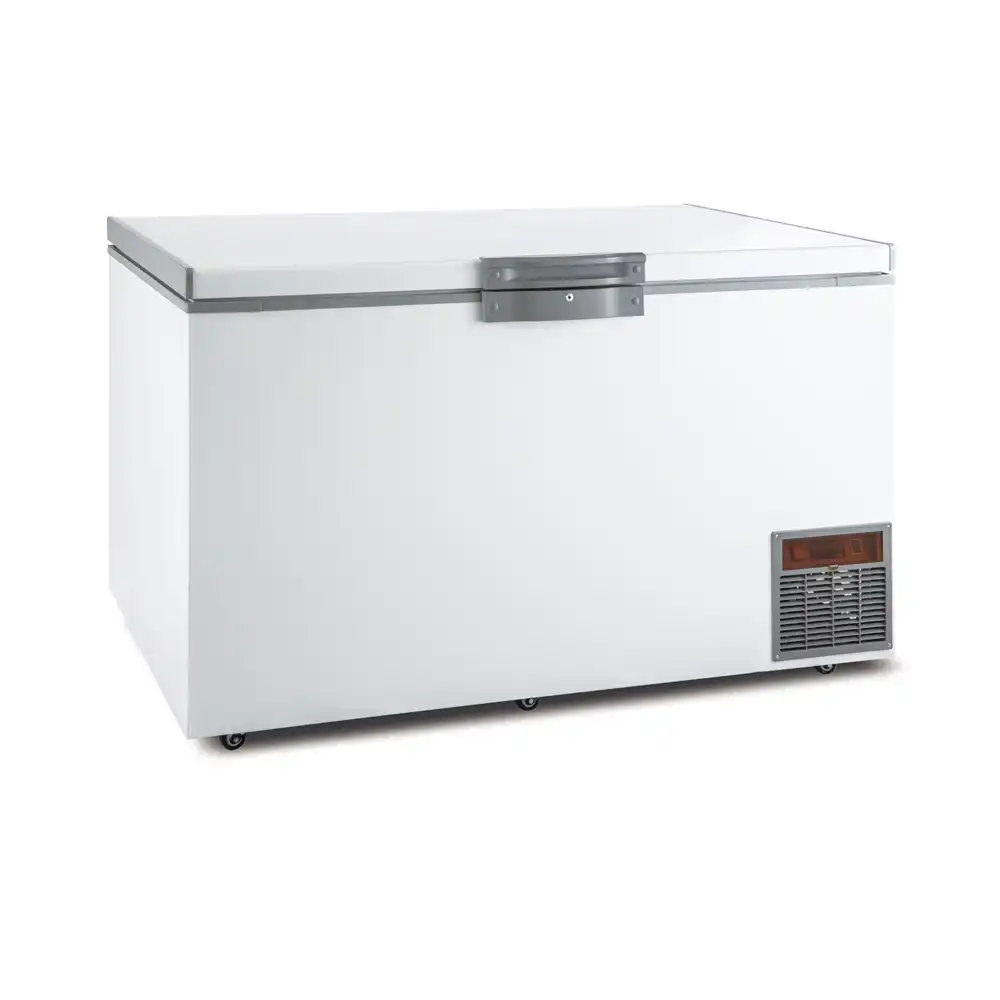
Hazards multiply when temperatures drop below -30°C. At -40°C, common elastomeric door gaskets begin to stiffen. At -60°C, condensation freeze-thaw cycling can wedge doors shut or crack plastic components if air exchange is not managed. Our Camay ULT series uses a double door seal design with a safety lock and air pressure balance valve precisely because an operator who forces a frozen door risks flinging a heavy steel panel into themselves or a colleague.
Three failure modes dominate incident reports we review with partners. First, direct cold-contact injury from bare metal shelving or inner walls, which occurs faster than pain sensation. Second, atmospheric oxygen condensation inside poorly maintained units creating a fuel-rich environment if oils or reactive chemicals are stored nearby. Third, thermal shock fracturing of glass containers or plastic racks when room-temperature items are loaded too quickly. A standard commercial freezer at -22°C triggers none of these at the same severity, which is why generic freezer SOPs do not translate.
| Risk Factor | Standard Freezer (-22°C) | ULT Freezer (-45°C to -86°C) |
|---|---|---|
| Skin freeze time | 2–3 minutes on metal contact | Under 30 seconds |
| Gasket compliance | Remains flexible | Requires periodic warming cycle check |
| Condensation freeze risk | Low | High — demands strict door discipline |
| Glass container safety | Acceptable with tempered glass | Only borosilicate or reinforced polymer |
Our factory testing simulates repeated rapid door cycling during power interruptions because that is where real-world incidents cluster. A unit that holds temperature perfectly in a steady-state lab still needs its door interlock and alarm logic validated under panic conditions — the kind triggered by a junior operator in a rush during shift change.
Personal Protective Equipment That Actually Works at Cryogenic Temperatures
Standard cold-room gear fails at ULT ranges. Cotton gloves absorb moisture and freeze against skin. Leather hardens. We require multilayer protection that accounts for both contact risk and manual dexterity: a thin nitrile inner glove for liquid barrier, a mid-layer insulating glove rated to at least -80°C with a gauntlet extending past the wrist, and an outer chemical-resistant glove if working with liquid nitrogen or condensate.
Face shields, not just safety glasses, matter when transferring racks. A splash of liquefied gas from a ruptured tube vaporizes instantly but the cold shock can crack polycarbonate lenses. We specify full-face polycarbonate visors with anti-fog coating because a fogged visor leads to instinctive removal and that removes protection at the worst moment.
Footwear rules surprise many new operators. Enclosed leather or composite boots without exposed metal eyelets are the baseline. At -60°C, a spilled vial that rolls under a footrest freezes to the sole’s contact point; we have seen soles delaminate from thermal contraction mismatch. A simple boot cover or overshoe with a textured grip avoids this entirely.
Clothing should be tucked, not layered loosely. A loose-fitting lab coat sleeve can catch a door latch or sweep a rack out of alignment during loading. Elastic cuffs and fitted sleeves sound trivial until you see the CCTV footage of a rack sliding out because a sleeve hooked a shelf lip.
Pre-Operation Inspection Sequence
Before any shift that involves ULT access, run a five-minute checklist in the exact same order. Variability kills compliance.
- Door seal integrity: right after defrost cycle, wipe the gasket face and frame mating surface with a dry microfiber cloth. Feel for flat spots. A stiffened seal that passes a visual check still leaks enough to quadruple compressor duty cycle.
- Interior frost accumulation: heavy frost on the inner walls above what a weekly defrost should leave signals air ingress. Trace it to a door that was closed incompletely or a breached port plug. Ignore this and the next person who opens the door trades cold retention for a slab of ice that locks shelves.
- Alarm system test: trigger the door-open alarm by leaving the door ajar for the preset delay. Confirm the audible and visual indicators reach the supervisor station and that the control panel signals a power-loss simulation. A dead battery in a remote alarm unit is the most common single-point failure we uncover during partner audits.
- Temperature trend review: read the last 24-hour graph. A sawtooth pattern indicates hunting — often a sensor placement issue or dirty condenser coil. A gradual upward drift past 5°C from setpoint demands an immediate service call before loading expensive inventory.
- Emergency access clearance: ensure the area in front of the unit is clear and that the emergency shut-off switch is unobstructed and labelled. In tight galley kitchens or shared prep areas, boxes migrate in front of panels overnight.
If your program involves high-value pharmaceutical or marine product storage with chain-of-custody requirements, it is worth confirming your alarm escalation protocol with the manufacturer before finalizing your BOM. Reach out at Sales@hzcamay.com.
Safe Loading, Unloading, and Daily Operation
Load pre-cooled items only. A room-temperature 25 kg container dropped onto a -60°C shelf creates a microclimate that trips the compressor into sustained high-load operation and stresses adjacent frozen product. Pre-cooling to at least -10°C in a staging freezer cuts the thermal shock by more than half, based on our internal observation of pull-down time across DW45 series units.
Rack handling uses two hands and a steady pull. The instinct to jerk a stubborn rack free is dangerous because the bottom runner can catch a weld bead or frost ridge. We have seen a fully loaded 40 kg rack tip forward when the lower rail seized and the operator pulled upward instead of outward. Use a second person if the rack exceeds 15 kg or if visibility is limited.
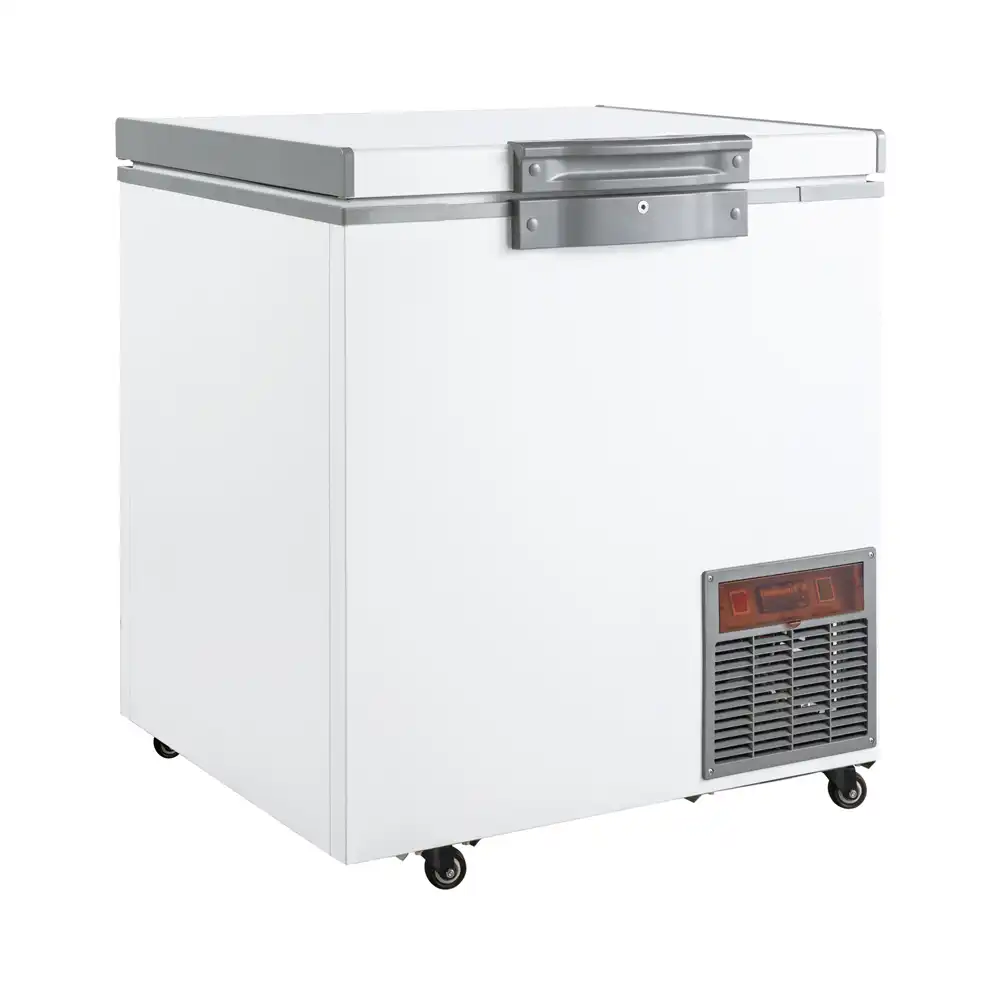
Close the door deliberately and verify latch engagement. A partially closed door feels closed but the magnetic gasket has not seated. Count three seconds after closing; you will often hear the vacuum equalization port hiss as the internal pressure adjusts. If you do not hear that hiss after a rapid temperature drop cycle, the door is not sealed.
Frost removal cycles should be scheduled, not improvised. Scraping heavy frost with metal tools gouges the polyurethane foam insulation and creates a condensation path that progressively worsens efficiency. We recommend a controlled warm-up to -5°C with absorbent trays catching meltwater, followed by a wipe-down with isopropyl alcohol and a lint-free cloth. This is not a maintenance afterthought; it is an operational procedure that prevents ice bridging across shelf supports and the subsequent rack collapse risk.
Inventory placement inside the unit follows a simple rule: heaviest items on the lowest shelf, spaced to allow airflow from the fan coil. Blocking the return air path with a solid box creates a temperature dead zone that can exceed 10°C above setpoint within two hours. Our service team has found this as the root cause in more than a dozen partner complaints of “unit not holding temperature” where the refrigeration system tested fully functional.
Emergency Response When Something Goes Wrong
Cold-contact injury protocol must be posted on or beside every ULT unit. If skin contacts a surface below -30°C, do not rub the area. Do not apply direct heat such as a hot water bottle or hairdryer because the thawing gradient damages tissue more than the freeze itself. Remove constrictive jewellery or clothing near the site. Wrap loosely in a dry blanket and immerse the affected area in lukewarm water — 37°C to 40°C, no hotter — until colour and sensation return. Call for medical evaluation even if the injury appears minor; deep tissue damage is not immediately visible.
For a power failure or alarm trigger outside operating hours, the protocol depends on how quickly you can respond. A well-insulated ULT unit with the door closed holds safe temperature for at least four to six hours at -60°C settings. Our Camay models with polyurethane-cyclopentane foam and a tight double seal routinely exceed that in ambient conditions up to 35°C. If power restoration is uncertain beyond that window, transfer priority inventory to a backup unit or arrange dry ice packing. Dry ice in a sealed ULT chamber must be bagged in vented containers to prevent CO2 pressure buildup against the door.
Chemical spills inside the chamber are a special case because many organic solvents become viscous at low temperature and increase vapour pressure upon warming. Leave the door closed, de-energize the unit, and contact your safety officer before opening. In a production kitchen where ethanol-based extracts or volatile marinades are stored in small volumes, this scenario is unlikely but must be rehearsed once a year.
Fire safety near ULT equipment is often misunderstood. The compressor and condenser fan are the only ignition sources, and they are sealed. However, a catastrophic refrigerant leak from a damaged capillary tube can displace oxygen in a confined walk-in area. Any unit in a space smaller than 4 cubic metres per kilogram of refrigerant charge should have active oxygen depletion monitoring.
Common Questions About Ultra-Low Temperature Equipment Safety
Is standard freezer PPE enough for ULT equipment?
No. Standard gloves rated to -20°C lose flexibility at ULT temperatures and will not prevent a contact freeze if you grip a rack for more than a few seconds. You need a layered system with an inner liquid barrier and an outer cryogenic-rated glove extending past the wrist. Facial protection also steps up from safety glasses to a full-face shield because a fractured sample tube releases liquefied gas that shocks polycarbonate lenses and skin equally.
How often should ULT freezer alarms be tested?
Every week at minimum, and after any cleaning procedure that disturbs the door alignment. A monthly test is not adequate because a dead backup battery or a disabled buzzer leaves you with silent escalation failures for weeks. We also recommend a quarterly simulation that triggers the alarm during low occupancy so you can time how long it takes for the designated responder to arrive from the farthest point in the facility. That number drives your emergency response threshold.
Can I stack units to save floor space without compromising safety?
Stacking is possible only if both the manufacturer’s specification and local fire codes allow it, and only with a rigid stacking frame that locks the upper unit laterally. A freestanding ULT unit placed on top of another without coupling hardware risks toppling during a seismic event or if someone leans into the upper door while it is open. We have engineered stacking kits for our own DW45 series that integrate vibration dampening and anti-tip brackets; contact our engineering team with your floor layout and we will confirm feasibility and load ratings. Share your part number and quantity at Sales@hzcamay.com or call +8618157202219.
If you’re interested, check out these related articles:
Ultimate Buyers Guide for Commercial Reach In Refrigerators
Choosing the Best Commercial Reach In Fridge for Your Restaurant
Optimizing Kitchen Efficiency with Integrated Worktop Refrigeration
Heavy Duty Chef Base Refrigeration for Efficient Commercial Kitchens
How to Choose the Best Chef Base Refrigerator for Your Kitchen