

Selecting the appropriate commercial reach-in refrigerator is a critical decision for any food service operation. As someone with 28 years in the refrigeration industry, I understand the complexities involved in this purchase. This guide provides comprehensive insights, helping you navigate the options and make an informed choice that supports your business’s efficiency and food safety standards. We will explore key features, types, and maintenance to ensure your investment serves you well.
Understanding the Importance of Commercial Reach-In Refrigerators
1. Why Reliable Refrigeration is Crucial for Food Service Businesses
Food safety and quality are paramount in the food service industry. Commercial reach-in refrigerators maintain precise temperatures, preventing bacterial growth and preserving ingredients’ freshness. Inadequate refrigeration leads to spoilage, health code violations, and significant financial losses. A reliable unit safeguards your inventory, protects your customers, and maintains your establishment’s reputation. It forms the backbone of efficient kitchen operations, ensuring ingredients are always ready for use.
2. The Role of Reach-In Refrigerators in Commercial Kitchens
Reach-in refrigerators serve as the primary storage solution for most perishable goods in commercial kitchens. They offer immediate access to ingredients, streamlining workflows and enhancing productivity. These units are designed for heavy-duty use, featuring robust construction and powerful cooling systems that withstand demanding environments. Their strategic placement optimizes kitchen layout, reducing steps and improving overall operational flow. We see them as indispensable tools for daily kitchen activities.
For more details on optimizing kitchen efficiency, consider reading Optimizing Kitchen Efficiency: The Ultimate Guide to Worktop Combination Solutions.
Key Factors to Consider When Choosing a Commercial Reach-In Refrigerator
1. Assessing Your Capacity and Size Requirements
Determining the correct capacity and size prevents both overcrowding and wasted space.
1. Evaluate your menu and inventory volume: Consider the types and quantities of ingredients you store daily.
2. Measure available kitchen space: Account for height, width, and depth, including door clearance.
3. Plan for future growth: Choose a unit that can accommodate increased demand.
A larger capacity may seem appealing, but it can lead to higher energy costs if not fully utilized. Conversely, an undersized unit creates logistical challenges and compromises food safety.
2. Evaluating Different Types of Refrigeration Systems
Commercial refrigerators primarily use two types of refrigeration systems: self-contained and remote.
1. Self-contained systems: These units have all components—compressor, condenser, evaporator—integrated within the cabinet. They are easier to install and move but can generate more heat and noise in the kitchen.
2. Remote systems: The condensing unit is located outside the kitchen, reducing heat, noise, and energy consumption inside. Installation is more complex and costly, but they offer a quieter, cooler kitchen environment.
We typically recommend self-contained units for smaller operations due to their simplicity and lower initial cost.
3. Understanding Refrigerant Types and Environmental Impact
Refrigerants are crucial for cooling, but their environmental impact varies.
1. Hydrofluorocarbons (HFCs): Older units often use HFCs like R-134a, which have high global warming potential.
2. Hydrocarbons (HCs): Newer, eco-friendly options like R290 (propane) and R600a (isobutane) have significantly lower environmental impact and higher energy efficiency.
Many of our products, like the Camay Commercial Worktop Refrigerator Cooler Fridge (Model MWTF-27-L), utilize R290 refrigerant. Choosing R290 reduces your carbon footprint and often lowers operating costs.
4. Material and Construction: Stainless Steel vs. Other Options
The durability and longevity of a commercial refrigerator depend heavily on its construction materials.
1. Stainless steel: Both interior and exterior stainless steel (e.g., 304 or 430 grade) offers superior corrosion resistance, hygiene, and durability. It withstands harsh kitchen environments and is easy to clean.
2. Aluminum: Often used for interior liners, aluminum is lighter and less expensive but less durable than stainless steel.
3. Galvanized steel: Used for exterior backs or bottoms, it provides basic protection but is not suitable for food contact areas.
We prioritize stainless steel construction for its long-term reliability and sanitation benefits.
5. Energy Efficiency and Operating Costs
Energy consumption significantly impacts long-term operating costs.
1. Look for ENERGY STAR certification: These units meet strict energy efficiency guidelines set by the EPA.
2. Check insulation type: High-density, CFC-free polyurethane or cyclopentane foam insulation improves thermal retention.
3. Consider compressor efficiency: Modern compressors, such as Cubigel or Embraco, are designed for optimal performance with minimal energy use.
Investing in an energy-efficient model reduces utility bills and contributes to environmental sustainability. Many of our products, including the Camay 60” Countertop Refrigerated Chef Base (Model MAR-60A), are ENERGY STAR certified.
6. Door Configurations: Solid vs. Glass, Hinged vs. Sliding
Door type affects accessibility, visibility, and energy efficiency.
1. Solid doors: Offer better insulation, leading to lower energy consumption and more stable internal temperatures. They are ideal for back-of-house storage.
2. Glass doors: Provide product visibility, suitable for front-of-house display or quick inventory checks. They may be less energy-efficient due to heat transfer.
3. Hinged doors: Standard and robust, but require sufficient clearance for opening.
4. Sliding doors: Space-saving and convenient in tight kitchens, but seals may be less effective over time.
Consider your operational needs and kitchen layout when selecting door configurations.
7. Temperature Control and Monitoring Features
Precise temperature control is essential for food safety.
1. Digital thermostats: Provide accurate temperature readings and easy adjustments.
2. Temperature alarms: Alert staff to temperature fluctuations, preventing spoilage.
3. IoT and WiFi connectivity: Allow remote monitoring and management, providing real-time data and alerts.
These features enhance food safety compliance and operational control. Our Camay Commercial Solid Door Undercounter (Model MTR-72) offers optional IoT and WiFi functions for intelligent monitoring.
8. Essential Features for Durability and Ease of Use
Several features contribute to a unit’s durability and user-friendliness.
1. Self-closing doors: Prevent energy loss and ensure doors are always shut.
2. Recessed handles: Reduce protrusions, preventing accidents in busy kitchens.
3. Removable gaskets: Facilitate easy cleaning and replacement, maintaining hygiene.
4. Adjustable shelving: Allows flexible storage arrangements for various items.
5. Casters or legs: Provide mobility for cleaning or fixed stability.
These small details significantly impact daily operations and the unit’s lifespan.
Types of Commercial Reach-In Refrigerators Available
1. Full-Size Reach-In Refrigerators
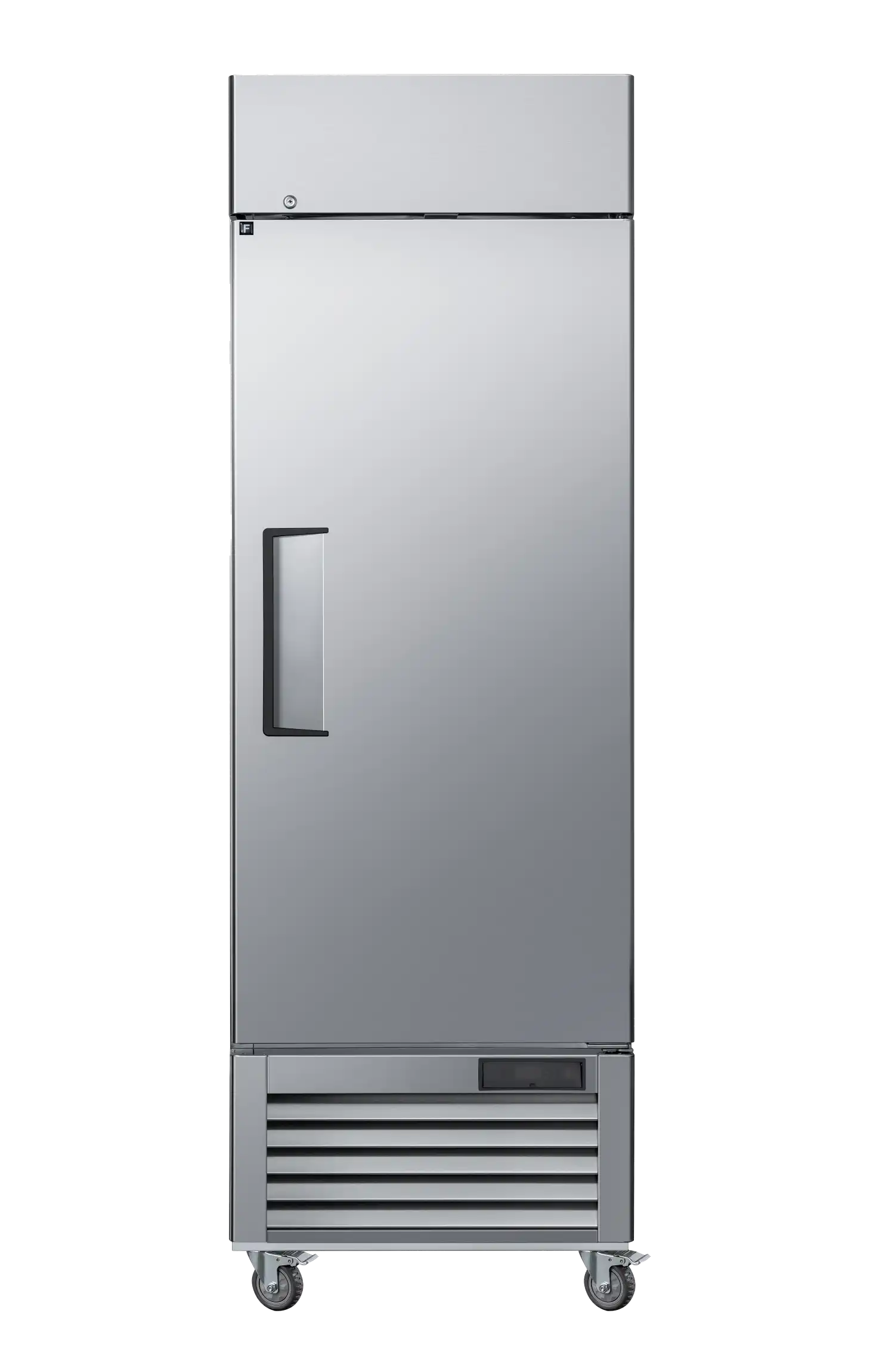
Full-size reach-in refrigerators are the workhorses of commercial kitchens. They offer substantial storage capacity, typically ranging from 20 to 70 cubic feet. These units come in single, double, or triple door configurations, accommodating diverse storage needs. They are ideal for high-volume establishments requiring extensive cold storage for bulk ingredients. We design these units for maximum efficiency and durability, often featuring top-mounted compressors for better performance in hot kitchens.
2. Undercounter and Worktop Refrigerators
Undercounter and Under Counter Refrigerator are compact units designed to fit beneath countertops, maximizing space efficiency. They provide convenient access to frequently used ingredients at prep stations. Worktop refrigerators combine refrigeration with a durable work surface, creating an integrated prep area. These are invaluable in kitchens with limited space, offering both storage and a functional workspace. The Camay Commercial Worktop Refrigerator Cooler Fridge (Model MWTF-27-L) exemplifies this dual functionality.
If you’re interested, check Boost Kitchen Efficiency with Integrated Worktop Refrigeration Solutions.
3. Chef Bases and Prep Tables
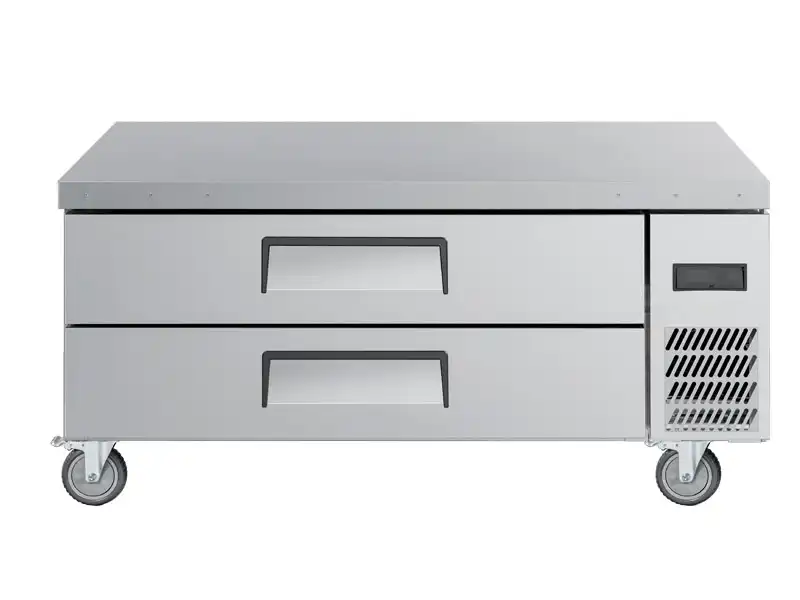
Chef bases are low-profile refrigerated drawers designed to support cooking equipment like griddles or charbroilers. They keep ingredients chilled directly beneath the cooking surface, minimizing movement and speeding up preparation. Prep tables, such as pizza or salad prep tables, include refrigerated storage compartments and a spacious work area with cut-outs for ingredient pans. These specialized units significantly enhance efficiency in specific culinary tasks. Our Camay 60” Countertop Refrigerated Chef Base (Model MAR-60A) offers a sturdy integrated worktop for heavy-duty prep tasks.
4. Specialty Reach-In Units (e.g., Freezers, Display Coolers)
Beyond standard refrigerators, specialty units cater to unique commercial needs.
1. Commercial freezers: Maintain ultra-low temperatures for long-term preservation of frozen goods. Our Undercounter Refrigerator Freezer (Model MTF-48) offers freezing capabilities.
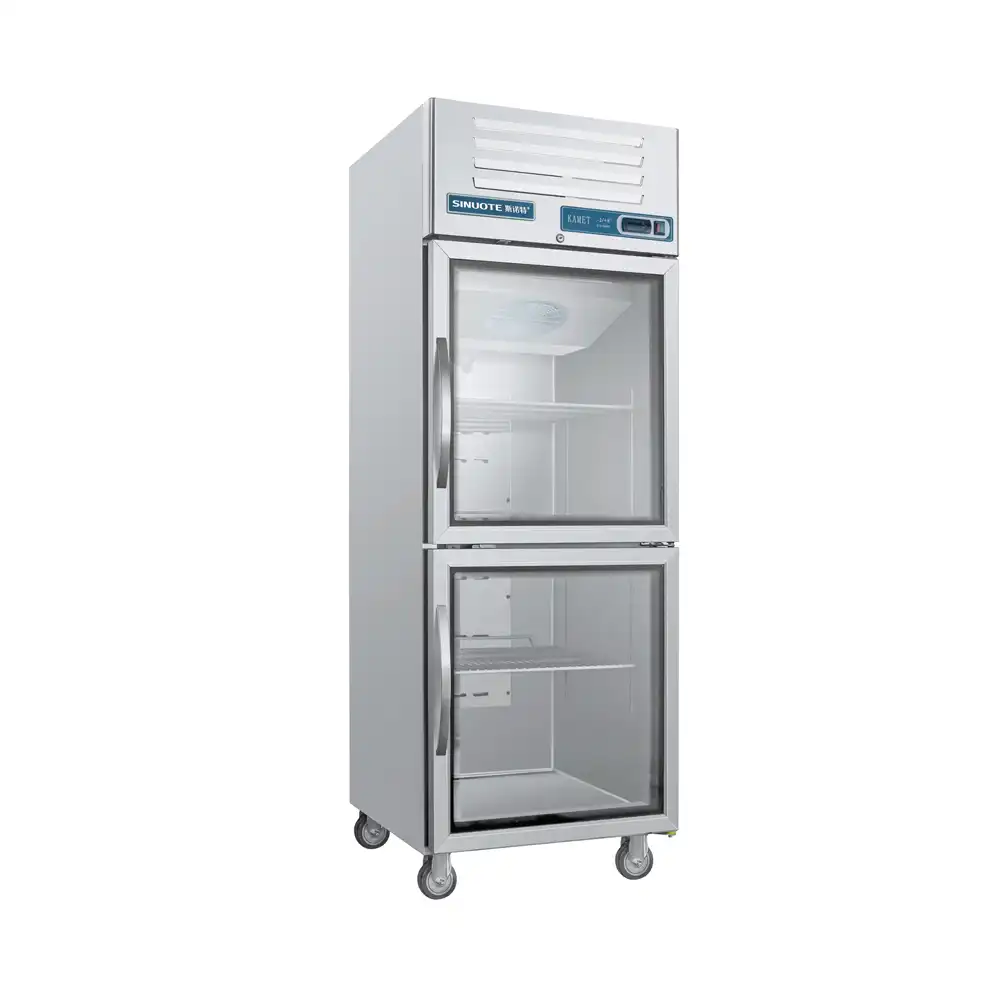
2. Display coolers: Feature glass doors to showcase products like beverages, desserts, or deli items, often found in retail or front-of-house areas.
3. Wine coolers: Designed to maintain specific humidity and temperature levels for wine storage.
4. Blast chillers: Rapidly cool hot foods to safe temperatures, preventing bacterial growth and preserving food quality.
Each specialty unit addresses specific operational requirements.
Installation, Maintenance, and Longevity of Your Investment
1. Proper Placement and Ventilation for Optimal Performance
Correct installation is crucial for efficiency and lifespan.
1. Ensure adequate clearance: Allow sufficient space around the unit for proper airflow and heat dissipation.
2. Avoid heat sources: Do not place refrigerators near ovens, grills, or direct sunlight.
3. Level the unit: Use a level to ensure the refrigerator stands evenly, preventing strain on components and ensuring proper door sealing.
Proper ventilation prevents the compressor from overheating, extending its life and maintaining cooling efficiency.
2. Routine Cleaning and Maintenance Practices
Regular maintenance extends the life of your unit and ensures optimal performance.
1. Clean condenser coils regularly: Dust and grease accumulation reduce efficiency and increase energy consumption.
2. Inspect door gaskets: Ensure a tight seal to prevent cold air from escaping. Replace worn gaskets promptly.
3. Clean interior surfaces: Prevent odors and maintain hygiene by regularly wiping down shelves and walls.
4. Check drain pans and lines: Clear any blockages to prevent water accumulation and potential leaks.
Proactive maintenance minimizes breakdowns and costly repairs.
3. Understanding Warranty and After-Sales Support
A comprehensive warranty and reliable after-sales support are vital.
1. Review warranty terms: Understand coverage for parts, labor, and compressor. Standard warranties typically range from 1 to 5 years.
2. Check service network: Ensure the manufacturer or supplier has a readily available service network for repairs and parts.
3. Inquire about technical support: Access to knowledgeable support helps troubleshoot issues quickly.
We offer a 13-month after-sales service with free spare parts and permanent online technical support for our products.
4. Certifications and Compliance Standards (ETL, ENERGY STAR, etc.)
Certifications indicate adherence to safety, sanitation, and energy efficiency standards.
1. ETL Sanitation (NSF equivalent): Ensures the unit meets public health and safety standards for food equipment.
2. ETL Safety: Confirms compliance with electrical safety standards.
3. ENERGY STAR: Denotes superior energy efficiency, reducing operational costs and environmental impact.
4. CE, IEC-CB, PSE, SAA, KC, NOM, EAC: Various international certifications for different markets.
These certifications guarantee product quality and compliance. Our Camay ETL Certified Commercial Refrigeration Equipment: High Efficiency and Energy Saving, Boosting the Food Service Industry are certified by multiple international bodies.
Making the Right Choice for Your Business Needs
1. Budgeting for Your Commercial Reach-In Refrigerator
Budgeting involves more than just the purchase price.
1. Initial cost: Compare prices from different suppliers and models.
2. Operating costs: Factor in energy consumption, which can be a significant long-term expense.
3. Maintenance and repair costs: Consider the availability and cost of spare parts and service.
4. Lifespan: A more expensive, durable unit with lower operating costs may be more economical in the long run.
We recommend a holistic view of costs to ensure a sound investment.
2. Comparing Brands and Supplier Reputation
Choosing a reputable brand and supplier ensures quality and support.
1. Research brand reputation: Look for brands known for reliability, durability, and customer satisfaction.
2. Evaluate supplier experience: A supplier with extensive industry experience, like Zhejiang Kaimei Catering Equipment Co., Ltd. with 26 years, offers valuable expertise and support.
3. Read reviews and testimonials: Gain insights from other business owners’ experiences.
A strong supplier relationship can provide peace of mind and access to expert advice.
3. Customization Options and OEM/ODM Services
Some businesses have unique requirements that standard units cannot meet.
1. Custom dimensions: Tailor units to fit specific kitchen layouts or spatial constraints.
2. Specialized features: Request specific shelving configurations, door types, or temperature ranges.
3. OEM/ODM services: Manufacturers like us offer Original Equipment Manufacturer (OEM) and Original Design Manufacturer (ODM) services to create bespoke solutions.
Customization ensures the refrigerator perfectly integrates into your operations, optimizing efficiency.
Contact Us for Your Refrigeration Needs
Choosing the right commercial reach-in refrigerator is a strategic decision that impacts your business’s efficiency, food safety, and bottom line. We invite you to contact ZHEJIANG KAIMEI CATERING EQUIPMENT CO., LTD. for expert guidance and high-quality refrigeration solutions. Our team is ready to assist you with customized options and reliable support. Reach us at Phone: +86 181 5720 2219 or Email: Sales@hzcamay.com.
About the Author
David Qian has a background in refrigeration equipment and 28 years of experience in the refrigeration industry. His expertise encompasses the design, manufacturing, and application of commercial refrigeration solutions, providing him with a deep understanding of industry best practices and emerging technologies.
FAQs
1. What is the ideal temperature range for a commercial reach-in refrigerator?
The ideal temperature range for a commercial reach-in refrigerator is 0.5°C to 5°C (33°F to 41°F). This range is critical for inhibiting bacterial growth and ensuring the safe storage of most perishable foods, complying with food safety regulations. Maintaining consistency within this range is key to preserving food quality and extending shelf life.
2. How often should I defrost my commercial reach-in freezer?
Most modern commercial reach-in freezers feature automatic defrost systems, eliminating the need for manual defrosting. If your unit has a manual defrost, you should defrost it when ice buildup exceeds a quarter-inch (about 0.6 cm) on the evaporator coils. Excessive ice reduces efficiency and increases energy consumption.
3. What are the benefits of R290 refrigerant?
R290 refrigerant (propane) offers several benefits, including a significantly lower global warming potential compared to traditional HFC refrigerants. It is also highly energy-efficient, leading to reduced operating costs. Its natural properties make it an environmentally friendly choice, aligning with sustainability goals and evolving regulations.
4. Can I convert a commercial refrigerator into a freezer?
No, you cannot convert a commercial refrigerator into a freezer. Refrigerators and freezers operate at different temperature ranges and utilize distinct refrigeration cycles and insulation levels. Attempting to convert a refrigerator to a freezer would compromise food safety and likely damage the unit due to inadequate cooling capacity and insulation.
5. What certifications should I look for in a commercial refrigerator?
You should look for certifications such as ETL Sanitation (equivalent to NSF) for food safety, ETL Safety for electrical compliance, and ENERGY STAR for energy efficiency. These certifications ensure the unit meets rigorous industry standards for performance, safety, and environmental responsibility, providing assurance of quality and reliability.