
I’ve walked through enough hotel kitchens to know that ice is the quiet workhorse behind a great guest experience—cocktails look crisper, prep runs faster, and buffets stay sharp when the ice supply is steady and clean. The right ice maker doesn’t just freeze water; it shapes service quality, workflow efficiency, and operating costs. Choosing well means balancing capacity, ice type, energy use, durability, installation realities, and hygiene standards. Below, I’ve distilled what hotel kitchen managers should consider, along with a practical, field-proven option that consistently delivers under pressure.
Why Choosing the Right Ice Maker is Crucial for Hotel Operations
1. Understanding the Impact of Reliable Ice Production on Guest Experience
Reliable ice availability directly affects satisfaction. Guests expect ice on-demand—in rooms, at the bar, and in dining spaces. When ice runs short or quality slips, complaints follow. Clean, well-formed ice elevates beverage taste and presentation, reinforcing your standards; shortages or cloudy, off-tasting ice do the opposite and quickly erode confidence.
2. The Role of Ice Makers in Efficient Hotel Kitchen Workflows
Beyond guest-facing service, ice is essential in the back of house. Kitchens rely on it to chill ingredients fast, assemble cold dishes, and maintain food safety during transport or on display. A dependable ice maker smooths workflows, prevents bottlenecks, and protects food quality. Strong production also limits manual labor and reduces dependency on ice deliveries—keeping operating costs in check.
Key Factors to Consider When Selecting an Ice Maker for Hotels
1. Assessing Daily Ice Production Capacity and Storage Needs
Sizing capacity correctly is critical. Overspec, and you’ll pay more up front and burn excess energy; underspec, and you’ll face shortages and disruptions. Calculate peak demand by factoring in occupancy, outlets, and events. A practical rule of thumb: 3–5 lbs of ice per guest room per day, with additional allowances for bars, restaurants, and catering. Match storage to peak demand so you don’t run out during rush periods.
2. Evaluating Different Types of Ice and Their Hotel Applications
Hotels use multiple ice types, each with its strengths.
* Cube Ice: The versatile standard for beverages and cocktails; slow melt preserves drink quality.
* Flake Ice: Soft and moldable, ideal for displays, salad bars, and medical use; chills quickly without bruising delicate items.
* Nugget Ice: Chewable and popular in sodas and blended drinks; guests love the texture.
* Gourmet Ice (Top Hat Ice): Clear, dense, slow-melting—perfect for premium beverages and fine dining.
Map ice types to each department’s primary use to choose the best fit—or combination.
3. Understanding Energy Efficiency and Operational Costs
Energy use is a major part of ownership cost. Look for efficiency features and certifications. ENERGY STAR models signal lower consumption. Performance is influenced by compressor efficiency, insulation, and refrigerant choice—R290 refrigerant is notably efficient and environmentally friendly. When you calculate total cost of ownership (TCO), include purchase price, energy, maintenance, and water usage.
4. Prioritizing Durability and Ease of Maintenance
Hotel operations are demanding; the equipment has to be tougher. Stainless steel construction resists wear and corrosion. Maintenance-friendly features—removable parts and self-cleaning cycles—save labor and extend service life. We prioritize long-lifespan builds and straightforward servicing.
5. Considering Installation Requirements and Space Constraints
Measure twice. Confirm footprint, ventilation needs, and connections for water, drain, and power. Air-cooled units need clear airflow; water-cooled units need steady supply and drainage. Modular setups give flexibility by separating the machine head from the storage bin. Good installation protects performance and prevents overheating.
6. Ensuring Compliance with Hygiene and Safety Standards
Hygiene is non-negotiable. Choose ice makers that meet NSF standards. Antimicrobial surfaces, removable parts for deep cleans, and robust filtration help keep ice pure. Consistent cleaning and maintenance protocols are essential to prevent bacterial growth and safeguard food safety.
Types of Ice Makers Best Suited for Hotel Kitchens
1. Exploring Modular Ice Makers for High-Volume Needs
Modular units pair a separate ice head with a storage bin, allowing you to scale production and place components where they make the most sense. High-demand hotels favor modular builds for volume, efficiency, and easier service or upgrades over time.
2. Understanding Undercounter Ice Makers for Bar and Service Areas
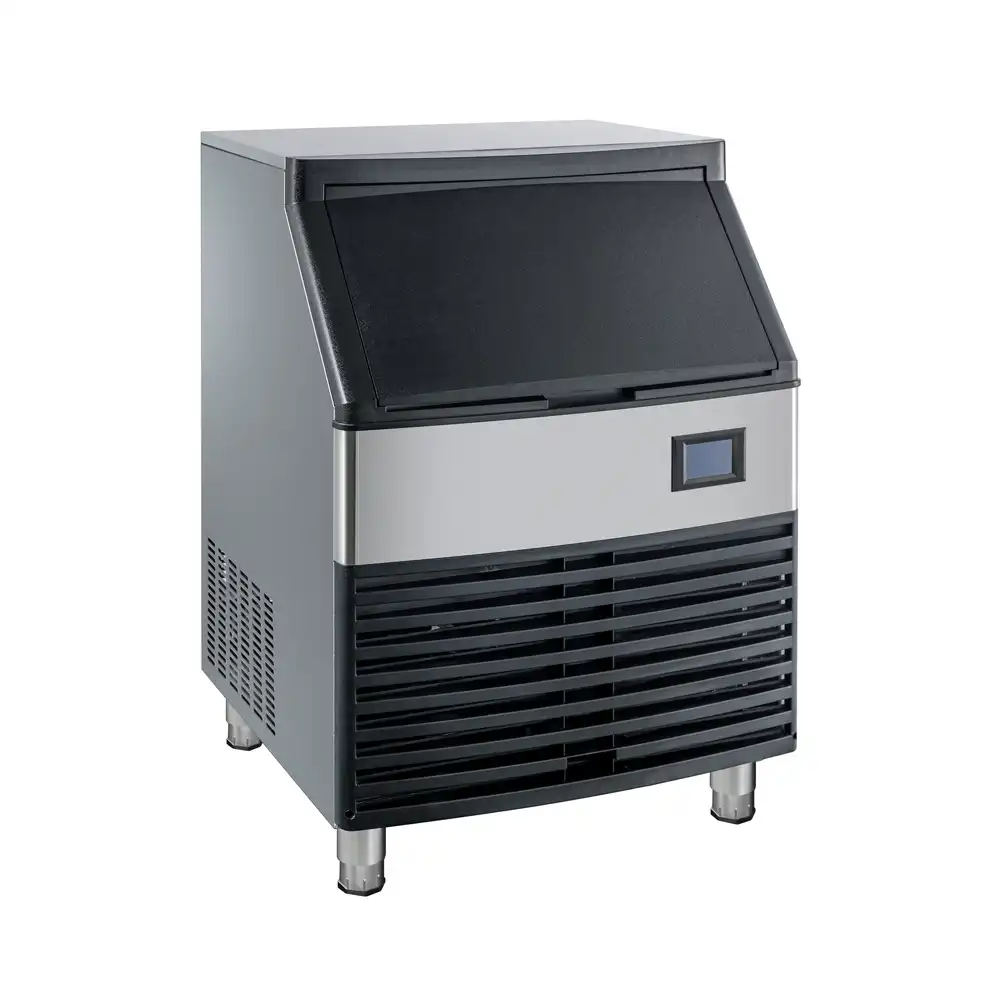
Undercounter machines tuck neatly beneath bars, cafés, and service counters. They’re self-contained, deliver moderate production close to the point of use, and preserve floor space—excellent for busy drink stations.
3. The Benefits of Self-Contained Ice Makers for Versatility
Self-contained units combine production and storage in one cabinet. They’re ideal where space is tight or where a dedicated supply is needed—think small kitchens, guest-floor pantries, or staff rooms. Installation and daily operation are straightforward.
4. Specialized Ice Makers for Specific Hotel Departments
Some departments have unique needs. Spas may rely on flake ice for cold therapies; seafood restaurants benefit from flake ice for attractive, temperature-stable displays. Tailor your mix by department to get the most from your system.
Essential Features and Technologies in Modern Hotel Ice Makers
1. Advanced Filtration Systems for Purity and Taste
Water quality drives ice quality. Integrated or external filters remove sediment, chlorine, and off-odors, producing clear, clean-tasting ice. Strong filtration also helps prevent scale buildup and extends equipment life.
2. Self-Cleaning Functions for Enhanced Hygiene
Automated self-cleaning cycles flush and sanitize internal components on a schedule, reducing manual workload and keeping hygiene consistent. This is foundational for food safety and smooth operations.
3. Digital Controls and Smart Monitoring Capabilities
Digital controls provide precise production and temperature settings. Higher-end models add IoT/WiFi monitoring for remote performance checks, proactive alerts, and energy optimization—useful for predictive maintenance and minimizing downtime.
4. Eco-Friendly Refrigerants and Insulation for Sustainability
Refrigerant choice affects both efficiency and environmental footprint. R290, a natural hydrocarbon, offers excellent thermodynamics with very low GWP. We utilize R290 in many of our products, including the Cube Ice Making Machine (FB210A). Solid insulation—such as polyurethane/cyclopentane foam—locks in temperatures and trims energy usage.
Optimizing Your Ice Maker Investment: Tips for Procurement and Maintenance
1. Calculating the Total Cost of Ownership (TCO)
TCO covers far more than purchase price. Include energy, water, routine maintenance, and repair risk over the lifespan. A careful TCO analysis often makes the case for better-built, energy-efficient models that save substantially over time.
2. Implementing a Proactive Maintenance Schedule
Staying ahead of maintenance prevents breakdowns and extends service life. Plan regular cleaning, timely filter changes, and professional inspections. Well-maintained machines run more efficiently and make better ice. If you’re interested, check Essential Maintenance Tips for Commercial Reach In Refrigerators
3. Training Staff on Proper Operation and Cleaning
Good training pays for itself. Make sure staff follow daily cleaning steps, know basic troubleshooting, and report issues early. This reduces avoidable problems and keeps ice quality consistently high.
4. The Importance of Manufacturer Support and Warranty
Choose brands that stand behind their equipment with strong warranties and responsive support. A solid warranty protects your investment, and dependable technical help shortens any downtime. We provide 13-month after-sales service with free spare parts and permanent online technical support for our products.
Camay’s Cube Ice Making Machine: An Ideal Solution for Hotel Kitchens
We understand the rigorous demands of hotel kitchens. Our Cube Ice Making Machine (Model FB210A) exemplifies efficiency, reliability, and hygiene, making it an excellent choice for hospitality environments.
| Specification | Details |
|---|---|
| Model No. | FB210A |
| Voltage/Frequency/Power | 220V / 50Hz / 700W |
| Cooling Way | Air cooling |
| Refrigerant | R290 |
| Compressor | CUBIGEL |
| Max Ice Output | 100 kg / 24 hours |
| Max Ice Storage | 45 kg |
| Ice Shape | Cube ice |
| Ice Cube Quantity per Tray | 6×18 pcs |
| Ice Size | 22×22×22 mm |
| Product Net Size | 660×670×940 mm (without feet) |
| Main Material | Food-grade 304 stainless steel / ABS & PE |
1. High-Performance Features for Demanding Hotel Environments
The FB210A’s LCD touch screen makes operation intuitive. A food-grade PE liner with whole-foaming technology and 304 stainless steel construction deliver durability and hygiene. The copper-nickel evaporator accelerates freezing and harvesting—vital for continuous production at peak times.
2. Efficiency and Reliability for Consistent Ice Production
A water-flow ice-making system boosts capacity by 10% versus comparable machines, helping ensure steady supply. Front air intake and side hot-air exhaust improve heat dissipation and extend service life. The result is consistent production with minimal downtime.
3. Design and Hygiene Benefits for Commercial Use
A self-cleaning function and advanced noise reduction cut operating sound by more than 15%. The removable anti-dust mesh simplifies upkeep and sustains performance. The space-saving footprint suits varied kitchen layouts, and larger models add height for greater capacity. These design choices support efficiency and strict hygiene compliance.
Enhance Your Hotel’s Operations with Premium Ice Makers
Choosing the right ice maker is a strategic decision that impacts your hotel’s efficiency, guest satisfaction, and bottom line. We offer a range of high-quality, reliable ice makers designed to meet the unique demands of the hospitality industry. Contact us today to discuss your specific needs and find the perfect solution for your hotel kitchen.
Phone: +8618157202219
Email: Sales@hzcamay.com
About the Author
David Qian brings 28 years of experience in the refrigeration industry to ZHEJIANG KAIMEI CATERING EQUIPMENT CO., LTD, where he specializes in professional one-stop-shop refrigeration equipment manufacturing. His deep understanding of commercial refrigeration ensures practical, reliable solutions for diverse catering needs.
FAQs
1. How often should a hotel ice maker be cleaned?
Clean at least every six months—more often if water quality is poor or usage is heavy. Wipe external surfaces daily, and regularly sanitize internal components to prevent mold, mildew, and bacterial growth. This protects guests and preserves ice quality.
2. What type of ice is most commonly used in hotels?
Cube ice is the go-to thanks to its versatility—ideal for beverages, cocktails, and general chilling. Flake and nugget ice also see frequent use for displays, blended drinks, and specific guest services.
3. How do I determine the right ice maker capacity for my hotel?
Start with peak daily demand: occupied rooms, dining venues, bars, and any catering. A common benchmark is 3–5 pounds of ice per occupied room per day, plus allowances for other operations.
4. What are the benefits of an R290 refrigerant in an ice maker?
R290 delivers strong energy efficiency and a very low global warming potential (GWP), making it more sustainable and typically less costly to operate due to reduced energy consumption.
5. Can a single ice maker serve multiple areas in a hotel?
It can, but distribution can become a bottleneck. To improve service and limit labor, consider placing multiple smaller units—such as Under Counter ice makers—closer to bars, pantries, or other points of use.