
Getting freezer placement right in a commercial kitchen feels like solving a puzzle where every piece has weight, temperature requirements, and a direct line to your profit margin. After years of watching restaurants struggle with cramped walk-ins and poorly positioned reach-ins, the pattern becomes clear: thoughtful freezer combinations do more than store food—they shape how smoothly an entire operation runs. This piece walks through the practical side of matching freezer types to kitchen layouts, with attention to workflow, food safety, and the numbers that actually matter for long-term returns.
Kitchen Space Constraints Shape Restaurant Success
Efficient commercial kitchen layout directly influences a restaurant’s operational success. Poor kitchen workflow optimization leads to bottlenecks, increased labor costs, and reduced service speed. Industry data suggests that roughly 70% of restaurant operational inefficiencies trace back to suboptimal kitchen layout and equipment placement. Maximizing your kitchen footprint goes beyond fitting equipment into available square footage. The goal is creating an environment where every movement serves a purpose. Staff should be able to complete tasks without doubling back, reaching awkwardly, or waiting for access to shared equipment. This kind of thoughtful design contributes significantly to overall operational efficiency in restaurants, and it starts with understanding what each freezer type brings to the table.
Matching Freezer Types to Your Kitchen Reality
Selecting the correct restaurant freezer types is crucial for optimizing kitchen space and functionality. Each freezer type offers distinct advantages depending on storage needs and available area.
| Freezer Type | Typical Application | Space Footprint | Energy Consumption (Relative) | Key Feature |
|---|---|---|---|---|
| Reach-in Freezers | General storage, quick access | Medium | Medium | Vertical storage, easy access |
| Walk-in Freezers | Bulk storage, large volume | Large | Low (per unit volume) | High capacity, customizable |
| Under-counter Freezers | Prep stations, point-of-use storage | Small | Medium | Integrated work surface |
| Blast Chillers | Rapid cooling, food safety | Medium | High (during operation) | Fast temperature reduction |
| Modular Systems | Flexible configurations, adaptable | Variable | Variable | Customizable, scalable |
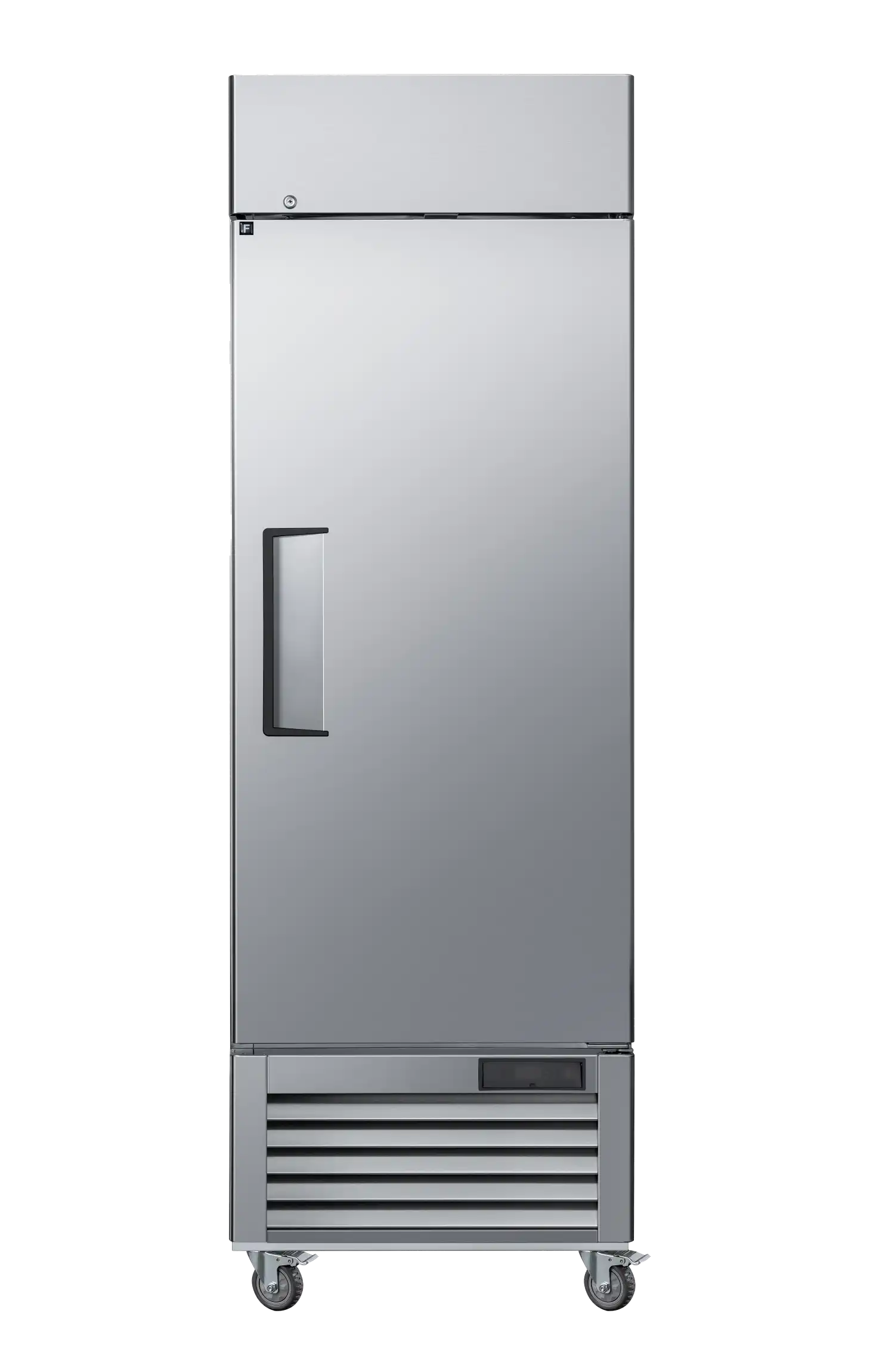
Reach-in freezers, such as the 1-Door Commercial Solid Door Freezer (Model MF-23), provide vertical storage that works well for frequently accessed items. Their compact design at 685×800×2115 mm allows them to fit into tighter spaces without dominating the floor plan. Walk-in freezers suit operations that need bulk storage and high capacity for large establishments.
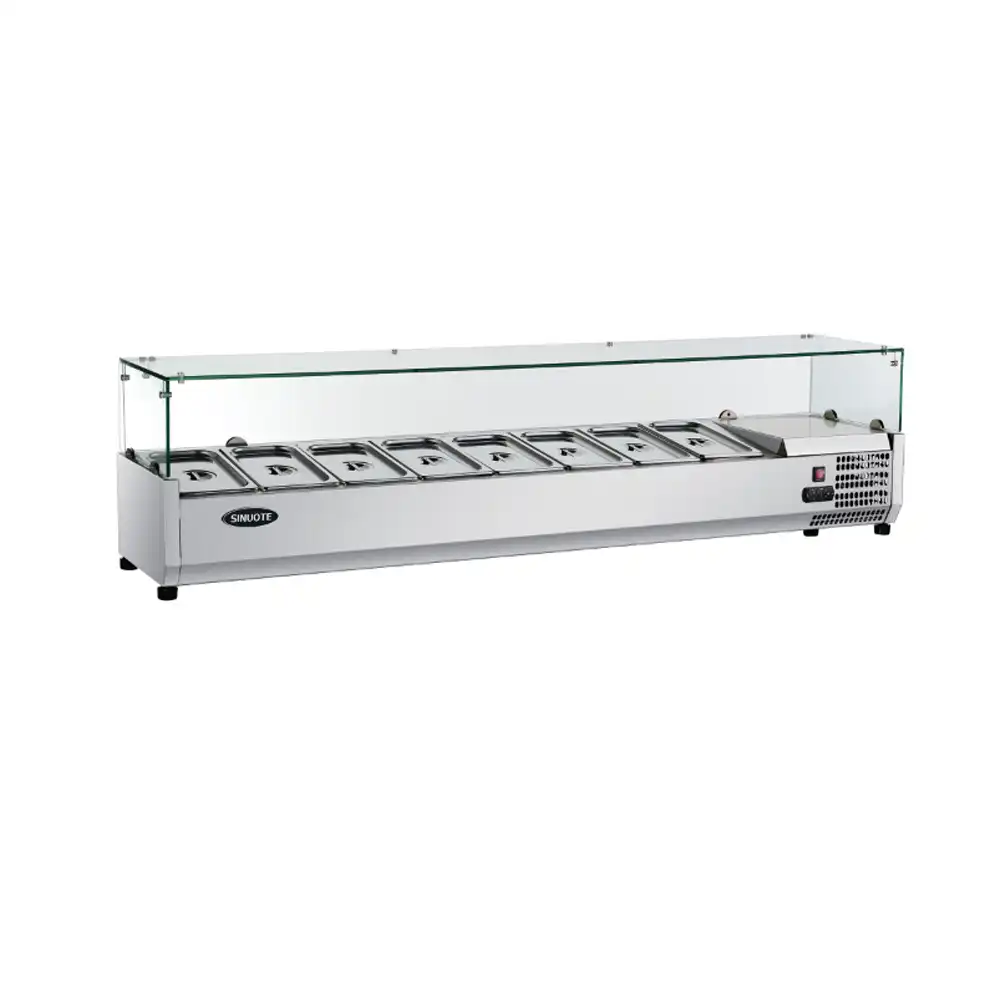
Under-counter freezers like the Camay Commercial Worktop Refrigerator Cooler Fridge (Model MWTF-27-L) or the 48 Undercounter Refrigerator Freezer (Model MTF-48) integrate seamlessly into prep lines. They provide convenient cold storage directly at the workstation, which matters when cooks need ingredients within arm’s reach during service.
Blast chillers rapidly cool hot foods, preventing bacterial growth and preserving food quality. The speed matters here—bringing cooked items through the temperature danger zone quickly is a food safety requirement, not just a preference.
Modular freezer systems offer flexibility that fixed units cannot match. Restaurants can expand or reconfigure these systems as needs change, making them practical for maximizing kitchen space in irregular layouts or adapting to menu evolution. They also simplify maintenance and upgrades, which contributes to long-term operational efficiency.
What are the most space-efficient freezer combinations for a small restaurant kitchen?
For small restaurant kitchen design, combining under-counter, compact vertical, and drawer freezers offers optimal space utilization. Under-counter units like the Camay MTR-48 2-Door Commercial Undercounter Refrigerator provide both storage and a valuable work surface. Compact vertical freezers maximize vertical space without a large footprint. Drawer freezers integrate directly into prep tables, keeping ingredients accessible. These custom freezer configurations ensure that every inch serves a function, enhancing kitchen efficiency.
Consider exploring our range of undercounter refrigeration units for more space-saving options. 《Chef Base Fridge vs Undercounter Fridge Which Is Best for Your Kitchen》
Positioning Freezers to Support Natural Workflow
Integrating freezers effectively into your kitchen workflow is paramount for maximizing efficiency. Strategic placement reduces unnecessary movement and speeds up food preparation.
Placing a Chef Base refrigerator directly under a griddle or charbroiler minimizes steps for cooks. The Camay 60″ Countertop Refrigerated Chef Base (Model MAR-60A) exemplifies this approach, providing refrigerated storage and a sturdy worktop for prep in one unit. This integration can reduce prep time by roughly 15% in optimized kitchen layouts—a meaningful gain during peak service hours.
Proper food storage management ensures ingredients are always within reach, streamlining operations. The payoff shows up in faster ticket times and reduced labor strain. This kind of thoughtful design improves productivity and enhances the return on investment for kitchen equipment.
Temperature Control, Food Safety, and Environmental Impact
Modern freezer technology extends beyond simple storage, critically impacting food safety and sustainability. Advanced temperature control for freezers is essential for meeting HACCP standards, ensuring precise temperature maintenance throughout storage.
Current units feature smart digital temperature systems, with optional IoT and WiFi functions that allow for remote monitoring and management. This proactive approach helps prevent food spoilage and ensures compliance with stringent food safety regulations. When temperatures drift, alerts go out before product loss occurs.
Energy-efficient commercial freezers are vital for reducing operational costs and environmental impact. Units utilizing R290 refrigerant and polyurethane/cyclopentane foamed insulation, like the Camay Commercial Worktop Refrigerator Cooler Fridge, significantly reduce energy consumption. These modern units can cut energy use by 20% compared to older models—a difference that compounds over years of operation.
Implementing sustainable kitchen practices through efficient equipment contributes to both profitability and ecological responsibility. Preventative maintenance for freezers further ensures their longevity and consistent performance.
How do different commercial freezer types impact kitchen workflow and food safety?
Different commercial freezer types significantly influence kitchen workflow and food safety. Reach-in freezers, such as the 1-Door Commercial Solid Door Freezer, support “first-in, first-out” (FIFO) inventory management, reducing food spoilage through better stock rotation. Blast chillers like the Blast Chiller rapidly cool hot foods, preventing bacterial growth and maintaining food quality during the critical cooling phase.
Under-counter freezers integrate into prep lines, ensuring ingredients are readily available, which streamlines workflow during service. Each type offers specific advantages for cold storage solutions and inventory management systems, directly affecting operational efficiency and regulatory compliance.
For more insights into maintaining your commercial refrigeration equipment, read our guide on 《Essential Maintenance Tips for Commercial Reach In Refrigerators》.
Getting the Capacity Calculation Right
Accurately calculating your ideal freezer capacity is crucial for efficient restaurant operations and a strong investment ROI. This calculation considers menu size, storage duration, delivery frequency, and peak demand periods.
Over-sizing leads to wasted energy and space—you’re paying to cool air instead of product. Under-sizing causes frequent stockouts and operational disruptions that ripple through service quality.
Evaluating the cost-benefit analysis of freezers involves assessing initial purchase price, energy consumption, maintenance costs, and potential savings from reduced food waste. A freezer that costs less upfront but runs inefficiently may prove more expensive over its lifespan. This holistic approach ensures a favorable kitchen equipment ROI.
What factors should I consider when calculating the ideal freezer capacity for my restaurant?
When planning freezer capacity, consider your menu’s ingredient volume and shelf-life requirements. Evaluate your delivery frequency and typical order sizes—restaurants with daily deliveries need less buffer storage than those receiving weekly shipments.
Account for peak demand periods, such as holidays or special events, which necessitate increased storage. These factors are critical for effective freezer capacity planning and optimizing your inventory management systems. Proper restaurant operational planning ensures you meet storage needs without excess.
Where Freezer Technology Is Heading
The future of commercial refrigeration is driven by smart kitchen technology and sustainable practices. Innovations in freezer technology are transforming how restaurants manage cold storage.
Modern units feature remote refrigeration systems, allowing off-site monitoring and control of temperatures. Products with optional IoT and WiFi functions provide real-time data and alerts, enhancing preventative maintenance and operational oversight. Problems get flagged before they become emergencies.
Sustainable refrigerants, such as R290 (hydrocarbon), are becoming standard, significantly reducing environmental impact while meeting evolving regulatory requirements. These advanced features contribute to lower energy consumption and compliance with environmental regulations that continue to tighten.
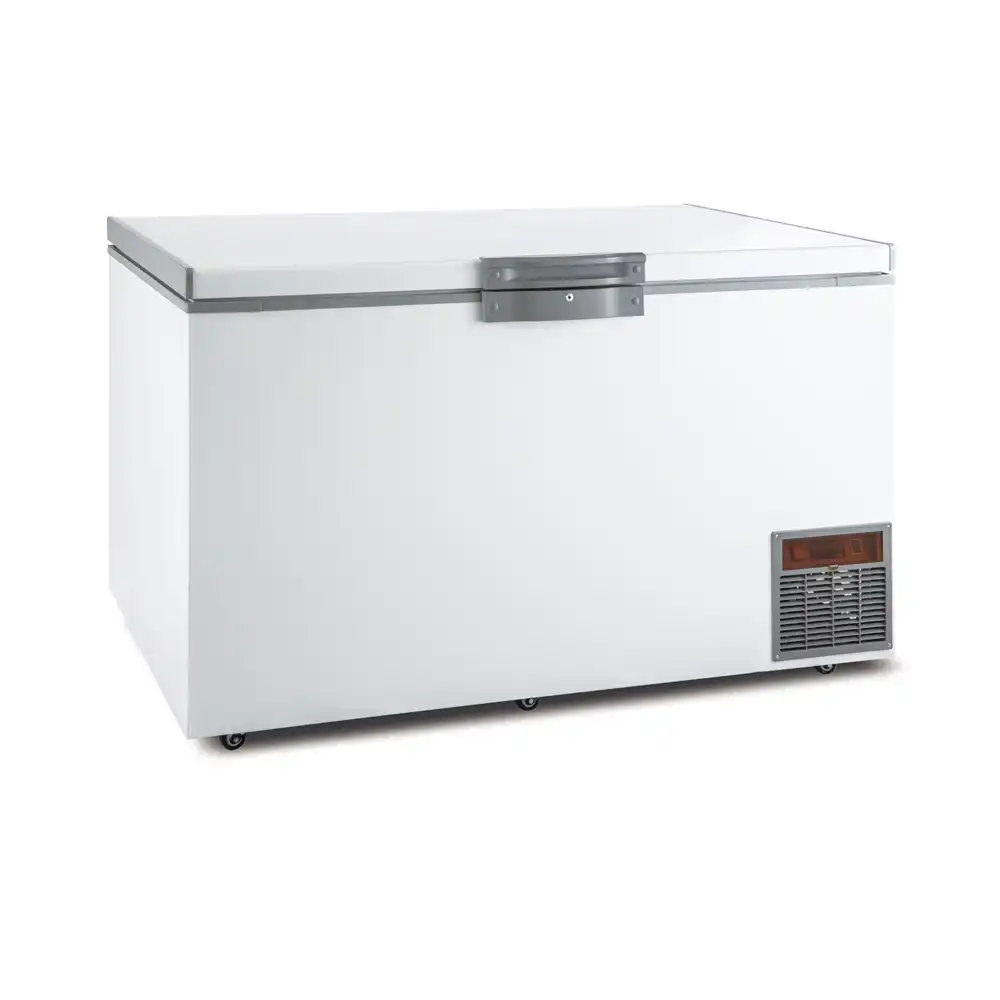
The -86 ULT freezers for lab (Models DW45W788 and DW45W685) demonstrate capability in ultra-low temperature storage, showcasing robust insulation and precise control for specialized applications.
Partner with Us for Optimized Refrigeration Solutions
Improve your restaurant’s operational efficiency and kitchen design with expertly optimized freezer solutions. Contact ZHEJIANG KAIMEI CATERING EQUIPMENT CO., LTD today at +8618157202219 or Sales@hzcamay.com for a personalized consultation and discover how professional one-stop-shop refrigeration equipment can transform your kitchen space.
Frequently Asked Questions About Restaurant Freezer Combinations
How can modular freezer systems enhance kitchen space optimization in a restaurant?
Modular freezer systems offer flexibility that fixed units cannot match, allowing restaurants to customize their cold storage footprint. These systems can be expanded or reconfigured as needs change, making them practical for maximizing kitchen space by fitting into irregular layouts or adapting to menu evolution. They also simplify maintenance and upgrades, contributing to long-term operational efficiency.
What are the energy efficiency considerations when selecting commercial freezer combinations?
Energy efficiency is crucial for reducing operational costs over time. Look for commercial freezer combinations with high Energy Star ratings, advanced insulation, and features like variable-speed compressors and smart defrost cycles. Proper sizing matters too—an oversized unit wastes energy cooling empty space. Regular maintenance also significantly impacts energy consumption, ensuring your freezer setup remains both space-efficient and cost-effective.
Can custom freezer configurations truly improve kitchen workflow and food safety?
Custom freezer configurations designed to integrate with your kitchen’s specific layout and workflow can dramatically improve efficiency. By placing ingredients precisely where they’re needed, prep times decrease and staff movement becomes more purposeful. Tailored designs can incorporate features like dedicated zones for different food types, specialized shelving, and integrated temperature monitoring, all of which strengthen food safety and compliance with health regulations.