
Running a busy pizza kitchen taught me something most equipment catalogs never mention: the distance between your dough station and your prep table can make or break a Friday night rush. When orders stack up and every second counts, a poorly positioned refrigeration unit or an awkward reach for toppings creates invisible delays that compound into real losses. This piece walks through how thoughtful pizza table layout decisions—backed by the right refrigeration equipment—can reshape daily operations, cut waste, and keep quality consistent when it matters most.
Why Pizza Prep Table Arrangement Drives Financial Outcomes
The financial health of a pizza operation connects directly to how the kitchen flows, and the pizza prep table sits at the center of that equation. A workspace that forces unnecessary steps or creates bottlenecks bleeds money in ways that don’t always show up on a single receipt. Industry observations suggest that poorly configured kitchen layouts can inflate labor costs by roughly 15% while pushing food waste up by around 10%. Those percentages translate into thousands of dollars annually for even a modest-volume shop.
Getting the pizza prep table layout right goes beyond tidiness—it shapes how quickly orders move, how consistently pizzas come out, and how much product ends up in the trash instead of on plates. When staff can reach ingredients without turning around, when dough prep flows naturally into assembly, and when the path to the oven stays clear, preparation times drop and quality stabilizes. Even small repositioning efforts often produce noticeable improvements within the first few shifts.
Building a Pizza Station That Moves With the Rush
A well-designed pizza station can shave 20-30% off preparation time per order. That kind of gain comes from deliberate choices about where equipment sits, how ingredients stay accessible, and whether the physical space respects how human bodies actually move during a shift.
Sequencing Tasks for Uninterrupted Flow
High-volume pizza stations work best when tasks progress in a single direction without backtracking. Dough preparation belongs adjacent to the main assembly surface. Refrigerated topping rails should position ingredients within arm’s reach—no pivoting, no walking. The assembly point needs a direct sightline to the oven, and finished pizzas require a clear exit path toward cutting and packaging. This linear progression eliminates the small hesitations and collisions that slow everything down when ticket times matter.
Ergonomic considerations protect both productivity and the people doing the work. Adjustable table heights reduce back strain during long shifts. Integrated topping rails cut down on reaching. Under-counter storage keeps backup supplies close without cluttering the workspace. Proper lighting and non-slip flooring might seem like secondary concerns, but they prevent the small accidents and eye fatigue that accumulate over time.
| Feature | Ergonomic Benefit | Efficiency Gain |
|---|---|---|
| Adjustable Table Height | Reduces back strain | Faster prep, fewer errors |
| Integrated Topping Rails | Minimizes reaching | Quicker ingredient access |
| Under-counter Storage | Reduces movement | Streamlined workflow |
| Non-slip Flooring | Enhances safety | Prevents accidents |
| Adequate Lighting | Improves visibility | Reduces eye strain |
Designated zones for different tasks also matter for food safety. Keeping raw and cooked ingredients separated through physical layout—rather than relying solely on staff memory—reduces cross-contamination risks. Surfaces that clean easily make sanitation faster and more thorough.
How Refrigeration Quality Shapes Daily Operations
Proper refrigeration can extend ingredient shelf life by up to 50%, which directly affects both food safety and the cost of goods sold. Temperature consistency isn’t just a regulatory checkbox—it determines whether your mozzarella performs correctly and whether your vegetable toppings stay crisp through service.
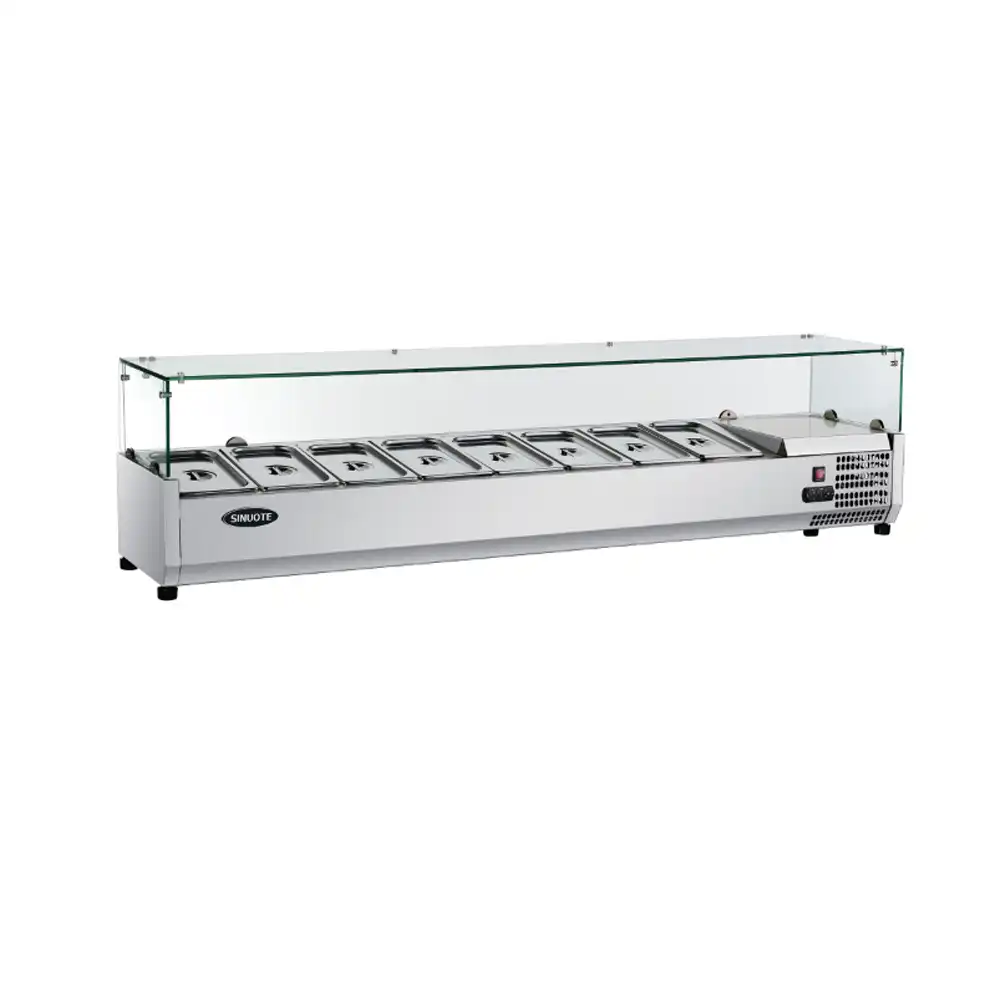
ZHEJIANG KAIMEI’s pizza prep table refrigeration units, including the VRX395-1600 and VRX395-1500 models, address these demands with refrigerated topping rails that maintain precise temperatures throughout the shift. The stainless steel construction—seen across models like the Camay Commercial Worktop Refrigerator Cooler Fridge—handles the daily abuse of a working kitchen while staying easy to sanitize. R290 refrigerant provides energy efficiency without compromising cooling performance. Smart digital temperature controls, with optional IoT and WiFi connectivity, allow monitoring that catches problems before they become health code violations.
For more details on optimizing your kitchen’s cold storage, consider reading 《Optimizing Kitchen Efficiency with Integrated Worktop Refrigeration》.
Real Results From a Layout Overhaul
A recent project with a busy pizza restaurant illustrates what these principles look like in practice. The client came to ZHEJIANG KAIMEI facing congested workflows and persistent ingredient spoilage. Staff spent too much time walking across the kitchen, and preparation times stretched longer than the menu prices could support.
The intervention focused on installing specialized pizza prep tables with integrated refrigerated topping rails, repositioning equipment to create logical flow, and establishing clear zones for different preparation tasks. The stainless steel prep surfaces simplified cleaning routines and reduced contamination concerns.
Within weeks, the restaurant measured a 25% increase in throughput during peak hours—meaning more customers served without adding staff. Ingredient spoilage dropped by 15%, directly improving margins. The layout changes also made health inspections smoother, since the physical arrangement now supported proper food handling rather than working against it.
Connecting Layout Decisions to Food Safety
Strategic pizza table layout affects hygiene outcomes in ways that go beyond surface cleanliness. When raw and cooked ingredients have designated spaces, when traffic patterns don’t force staff to carry items through contamination-prone areas, and when surfaces stay accessible for regular wiping, the entire operation becomes safer. Stainless steel construction supports this by eliminating porous surfaces where bacteria can hide. The result protects customers and keeps the restaurant on the right side of health inspectors.
Designing Kitchens That Can Grow
The pizza business changes—menus expand, demand fluctuates, and what works today might feel cramped in two years. Modular kitchen equipment addresses this reality by allowing reconfiguration without major renovation. Some estimates suggest modular designs can reduce future expansion costs by 30-40% compared to fixed layouts.
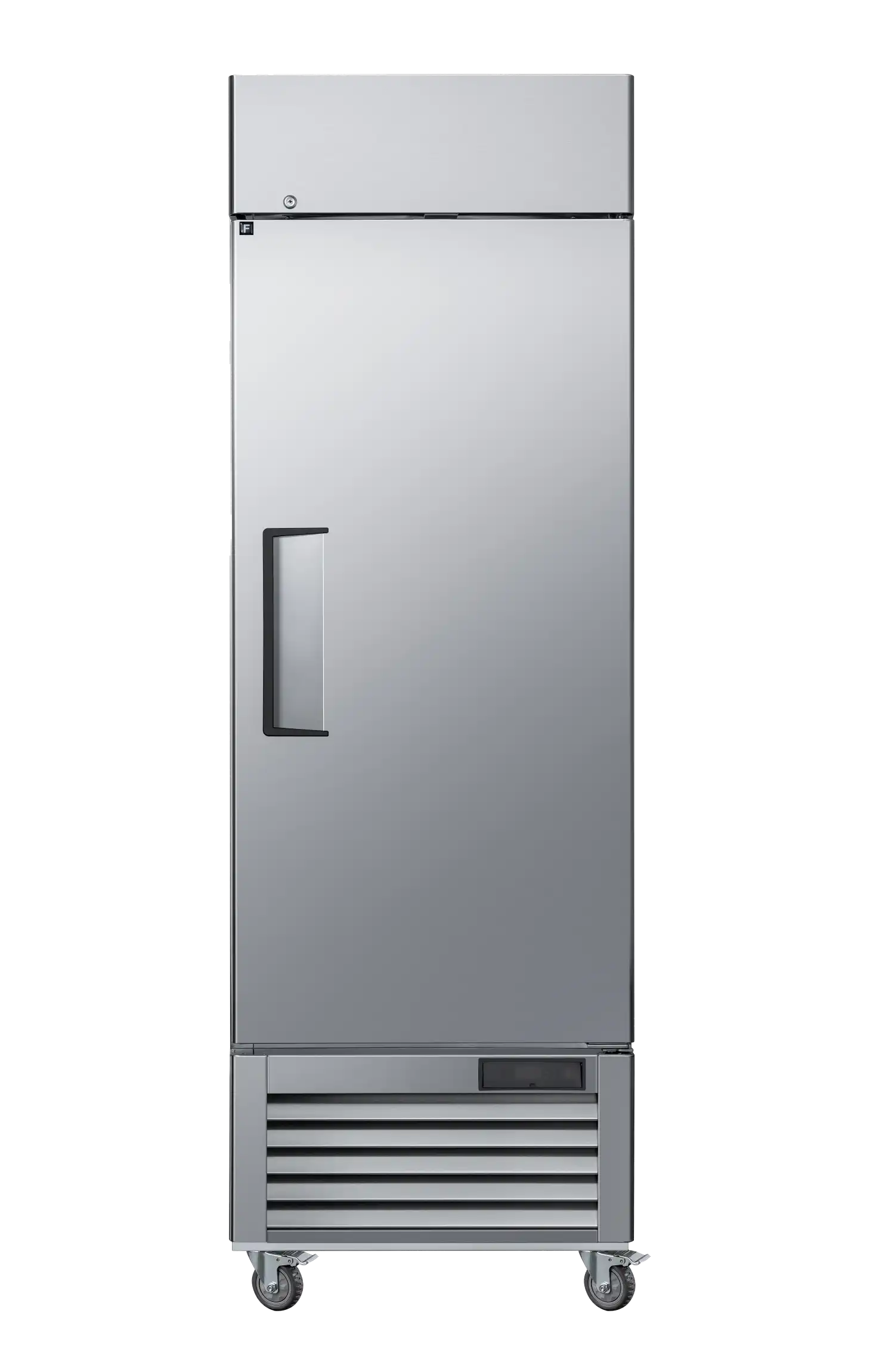
ZHEJIANG KAIMEI’s under counter and worktop refrigeration units integrate into various configurations, providing storage flexibility as needs evolve. When a restaurant adds specialty pizzas or expands catering operations, modular components can shift to accommodate new workflows. This adaptability also simplifies maintenance—individual units can be serviced or replaced without disrupting the entire kitchen.
What Actually Matters for Pizza Kitchen Performance
Improving pizza restaurant efficiency requires attention to both layout fundamentals and equipment quality. The pizza prep table layout determines how smoothly orders flow, how consistently products come out, and how much waste accumulates over time. Minimizing staff movement, keeping ingredients accessible, and maintaining ergonomic workspaces all contribute to sustainable operations.
High-quality commercial refrigeration—like ZHEJIANG KAIMEI’s Pizza Table with integrated topping rails—protects ingredient quality and supports food safety compliance. The combination of thoughtful design and reliable equipment produces measurable improvements in throughput, cost control, and customer satisfaction. These aren’t abstract benefits; they show up in daily operations and monthly financials.
Frequently Asked Questions About Pizza Kitchen Optimization
Why invest in modular kitchen equipment for pizza restaurants?
Modular equipment lets you reconfigure your layout as your business changes—whether that means adding capacity, accommodating new menu items, or adjusting to different service patterns. The flexibility avoids the expense and disruption of major renovations when circumstances shift. Over time, this adaptability typically pays for itself through reduced construction costs and faster response to market opportunities.
What refrigeration features are crucial for pizza ingredients?
Temperature precision matters most—dough and toppings have different optimal storage conditions, and inconsistency affects both safety and product quality. Integrated refrigerated topping rails keep ingredients accessible without sacrificing temperature control. Stainless steel construction handles daily cleaning demands and resists the wear that comes with constant use. ZHEJIANG KAIMEI’s Pizza Table combine these features in units designed specifically for pizza operations.
How can a better pizza table layout reduce operational costs?
When staff move less, they produce more. Shorter distances between stations mean faster preparation times and lower labor costs per order. Better organization reduces ingredient waste by keeping items visible and accessible rather than forgotten in corners. These efficiency gains compound over time, improving margins without requiring price increases or service cuts.
Partner with ZHEJIANG KAIMEI for Optimized Kitchen Solutions
Ready to transform your pizza restaurant’s efficiency and profitability? Partner with ZHEJIANG KAIMEI CATERING EQUIPMENT CO., LTD for expert consultation and industry-leading refrigeration solutions. Contact us today at +8618157202219 or Sales@hzcamay.com to design your optimized kitchen layout.