

Getting temperature zones right in commercial display cases isn’t just about hitting numbers on a dial. It’s the difference between products that sell and products that get tossed. When zones drift even a few degrees, you start seeing shorter shelf life, unhappy customers, and money walking out the door in waste bins.
The Basics of Temperature Zones and Why They Matter for Food Preservation
Different foods need different conditions to stay fresh. Dairy behaves differently than raw meat, and both have nothing in common with pastries sitting at room temperature. Proper cold chain management in your display cases keeps microbial growth in check and preserves the texture, color, and taste customers expect.
Precise Temperature Control and Its Role in Commercial Food Display
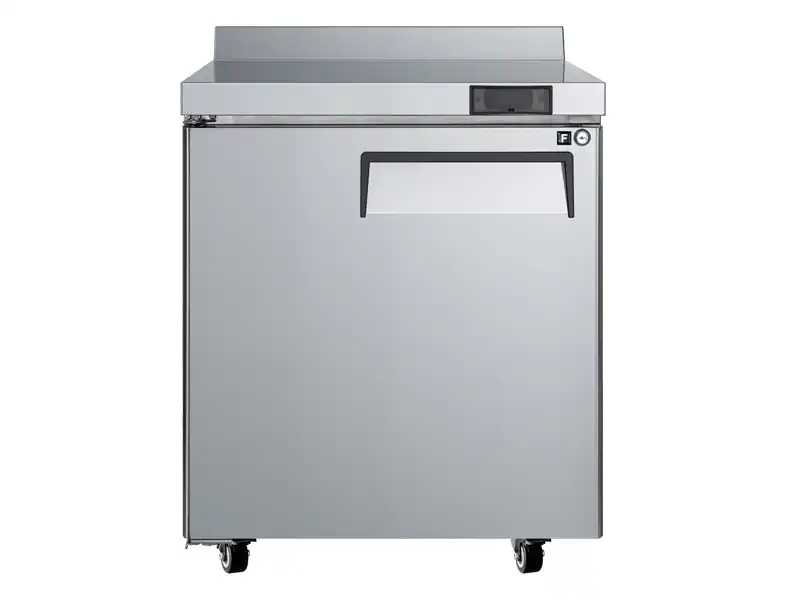
Small temperature swings cause big problems. A case running two degrees warm might look fine, but product consistency suffers, spoilage accelerates, and you risk falling out of compliance with food safety regulations. The Camay Commercial Worktop Refrigerator Cooler Fridge holds temperatures between 0.5°C to 5°C (33°F to 41°F), which covers most perishable items without constant adjustment.
| Food Category | Ideal Temperature Range | Preservation Goal |
|---|---|---|
| Dairy Products | 0°C to 4°C (32°F to 39°F) | Slow bacterial growth |
| Fresh Meats | -1°C to 2°C (30°F to 36°F) | Prevent spoilage, retain color |
| Deli Items | 0°C to 4°C (32°F to 39°F) | Maintain freshness, prevent cross-contamination |
| Pastries/Baked Goods | 18°C to 22°C (64°F to 72°F) | Prevent drying, maintain texture |
| Beverages | 2°C to 7°C (36°F to 45°F) | Optimal serving temperature |
How Modern Multi-Zone Display Cases Handle Temperature Management
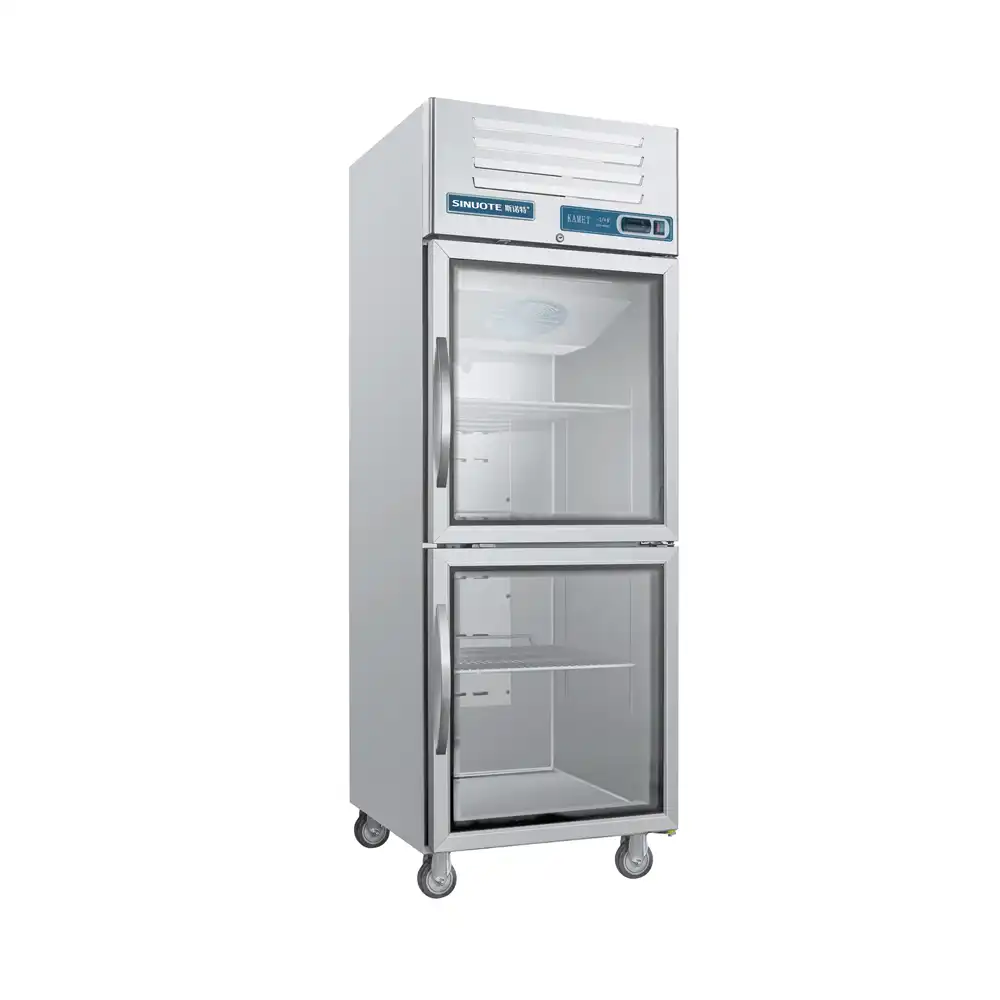
Today’s multi-zone cases pack a lot of engineering into a compact footprint. Separate evaporators, air curtains, improved insulation, and smarter defrost cycles work together to keep distinct temperature environments stable. Humidity control systems add another layer, preventing products from drying out while maintaining the cold.
Multi-Deck Display Cases and Their Approach to Varied Temperature Zones
Multi-deck units compartmentalize temperatures through physical design choices. Air curtains create invisible barriers between zones. Better insulation materials reduce thermal bleed between sections. Optimized defrost cycles prevent ice buildup without causing temperature spikes. The result is a case that can hold fresh meat at one level and beverages at another without either zone compromising the other.
Operational Habits That Keep Temperatures Consistent
Equipment can only do so much. Daily practices determine whether your cases perform as designed or struggle against preventable problems.
- Regular Temperature Checks: Staff should verify temperatures with calibrated thermometers several times per shift, not just trust the digital readout.
- Proper Loading Techniques: Overstuffed cases block airflow. Products near vents get too cold while items in dead spots warm up.
- Minimize Door Openings: Every time a door opens, warm air rushes in. Train staff to grab what they need quickly.
- Routine Cleaning: Dusty coils and clogged vents make compressors work harder and temperatures less stable.
- Seal Integrity: Worn gaskets leak cold air constantly. Check them monthly and replace at the first sign of damage.
- Professional Servicing: Annual maintenance catches refrigerant leaks, electrical issues, and worn components before they cause failures.
For more detailed guidance on maintaining your refrigeration units, consider reading 《Essential Maintenance Tips for Commercial Reach In Refrigerators》.
Common Temperature Problems and How to Fix Them
Most temperature issues trace back to a handful of causes. Knowing what to look for saves time and prevents product loss.
| Common Temperature Issue | Potential Cause | Solution |
|---|---|---|
| Temperature Stratification | Uneven airflow, improper loading | Adjust product placement, ensure clear air vents |
| Excessive Frost Buildup | Faulty defrost cycle, leaky seals | Check defrost timer, replace worn gaskets |
| High Energy Consumption | Poor insulation, dirty coils, frequent door openings | Upgrade to energy-efficient models, regular cleaning, staff training |
| Product Drying/Dehydration | Low humidity, excessive air circulation | Implement humidity control systems, adjust fan speeds |
| Compressor Overload | Blocked condenser, refrigerant leak | Clean condenser, call technician for leak detection and repair |
What Optimized Temperature Zones Mean for Your Bottom Line
When temperature zones run correctly, waste drops. Products last longer on display, which means fewer markdowns and less inventory thrown away. Customers notice quality. Fresh-looking meat, crisp produce, and properly chilled beverages bring people back.
The Camay 60″ Countertop Refrigerated Chef Base maintains temperatures of 0.5°C to 5°C (33°F to 41°F), giving prep stations the consistent cold storage that keeps ingredients safe between rushes.
Upgrade Your Commercial Refrigeration Setup
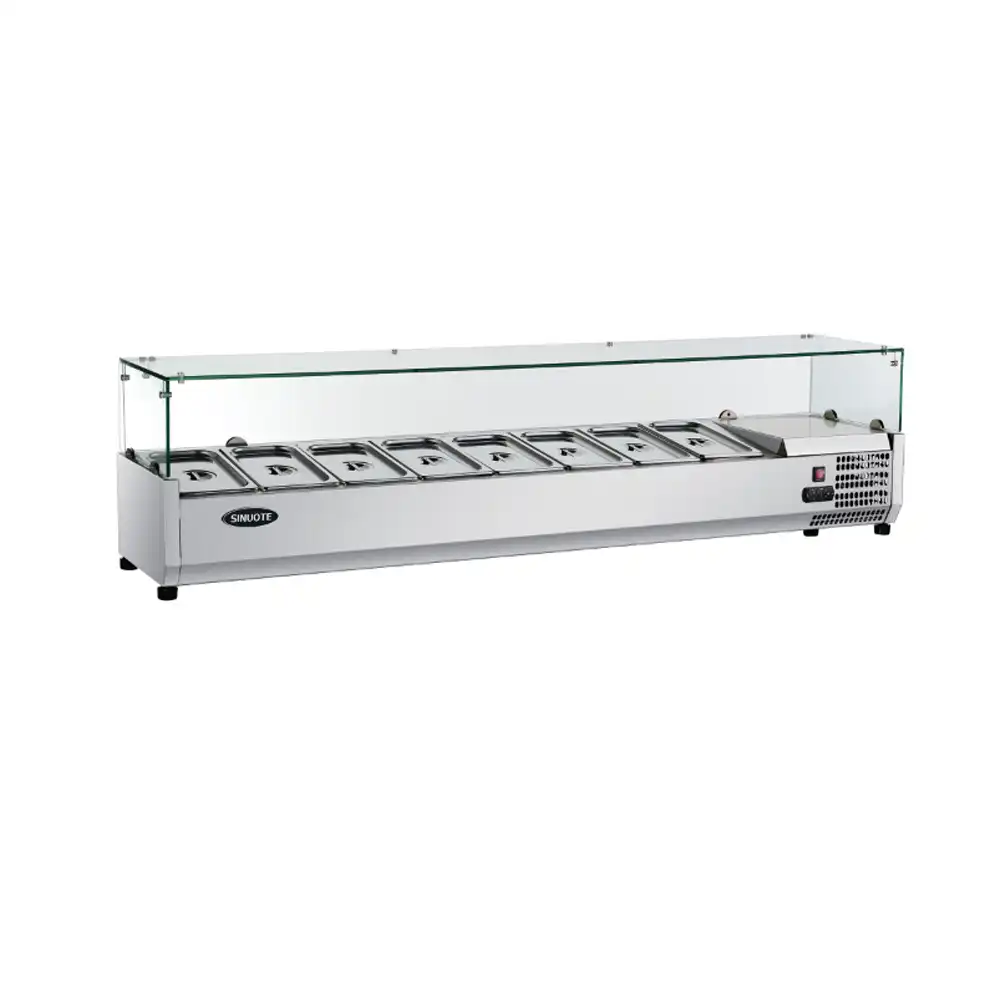
If your current display cases struggle to hold temperatures or your energy bills keep climbing, it might be time for better equipment. We offer a range of high-performance, energy-efficient solutions built for the demands of commercial food service.
Email: Sales@hzcamay.com
Phone: +8618157202219