

Optimizing Kitchen Workflow With Worktops
Getting the worktop layout right changes everything in a commercial kitchen. Staff move faster, ingredients stay where they need to be, and the whole operation runs tighter. After years of building refrigeration equipment, we’ve watched kitchens transform simply by rethinking how their prep surfaces connect to storage and cooking stations. The details matter more than most operators realize.
Foundational Principles for Efficient Kitchen Layouts
The way worktops sit in relation to each other determines how many steps your team takes per service. Poor placement means wasted motion, tired staff, and slower ticket times. A layout built around actual workflow patterns rather than available floor space makes the difference between a kitchen that fights you and one that works with you.
Ergonomic Design for Enhanced Staff Productivity
Staff who aren’t fighting their equipment produce better work. Worktop heights that match the tasks being performed reduce the hunching and reaching that drain energy over a long shift. Knee clearance matters for standing tasks. Foot space prevents awkward stances that lead to back strain by hour six.
The tools and ingredients used most frequently should sit within arm’s reach of where they’re needed. This sounds obvious, but plenty of kitchens have their most-used items stored across the room from where the work happens. Small positioning changes compound across hundreds of movements per shift.
Strategic Zoning for Seamless Food Preparation
Distinct zones for washing, cutting, and assembly prevent the chaos of overlapping tasks. Each zone needs surfaces suited to its purpose and equipment positioned to support the work happening there.
Cross-contamination risk drops when raw protein prep stays physically separated from ready-to-eat assembly. The path from raw ingredients to finished plates should move in one direction without backtracking. When zones flow logically, bottlenecks disappear and the kitchen finds its rhythm.
Selecting Optimal Worktop Materials for Durability and Hygiene
Material choice affects how long your surfaces last and how safe your food stays. The wrong material in a high-traffic area means premature replacement and potential health code issues. The right material handles years of abuse while cleaning up quickly between tasks.
Stainless Steel Advantages for Commercial Kitchens
Stainless steel dominates commercial kitchens for good reason. The non-porous surface gives bacteria nowhere to hide, and it stands up to the constant wiping, scrubbing, and sanitizing that food safety demands. Heat, moisture, and acidic ingredients that would damage other materials barely register on stainless.
Our Camay Commercial Worktop Refrigerator Cooler Fridge uses stainless steel construction inside and out. This wasn’t an aesthetic choice. It was a durability and hygiene decision based on what actually survives in working kitchens.
Alternative Worktop Solutions and Their Applications
Composite materials and solid surfaces have their place, particularly where design flexibility matters or where specific tasks benefit from different surface properties. Some pastry work, for instance, performs better on cooler marble or composite surfaces.
The trade-offs involve heat resistance and long-term durability under heavy use. These materials work well in specialty stations but may not hold up as primary prep surfaces in high-volume operations. Match the material to the actual demands of each station.
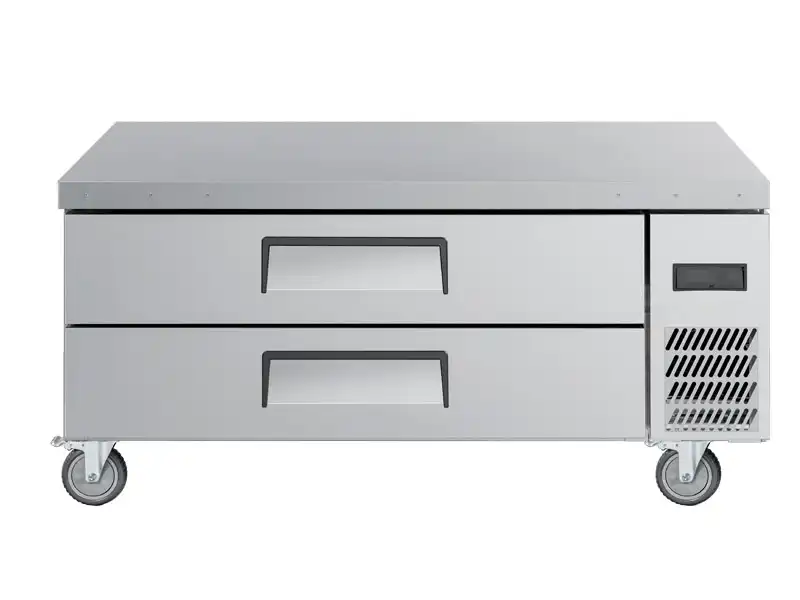
!Countertop cooking cooler 60 refrigeration chef base
 ## Integrating Refrigeration for Seamless Workflow
Putting cold storage directly under prep surfaces eliminates the constant trips to walk-in coolers that fragment workflow. Ingredients stay at proper temperatures while remaining immediately accessible. This integration represents one of the most practical efficiency gains available to most kitchens.
Under Counter Refrigeration for Maximized Prep Space
Under counter units like the Camay Commercial Worktop Refrigerator Cooler Fridge (Model MWTF-27-L) or the Camay MTR-48 2-Door Commercial Undercounter Refrigerator place chilled ingredients directly beneath where they’ll be used. Temperature holds steady between 0.5°C and 5°C, keeping products safe while staying within reach.
Self-closing doors and removable gaskets simplify the cleaning that has to happen regardless of how busy service gets. These features sound minor until you’re trying to maintain hygiene standards during a rush.
For more on connecting cold storage with prep areas, our article on 《Optimizing Kitchen Efficiency with Integrated Worktop Refrigeration》《Optimizing Kitchen Efficiency with Integrated Worktop Refrigeration》) covers the specifics.
Maintenance and Longevity of Optimized Worktop Systems
Even the best-designed worktop system fails without consistent maintenance. Surfaces that look clean can harbor contamination. Equipment that seems fine can be degrading internally. The kitchens that maintain their efficiency over years are the ones with cleaning protocols that actually get followed.
Best Practices for Daily Cleaning and Sanitization
Daily sanitization using appropriate commercial-grade agents prevents the bacterial buildup that compromises food safety and eventually damages surfaces. A strict schedule matters more than occasional deep cleaning.
Design features that simplify cleaning make compliance more likely. Rounded inner corners eliminate the crevices where contamination hides. Removable gaskets allow thorough sanitization of seals that otherwise become bacterial reservoirs. Our Camay Commercial Worktop Refrigerator Cooler Fridge incorporates these features specifically because we know what gets skipped when cleaning feels difficult.
Future Proofing Your Kitchen Worktop Investments
Menus change. Volume fluctuates. Technology advances. The worktop configuration that works perfectly today may need adjustment in two years. Planning for adaptability costs little upfront but saves significant expense when changes become necessary.
Modular systems that can be reconfigured without major construction allow kitchens to evolve with their operations. Integration points for technology that doesn’t exist yet provide flexibility for future upgrades. This long-view approach protects the investment and keeps the kitchen competitive as the industry changes.
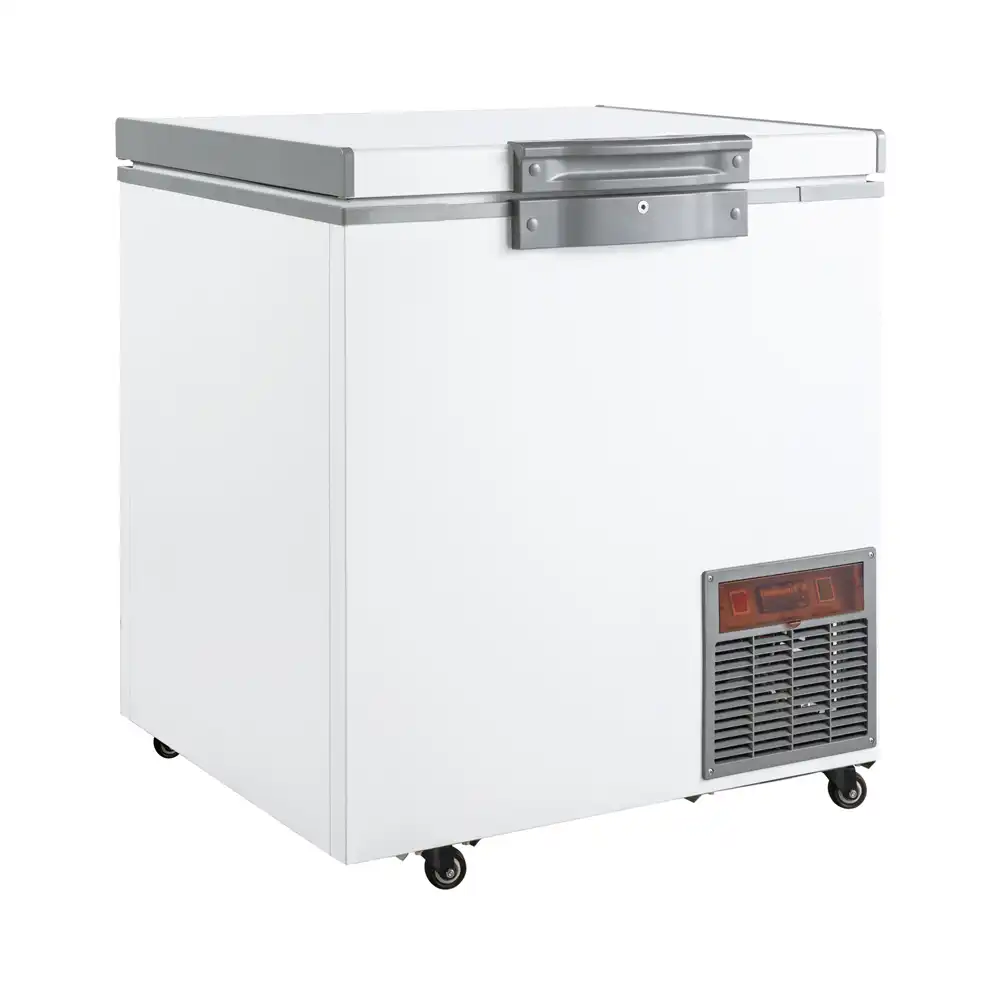
!ULT freezers
 ## Elevate Your Commercial Kitchen Efficiency with ZHEJIANG KAIMEI
ZHEJIANG KAIMEI CATERING EQUIPMENT CO., LTD. builds refrigeration solutions designed around actual kitchen workflow demands. As a one-stop refrigeration equipment manufacturer, we understand how equipment placement and integration affect daily operations.
Contact us for a consultation matched to your specific operational requirements. Phone: +8618157202219 or Email: Sales@hzcamay.com
Frequently Asked Questions About Kitchen Workflow and Worktops
What worktop materials best support an efficient kitchen workflow?
Stainless steel remains the standard for most commercial applications due to its durability, cleaning ease, and hygiene properties. Solid surface composites work well for specialty stations where different surface characteristics benefit specific tasks. The best choice depends on what actually happens at each station.
How does ergonomic design impact kitchen staff productivity?
Proper ergonomics reduce the physical strain that accumulates over long shifts. When worktop heights match tasks and frequently used items sit within easy reach, staff maintain energy and focus longer. The productivity gains compound across every shift.
What are the key considerations for optimizing food prep zones?
Zone optimization follows the actual flow of ingredients through preparation stages. Surface selection, adequate workspace, integrated waste disposal, and strategically placed refrigeration all contribute. The goal is logical progression from storage through cooking without backtracking or cross-contamination risk.
How can refrigeration equipment enhance kitchen worktop efficiency?
Under-counter chillers and refrigerated prep tables place ingredients at the point of use. This eliminates trips to distant storage, maintains product temperatures, and keeps the preparation process moving without interruption.
What role does worktop maintenance play in long-term kitchen efficiency?
Consistent maintenance prevents bacterial buildup, extends surface lifespan, and maintains the hygienic environment that food safety requires. Kitchens that skip maintenance eventually face either health code issues or expensive surface replacement. Neither outcome supports long-term efficiency.