
As an expert with 12 years in commercial refrigeration, I’ve observed a significant shift in kitchen design towards integrated solutions. I recognize the critical need for commercial kitchens to maximize space and streamline operations. We consistently find that combining refrigeration with work surfaces directly addresses these demands, enhancing both productivity and food safety.
Understanding the Need for Integrated Kitchen Worktop Refrigeration Solutions
1. The Challenge of Space and Efficiency in Commercial Kitchens
Commercial kitchens often face significant constraints regarding available space. Every square foot must be optimized to ensure smooth operations and maximum output. Traditional kitchen layouts typically separate refrigeration units from prep areas, leading to inefficiencies. Chefs and kitchen staff spend valuable time moving between different stations. This fragmented workflow can slow down service and increase the risk of cross-contamination. The demand for fresh ingredients and rapid service further exacerbates these challenges. We understand that efficient space utilization directly impacts a kitchen’s profitability and overall success.
2. How Integrated Refrigeration Enhances Workflow and Productivity
Integrated worktop refrigeration solutions directly address these challenges by merging storage and prep functions. Ingredients remain readily accessible, reducing unnecessary movement and speeding up preparation times. This seamless integration allows for a more logical kitchen layout. Staff can access chilled ingredients directly from their workstation. This minimizes the distance food travels, improving efficiency and maintaining optimal temperatures. The result is a more organized and productive kitchen environment. We consistently see improved workflow in kitchens adopting these systems.
3. Key Benefits of Combining Storage and Prep Surfaces
Combining storage and prep surfaces offers multiple advantages for commercial kitchens. Firstly, it significantly saves space, which is crucial in compact environments. Secondly, it enhances food safety by keeping ingredients at proper temperatures during preparation. Thirdly, it improves workflow, allowing staff to work more efficiently. This integration reduces the need for separate refrigeration units and prep tables. It also streamlines cleaning processes, contributing to better hygiene standards. These combined benefits lead to a more effective and compliant kitchen operation.
If you’re interested, check 《Optimizing Kitchen Efficiency: The Ultimate Guide to Worktop Combination Solutions》.
Exploring Types and Features of Commercial Worktop Refrigerators
1. Camay Commercial Worktop Refrigerator Cooler Fridge: A Detailed Overview
The Camay Commercial Worktop Refrigerator Cooler Fridge (Model MWTF-27-L) exemplifies integrated design. It functions as both a storage unit and a worktable. This unit features durable stainless steel construction for both its exterior and interior. It uses eco-friendly R290 refrigerant for energy-efficient cooling. The self-closing door includes a lock and key for security. Optimal temperature control is managed by a smart digital system, with optional IoT and WiFi connectivity. This model offers a freezer range of -22°C to -18°C (-8°F to 1°F) and a refrigeration range of 0.5°C to 5°C (33°F to 41°F). Removable gaskets and round-corner inner shelves simplify cleaning. Optional casters provide easy mobility. This unit is ETL, DOE, and ENERGY-STAR certified, ensuring quality and energy efficiency.
2. The Versatility of Chef Bases: Camay 60” Countertop Refrigerated Chef Base
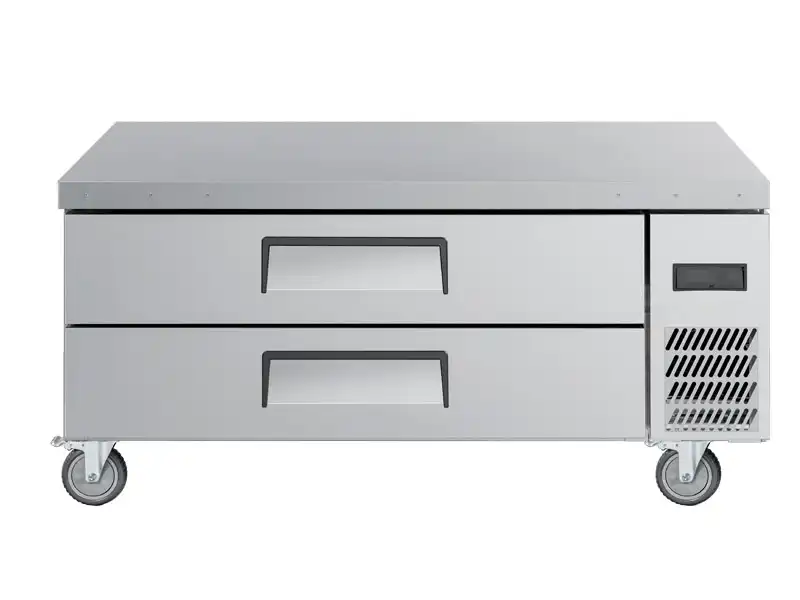
Camay 60” Countertop Refrigerated Chef Base (Model MAR-60A) offers exceptional versatility. It serves as a robust prep station and a refrigerated storage unit. This chef base features a sturdy one-piece worktop with a drip-resistant V edge. This design prevents spills and supports heavy-duty kitchen tasks. It maintains an internal temperature range of 0.5°C to 5°C (33°F to 41°F). The unit is constructed from durable stainless steel, both inside and out. Four-inch casters ensure flexible positioning within any kitchen layout. Rounded corners and an accessible condenser coil facilitate easy cleaning. This model is also ETL, DOE, and ENERGY-STAR certified, reflecting its high quality and efficiency. It is ideal for home kitchens, baking studios, coffee shops, and dessert shops.
3. Undercounter Refrigerators and Freezers: Maximizing Space and Functionality
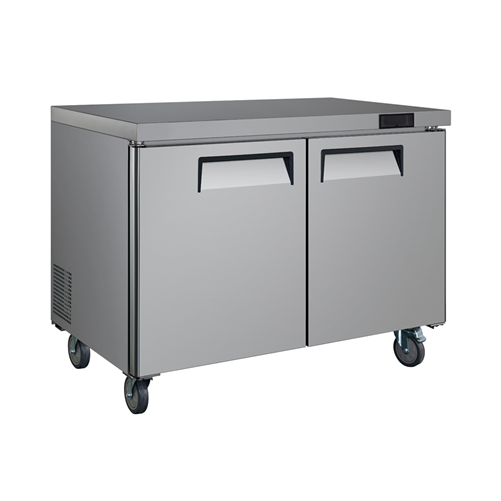
Under Counter Refrigerator and freezers are crucial for maximizing space in commercial kitchens. These units fit seamlessly beneath existing countertops, providing accessible cold storage. We offer various models, including the Camay Commercial Solid Door Undercounter (Model MTR-72) and the 2-Door Commercial Undercounter Refrigerator (Model MTR-48). The MTR-72 provides 576 liters (20.34 Cuft) of capacity with three doors. The MTR-48 offers 368 liters (13.00 Cuft) with two doors. Both feature stainless steel construction, R290 refrigerant, and digital temperature controls. They are designed for storing beverages, food, meat, and dairy products. Optional casters and drawer models enhance their adaptability. These units are perfect for restaurants, cafes, and bakeries.
4. Essential Features for Optimal Performance: R290, Stainless Steel, and Digital Controls
Optimal performance in integrated refrigeration relies on several essential features. R290 refrigerant is an eco-friendly choice, offering superior energy efficiency and lower environmental impact. Stainless steel construction ensures durability, hygiene, and ease of cleaning. Digital temperature controls provide precise temperature management, crucial for food safety and preservation. Many units also include optional IoT and WiFi functions for remote monitoring. Self-closing doors with locks enhance security and energy retention. Ventilated cooling systems ensure consistent temperatures throughout the unit. These features collectively contribute to reliable and efficient operation.
Selecting the Right Integrated Refrigeration for Your Business Needs
Choosing the appropriate integrated refrigeration unit requires careful consideration of several factors. We guide our clients through this process to ensure they select the best solution.
1. Assessing Capacity and Temperature Requirements for Different Food Types
The capacity of your integrated refrigeration unit should align with your kitchen’s volume and specific storage needs. Consider the types of food you will store. Different items require varying temperature ranges. For instance, fresh produce needs a consistent refrigeration temperature. Frozen meats require much colder freezer temperatures. We recommend evaluating your peak inventory levels to determine the necessary cubic footage. This prevents overcrowding, which can compromise cooling efficiency. Ensure the chosen unit offers the flexibility to maintain distinct temperature zones if needed.
2. Evaluating Durability and Construction Materials for Long-Term Use
Durability is paramount for commercial kitchen equipment, especially for integrated units that endure constant use. Stainless steel is the industry standard for its resistance to corrosion, ease of cleaning, and longevity. We recommend units with high-grade stainless steel for both interior and exterior construction. Look for robust hinges, sturdy handles, and reinforced worktops. These components contribute to the unit’s overall lifespan and ability to withstand demanding kitchen environments. Quality construction reduces the need for frequent repairs and replacements.
3. Considering Energy Efficiency and Environmental Certifications
Energy efficiency directly impacts operating costs and environmental footprint. Look for units that utilize eco-friendly refrigerants like R290. Certifications such as ENERGY STAR, ETL, and DOE indicate that a unit meets stringent energy performance standards. These certifications ensure lower electricity consumption, leading to significant savings over time. Efficient insulation, often polyurethane/cyclopentane foamed, also plays a critical role in maintaining stable temperatures and reducing energy waste. We prioritize products that offer both performance and sustainability.
If you’re interested, check 《Camay ETL Certified Commercial Refrigeration Equipment: High Efficiency and Energy Saving, Boosting the Food Service Industry》.
4. Customization Options: Drawers, Casters, and Smart Technology Integration
Customization options can significantly enhance the functionality of integrated refrigeration. Drawer models provide organized storage and easy access to specific ingredients. Casters offer mobility, allowing units to be moved for cleaning or reconfigured layouts. Smart technology integration, such as IoT and WiFi connectivity, enables remote monitoring and control. This allows for proactive maintenance and real-time temperature adjustments. Other options include black inner boxes for aesthetic appeal or specialized shelving configurations. These features allow you to tailor the unit to your kitchen’s unique operational demands.
Installation, Maintenance, and Longevity of Worktop Refrigeration Units
Proper installation and consistent maintenance are crucial for maximizing the lifespan and efficiency of your integrated worktop refrigeration units.
1. Best Practices for Placement and Ventilation in Commercial Kitchens
Correct placement is vital for optimal performance and longevity. Ensure adequate clearance around the unit for proper ventilation. Restricting airflow can lead to overheating and reduced efficiency. Avoid placing units near heat sources like ovens or griddles. This minimizes strain on the refrigeration system. Level the unit properly to ensure doors seal correctly and prevent refrigerant leaks. Follow manufacturer guidelines for specific spacing requirements. Proper ventilation also helps dissipate heat, maintaining a cooler kitchen environment.
2. Simple Cleaning and Maintenance Tips for Extended Equipment Lifespan
Regular cleaning and maintenance extend the life of your equipment. Daily cleaning of interior and exterior surfaces prevents food buildup and maintains hygiene. Regularly clean condenser coils to ensure efficient heat exchange. Dust and grease accumulation on coils can drastically reduce cooling performance. Check door gaskets for tears or gaps, replacing them if necessary to maintain a tight seal. Periodically inspect the drainage system to prevent blockages. A simple maintenance schedule can prevent costly repairs and downtime.
If you’re interested, check 《How to Prolong the Lifespan of Your Refrigerator: Expert Tips》.
3. Understanding Warranty and After-Sales Support for Peace of Mind
A comprehensive warranty and reliable after-sales support are essential considerations. Understand the warranty period and what it covers for both parts and labor. This provides protection against unexpected defects or malfunctions. Inquire about the availability of spare parts and technical assistance. A reputable manufacturer, like ZHEJIANG KAIMEI CATERING EQUIPMENT CO., LTD, offers robust support. This ensures quick resolution of any issues, minimizing operational disruptions. Long-term support reflects a manufacturer’s confidence in their product’s quality.
Invest in Efficiency: Contact Us Today
Optimizing your kitchen with integrated worktop refrigeration is a strategic investment in efficiency and productivity. ZHEJIANG KAIMEI CATERING EQUIPMENT CO., LTD offers a range of high-quality, energy-efficient solutions designed for modern commercial kitchens. Our expertise ensures you find the perfect fit for your operational needs. Contact us to discuss your specific requirements and explore our innovative products.
Phone: +86 181 5720 2219
Email: Sales@hzcamay.com
About the Author
Miss Min, an expert specializing in commercial freezers, kitchen refrigerators, ice makers, and display cases, with 12 years of experience in the industry.
FAQs
1. What is integrated kitchen worktop refrigeration?
Integrated kitchen worktop refrigeration combines cold storage with a functional work surface. These units are designed to fit seamlessly into kitchen layouts, providing immediate access to chilled ingredients. This integration optimizes space and streamlines food preparation processes. It reduces the need for separate refrigeration units and prep tables.
2. How does an integrated worktop refrigerator improve kitchen efficiency?
An integrated worktop refrigerator enhances efficiency by minimizing movement and speeding up prep times. Ingredients are stored directly at the workstation, reducing trips to a separate refrigerator. This continuous workflow improves productivity and helps maintain consistent food temperatures. It also contributes to a more organized and hygienic kitchen environment.
3. What are the key features to look for in a commercial worktop refrigerator?
Key features include durable stainless steel construction, eco-friendly R290 refrigerant, and precise digital temperature controls. Look for energy efficiency certifications like ENERGY STAR. Self-closing doors, easy-to-clean interiors, and optional mobility casters are also important. Smart technology integration for monitoring can further enhance functionality.
4. Are integrated worktop refrigerators energy efficient?
Yes, many integrated worktop refrigerators are designed for energy efficiency. They often use R290 refrigerant, which is highly efficient and environmentally friendly. Features like polyurethane/cyclopentane foamed insulation and self-closing doors contribute to reduced energy consumption. Look for models with ENERGY STAR or similar certifications for guaranteed efficiency.
5. What maintenance is required for these units?
Regular maintenance involves daily cleaning of surfaces and periodic cleaning of condenser coils. Check door gaskets for damage and ensure they seal properly. Inspect the drainage system to prevent blockages. Following these simple steps helps maintain optimal performance and extends the unit’s operational lifespan.