

Stainless steel work tables take a beating in commercial kitchens. They get splashed, scraped, loaded with hot pans, and wiped down dozens of times a day. Keeping them in good shape isn’t complicated, but it does require knowing what actually damages the surface and what keeps it protected. The payoff is equipment that stays hygienic, looks professional, and lasts for years without needing replacement.
What Makes Stainless Steel Vulnerable
Stainless steel resists corrosion because of a thin chromium oxide layer that forms naturally on the surface. That layer is tougher than it looks, but certain chemicals and physical abuse can break it down. Once compromised, the steel underneath becomes susceptible to pitting, discoloration, and rust.
Different grades handle abuse differently. Food-grade stainless steel, usually 304 or 316, contains higher chromium and nickel content. This makes a real difference in environments where acidic foods, salt, and aggressive cleaners are part of daily operations.
| Stainless Steel Grade | Chromium Content | Nickel Content | Key Characteristics in Catering |
|---|---|---|---|
| 304 | 18-20% | 8-10.5% | Excellent corrosion resistance, widely used for food contact surfaces. |
| 316 | 16-18% | 10-14% | Superior corrosion resistance, especially against chlorides; often used in harsh environments. |
| 430 | 16-18% | <0.75% | Good corrosion resistance, magnetic, more cost-effective for non-food contact. |
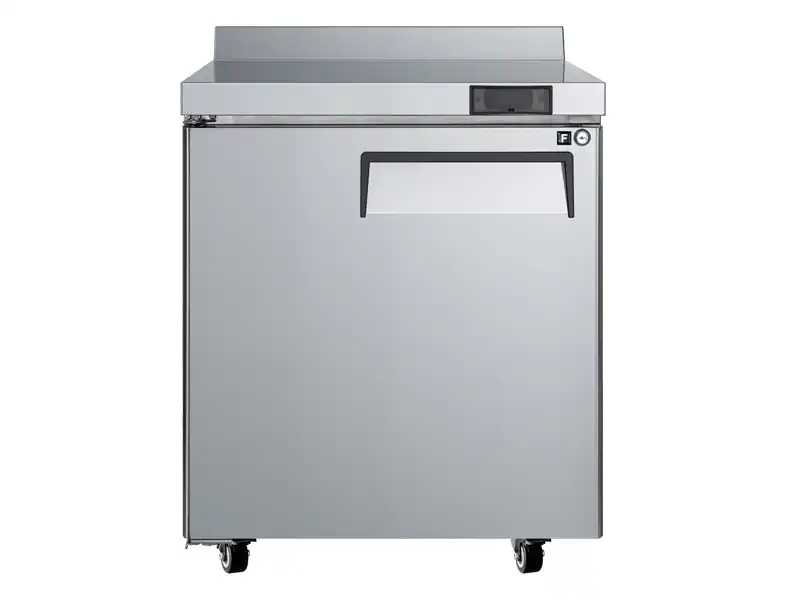
Daily Cleaning That Actually Protects the Surface
The biggest mistake people make with daily cleaning is using the wrong tools. Abrasive scrubbers feel effective, but they create microscopic scratches where bacteria settle and corrosion starts. A soft sponge or microfiber cloth does the job without the damage.
Spills matter more than most people realize. Acidic foods, salt, and even water left sitting on the surface can start breaking down that protective layer within hours. Wiping things up immediately prevents problems that show up weeks later.
Here’s what works:
- Clear all food debris and equipment from the surface.
- Wipe down the surface with a damp cloth to remove loose particles.
- Apply a mild, food-safe stainless steel cleaner or a solution of warm water and dish soap.
- Scrub gently with a soft sponge or microfiber cloth, moving in the direction of the grain.
- Rinse the surface thoroughly with clean water to remove all cleaning agent residues.
- Dry the surface completely with a clean, dry cloth to prevent water spots and streaks.
That last step gets skipped constantly, and it shows. Water spots aren’t just cosmetic; mineral deposits left behind can etch into the surface over time.
For kitchens looking to streamline their prep areas, 《Optimizing Kitchen Efficiency with Integrated Worktop Refrigeration》 covers some practical layout considerations.
Deep Cleaning and Disinfection Methods
Daily cleaning handles the obvious stuff. Deep cleaning targets what routine wiping misses: grease that’s polymerized into a film, mineral buildup around edges, and bacterial colonies in scratches or seams.
Choosing the Right Cleaning Agents
Not all cleaners work the same way, and using the wrong type can cause more problems than it solves.
| Cleaning Agent Type | Primary Use Case | Suitability for Stainless Steel | Notes |
|---|---|---|---|
| Alkaline Cleaners | Grease, oils, protein residues | Excellent | Avoid prolonged contact, rinse thoroughly. |
| Mild Acidic Cleaners | Mineral deposits, rust spots | Good (use sparingly) | Must be diluted; rinse immediately and completely. |
| Enzymatic Cleaners | Organic matter, food stains | Excellent | Biodegradable, ideal for food contact surfaces. |
| Non-Abrasive Pastes | Stubborn stains, light scratches | Good | Apply with soft cloth, follow grain, rinse well. |
Acidic cleaners deserve extra caution. They work well on mineral deposits, but leaving them on too long or using them undiluted damages the chromium oxide layer. Rinse immediately and completely.
Testing new cleaners on an inconspicuous spot first saves a lot of regret.
How Often Deep Cleaning Should Happen
This depends on how hard the kitchen runs. High-volume operations processing raw meats probably need weekly deep cleaning. Kitchens with moderate traffic and less messy prep work might get away with monthly sessions.
Local health codes often specify minimums, but those are floors, not ceilings. The actual condition of the surfaces should drive the schedule.
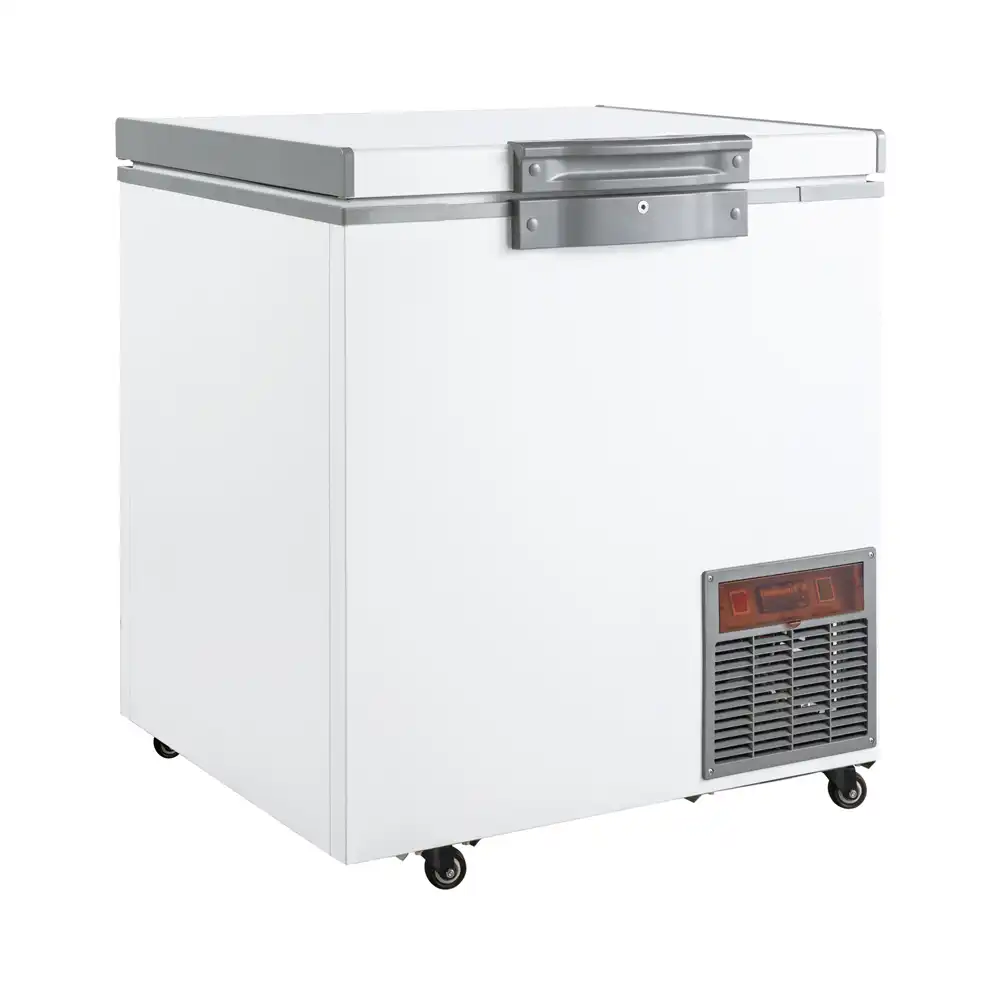
Avoiding the Damage That Shortens Equipment Life
Most damage to stainless steel work tables comes from predictable sources. Scratches from dragging pans across the surface. Pitting from chloride exposure. Rust from iron contamination or harsh chemicals left in contact too long.
Why Rust Appears on Stainless Steel
Rust on stainless steel catches people off guard because the material is supposed to resist it. The problem usually traces back to one of a few causes:
Chloride-containing cleaners break down the passive layer. Bleach and many industrial cleaners fall into this category. Iron contamination from carbon steel knives, steel wool, or even particles from nearby grinding operations can seed rust spots. Acidic food residues left uncleaned eat through the protective film.
Prevention comes down to using chloride-free cleaners, keeping carbon steel tools away from stainless surfaces, cleaning up spills promptly, and drying surfaces completely. Periodic passivation treatments can restore the protective layer on surfaces that have seen heavy use.
Polishing and Restoring the Finish
Polishing does more than make surfaces look better. It smooths out minor scratches and reinforces the protective layer, making future cleaning easier.
Specialized stainless steel polishes work well. A simple mixture of olive oil and white vinegar also gets results. The key is applying with a soft microfiber cloth and always moving in the direction of the grain. Going against the grain creates visible streaking that’s hard to remove.
Buffing with a clean, dry cloth after polishing brings out the shine and removes any residue that could attract dust or fingerprints.
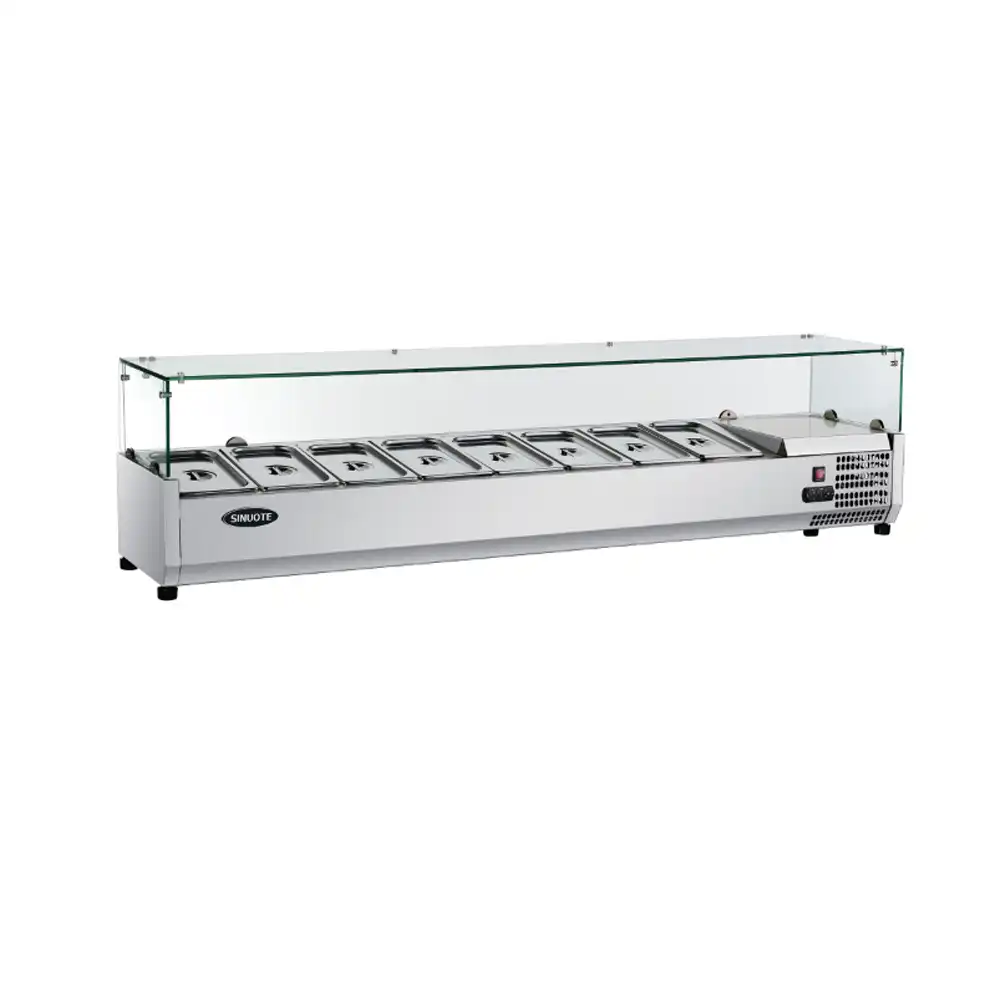
Why Starting with Quality Equipment Matters
Better materials handle abuse better. This sounds obvious, but the difference between budget stainless steel and properly specified food-grade equipment shows up over years of use. Higher chromium and nickel content means better corrosion resistance. Heavier gauge steel resists denting. Proper welds and finished edges eliminate places where bacteria can hide.
The upfront cost difference often pays back through reduced maintenance, fewer repairs, and longer service life. This applies to work tables and to supporting equipment like Work Top refrigeration units that see similar daily demands.
For operations focused on prep efficiency, 《Boost Kitchen Efficiency Workflow Optimization with Chef Base Fridges》 offers some relevant considerations.
Frequently Asked Questions
What is the most effective way to remove stubborn grease from stainless steel work tables?
A commercial degreaser formulated for kitchen use works best. Apply it, let it sit for a few minutes to break down the grease, then scrub with a non-abrasive pad and rinse thoroughly with warm water. The real solution is daily cleaning that prevents heavy buildup in the first place.
Are there any specific tools or materials to avoid when cleaning stainless steel kitchen equipment?
Steel wool, abrasive scouring powders, and cleaners containing chloride or strong acids all cause damage. Steel wool leaves behind iron particles that rust. Abrasive powders scratch the surface. Chloride and strong acids attack the protective chromium oxide layer. Stick with soft cloths, microfiber towels, and cleaners specifically designed for stainless steel.
How can I protect my stainless steel work surfaces from scratches and dents in a busy commercial environment?
Use cutting boards for all knife work. Lift pots and pans instead of dragging them. Consider protective mats in high-traffic areas where heavy equipment gets moved frequently. Train staff on proper handling. Most damage comes from habits that are easy to change once people understand the consequences.
Premium Refrigeration Solutions for Commercial Kitchens
ZHEJIANG KAIMEI CATERING EQUIPMENT CO., LTD. provides professional one-stop-shop refrigeration equipment designed for durability and efficiency, built to complement well-maintained stainless steel work environments. Contact us for a consultation or to explore our product range. Phone: +8618157202219, Email: Sales@hzcamay.com