

Retailers weighing open air versus glass door merchandisers are ultimately deciding how to balance impulse sales against long-term equipment costs and temperature stability. In 26 years of manufacturing commercial refrigeration, I have seen stores commit to open air units for grab-and-go access, only to realize later that the energy bills and temperature swings in humid environments undo that convenience. For most retail applications, a properly specified glass door merchandiser delivers better overall value and operational consistency, yet open air units still have a place where immediate product visibility translates directly into higher turnover. This article breaks down the engineering and cost factors that most buying guides overlook, so you can match the right case to your store’s real-world conditions.
Core Differences Between Open Air and Glass Door Merchandisers
Open air merchandisers use a vertical air curtain to hold cold air in the case without a physical barrier. The refrigerant system runs a powerful evaporator fan to create this barrier, while ambient store air continually mixes with the conditioned case air. Glass door merchandisers, by contrast, enclose product behind a sealed door, relying on insulation and periodic compressor cycles to maintain temperature. This fundamental design difference drives every other comparison point: energy draw, product temperature stability, maintenance needs, and the shopping experience.
| Feature | Open Air Merchandiser | Glass Door Merchandiser |
|---|---|---|
| Air barrier | Air curtain with continuous mixing | Sealed door with minimal air exchange |
| Compressor duty cycle | Higher; runs more frequently to offset ambient heat load | Lower; insulation retains cold while door is closed |
| Product visibility | Unobstructed; customer can grab directly | Clear glass; requires door opening to reach product |
| Temperature consistency | Vulnerable to ambient fluctuations and high traffic | Steady 33–41°F band with well-insulated cabinet |
| Condensation management | High risk in humid climates unless defogging systems are added | Low risk when low-E glass and heated frames are specified |
| Maintenance frequency | Frequent cleaning of air curtain components and condensers | Door seals and hinges inspected and lubricated periodically |
The Real Trade-Off: Impulse Sales vs Temperature Stability
Open air units do drive impulse purchases. When shoppers see chilled drinks or salads within arm’s reach, they respond. That access, however, forces the compressor to work against a constant influx of ambient air. Temperature recovery after each customer interaction is slower than most spec sheets suggest, especially during peak store hours. We have observed cases where open air merchandisers located near entrance ways or in kitchens with high humidity require twice the design cooling capacity to hold safe temperatures.
Glass door units keep product in a stable thermal zone. The insulation and door seal limit heat ingress, so the compressor cycles less often. That consistency matters for items like dairy, cut fruit, and high-margin merchandise sensitive to temperature spikes. While a glass door introduces a brief pause before the customer can pick up the product, the trade-off is that the product spends less time in the danger zone.
If your store relies heavily on impulse buys and has low ambient humidity, an open air unit might justify its higher running cost. But for most formats, the stability a glass door affords outweighs the slightly lower immediate take rate.
Energy Costs and Door Reliability Over the Equipment’s Life
Energy consumption comparisons often quote open air units at 30-40% higher daily energy use than comparable glass door cases, but that figure assumes stable lab conditions. In practice, a store with multiple door openings per minute or high ambient humidity pushes open air compressor run times even further.
What retailers rarely consider is how door reliability affects ongoing energy efficiency. Glass door hinges and seals degrade with use. After three to five years of high-traffic operation, even a small gap in the door gasket increases air exchange and frost buildup on the evaporator coil. The result is higher defrost cycles and creeping energy bills. That is why specifying low-E coated glass and heated door frames from the start prevents condensation and minimizes frost, preserving the door’s insulating function longer.
From a manufacturing perspective, we address this by using heavy-duty hinge systems and replaceable magnetic gaskets on Camay glass door display models. These design choices extend the equipment life before door maintenance becomes a cost item. For stores in coastal or tropical climates, combining low-E glass with a heated frame and a high-efficiency defrost timer makes a meaningful difference in the total quarterly electricity bill.
If your store operates in a consistently humid environment, the door glass specification and defrost settings determine whether you see frost or fog. Confirm your configuration with us before finalizing a purchase. Reach out at Sales@hzcamay.com and we will run through your climate data and door hardware options to prevent condensation surprises.
Matching Merchandiser Type to Your Retail Format
Convenience stores and high-traffic kiosks often lean toward open air merchandisers for grab-and-go cold beverages, where turnover is rapid and temperature variance matters less. Supermarkets and specialty food retailers, particularly those selling high-value meats, cheeses, or delicate produce, benefit from glass door cabinets that hold a tighter temperature band.
The store layout also matters. An open air unit positioned near an exterior door or under a bright display light adds load that can shorten compressor life. Glass door units are less sensitive to those placement variables because the door acts as a barrier. If you anticipate moving display fixtures seasonally, a glass door case on casters gives you flexibility without risking a cold air curtain collapse in a new location.
Total Ownership Cost: The 5-Year Perspective
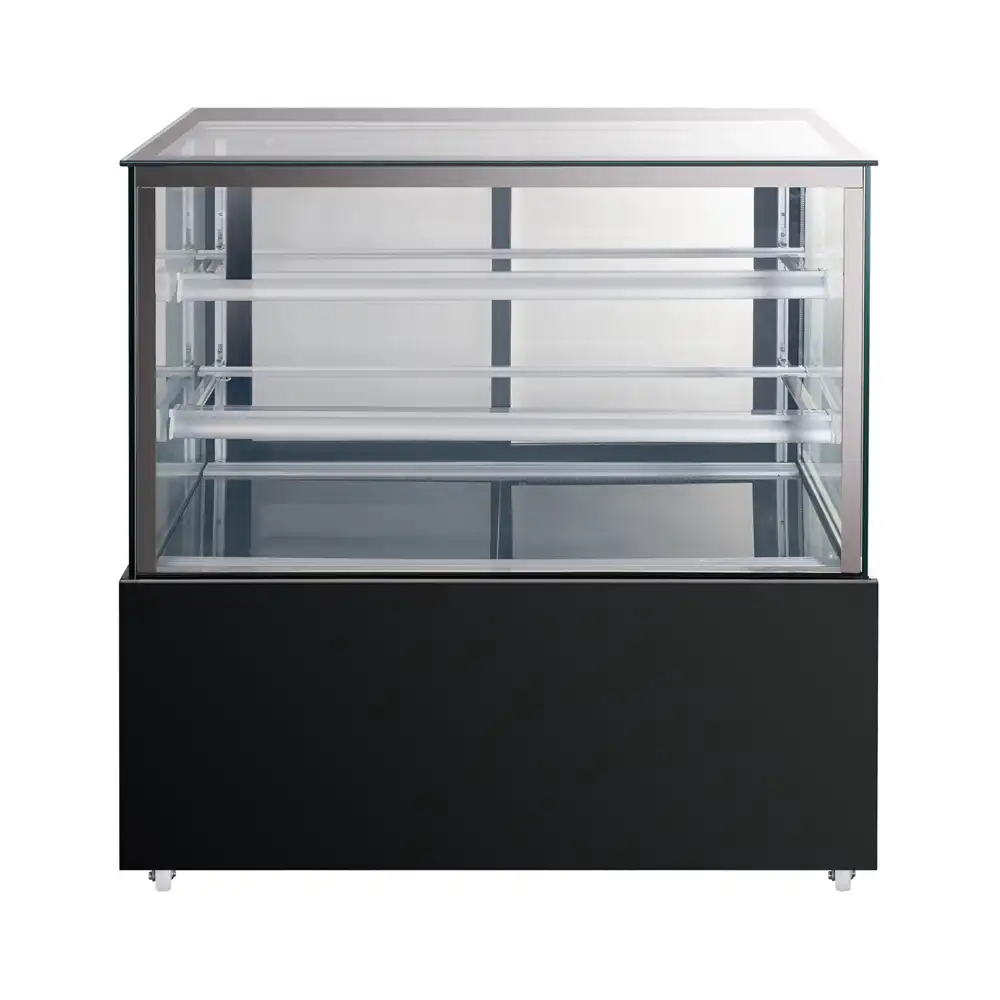
A side-by-side total cost of ownership over five years reveals where the hidden costs sit. Open air cases typically carry a lower upfront price, but the higher energy consumption, frequent condenser cleaning, and occasional product loss from temperature excursions push the total cost upward. Glass door cases have a higher initial cost, largely due to the door assembly and insulated glass, but the energy savings often recover that difference within three years in modern equipment running on R290 refrigerant and efficient compressors.
Camay’s field feedback indicates that a well-maintained glass door merchandiser with low-E glass and an adaptive defrost cycle can use 25-30% less energy than a similarly sized open air unit in a busy retail environment. Over five years, that translates into a direct reduction in operating profit drain, not counting the avoided shrink from spoiled product.
Choosing the right cold storage layout often begins with understanding basic refrigeration type differences. <Upright Freezer vs Refrigerator Key Differences Explained> covers how compressor sizing and insulation affect everyday operation, which helps when evaluating the load your display case will add to your store’s overall refrigeration system.
Choosing the Right Merchandiser for Your Store
Before committing to a display case, a few practical checks move you beyond the sales spec sheet. Look at the door hardware on glass door units: are hinge pins steel or brass, and can the gasket be swapped without a technician? On open air units, verify the air curtain motor’s duty rating and ask about the recommended maximum ambient humidity for the model you are considering. These details predict the real ownership experience more than the energy label alone.
We have seen stores in dry climates thrive with open air units while stores just 200 kilometers away, in higher humidity, regret the same choice. If your program involves variable store conditions or you are expanding into new geographic markets, it is worth confirming the condensation and energy performance with us before finalizing your specification. Send your store layout, product mix, and climate data to Sales@hzcamay.com or call +8618157202219, and we will recommend the most cost-effective configuration that holds food safe and operating costs predictable.
Key Questions Retailers Ask About Display Case Selection
How do I verify the temperature performance of an open air merchandiser before buying?
Ask the manufacturer for a temperature mapping report showing product temperature, not just air temperature, under worst-case store conditions. In our own testing, we set ambient at 38°C (100.4°F) and 53% humidity, then simulate door openings every 30 seconds. The product core temperature must remain within the safe range for the full test duration. A supplier who cannot provide this data is selling on hope rather than engineering.
Do glass door merchandisers actually reduce impulse sales?
The drop is negligible when the door is clear and the lighting is well designed. Many stores report that a glass door creates a perception of freshness and cleanliness that encourages deliberate purchases. Heated door frames eliminate fog, so the product stays fully visible at all times. With low-iron glass, optical clarity is nearly indistinguishable from open air.
How often do door seals need to be replaced?
Gasket material quality drives the interval. Camay uses magnetic PVC gaskets that typically last four to six years with monthly cleaning. After replacement, the improved seal often cuts energy costs by 10-15% immediately. Annual inspection of hinges and seals prevents surprise blowouts that cause cold air loss and frost.
What is the most common mistake retailers make when choosing between open air and glass door units?
Overestimating the sales lift from open access while underestimating the lifetime energy and maintenance burden. The correct approach is to model total cost over five years, including product loss, defrost cycles, and door seal servicing. In my experience supplying OEM and ODM solutions globally, most long-term customers settle on glass door configurations once they account for operational reality. Share your store dimensions, product range, and climate data with us, and we will help you select a merchandiser that keeps product cold and costs predictable.
If you’re interested, check out these related articles:
How to Choose the Best Chef Base Refrigerator for Your Kitchen
Essential Maintenance Tips for Your Commercial Chef Base Refrigerator