
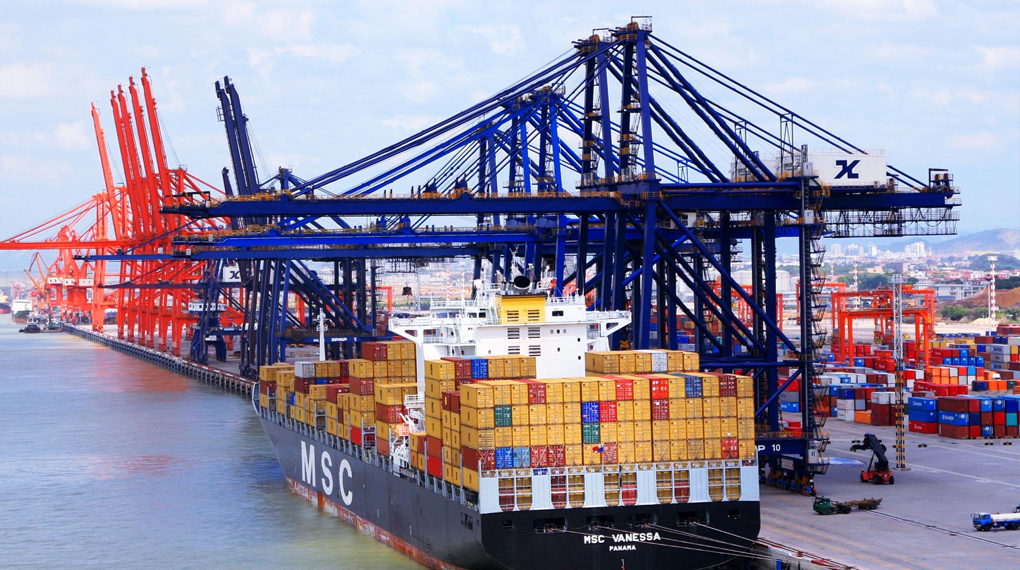
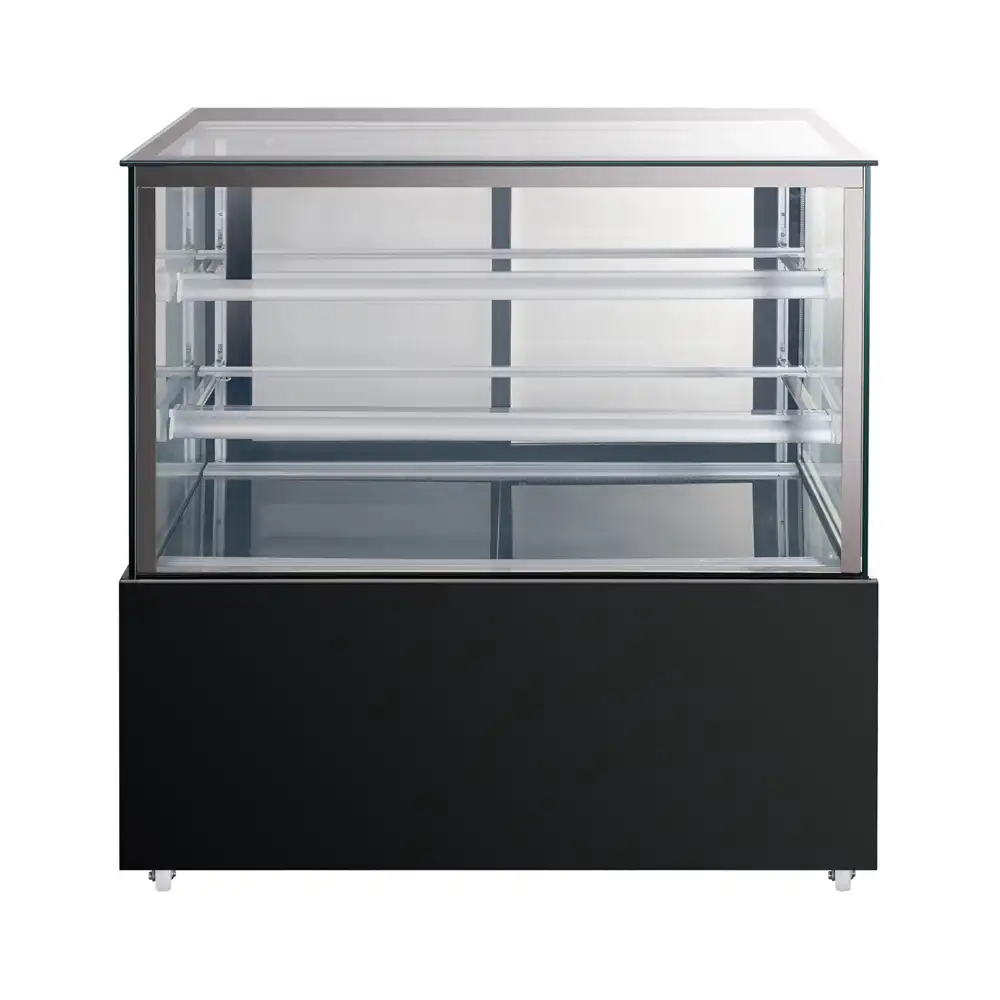
Glass door back bar coolers do more than keep beer cold. They put the label, the color, and the brand in front of a customer at the moment the buying decision happens. A solid door unit hides inventory and leaves the sale to a server’s recommendation; a glass door lets the product sell itself. I have seen the same bottled beer move noticeably faster after a bar switched to a lit, well merchandised glass door cooler, with no change in price or promotion. The real difference comes from temperature stability, smart shelf arrangement, and a handful of configuration checks that decide whether the unit pays for itself.
Why Do Glass Door Back Bar Coolers Sell More Beer Than Solid Door Units?
Glass door back bar coolers serve two functions at once: they hold beer at serving temperature and act as a silent salesperson. The visual cue matters most for premium and craft labels, where package design does the selling. Staff also move faster because they can see stock levels without opening the door, which reduces cold air loss and wasted motion during peak service.
| Decision Factor | Glass Door Back Bar Cooler | Solid Door Back Bar Cooler |
|---|---|---|
| Product visibility | Customer sees labels and color directly | Inventory remains hidden |
| Buying trigger | Visual cue at point of order | Menu or staff suggestion required |
| Door openings | Fewer checks needed | More frequent stock checks |
| Heat gain | Higher through glass but manageable | Lower |
| Best placement | Front bar, premium and impulse stock | Back stock, keg reserve, overflow |
What Temperature and Airflow Conditions Keep Beer at Its Best?
Temperature targets are narrow. For bottled and canned beer, 1°C to 4°C keeps the product cold enough for a clean pour without freezing or stressing the package. Above 6°C, pour quality falls and condensation becomes a service problem. Below 0°C, glass bottles can frost and labels can lift.
Airflow is the detail most operators skip. A back bar cooler with uneven fan coverage will have warm zones near the door or top shelf. That pushes staff to overchill the whole cabinet or rotate stock constantly. Check that the evaporator fan distributes air across every shelf, and keep vents clear.
Glass door units also pick up heat from the bar. Double glazed low-E glass and LED lighting reduce that load. Mounting the cooler away from direct sunlight, overhead heat lamps, or a kitchen pass-through keeps the compressor from cycling too often.
How Should You Arrange a Back Bar Cooler to Lift Sales?
Back bar coolers are not storage bins. A customer scans the door in two or three seconds, so the first row has to communicate immediately.
- Put fast-moving and high-margin brands at eye level and within easy reach.
- Face every label forward, even if that means fewer bottles per shelf.
- Group by style, country, or price tier so a customer can compare without thinking.
- Keep shelves full enough to look abundant but not packed to block airflow.
- Light every shelf evenly. Shadows hide labels and reduce the impulse effect.
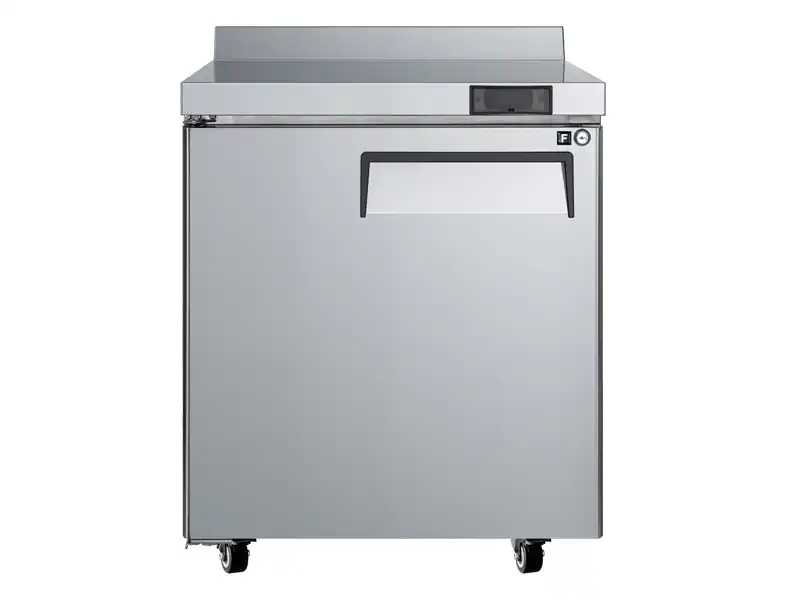
Before you lock the layout, confirm the details that are expensive to change later. If your bar includes a narrow aisle or low clearance below the counter, door swing, hinge side, and compressor position must be checked against the drawing. Send your bar width, door count, and tallest bottle height to Sales@hzcamay.com and we can confirm the configuration against your space.
Which Energy and Maintenance Details Decide Long-Term Back Bar Cooling Cost?
Glass door back bar coolers run around the clock, so energy cost and maintenance time are part of the purchase decision. The door is the main weak point. Double glazed low-E glass keeps heat out; a worn gasket lets moist air in and forces the compressor to work harder.
Condenser cleaning is the maintenance item that most changes operating cost. I have measured compressor runtime drop noticeably after a blocked condenser was cleaned on a bar cooler that sat in a dusty service corridor. The cabinet held temperature with less cycling, and the owner stopped calling about warm bottles during the Friday rush.
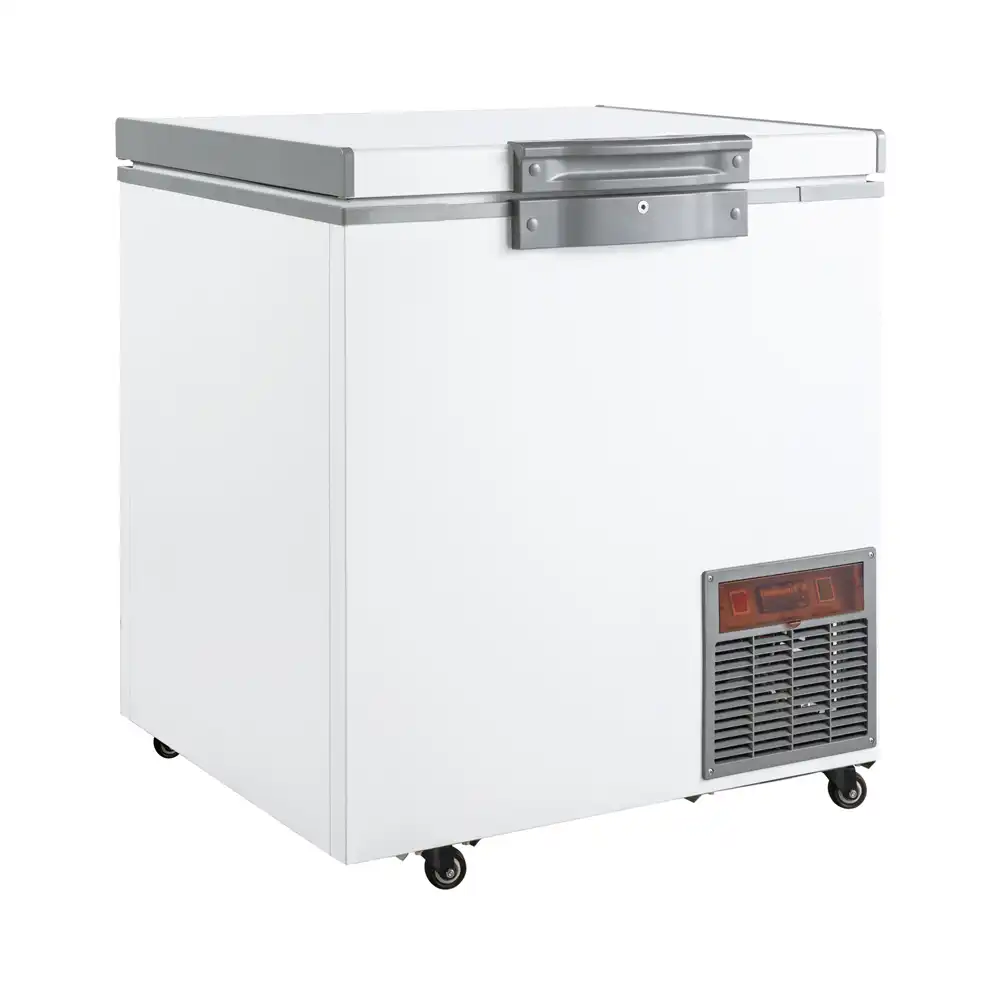
The same discipline applies to bigger cold storage. <Boost Savings with Energy Efficient Commercial Upright Freezers> covers how efficient compressor and insulation choices reduce daily operating cost, and the same payback logic holds for a 24/7 back bar cooler.
What Should You Confirm Before Buying a Glass Door Back Bar Cooler?
Start with the bottle mix, not the bar drawing. A cooler that cannot hold your tallest premium bottle or the right number of facings will underperform from day one, no matter how clean the installation looks.
- Internal shelf height and depth for your tallest bottle and package sizes
- Door style: sliding or swing, left or right hinge
- Compressor position and clearance for air intake
- Electrical voltage, plug type, and ambient temperature around the bar
- Certification requirements for your market, including ETL, DOE, CE, or local sanitary approval
Most back bar cooler mistakes come from ordering a unit that fits the bar drawing but not the bottle mix. Before you commit, send your bar width, preferred door style, voltage, and best-selling package sizes to Sales@hzcamay.com or call +8618157202219. Camay engineers can confirm the configuration against your layout and lead time before production.
What Do Operators Ask Most About Glass Door Back Bar Coolers?
Do glass door back bar coolers use much more energy than solid door units?
Yes, they use a little more energy because glass admits heat, but the difference is smaller than many operators expect. Low-E double glazing and LED lighting keep the additional load modest. In a front bar setting, the revenue gain from visible beer usually covers the extra running cost many times over. If energy is the priority, confirm the unit has an efficient compressor, good door gaskets, and automatic defrost rather than choosing a solid door and giving up the display value.
What temperature should a back bar cooler hold for bottled and canned beer?
It depends on the package and service style. Most bottled and canned beer pours well between 1°C and 4°C. Craft beer often opens best at the warmer end of that range, while mass-market lagers suit the colder end. Keep the cabinet at one stable setting and avoid repeated adjustment, because swings change carbonation and condensation on labels. Cans tolerate colder air, but glass bottles and cans both lose appeal if frost or label peeling appears.
Are LED lights safe for beer bottles over long display periods?
LED lighting is not the problem many operators assume it is. Unlike old halogen or incandescent fixtures, LEDs put out almost no ultraviolet energy and very little heat. That means bottle color, cap seals, and label adhesive are not stressed the way they used to be. Choose LED strips designed for refrigerated cabinets, position them so the light falls on the front labels rather than the top of the bottles, and the display can run through service without a skunky or heated bottle problem.
Can a back bar cooler run well in a hot bar corner?
In bars I have worked with, heat gain from a nearby kitchen pass, window, or overhead lamp caused more warm bottles than the cooler itself ever did. The cabinet can handle a warm room if it is specified for the ambient temperature, but the compressor and condenser must have enough air movement. Avoid boxing the unit tightly into millwork, keep the door gasket seated, and tell your supplier if the site is unusually hot. Share your site conditions and bottle mix with Sales@hzcamay.com and we will confirm a configuration that holds temperature without oversizing.
If you’re interested, check out these related articles:
Essential Maintenance Tips for Your Commercial Chef Base Refrigerator
Optimizing Kitchen Efficiency with Integrated Worktop Refrigeration
Choosing the Best Commercial Reach In Fridge for Your Restaurant