

Hotel kitchens lose 15% to 25% of their refrigeration energy through poorly maintained worktable surfaces and neglected condenser coils, a problem I see repeatedly when auditing commercial kitchen installations. Stainless steel worktables with integrated refrigeration, such as undercounter units and chef bases, form the backbone of high-volume food preparation, yet their energy consumption and sanitation performance depend heavily on material selection, cleaning protocols, and layout decisions that many operators overlook. The difference between a worktable that drains utility budgets and one that performs efficiently for a decade comes down to understanding how surface finish, insulation quality, and daily maintenance interact. This article addresses the specific cleaning and energy optimization practices that reduce operating costs while maintaining food safety compliance in hotel kitchen environments.
Why Stainless Steel Grade Determines Long-Term Energy Performance
The grade of stainless steel used in worktable construction directly affects thermal conductivity, corrosion resistance, and cleaning efficiency. Grade 304 stainless steel, which contains 18% chromium and 8% nickel, resists chloride corrosion from cleaning chemicals and maintains a smooth surface that prevents biofilm accumulation. Grade 430 stainless steel costs less but corrodes faster when exposed to acidic foods and chlorine-based sanitizers, creating micro-pitting that traps organic matter and increases cleaning time.
I have observed worktables fabricated from lower-grade stainless steel develop visible surface degradation within 18 months of installation in hotel kitchens with high-volume banquet operations. The degraded surface requires more aggressive scrubbing, which further damages the finish and creates a cycle of accelerating deterioration. When the surface loses its passive chromium oxide layer, heat transfer characteristics change, and refrigerated worktops must work harder to maintain temperature.
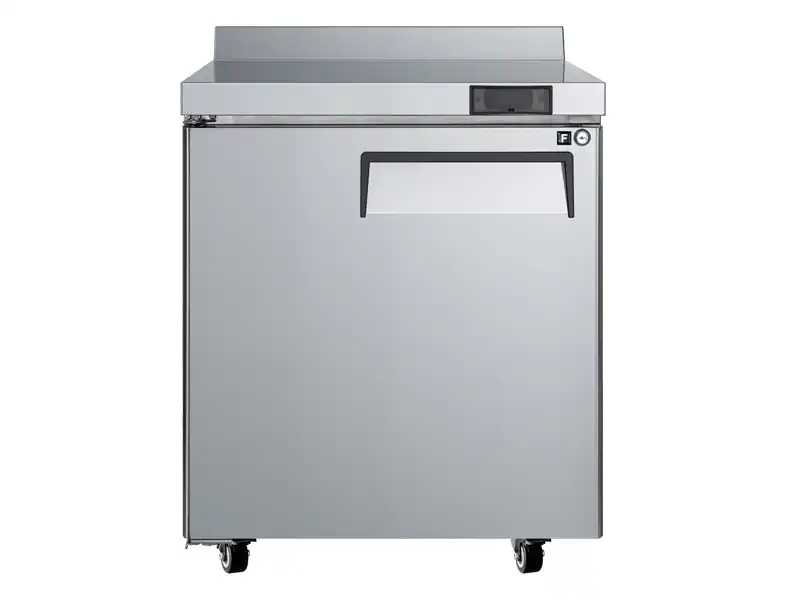
For refrigerated worktables and chef bases, the exterior stainless steel grade matters less than the interior construction. Units with stainless steel interiors, such as the Camay Commercial Worktop Refrigerator Cooler Fridge with its 304 stainless steel construction, maintain consistent thermal performance because the interior surface resists condensation damage and remains easy to sanitize. Painted or galvanized interiors degrade faster in the high-humidity environment inside a refrigerated cabinet.
| Steel Grade | Chromium Content | Nickel Content | Chloride Resistance | Recommended Use |
|---|---|---|---|---|
| 304 | 18% | 8% | High | Interior surfaces, food contact areas |
| 430 | 16-18% | 0% | Moderate | Exterior panels, non-food contact |
| 201 | 16-18% | 3.5-5.5% | Low | Budget applications, dry storage only |
How Insulation Type Affects Energy Consumption in Refrigerated Worktables
Polyurethane foam insulation with cyclopentane blowing agent has become the industry standard for commercial refrigerated worktables because it delivers R-values between 6 and 7 per inch of thickness. Older units using CFC-blown foam or polystyrene insulation lose 20% to 30% more energy through cabinet walls. When evaluating worktable refrigeration for hotel kitchens, insulation thickness matters as much as insulation type.
The Camay 60″ Countertop Refrigerated Chef Base uses polyurethane and cyclopentane CFC-free insulation combined with a ventilated cooling system to maintain internal temperatures between 0.5°C and 5°C. This temperature range matches HACCP requirements for cold holding while minimizing compressor cycling. Units that struggle to maintain temperature due to inadequate insulation run compressors continuously, consuming 40% to 60% more electricity than properly insulated equivalents.
Door gasket condition represents the most overlooked factor in refrigerated worktable energy performance. A gasket that has lost elasticity or accumulated food debris allows cold air to escape continuously. I recommend the dollar bill test monthly: close the door on a dollar bill and pull gently. If the bill slides out without resistance, the gasket needs replacement. Camay units feature removable gaskets specifically to simplify this maintenance task.
Daily Cleaning Protocols That Protect Equipment and Reduce Energy Waste
Effective worktable cleaning requires understanding the difference between cleaning, sanitizing, and the specific requirements of refrigerated surfaces. Cleaning removes visible soil. Sanitizing reduces microbial contamination to safe levels. Both steps must occur in sequence, and using the wrong chemicals or temperatures damages equipment while failing to achieve food safety goals.
For stainless steel worktops, the cleaning sequence should follow this pattern: remove loose debris with a dry cloth or scraper, apply a neutral pH detergent solution (not exceeding 50°C to avoid thermal shock on refrigerated surfaces), scrub with a non-abrasive pad following the grain direction, rinse with clean water, apply food-safe sanitizer, and allow to air dry. Never use steel wool, chlorine bleach at concentrations above 200 ppm, or abrasive powders on stainless steel surfaces.
Refrigerated worktable interiors require additional attention to condenser coils and drain lines. Condenser coils accumulate grease and dust that reduce heat transfer efficiency by 10% to 15% per month in busy hotel kitchens. The Camay Commercial Solid Door Undercounter features an accessible condenser coil design that allows weekly cleaning with a coil brush or compressed air. Blocked drain lines cause water accumulation that freezes on evaporator coils, forcing the defrost system to work harder and increasing energy consumption.
Weekly deep cleaning should include:
- Remove all shelves and clean separately in a three-compartment sink
- Wipe interior walls with sanitizer solution, paying attention to rounded corners that prevent debris accumulation
- Clean door gaskets with warm soapy water, checking for cracks or hardening
- Vacuum or brush condenser coils
- Flush drain lines with hot water and enzymatic cleaner
- Verify temperature accuracy with a calibrated thermometer
Worktable Layout Strategies That Minimize Refrigeration Load
Where you place refrigerated worktables in a hotel kitchen directly affects their energy consumption. Units positioned near cooking equipment, steam tables, or dishwasher exhaust work harder to maintain temperature. Every 5°C increase in ambient temperature above the rated climate type (typically 38°C for commercial units) increases compressor runtime by approximately 15%.
The most efficient layout positions refrigerated worktables in the coolest area of the kitchen that still supports workflow requirements. This often means placing chef bases along exterior walls away from the cooking line, with adequate clearance for air circulation around the condenser. The Camay 60″ Countertop Refrigerated Chef Base includes 4-inch casters specifically to allow repositioning as kitchen layouts evolve.
Workflow optimization also reduces energy waste by minimizing door open time. When prep cooks must walk across the kitchen to access refrigerated ingredients, they leave doors open longer during transport. Positioning refrigerated prep tables within arm’s reach of the primary work station reduces door open events by 30% to 40% in my observations of hotel kitchen operations.
| Placement Factor | Energy Impact | Recommended Practice |
|---|---|---|
| Distance from heat source | +15% consumption per 5°C ambient increase | Minimum 1 meter from cooking equipment |
| Ventilation clearance | +10% if blocked | 10 cm sides, 15 cm rear |
| Door open frequency | +2% per additional 10 opens per hour | Position within workflow reach |
| Ambient lighting | +3-5% under direct heat lamps | Shield from overhead heat sources |
When to Repair vs. Replace Aging Worktable Refrigeration
Hotel kitchen managers face difficult decisions when refrigerated worktables begin showing age. Compressor replacement costs between $400 and $800 for parts alone, plus labor. However, a new compressor installed in a unit with degraded insulation, worn gaskets, and corroded interior surfaces will not deliver the efficiency of a properly specified new unit.
I use a simple calculation to guide replacement decisions: if repair costs exceed 40% of replacement cost and the unit is more than seven years old, replacement typically delivers better return on investment within three years through energy savings alone. Modern units using R290 refrigerant, like the Camay MTR-48 2-Door Commercial Undercounter Refrigerator, consume 20% to 30% less energy than R404A units manufactured before 2015.
Signs that indicate replacement rather than repair:
- Compressor runs continuously without maintaining temperature
- Visible rust on interior surfaces
- Insulation has absorbed moisture (indicated by exterior condensation)
- Door hinges have loosened beyond adjustment
- Temperature variance exceeds ±3°C across the cabinet
If your current worktable refrigeration shows any of these symptoms, it is worth calculating the total cost of ownership before authorizing another repair. Send your current unit specifications and utility rates to Sales@hzcamay.com, and we can model the payback period for replacement with current-generation equipment.
Questions Hotel Kitchen Managers Ask About Worktable Maintenance
How often should refrigerated worktable condenser coils be cleaned?
Weekly cleaning is the minimum for hotel kitchens with continuous operation. Kitchens with open-flame cooking or high grease output may require twice-weekly cleaning. The condenser coil transfers heat from the refrigerant to the surrounding air, and any coating of grease or dust acts as insulation that forces the compressor to work harder. A coil brush costs under $20 and pays for itself within a month through reduced energy consumption. Compressed air works faster but should be directed from inside the coil outward to avoid pushing debris deeper into the fins.
What temperature should a refrigerated worktable maintain for HACCP compliance?
Cold holding temperatures must remain at or below 5°C (41°F) to prevent bacterial growth in potentially hazardous foods. Most commercial refrigerated worktables, including the Camay Salad Prep Table MSR-48M, are designed to maintain 0.5°C to 5°C under normal operating conditions. However, actual food temperature depends on product load, door open frequency, and ambient conditions. Use a calibrated probe thermometer to verify food temperature rather than relying solely on the digital display, which measures air temperature.
Can I use a pressure washer to clean stainless steel worktables?
Pressure washing damages gaskets, forces water into electrical components, and can dent thin-gauge stainless steel panels. The high-pressure stream also drives contaminants into crevices rather than removing them. Manual cleaning with appropriate detergents and sanitizers delivers better results with less risk of equipment damage. For stubborn grease accumulation, a degreaser formulated for food service equipment works more effectively than increased water pressure.
How do I know if my worktable insulation has failed?
Exterior condensation on a refrigerated cabinet during normal operation indicates moisture has penetrated the insulation. Healthy polyurethane foam insulation maintains a consistent temperature gradient from interior to exterior, preventing condensation. Once moisture enters the foam, it loses insulating value and the problem accelerates. Another indicator is the compressor running more than 60% of the time while maintaining temperature, compared to the typical 30% to 40% duty cycle for a properly insulated unit. If you notice these symptoms, contact our technical team at +8618157202219 to discuss whether repair or replacement makes more sense for your situation.
If you’re interested, check out these related articles:
Essential Commercial Chef Base Fridge Installation Tips
Essential Maintenance Tips for Your Commercial Chef Base Refrigerator
Chef Base Fridge vs Undercounter Fridge Which Is Best for Your Kitchen
Choosing the Best Commercial Reach In Fridge for Your Restaurant
Optimizing Kitchen Efficiency with Integrated Worktop Refrigeration