

When you spend enough time around hotel F&B operations, you start noticing which details actually move the needle on guest satisfaction. The salad bar is one of those quiet workhorses—easy to overlook until something goes wrong. A poorly chosen unit creates bottlenecks during breakfast rush, lets temperatures drift into unsafe territory, or simply looks tired next to the rest of your buffet line. Getting the selection right means thinking through capacity, refrigeration performance, layout flow, and long-term durability all at once. None of these factors exist in isolation.
Matching Salad Table Scale to Your Actual Guest Volume
Hotels don’t all operate at the same rhythm, and salad bar equipment needs to reflect that reality. The distinction between semi-salad tables and mega salad tables comes down to how much serving capacity you genuinely need versus how much floor space you can spare.
Semi-salad tables work well for focused applications. Think breakfast buffets at boutique properties or dedicated stations within a larger spread. The MSR-48M fits this profile—compact footprint, efficient cold holding, enough room for a curated ingredient selection without dominating the space. These units make sense when you’re supplementing a main buffet line or serving a predictable guest count.
Mega salad tables handle the opposite scenario. High-traffic dining rooms, conference hotel breakfast services, or resort properties with variable occupancy all benefit from the expanded capacity. Modular configurations let you adapt the setup as needs change, and multiple access points keep guest flow moving during peak periods.
The calculation isn’t complicated, but it requires honest assessment. What’s your realistic daily guest count? When do the bottlenecks actually happen? How diverse is your salad offering? Over-specifying wastes energy and floor space. Under-specifying creates the kind of congestion that guests remember—and not fondly.
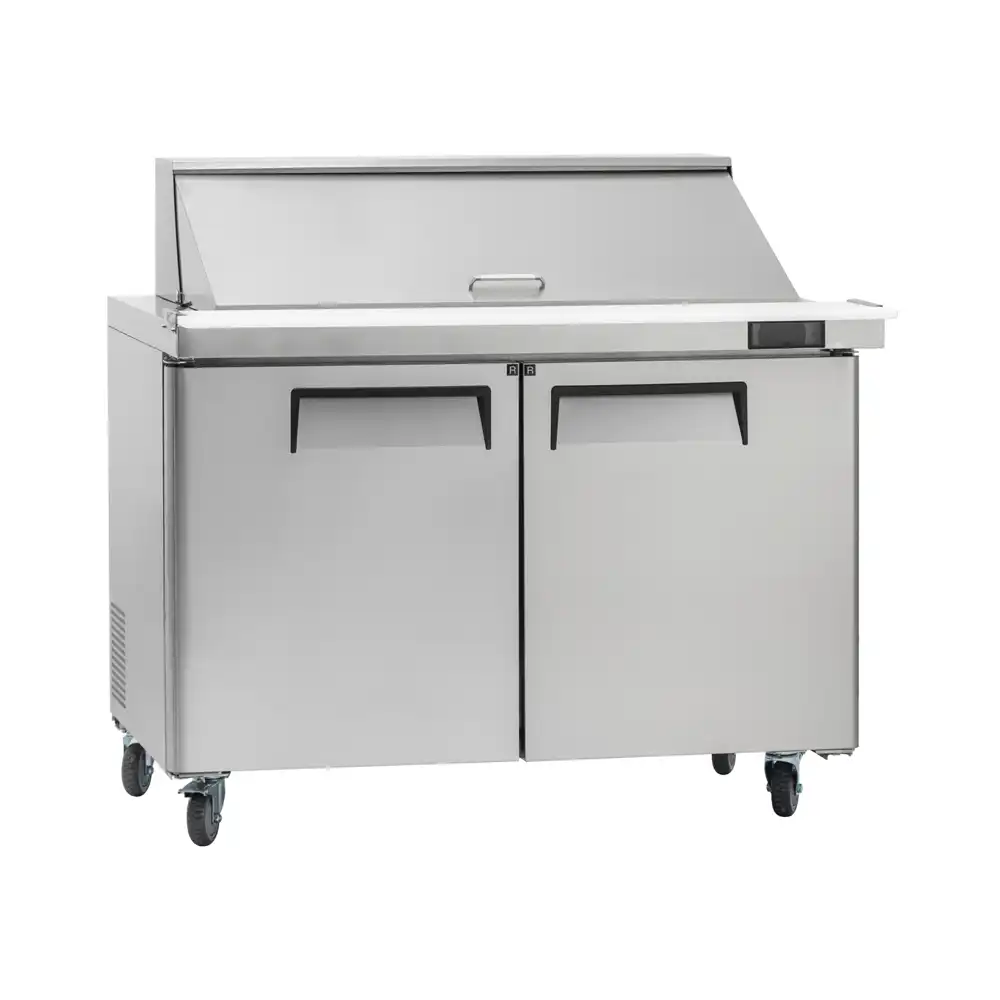
| Feature | Semi-Salad Table | Mega Salad Table |
|---|---|---|
| Capacity | Lower; ideal for smaller selections | High; extensive ingredient variety |
| Footprint | Compact; suitable for limited spaces | Larger; requires significant floor area |
| Guest Flow | Moderate; serves fewer guests simultaneously | High; handles large volumes, multiple access points |
| Flexibility | Easily integrated into existing buffet layouts | Often modular design for custom configurations |
| Application | Breakfast buffets, specific stations | Main buffet lines, large events |
How do I choose between a semi-salad table and a mega salad table for my hotel?
Start with your numbers. Average guest volume and peak-period demand tell you most of what you need to know. A smaller property or a dedicated station usually points toward semi-salad tables, which optimize limited space without sacrificing cold holding performance. High-traffic operations or menus with extensive ingredient variety need mega salad tables to prevent congestion and maintain presentation standards. Floor space availability, budget constraints, and how the unit will integrate visually with your existing buffet setup all factor into the final decision.
Refrigeration Performance and Food Safety Requirements
Temperature control isn’t negotiable in buffet operations. The refrigeration system determines whether your ingredients stay safe and appealing or drift into the danger zone where bacterial growth accelerates.
Commercial refrigeration units using R290 refrigerant deliver stable temperature performance while meeting current environmental standards. The refrigerant choice matters for regulatory compliance and long-term operating costs, but what guests experience is simply whether the greens stay crisp and the proteins stay cold.
HACCP principles provide the framework for managing food safety risks. For salad bars, this means continuous temperature monitoring at critical control points. Cold plate technology and ventilated cooling systems work together to maintain consistent temperatures across the entire display surface—not just near the refrigeration source.
Sneeze guards serve a different but equally important function. They create a physical barrier against airborne contamination while maintaining clear sightlines to the food. Health regulations specify requirements for both temperature maintenance and protective barriers, and equipment that addresses both simplifies compliance.
Certifications like ETL and ENERGY-STAR indicate that equipment has been tested against established performance and safety standards. These aren’t just marketing claims—they represent verified compliance with the specifications that health inspectors and facility managers rely on.
What is the ideal temperature range for a buffet salad bar?
International food safety standards specify cold holding temperatures between 0.5°C to 5°C (33°F to 41°F). This range slows bacterial growth enough to maintain ingredient safety throughout service periods. Digital temperature monitoring systems provide the visibility needed to verify compliance and catch any drift before it becomes a food safety issue. Regular calibration keeps these systems accurate over time.
Material Selection for Hygiene and Longevity
The materials that make up a hotel buffet salad table determine how well it holds up under daily use and how easy it is to keep sanitary. Stainless steel dominates commercial kitchen equipment for good reasons—it resists corrosion, cleans easily, and doesn’t harbor bacteria in surface imperfections.
Food-grade stainless steel (SS304 specification) provides the non-porous surface that sanitation protocols require. Liquids and food particles don’t penetrate the material, which means proper cleaning actually removes contaminants rather than just spreading them around.
Design details matter as much as material choice. Rounded interior corners eliminate the crevices where food debris accumulates and bacteria thrive. Removable gaskets allow thorough cleaning of seals that would otherwise become contamination sources. These features translate directly into faster cleaning times and better hygiene outcomes.
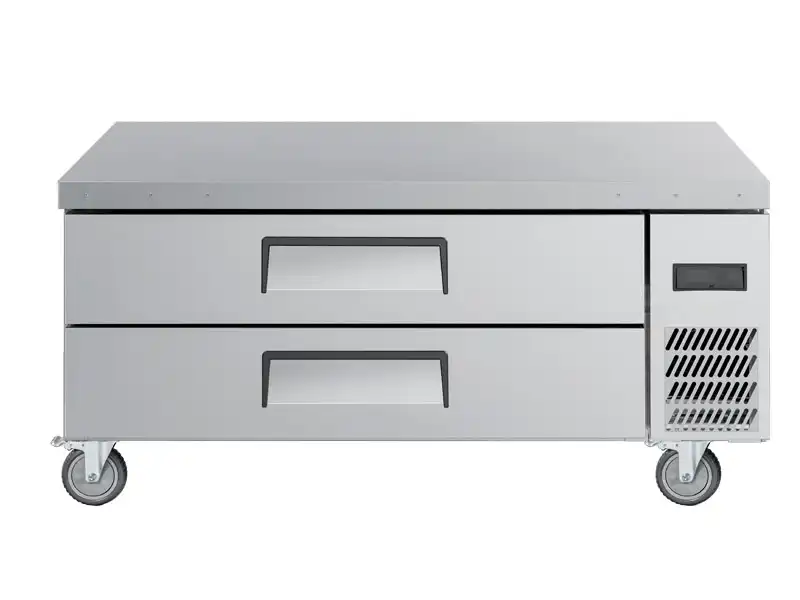
The MSR-48M demonstrates this approach with stainless steel construction throughout—exterior, interior, and rounded bottom corners that simplify daily maintenance. Practical design choices like these reduce the labor burden on kitchen staff while improving actual sanitation results.
What materials are best for hygienic and durable salad bar construction?
Food-grade stainless steel (SS304) sets the standard for surfaces that contact food or require frequent sanitization. Solid surface materials work well for countertop areas where a seamless appearance matters. Glass sneeze guards provide protection and visibility without compromising presentation. Antimicrobial surface treatments add another layer of protection, though they supplement rather than replace proper cleaning protocols. Material choices that prioritize hygiene and durability protect both guest health and equipment investment over time.
Layout Strategies That Keep Service Moving
A salad bar’s physical arrangement affects guest experience more than most operators realize. Poor layout creates congestion, slows service, and frustrates guests who just want to build a salad without navigating a crowd.
The logical flow follows how people actually assemble salads. Plates first, then base greens, followed by proteins and toppings, with dressings at the end. This sequence matches natural behavior and prevents the backtracking that creates bottlenecks.
Positioning matters relative to the rest of your buffet operation. The salad bar needs to be accessible without sitting directly in main traffic paths. Guests should be able to approach, serve themselves, and move on without blocking others who are heading elsewhere.
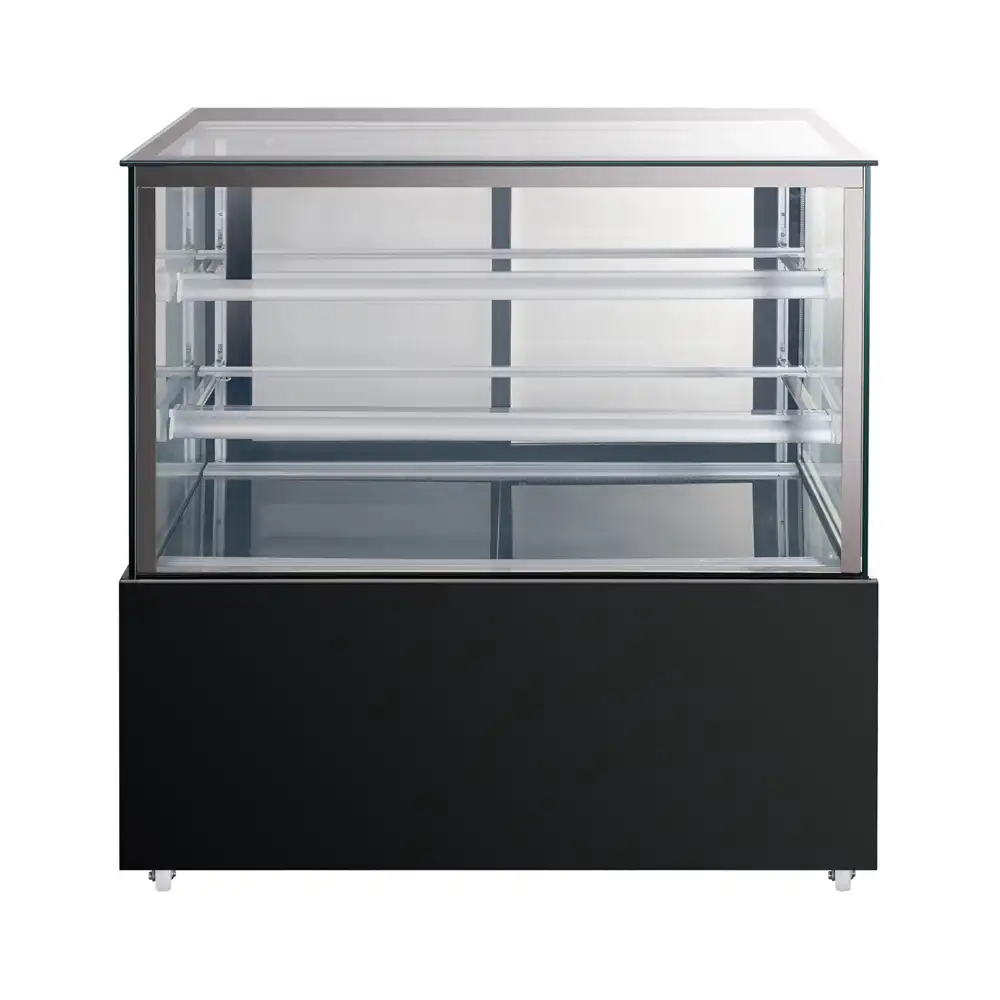
Under counter refrigeration units and chef base configurations support efficient replenishment by keeping backup ingredients within reach of the serving line. Staff can restock without disappearing to a distant walk-in cooler, which keeps the display looking full and appealing throughout service.
Modular equipment configurations adapt to different room setups and event requirements. A configuration that works for daily breakfast service might need adjustment for a large conference lunch. Flexibility in the equipment itself reduces the compromises you have to make.
How to optimize buffet salad bar layout for peak efficiency?
Position the salad bar where guests can access it easily without creating traffic conflicts with other buffet stations. Arrange ingredients in the sequence people naturally follow when building a salad—base greens, proteins, toppings, dressings. Leave enough space around the unit for comfortable movement on both the guest side and the staff access side. Design the back-of-house connection so replenishment happens quickly and without disrupting service. Clear traffic flow and logical ingredient arrangement minimize wait times and improve the overall dining experience.
Evaluating Total Cost and Supplier Reliability
Equipment purchase price tells only part of the cost story. Energy consumption, maintenance requirements, and potential food waste all contribute to the true cost of ownership over the equipment’s lifespan.
Refrigeration efficiency directly affects operating costs. Units with R290 refrigerant and proper insulation (polyurethane with cyclopentane) consume less energy while maintaining temperature performance. The savings accumulate over years of daily operation.
Supplier selection affects what happens after the purchase. Warranty coverage, parts availability, and technical support capabilities determine how quickly you can resolve problems when they occur. A manufacturer with established service infrastructure provides more reliable long-term support than one without.
Certifications (ETL, DOE, ENERGY-STAR, CE) verify that equipment meets established performance and safety standards. These aren’t just checkboxes—they indicate that the manufacturer has invested in testing and compliance processes that protect your operation.
Twenty-six years of manufacturing experience across global hotel projects provides the kind of application knowledge that newer suppliers simply haven’t accumulated. Understanding how equipment performs in actual hotel environments, across different climates and service patterns, informs better design decisions.
Where Salad Bar Technology Is Heading
Several developments are reshaping what’s possible in buffet salad bar equipment. Smart refrigeration systems with IoT connectivity enable real-time temperature monitoring and can flag potential issues before they become food safety problems. Predictive maintenance capabilities reduce unexpected downtime.
Sustainable materials are gaining traction as hotels respond to guest expectations and regulatory pressure around environmental impact. Recycled materials and more sustainable manufacturing processes are becoming competitive with traditional approaches.
Interactive display technology offers possibilities for communicating nutritional information, allergen warnings, and ingredient sourcing details directly at the point of service. Health-conscious guests increasingly expect this kind of transparency.
The fundamental requirements—reliable refrigeration, hygienic materials, efficient layout—remain constant even as technology evolves. New capabilities layer on top of these basics rather than replacing them.
Working with ZHEJIANG KAIMEI on Buffet Equipment
ZHEJIANG KAIMEI CATERING EQUIPMENT CO., LTD provides one-stop manufacturing for buffet salad tables and related refrigeration equipment. Custom specifications accommodate the particular requirements of individual hotel operations. Contact the team for consultation on equipment selection and configuration. Phone: +8618157202219, Email: Sales@hzcamay.com
Frequently Asked Questions About Hotel Buffet Salad Tables
How do semi-salad tables differ from mega salad tables in hotel applications?
Semi-salad tables serve focused applications—smaller buffets, dedicated stations, or supplementary positions within larger spreads. They optimize space while providing adequate cold holding for curated selections. Mega salad tables handle high-volume operations with extensive ingredient variety, offering more capacity and often multiple access points to manage guest flow. The choice depends on your actual guest volume, menu complexity, and available floor space.
What are the key considerations for maintaining food safety in a refrigerated salad bar?
Temperature consistency below 40°F (4°C) forms the foundation. Sneeze guards protect against airborne contamination. Regular cleaning and sanitization prevent bacterial buildup on surfaces and equipment. Frequent ingredient replenishment keeps the display fresh and reduces the time any item spends in the temperature danger zone. Staff training on HACCP principles ensures everyone understands their role in maintaining safe conditions.
Can ZHEJIANG KAIMEI customize salad bar solutions for unique hotel buffet designs?
Yes. As a manufacturer with design and production capabilities, ZHEJIANG KAIMEI develops custom buffet salad tables that integrate with specific hotel aesthetics and operational requirements. The process involves understanding your space constraints, service patterns, and presentation goals, then engineering equipment that addresses those particular needs.
What impact does energy efficiency have on the long-term cost of a hotel salad bar?
Energy-efficient refrigeration equipment reduces operating costs throughout the equipment’s lifespan. Advanced insulation, efficient compressors, and smart temperature controls all contribute to lower electricity consumption. For equipment that runs continuously, these efficiency gains compound into meaningful savings over years of operation. The initial investment in efficient equipment typically pays back through reduced utility costs.
How often should a hotel buffet salad bar be cleaned and sanitized?
Thorough cleaning and sanitization should happen at least daily, typically after each service period ends. High-touch surfaces—serving utensils, sneeze guard handles, tray rails—need more frequent attention throughout service. Establishing clear protocols and training staff on proper techniques ensures consistent hygiene standards and prevents the gradual buildup of contamination that compromises food safety.
If you’re interested, check out these related articles:
Upright Freezer vs Refrigerator Key Differences Explained
Essential Maintenance Tips for Your Commercial Chef Base Refrigerator
Ultimate Buyers Guide for Commercial Reach In Refrigerators
Essential Maintenance Tips for Commercial Reach In Refrigerators
Essential Commercial Chef Base Fridge Installation Tips