

Keeping commercial kitchen prep counters in shape is the kind of work that pays you back every single shift. After 26 years watching equipment in the field, we have seen, again and again, how consistent care stretches lifespan, keeps energy use predictable, and avoids the kind of breakdowns that wreck a service and invite health code trouble. The fix is not glamorous, but it is straightforward, and when teams stick to it, hygiene stays tight, equipment lasts longer, and the workflow stays smooth.
Understanding the Importance of Prep Counter Maintenance in Commercial Kitchens
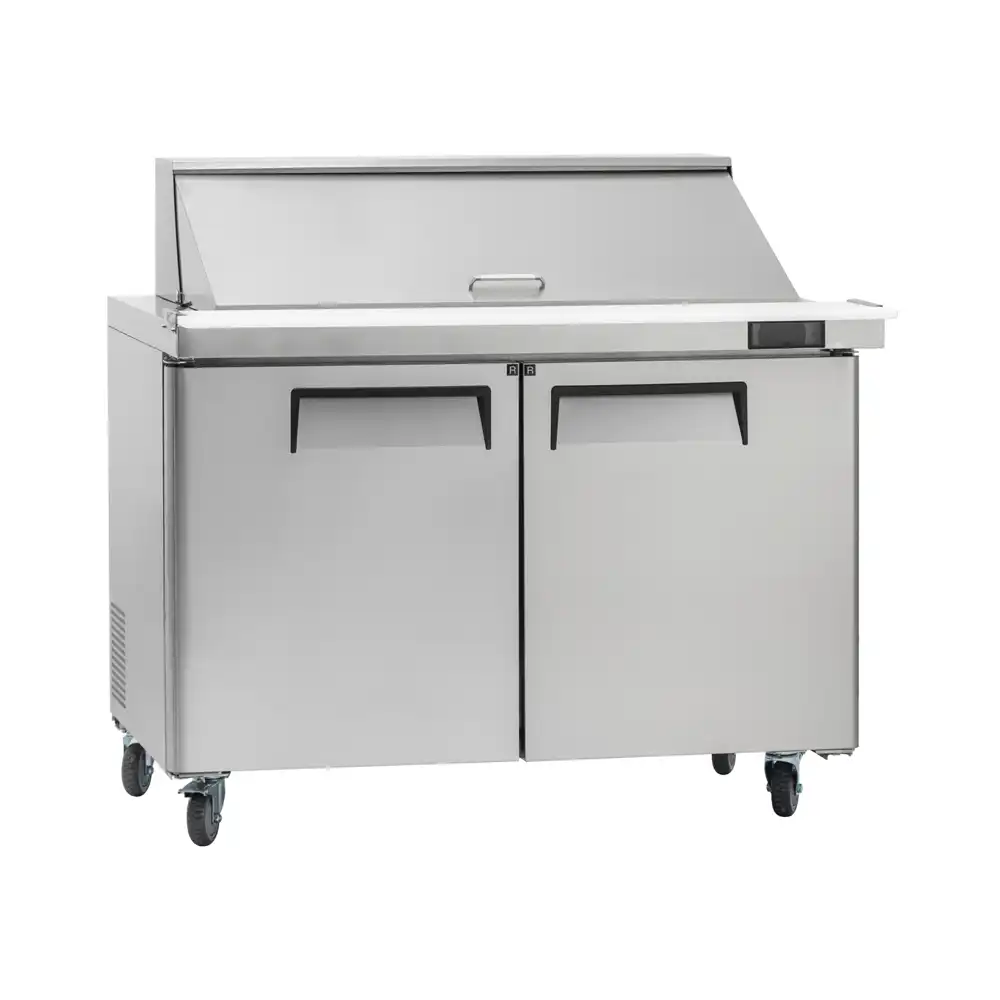
Commercial kitchens run hard, so every piece of equipment has to show up reliably. Prep counters, especially refrigerated units like the Camay Commercial Worktop Refrigerator or Salad Prep Table, sit at the center of that daily rhythm. Because they never get a day off, they need steady maintenance to prevent interruptions and to keep food safe.
1. Why regular maintenance extends equipment lifespan
Routine care is what keeps commercial prep counters running for years, not months. Consistent cleaning and inspection stop grime and wear from chewing through components. A simple example we see all the time, clean condenser coils on refrigerated prep units keep the compressor from laboring, which extends its life. Skip that, and parts work harder than they should, fail early, and cost more to replace. Our experience shows that planned maintenance cuts down major repairs and stretches service life in a measurable way. It also protects the efficiency of the key parts, so they keep performing the way they were designed to.
2. The role of hygiene in food safety and operational efficiency
Hygiene is non-negotiable in a commercial kitchen, and it drives both food safety and productivity. Prep counters are primary food contact surfaces, so thorough cleaning prevents cross-contamination and bacterial growth. Health codes back this up with strict sanitation requirements to protect public health. Beyond staying compliant, a clean prep area makes the line move faster because no one is second-guessing surface safety. Neglect invites foodborne illness, reputational damage, and fines. We keep stressing this point because spotless prep counters protect customers and keep operations running smoothly.
3. Common problems arising from neglected prep counter maintenance
Let prep counter maintenance slide, and the issues stack up. In refrigerated units, dirty condenser coils often lead to weak cooling and temperature swings. Food safety suffers, and power consumption climbs. Worn door gaskets leak cold air, so the compressor never gets a break. Odd noises or vibrations usually mean loose parts or motors on their way out. Leave those small problems alone, and they turn into big repairs or full replacements. That kind of disruption hits both workflow and the bottom line.
Daily Cleaning Protocols for Commercial Prep Counters
Daily cleaning is your first layer of protection against contamination and wear. When teams make it part of closing procedures, hygiene holds steady and equipment keeps performing as expected.
1. Best practices for surface cleaning and sanitization
Effective surface cleaning and sanitization are the baseline for maintaining commercial prep counters.
1. Clear all food items and debris from the counter surface.
2. Wipe down surfaces with a damp cloth to remove visible soil.
3. Apply a commercial-grade degreaser to cut through grease and food residue.
4. Rinse the surface thoroughly with clean water.
5. Apply an approved food-safe sanitizer according to manufacturer instructions.
6. Allow the sanitizer to air dry to ensure its effectiveness.
7. Regularly check for scratches or damage that could harbor bacteria.
Maintaining surfaces this way prevents bacterial growth and supports a safe food preparation environment.
2. Proper care for cutting boards and food contact surfaces
Cutting boards and other food contact surfaces need specific attention to prevent cross-contamination.
1. Wash cutting boards immediately after each use with hot, soapy water.
2. Use separate cutting boards for raw meats, poultry, seafood, and produce to avoid cross-contamination.
3. Sanitize all cutting boards and food contact surfaces with an appropriate solution.
4. Inspect cutting boards for deep cuts or grooves, which can harbor bacteria and require replacement.
5. Store cleaned and sanitized cutting boards in a dry, designated area.
Handled this way, these items stay within food safety standards.
3. Cleaning schedules for high-traffic prep areas
High-traffic prep areas benefit from disciplined, frequent cleaning to hold the line on hygiene.
1. Implement a “clean-as-you-go” policy for immediate spill and debris cleanup.
2. Schedule mid-shift wipe-downs and sanitization for all active prep surfaces.
3. Conduct a thorough cleaning and sanitization of all surfaces at the end of each shift.
4. Assign specific staff members responsibility for cleaning particular zones.
5. Use color-coded cleaning tools to prevent cross-contamination between areas.
These structured schedules limit bacterial buildup and keep stations ready for the next rush.
Deep Cleaning and Component Inspection for Refrigerated Prep Counters
Deep cleaning and internal inspections of refrigerated prep counters are key to performance and longevity. This work goes beyond daily surface care and targets the parts that drive cooling efficiency and sanitation. Our Camay Commercial Worktop Refrigerator Cooler Fridge and Salad Prep Table models respond especially well to these step-by-step procedures.
1. How to clean condenser coils for optimal cooling efficiency
Cleaning condenser coils keeps refrigerated prep counters cooling the way they should.
1. Disconnect the unit from its power source to ensure safety.
2. Locate the condenser coil, typically found at the bottom or rear of the unit.
3. Use a stiff brush or a vacuum cleaner with a brush attachment to remove dust and debris.
4. Clean the fan blades to ensure proper airflow.
5. Ensure no debris obstructs the airflow around the coil.
6. Reconnect the power after completing the cleaning.
Stick to this, and you reduce overheating and energy use, while extending the unit’s lifespan.
2. Inspecting and cleaning door gaskets and seals
Door gaskets and seals keep temperature steady and power use in check.
1. Visually inspect gaskets for cracks, tears, or signs of wear.
2. Check for proper seal by closing the door on a piece of paper; if it slides out easily, the seal is weak.
3. Clean gaskets regularly with mild soap and water to remove food particles and grime.
4. Lubricate gaskets with a food-safe silicone lubricant to maintain flexibility.
5. Replace any damaged or severely worn gaskets promptly to prevent cold air leaks.
Good gasket care stabilizes internal temperatures and reduces energy waste.
3. Maintaining the interior of refrigerated prep counters, including shelves and drawers
Keep the interior clean and organized to support both hygiene and proper storage.
1. Remove all food items, shelves, and drawers from the unit.
2. Wash shelves and drawers with hot, soapy water, then rinse and sanitize them.
3. Wipe down the interior walls with a food-safe cleaner and sanitizer.
4. Pay attention to corners and crevices where food particles can accumulate.
5. Allow the interior to air dry completely before returning items.
6. Organize food items to allow for proper air circulation.
This prevents odors and bacterial growth while maintaining a safe storage environment.
4. Checking and cleaning drain pans and lines to prevent blockages
Drain pans and lines handle condensation, so keeping them clear avoids water issues.
1. Locate the drain pan, usually beneath the evaporator coil.
2. Remove the drain pan and empty any accumulated water.
3. Clean the drain pan thoroughly with warm, soapy water and a brush to remove slime and mold.
4. Inspect the drain lines for blockages, using a pipe cleaner or small brush if necessary.
5. Ensure the drain line is clear and allows for unrestricted water flow.
6. Reinstall the drain pan securely.
Regular attention here prevents overflows, leaks, and related health hazards.
Troubleshooting Common Issues with Commercial Prep Counters
Even with solid routines, prep counters can act up. Quick, informed troubleshooting limits downtime and stops small issues from turning into big ones. We suggest jumping on these signs as soon as they appear to keep service steady.
1. Addressing temperature fluctuations in refrigerated units
Temperature swings in refrigerated prep units threaten food safety and drive up energy costs.
1. Check the thermostat settings to ensure they are correct.
2. Verify that the condenser coils are clean and free of obstructions.
3. Inspect door gaskets for any signs of damage or improper sealing.
4. Ensure the unit is not overloaded, which can restrict airflow.
5. Confirm that the fan motor is operating correctly to circulate air.
6. Consult a technician if these steps do not resolve the issue.
Consistent temperatures protect product and keep you compliant. If you’re comparing refrigeration solutions, consider Chef Base Fridge vs Undercounter Fridge Which Is Best for Your Kitchen.
2. Resolving issues with excessive noise or unusual odors
Loud operation or odd smells usually point to developing mechanical or sanitation issues.
1. Investigate unusual noises to identify their source, such as loose fan blades or vibrating components.
2. Tighten any loose screws or parts that may be causing vibration.
3. Clean the interior thoroughly to eliminate any lingering food odors or bacterial growth.
4. Check the drain pan and line for stagnant water or mold buildup, which can cause odors.
5. Ensure proper ventilation around the unit to prevent motor strain.
6. Contact a qualified technician if the noise or odor persists after these checks.
Handle these quickly to avoid further damage and to keep the kitchen comfortable to work in.
3. Simple fixes for minor mechanical problems and wear and tear
Small fixes, handled early, prevent bigger headaches later.
1. Replace worn-out door hinges or latches to ensure proper door closure.
2. Tighten loose screws on panels or handles to prevent rattling.
3. Lubricate moving parts, such as drawer slides, with food-safe lubricant.
4. Repair or replace damaged shelves to maintain structural integrity.
5. Address minor dents or scratches on stainless steel surfaces to prevent rust.
6. Regularly inspect electrical cords for fraying or damage and replace if necessary.
Staying on top of these details keeps equipment dependable and ready for service.
Implementing a Preventative Maintenance Schedule for Your Prep Counters
A structured preventative maintenance schedule keeps commercial prep counters reliable and efficient over the long haul. With a clear plan, surprise failures are less likely, and health standards are easier to meet.
1. Creating a comprehensive maintenance checklist for daily, weekly, and monthly tasks
A comprehensive maintenance checklist helps teams hit every task on time.
Daily Tasks:
* Wipe down all exterior and interior surfaces.
* Clean and sanitize cutting boards and food contact surfaces.
* Check and log internal temperatures of refrigerated units.
* Clear any visible debris from condenser coils.
Weekly Tasks:
* Deep clean and sanitize all shelves and drawers.
* Inspect and clean door gaskets and seals.
* Clean the exterior of the unit, including sides and back.
* Check for proper drainage in refrigerated units.
Monthly Tasks:
* Thoroughly clean condenser coils.
* Inspect and clean drain pans and lines.
* Check all electrical connections for wear or damage.
* Verify proper calibration of temperature controls.
* Examine hinges, latches, and casters for functionality.
We manufacture various prep counters, including the Camay Commercial Worktop Refrigerator Cooler Fridge and the Camay 60” Countertop Refrigerated Chef Base. These products are built for durability and straightforward upkeep, making preventative routines easier to execute.
| Feature/Component | Daily | Weekly | Monthly |
|---|---|---|---|
| Surface Cleaning & Sanitization | Yes | Yes | Yes |
| Cutting Board Care | Yes | No | No |
| Temperature Check | Yes | No | No |
| Shelf & Drawer Cleaning | No | Yes | No |
| Gasket & Seal Inspection | No | Yes | No |
| Condenser Coil Cleaning | Visual Check | No | Yes |
| Drain Pan & Line Cleaning | No | No | Yes |
| Electrical Connection Check | No | No | Yes |
| Hinge & Caster Inspection | No | No | Yes |
2. The benefits of professional servicing and when to schedule it
Professional servicing adds a second set of expert eyes and covers the advanced tasks your crew should not have to handle.
1. Professional technicians can identify potential issues before they become critical problems.
2. They perform complex tasks like refrigerant level checks and compressor diagnostics.
3. Professional servicing ensures compliance with warranty requirements.
4. Schedule professional servicing at least once or twice a year, depending on usage.
5. Call a technician immediately for persistent temperature issues, unusual noises, or refrigerant leaks.
Professional service helps equipment last longer and stay at peak performance. For more insights on professional maintenance, consider reading Essential Maintenance Tips for Your Commercial Chef Base Refrigerator.
3. Recommended tools and supplies for effective prep counter maintenance
The right tools make maintenance faster and more consistent.
1. Use food-safe cleaning solutions and sanitizers for all surfaces.
2. Keep soft cloths, sponges, and scrub brushes for different cleaning tasks.
3. Acquire a condenser coil brush or vacuum cleaner with attachments for coil cleaning.
4. Maintain a supply of food-safe silicone lubricant for gaskets and moving parts.
5. Have a thermometer to regularly check and calibrate unit temperatures.
6. Keep a basic toolkit with screwdrivers and wrenches for minor adjustments.
With these on hand, cleaning is thorough and troubleshooting goes quicker.
Partner with ZHEJIANG KAIMEI for Reliable Commercial Refrigeration Solutions
Keep your kitchen running at peak efficiency with reliable prep counters and real support behind them. Our 26 years of experience building high-quality commercial refrigeration means we know what holds up shift after shift. From durable worktop refrigerators to efficient chef bases, our equipment is engineered for longevity and steady performance. Contact us to discuss your requirements or to learn more about our OEM/ODM services.
Phone: +86 181 5720 2219
Email: Sales@hzcamay.com
FAQs
1. How often should I deep clean my commercial prep counter?
Plan on a monthly deep clean. That means condenser coils, drain pans, and the full interior, including shelves and drawers. Daily and weekly routines keep surfaces safe, while the monthly work clears long-term buildup and keeps performance steady.
2. What are the signs that my refrigerated prep counter needs professional service?
Watch for ongoing temperature swings, excessive noise, unusual odors, visible refrigerant leaks, or a compressor that runs constantly without reaching set temperature. These often point to mechanical or refrigerant issues that call for expert service.
3. Can I use any cleaning product on my stainless steel prep counter?
No. Skip abrasive cleaners, steel wool, and anything with chlorine bleach, since they can scratch or corrode the surface. Use mild, food-safe detergents, stainless steel cleaners, or warm water mixed with white vinegar.
4. How do I prevent mold and mildew growth in my refrigerated prep counter?
Clean and dry the interior regularly, with extra attention to gaskets and drain pans. Do not overload the unit so air can circulate, fix leaks or condensation quickly, and keep temperatures stable. All of that suppresses mold growth.
5. What are the energy efficiency benefits of regular prep counter maintenance?
Regular care saves energy. Clean condenser coils keep the compressor from overworking, and fresh door gaskets stop cold air leaks so the unit holds temperature without burning extra power. Expect lower utility costs and a smaller environmental footprint.