

You know, running a restaurant kitchen, keeping everything humming along just right, it all really boils down to one thing: your cold storage. It’s not just about keeping things chilly; it’s about making sure your food stays safe, cutting down on what you throw away, and honestly, just staying on the right side of those health inspectors. Pick the right fridge, the right freezer, and you’re not just buying a piece of equipment – you’re investing in how smoothly your whole operation runs and, ultimately, how happy your customers are. That’s why we’ve put so much thought into creating solutions that slot right into any kitchen, whether you’re a cozy little cafe or a bustling, big-time operation.
Why Reliable Restaurant Cold Storage is Crucial for Food Safety and Efficiency
1. Understanding the Impact of Proper Food Preservation
Proper food preservation, at its heart, is absolutely fundamental to any restaurant that wants to succeed. It’s how you keep your ingredients fresh, make them last longer, and, most importantly, protect everyone from nasty foodborne illnesses. Skimp on this, and you’ll see food spoiling way too fast, leading to a real drain on your finances as you toss perfectly good (or once good) inventory. But get it right – consistent temperature control, that is – and your ingredients keep their quality, their flavor, and all their nutritional goodness. And let’s be honest, that’s what keeps customers coming back. Plus, with good cold storage, you can buy in bulk, which saves you a pretty penny on procurement and makes managing your inventory a whole lot smoother.
2. The Risks of Inadequate Refrigeration in Commercial Kitchens
Now, let’s talk about the flip side: inadequate refrigeration. In a commercial kitchen, this isn’t just a minor inconvenience; it’s a serious gamble. When temperatures jump around or a unit decides to call it quits, you’re looking at compromised food safety, a breeding ground for bacteria, and potentially, a full-blown food poisoning outbreak. Believe me, you don’t want that kind of headline. Such incidents don’t just trash a restaurant’s reputation; they can lead to hefty fines, legal battles, or even having to shut your doors for good. Beyond the health hazards, poor refrigeration means more food waste, higher operating costs, and a kitchen workflow that feels like trying to run in quicksand. And for the kitchen staff? It’s just a constant source of stress, trying to salvage ingredients that are already on the fritz.
3. Key Regulations and Compliance for Restaurant Cold Storage
Restaurants, bless their hearts, have to play by some pretty strict rules when it comes to food storage temperatures and equipment standards. Health departments aren’t messing around; their guidelines are there to stop foodborne illnesses in their tracks. We’re generally talking about safe temperature ranges for different foods, usually somewhere between 0.5°C and 5°C (33°F and 41°F) for refrigeration, and a frosty -18°C (0°F) or below for freezing. To stay compliant, you need to be on top of regular temperature monitoring, keeping your equipment in tip-top shape, and meticulous record-keeping. And those certifications, like ETL and NSF? They’re your assurance that your equipment meets all the necessary safety and sanitation benchmarks.
Exploring Diverse Cold Storage Equipment for Every Restaurant Need
1. Worktop Refrigerators: Combining Storage and Prep Space
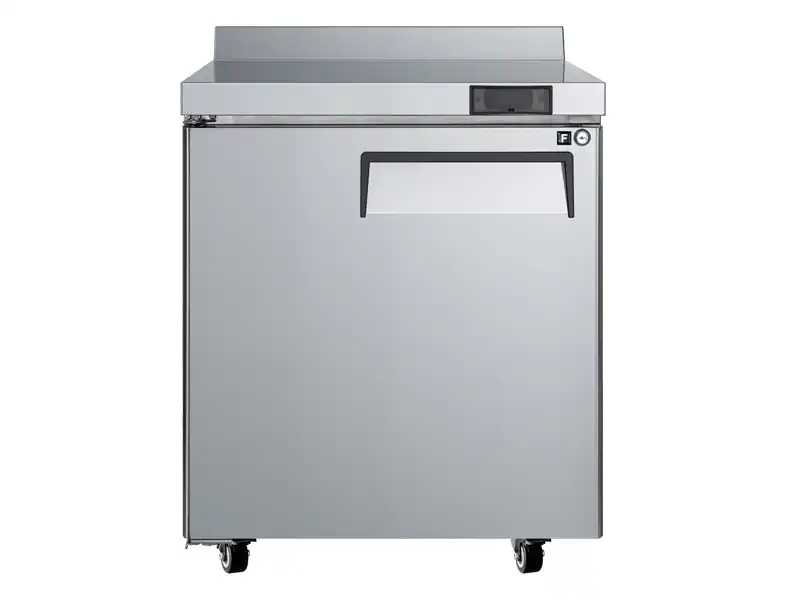
Worktop refrigerators are truly brilliant, offering a clever two-in-one solution: chilled storage right alongside a handy work surface. If you’re in a kitchen where every inch counts, these are a godsend. Chefs can grab ingredients in a flash while they’re prepping, which really speeds things up. Take our Camay Commercial Worktop Refrigerator Cooler Fridge (Model MWTF-27-L), for example. It’s built tough with stainless steel, uses eco-friendly R290 refrigerant, and keeps things precisely between 0.5°C and 5°C (33°F and 41°F). Plus, you can even get it with casters, so you can wheel it around if your kitchen layout needs to shift – pretty flexible, right?
2. Commercial Chef Bases: Under-Counter Refrigeration for High-Volume Kitchens
Commercial chef base units are another smart design, tucking refrigeration right under your cooking gear – think griddles or charbroilers. This means chefs aren’t running all over the place; everything’s right there, making things flow so much better in those busy, high-volume kitchens. Our Camay 60” Countertop Refrigerated Chef Base (Model MAR-60A) is a prime example, with a super sturdy, single-piece worktop and consistent temperatures between 0.5°C and 5°C (33°F and 41°F). It also uses that energy-efficient R290 refrigerant and comes with 4-inch casters for easy repositioning. Honestly, these units are absolutely vital for squeezing every drop of efficiency out of your kitchen. If you’re keen to dive deeper into making your kitchen more efficient, you might want to check out Boost Kitchen Efficiency Workflow Optimization with Chef Base Fridges.
3. Undercounter Refrigerators: Maximizing Space in Compact Kitchens
Undercounter refrigerators are fantastic for those spots where space is at a premium. They slide right under your countertops, giving you crucial cold storage without eating up precious floor space. Perfect for smaller kitchens or specific workstations where you need chilled ingredients immediately. Our Camay Commercial Solid Door Undercounter (Model MTR-72) offers a generous 576 liters of capacity with that precise 0.5°C to 5°C temperature control. And then there’s the Camay MTR-48 2-Door Commercial Undercounter Refrigerator, which gives you 368 liters, also with R290 refrigerant and that durable stainless steel construction. These units often come with thoughtful touches like self-closing doors and removable gaskets, making cleanup a breeze. If you’re still mulling over your refrigeration options, you might find Chef Base Fridge vs Undercounter Fridge Which Is Best for Your Kitchen quite helpful.
4. Specialty Prep Tables: Optimized Solutions for Salads and Pizzas
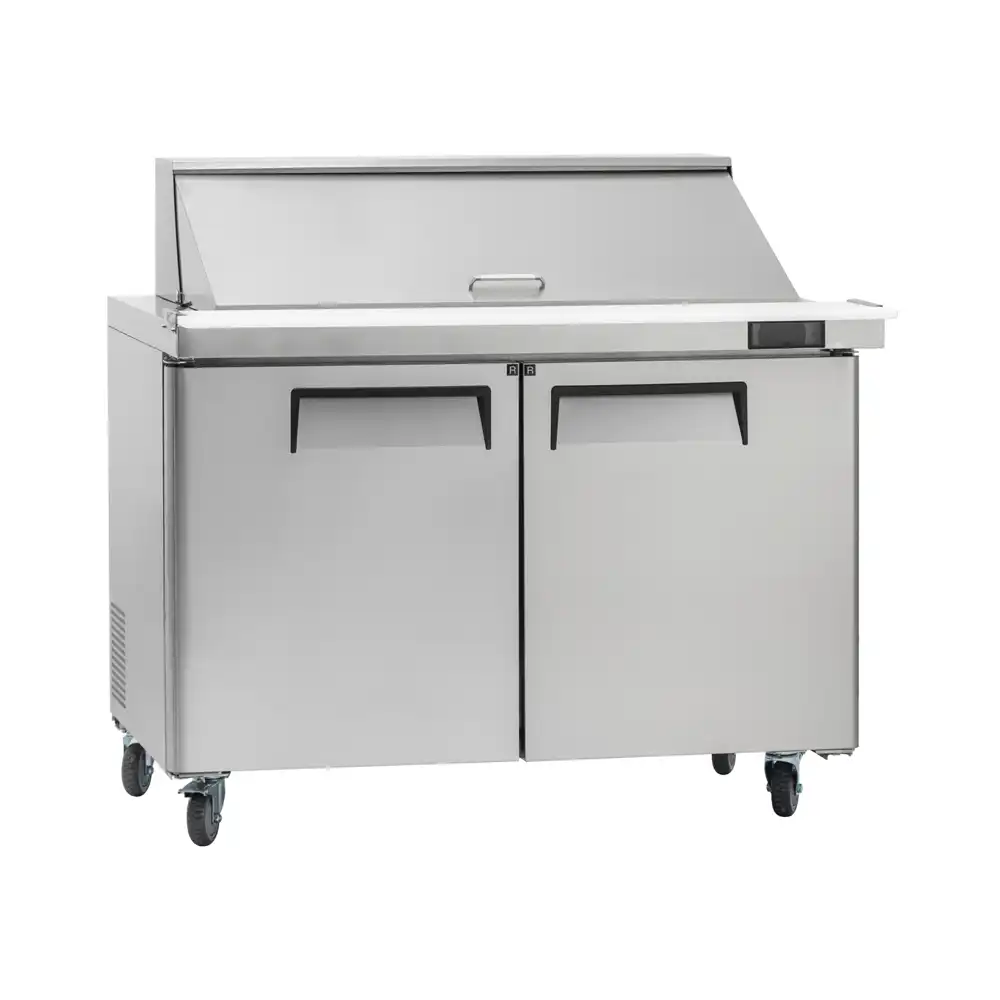
Specialty prep tables are brilliant because they’re designed with specific culinary tasks in mind, bringing together refrigerated storage and a dedicated workspace. Take salad prep tables, like our Camay MSR-48M. They’re all stainless steel, inside and out, keeping ingredients perfectly chilled at 0.5–5°C (33–41°F). They’ve got a lid for easy access and often come with different pan configurations for all your various ingredients. Then there are pizza prep tables, like the VRX395-1600, which give you refrigerated storage for all your toppings and a big, open surface for assembling pizzas, holding temperatures between +2°C and +8°C. These tables really do wonders for efficiency and keeping ingredients super fresh during the busiest prep times.
5. Display Cases: Merchandising Freshness While Maintaining Temperature
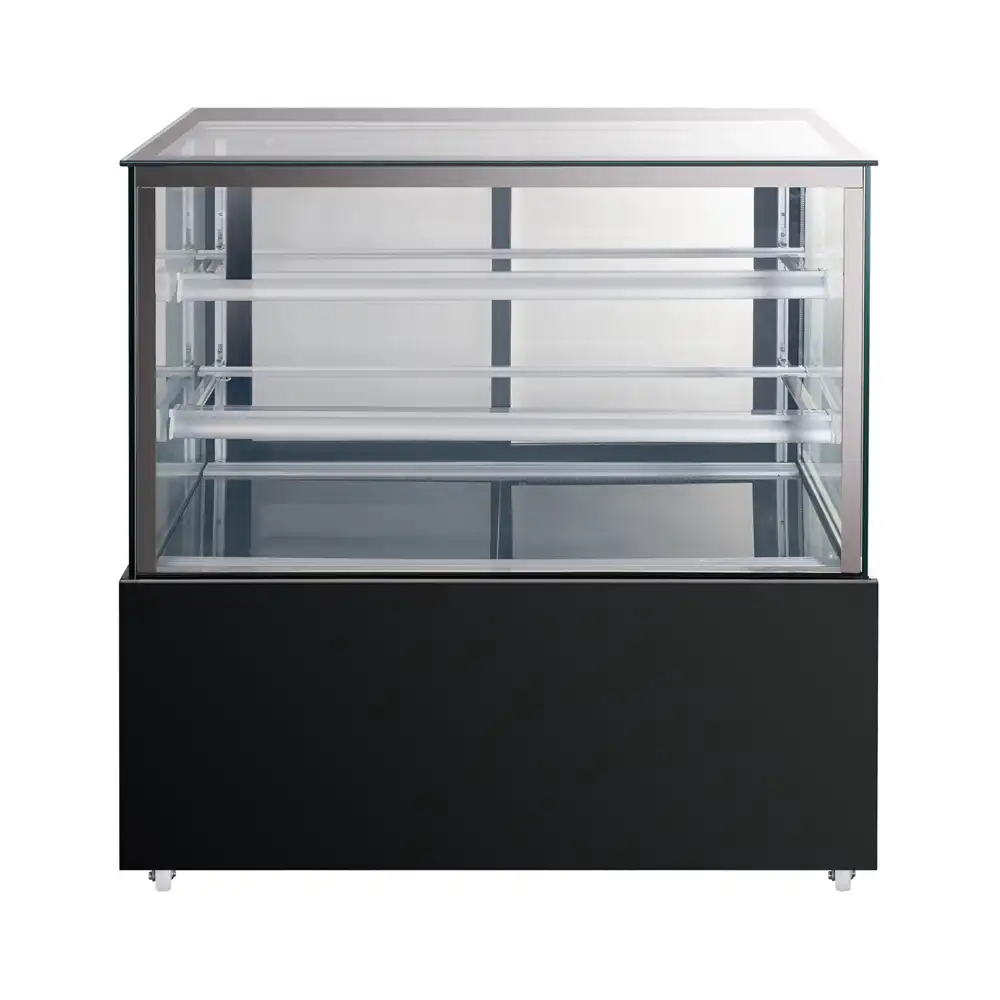
Refrigerated display cases are a must-have for restaurants and cafes that want to show off their perishable goodies while keeping them perfectly safe. If you run a bakery, a coffee shop, or a dessert spot, these are absolutely essential. Our Commercial Cake Display Cooler (DWG-1800ZA) boasts super stable temperature control and CFC-free insulation. It’s that perfect blend of looking good and working hard, ensuring your products stay fresh and utterly enticing to your customers. These cases are truly critical for showcasing cakes, desserts, and any other delicate items.
Key Features to Consider When Choosing Restaurant Cold Storage Equipment
1. The Importance of Durable Stainless Steel Construction
When it comes to commercial cold storage, durable stainless steel construction isn’t just a nice-to-have; it’s absolutely paramount. Stainless steel is incredibly tough, shrugging off corrosion, rust, and impacts – which, let’s face it, is exactly what you need in a busy kitchen. Plus, it’s got this wonderfully smooth, non-porous surface that’s a dream to clean and sanitize, which is non-negotiable for maintaining those crucial hygiene standards. Whether it’s on the inside or the outside, stainless steel really boosts the unit’s overall strength and, dare I say, its good looks too.
2. Energy Efficiency with Eco-Friendly Refrigerants like R290
Energy efficiency, my friends, is a huge deal. It’s not just about cutting down on your operational costs, though that’s certainly a big part of it; it’s also about being kinder to the planet. Modern cold storage units are increasingly using eco-friendly refrigerants like R290 (that’s propane), which has a much lower global warming potential than the older stuff. Pair that with top-notch polyurethane/cyclopentane foamed insulation, and these R290 systems can really slash your energy consumption. Always keep an eye out for ENERGY STAR certified models – that’s your guarantee of optimal energy performance.
3. Advanced Temperature Control and Monitoring Systems
Precise temperature control isn’t just important; it’s absolutely vital for keeping your food safe and tasting its best. The best systems come with smart digital temperature controls, and often, you’ll find options for IoT and WiFi connectivity. These technologies are brilliant because they let you monitor and manage things remotely, giving you real-time data and instant alerts if anything goes awry with the temperature. Keeping things consistently cool not only prevents spoilage but also ensures you’re always in line with health regulations.
4. Design Innovations for Easy Cleaning and Maintenance
Honestly, anything that makes cleaning and maintenance easier is a win in my book. It directly translates to a more efficient and hygienic operation. Features like removable gaskets, those lovely round-corner inner shelves, and easily accessible condenser coils really simplify those routine cleaning chores. And self-closing doors with recessed handles? They’re genius for preventing accidental temperature swings and just making the unit last longer. These thoughtful design innovations are all about keeping things sanitary and extending the life of your equipment. If you’re curious to learn more about keeping your equipment in top shape, you might want to read Essential Maintenance Tips for Commercial Reach In Refrigerators.
5. Mobility and Flexibility for Dynamic Kitchen Layouts
In a kitchen that’s always evolving, mobility and flexibility are incredibly valuable. Having optional casters means you can easily move units around, which is fantastic for cleaning, maintenance, and when you just need to reconfigure your kitchen layout. This is especially useful in smaller kitchens where optimizing every bit of space is crucial. Some units even offer optional legs if you prefer a fixed installation, giving you that perfect blend of versatility.
6. Essential Certifications for Commercial Refrigeration Equipment
Certifications are your peace of mind, ensuring that your commercial refrigeration equipment meets all the industry benchmarks for safety, sanitation, and performance. Look for key ones like ETL, DOE, ENERGY STAR, CE, and NSF. These certifications confirm that the units are built to withstand the rigors of commercial use, operate safely, and maintain those all-important proper temperatures. We’re pretty proud that our products carry multiple international certifications – it’s a testament to our commitment to quality and compliance.
Optimizing Your Restaurant’s Workflow with Strategic Cold Storage Placement
1. Designing an Efficient Kitchen Layout with Integrated Refrigeration
Seriously, where you put your cold storage units can make a huge difference to how smoothly your kitchen runs. Integrating refrigeration right into your prep stations – think worktop refrigerators or chef base units – means fewer steps for your staff and a huge boost in efficiency. A well-thought-out layout ensures that those frequently used ingredients are always within easy reach, cutting down on prep times and preventing those frustrating bottlenecks. Always consider the entire journey of your ingredients, from when they arrive, to storage, to prep, and finally, to the cooking line.
2. Best Practices for Organizing and Storing Perishable Ingredients
Effective organization within your cold storage units isn’t just about neatness; it’s absolutely critical for food safety and managing your inventory. Get into the habit of using a “first-in, first-out” (FIFO) system – that means using older ingredients before newer ones. Make sure everything is clearly labeled with dates and contents. And please, always store raw meats on the lower shelves to prevent any nasty cross-contamination. Keep pathways clear and never overfill your units; proper air circulation is key to consistent temperatures.
3. Reducing Food Waste and Enhancing Ingredient Freshness
Optimized cold storage directly translates to less food waste and ingredients that stay fresher for longer. Consistent temperatures and smart organization are your best friends here, preventing premature spoilage. When you cut down on waste, you’re not just saving money on ingredient costs; you’re also doing your bit for the environment. And let’s not forget, fresh ingredients mean higher quality dishes, which, in turn, means happier, more loyal customers.
Discover Your Ideal Cold Storage Solution
Choosing the right cold storage solution isn’t just another purchase; it’s a really critical investment in your restaurant’s future success. We’ve put together a comprehensive range of top-notch, energy-efficient, and fully compliant refrigeration equipment, designed to meet all sorts of culinary demands. From those clever worktop refrigerators to specialized prep tables, our products are built to boost your food safety, streamline your operations, and ultimately, help you save money.
Don’t hesitate to reach out to us today. Let’s chat about your specific needs and find that perfect refrigeration solution for your commercial kitchen.
Phone: +86 181 5720 2219
Email: Sales@hzcamay.com
FAQs
1. What are the most common types of cold storage equipment used in restaurants?
Well, in most restaurants, you’ll typically find a mix of cold storage units. We’re talking about your standard reach-in refrigerators and freezers, undercounter fridges, those handy worktop refrigerators, chef bases, and then the more specialized prep tables for things like salads and pizzas. Each one really plays its own role in keeping the kitchen running smoothly and the food perfectly preserved.
2. How often should commercial refrigeration equipment be serviced?
Ideally, commercial refrigeration equipment should get a professional check-up and service at least twice a year. Regular maintenance is key – it keeps everything performing at its best, helps prevent those annoying unexpected breakdowns, and really extends the life of your units. Of course, daily cleaning and routine checks by your staff are super important too.
3. What temperature range is ideal for restaurant cold storage to ensure food safety?
For refrigerated food storage in restaurants, you’re generally aiming for a sweet spot between 0.5°C and 5°C (33°F and 41°F). For freezers, you want to be at or below -18°C (0°F). Sticking to these ranges is crucial because it stops bacteria from growing and keeps your food quality top-notch.
4. What certifications should I look for when purchasing commercial refrigeration units?
When you’re buying commercial refrigeration units, definitely keep an eye out for certifications like ETL, DOE, ENERGY STAR, CE, and NSF. These aren’t just fancy letters; they tell you that the equipment meets strict standards for safety, energy efficiency, and sanitation, giving you confidence in its reliability and compliance.
5. How can I improve the energy efficiency of my restaurant’s cold storage?
To really boost your energy efficiency, start by choosing units that use R290 refrigerant and have excellent insulation. Make sure you’re keeping up with proper maintenance – things like regularly cleaning the coils and checking the gaskets. Avoid overfilling your units, keep them at their optimal temperatures, and consider using smart digital controls for monitoring and managing everything.
About the Author
David Qian, the founder of ZHEJIANG KAIMEI CATERING EQUIPMENT CO., LTD., brings 28 years of extensive experience in the refrigeration industry. His deep understanding of commercial refrigeration equipment and commitment to quality have positioned the company as a leading professional one-stop-shop manufacturer. David’s expertise ensures that all products meet the highest standards of performance, efficiency, and reliability for modern restaurants.