
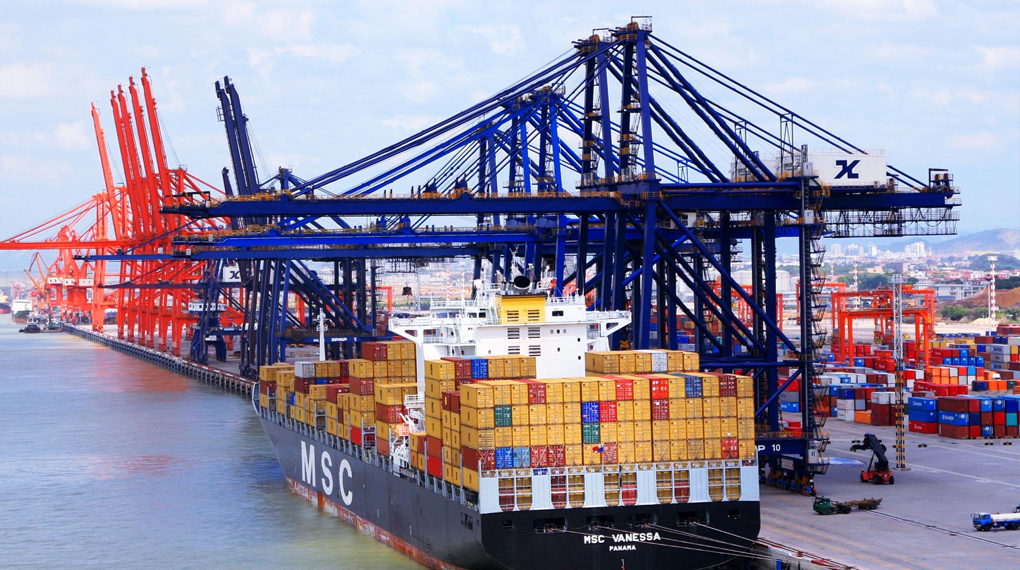
Getting food from cooking temperature down to safe storage temperature quickly — that’s where most kitchens either get it right or quietly take risks they don’t fully understand. The window between 140°F and 40°F is where bacteria thrive, and traditional cooling methods simply can’t move food through that range fast enough. Blast chillers solve this problem directly, dropping temperatures in minutes rather than hours. After years of working with commercial kitchen operations, I’ve seen how this single piece of equipment changes everything from food safety outcomes to daily workflow efficiency.
Why Rapid Chilling Determines Food Safety Outcomes
Rapid chilling sits at the center of foodborne illness prevention in any commercial kitchen. Cooked food must pass through the temperature danger zone — 40°F to 140°F (5°C to 60°C) — as quickly as possible. Within this range, harmful bacteria multiply at alarming rates, sometimes doubling every 20 minutes under ideal conditions.
Leaving hot food on a counter or placing it directly in a walk-in cooler doesn’t work. The cooling happens too slowly, exposing food to prolonged bacterial growth windows. Cross-contamination risks increase as warm food raises ambient temperatures around other stored items.
Blast chillers change this equation entirely. They reduce food temperatures from 160°F (70°C) to 40°F (5°C) within 90 minutes — a timeframe that effectively starves bacteria of their growth opportunity. This rapid temperature drop aligns with HACCP guidelines and satisfies health department requirements across most jurisdictions.
The mechanism is straightforward: high-velocity cold air circulation combined with precise temperature control creates an environment where heat transfers out of food far faster than passive cooling allows. For dense items like roasts or large batches of soup, this difference can mean hours saved and safety margins maintained.
(ASSET: Flowchart: Food Cooling Process vs. Bacterial Growth)
Operational Advantages That Affect Daily Profitability
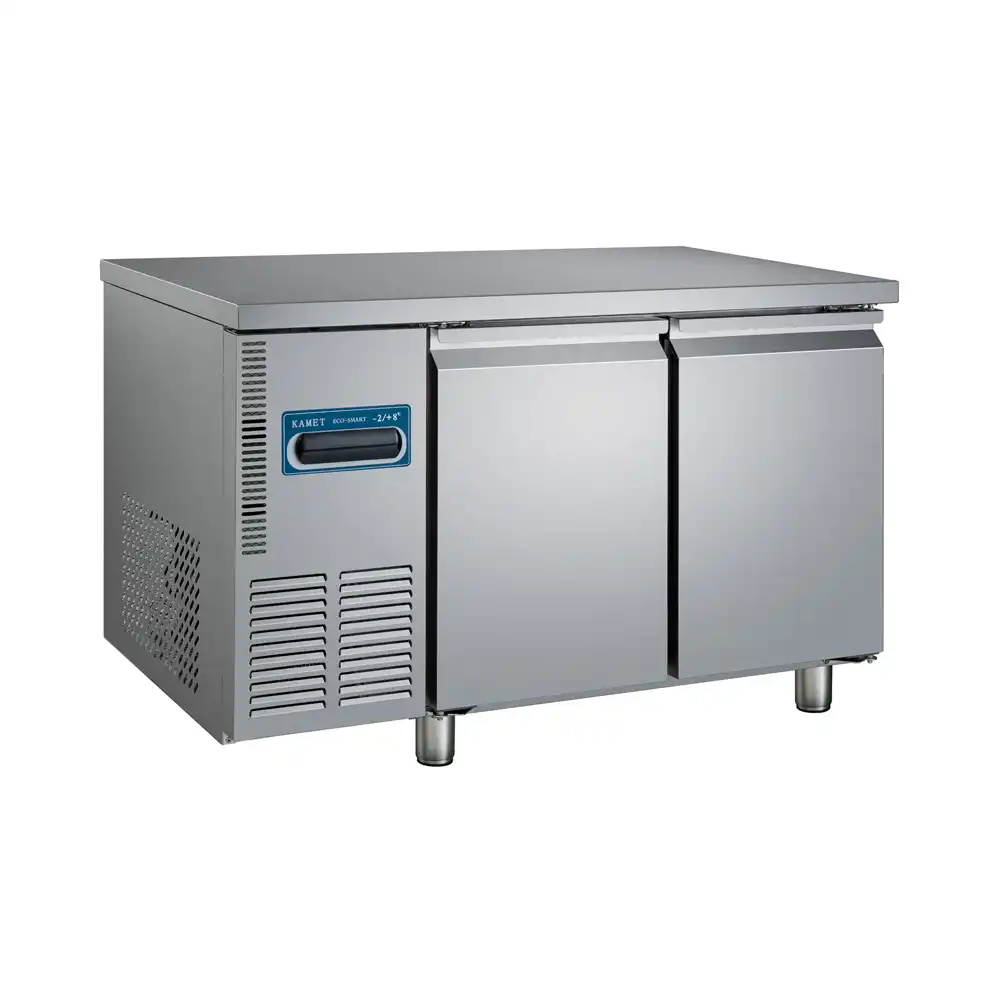
Blast chillers deliver benefits that extend well beyond regulatory compliance. They reshape how kitchens operate, particularly during high-volume service periods.
Kitchen workflow optimization becomes possible when chefs can prepare components in advance without safety concerns. Sauces, proteins, and prepared vegetables can be cooked during slower periods, rapidly chilled, and stored for assembly during rush hours. This pre-preparation capability reduces stress on line cooks and improves consistency across plates.
Food quality preservation is another measurable outcome. Slow cooling degrades texture and flavor — proteins become mushy, vegetables lose their snap, and sauces separate. Rapid chilling locks in the characteristics that existed at the moment cooking finished. The difference shows up on the plate.
Shelf life extension follows naturally from proper rapid cooling. Foods that might last two days with traditional methods often remain safe and palatable for five or six days after blast chilling. This directly reduces food waste, which represents a significant cost drain for most restaurants. Less spoilage means lower inventory costs and fewer emergency supply runs.
Modern blast chillers also incorporate energy-efficient designs. Variable-speed compressors and improved insulation reduce operating costs compared to older models, making the investment more attractive over time.
How do blast chillers enhance food safety in commercial kitchens?
Blast chillers enhance food safety through rapid cooling that moves cooked food quickly through the temperature danger zone. By dropping temperatures from cooking range to safe storage levels within 90 minutes, they prevent the bacterial multiplication that occurs during slow cooling. This process satisfies HACCP requirements and reduces the risk of foodborne illness significantly compared to traditional cooling methods.
Selecting Equipment That Matches Your Kitchen’s Demands
Choosing the right blast chiller requires honest assessment of your operation’s actual needs rather than aspirational capacity.
Start with chilling capacity calculations. How much cooked food moves through your kitchen during peak production? A busy central kitchen preparing for multiple service locations needs different equipment than a neighborhood bistro cooling prep for the next day’s service.
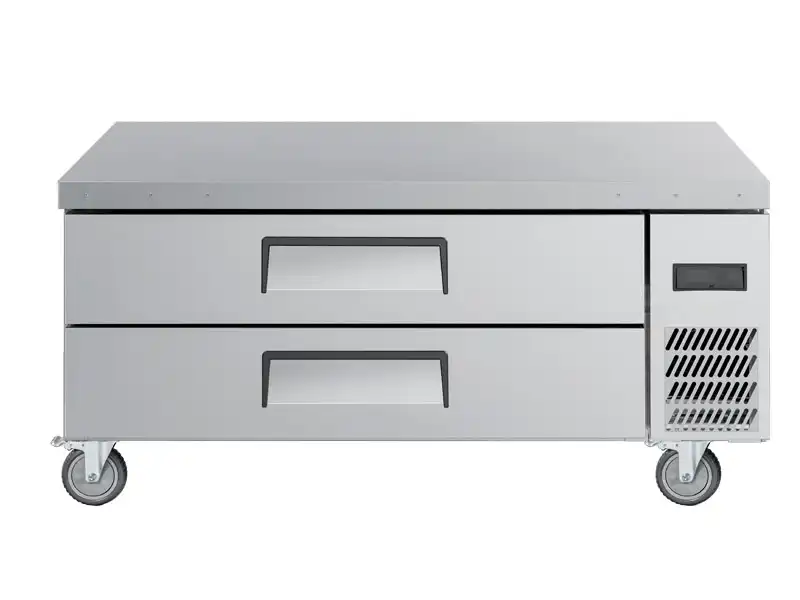
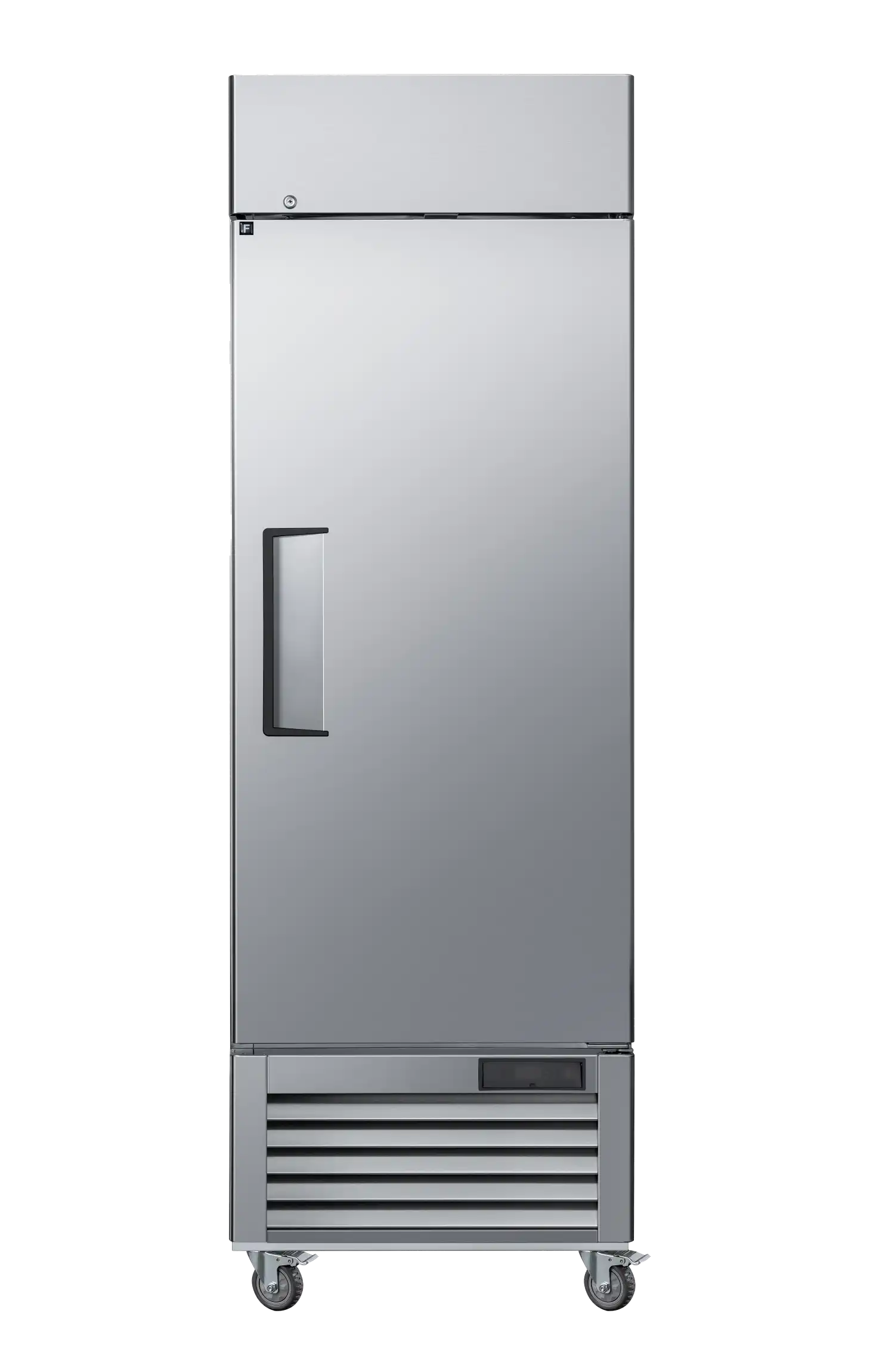
Types of blast chillers fall into several categories. Reach-in models work well for operations with moderate volume and limited floor space. Roll-in units accommodate full sheet pan racks and suit high-volume production kitchens. Undercounter models fit beneath prep tables in tight spaces where every square foot matters.
Energy consumption varies considerably between models. Look for units using eco-friendly refrigerants like R290 and featuring advanced insulation. These design choices affect both operating costs and environmental impact over the equipment’s lifespan.
Installation requirements deserve attention before purchase. Electrical capacity, ventilation needs, and floor space all factor into successful integration. Some units require dedicated circuits or specific clearances for proper airflow.
Certifications indicate quality and compliance. ETL listing confirms safety testing. DOE certification addresses energy standards. ENERGY-STAR ratings identify units that exceed minimum efficiency requirements. These marks provide assurance that equipment meets recognized standards.
What features matter most when evaluating blast chiller options?
Core temperature probes rank among the most important blast chiller features because they measure actual food temperature rather than ambient air temperature. Multiple cycle options — soft chill for delicate items, hard chill for dense foods — provide flexibility for different menu items. Intuitive control panels with data logging capabilities simplify operation and documentation. Easy-to-clean designs with removable gaskets and rounded interior corners support sanitation protocols.
Making Blast Chilling Work Through Consistent Protocols
Equipment alone doesn’t guarantee results. Implementation requires clear protocols and trained staff who understand why procedures matter.
Establish specific guidelines for which foods require blast chilling and under what circumstances. Large batches of soup, cooked proteins intended for later service, and prepared sauces all benefit from rapid cooling. Smaller quantities of items served immediately may not need the same treatment.
Staff training for equipment operation covers more than button-pushing. Employees need to understand proper loading techniques that allow air circulation, correct probe placement for accurate temperature readings, and appropriate cycle selection for different food types. A blast chiller loaded incorrectly won’t perform as designed.
Temperature probe calibration should happen regularly. Probes that drift out of accuracy give false confidence in cooling outcomes. Most manufacturers recommend calibration checks at least monthly, with more frequent verification in high-use environments.
Documentation matters for health department inspections and for internal quality control. Recording chilling cycles, start and end temperatures, and any deviations creates a paper trail that demonstrates compliance and helps identify problems before they become serious.
Cleaning and sanitation protocols for blast chillers prevent the equipment itself from becoming a contamination source. Interior surfaces, door gaskets, and air circulation components all require regular attention.
Why does rapid chilling matter for food preservation specifically?
Rapid chilling preserves food quality by arresting the microbial and enzymatic activity that causes degradation. When food cools slowly, bacteria continue multiplying and enzymes continue breaking down cellular structures. Fast temperature reduction halts both processes, maintaining taste, texture, and nutritional value. Foods that undergo proper blast chilling retain their intended characteristics for significantly longer storage periods.
Working With Equipment Partners Who Understand Kitchen Realities
The relationship with your commercial refrigeration equipment supplier affects outcomes long after installation day. Technical support, parts availability, and service response times all matter when equipment issues threaten food safety or service continuity.
ZHEJIANG KAIMEI CATERING EQUIPMENT CO., LTD brings 26 years of manufacturing experience to blast chiller solutions. The company operates as a one-stop-shop refrigeration solutions manufacturer, offering equipment designed for the demands of commercial kitchen environments. Products carry relevant certifications and reflect understanding of what kitchens actually need from their equipment.
Support extends from initial equipment selection through installation and ongoing service. This continuity matters because blast chillers require proper setup to perform as specified, and long-term reliability depends on appropriate maintenance and timely repairs when needed.
Take the Next Step Toward Better Kitchen Operations
Improving your restaurant’s food safety and operational efficiency starts with the right blast chilling equipment matched to your specific needs. ZHEJIANG KAIMEI CATERING EQUIPMENT CO., LTD offers consultation services to help identify solutions that fit your kitchen’s volume, space constraints, and budget requirements. Reach out to discuss your situation and explore options. Phone: +8618157202219, Email: Sales@hzcamay.com
Common Questions About Blast Chiller Implementation
How long does food remain safe after blast chilling?
Properly blast-chilled food typically remains safe for refrigerated storage for several days longer than traditionally cooled items. Exact timeframes depend on the specific food type, its initial quality before cooling, and storage conditions afterward. Dense proteins might safely store for five to seven days, while more delicate items may have shorter windows. Immediate freezing after blast chilling extends storage periods further.
What distinguishes a blast chiller from standard freezer equipment?
Blast chillers are engineered specifically for rapid temperature reduction of hot foods. They use high-velocity air circulation and precise temperature control to move food through the danger zone quickly. Standard freezers maintain cold temperatures for long-term storage but cool hot items too slowly for food safety purposes. Placing hot food directly in a regular freezer can raise ambient temperatures, potentially compromising other stored items while failing to cool the hot food fast enough.
Do all restaurant types need blast chilling equipment?
Regulatory requirements vary by jurisdiction, but any restaurant handling significant volumes of cooked food that requires cooling and storage benefits from blast chilling capability. Operations preparing food in advance, catering businesses, and kitchens with cook-chill production models essentially require this equipment to meet HACCP standards. Smaller operations with minimal advance preparation may manage without dedicated blast chillers, though the food safety advantages often justify the investment regardless of strict legal requirements.
If you’re interested, check out these related articles:
Boost Kitchen Efficiency Workflow Optimization with Chef Base Fridges
Upright Freezer vs Refrigerator Key Differences Explained