
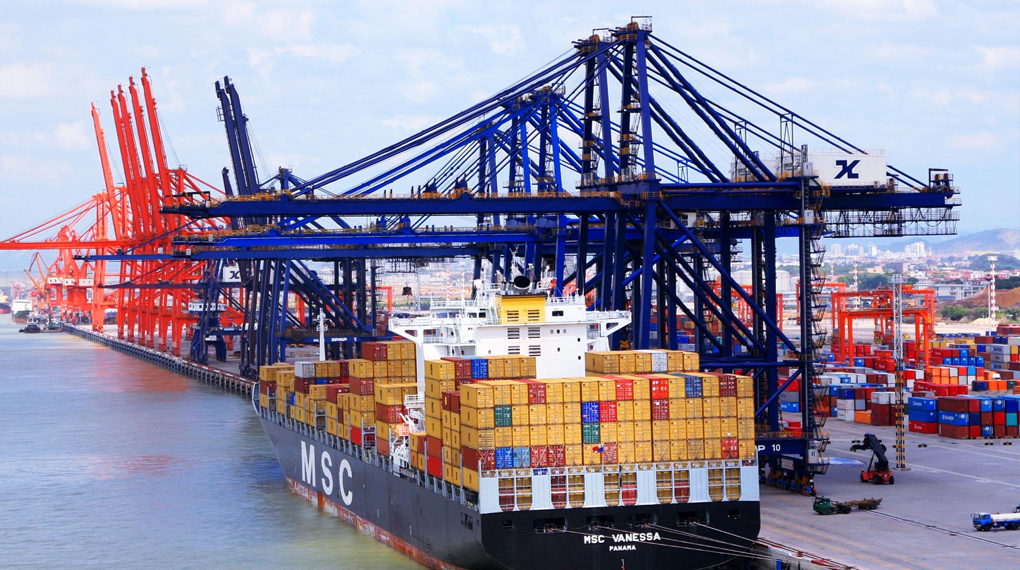
When the summer rush hits and every drink order depends on a steady ice supply, commercial ice maker reliability becomes the difference between smooth service and a meltdown. In high-volume bars, restaurants, and hotels, an ice machine failure during peak season isn’t just inconvenient—it threatens revenue and reputation. Over my 26 years in refrigeration engineering, I’ve seen how well-built machines with proper maintenance hold up, while others consistently crack under strain. The right ice maker, engineered with durable components and backed by practical support, keeps your operation running when it matters most.
What Sets a Reliable Commercial Ice Maker Apart
A commercial ice maker that consistently produces ice through back-to-back shifts relies on more than a brand name. The components that determine day-in, day-out performance are the compressor, the evaporator, and the control system. A dependable unit starts with a heavy-duty compressor, like the Cubigel compressors we install in our Kaimei machines, which can handle hot ambient conditions and extended run times without thermal overload. The evaporator is the next critical element. Standard aluminum evaporators are common, but they oxidize and lose heat transfer efficiency over time. In our experience, copper-nickel evaporators resist corrosion far better, maintaining faster freeze cycles and reliable ice release even after years of service. Finally, a digital controller that monitors ice thickness and harvest timing reduces the kind of small drift that eventually leads to a frozen evaporator or a machine that overfills the bin. Machines without these protections often work fine in mild weather, but the first 38°C day of the season exposes every shortcut.
How Kaimei Ice Makers Are Engineered for Peak Demand
The engineering choices behind our ice makers reflect the understanding that peak season conditions are brutal. A few specifics set them apart. The water-flow ice-making system in models like the FB210A increases ice output by roughly 10% compared to standard designs, because it directs water evenly across the evaporator plate, freezing each cube faster and more efficiently. A copper-nickel evaporator, as mentioned, extends the machine’s productive life by resisting scale and corrosion, and it makes harvest cycles more predictable. The self-cleaning function, controlled through the touch screen panel, flushes the water circuit at the press of a button, cutting the time staff spends on cleaning and reducing the risk of mold or mineral buildup that silently degrades capacity. The table below summarizes the key reliability advantages these features bring.
| Feature | Benefit | Impact on Peak Season |
|---|---|---|
| Copper-Nickel Evaporator | Resists corrosion and scaling, maintains heat transfer | Consistent ice production even with hard water and heavy usage |
| Water-Flow Ice-Making System | Increases capacity by ~10% over standard designs | More ice per hour without upsizing the machine |
| Self-Cleaning Function | Automated cycle flushes water circuit | Reduces manual cleaning downtime and prevents slime buildup |
| Cubigel Compressor | Rated for high ambient temperatures and continuous duty | Handles hot kitchen air without tripping overload |
| R290 Refrigerant | Efficient, low environmental impact, performs well at high ambient | Stable cooling curve even in 38°C conditions |
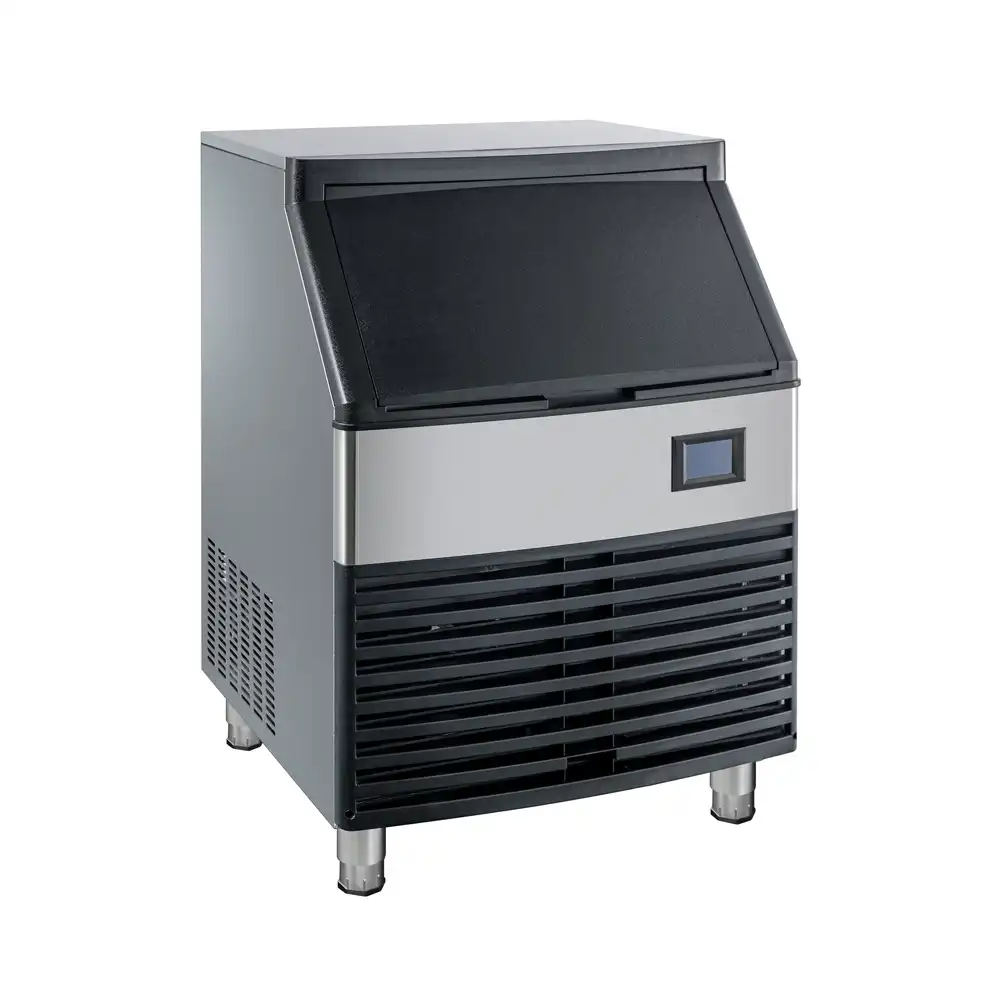
The same design discipline extends through the entire ice machine line. Across capacities from 100 kg per day up to larger units for hotels and banquet operations, the core components remain consistent, which means the maintenance training and spare parts approach are the same from one unit to the next. For multi-site chains, that standardization saves real money on service calls.
The Cost of Ice Maker Downtime During Peak Season
An ice machine failure during the busiest month of the year hits harder than it would in winter. The obvious costs are lost drink sales and emergency repair labor, but the less visible damage can be worse. Bartenders and kitchen staff lose rhythm when they have to source ice from outside or switch to bagged ice, and the quality inconsistency shows up in guest complaints. A restaurant that normally produces 200 kg of ice daily might see a 30% drop in beverage service speed on a hot Saturday if ice runs short. When management has to send someone to buy bagged ice, not only is the unit cost far higher, but the ice itself often doesn’t match the cube size and clarity that customers expect in a premium cocktail. Over a summer season, repeated small outages chip away at a venue’s reputation. The investment in a reliable machine, by contrast, pays for itself quickly just by avoiding those disruptions. If your commercial refrigerator or ice machine program involves multiple sites that experience high seasonal spikes, it is worth confirming that the production capacity and recovery rate are matched to your real-world peak demand, not just an average day. Reach out at Sales@hzcamay.com and we can run the numbers together based on your menu and service patterns.
Maintenance Practices That Keep Ice Production Consistent
Reliability doesn’t come from hardware alone. Even the best-built ice maker needs a consistent cleaning and inspection routine, especially in hard water areas where mineral scale builds up inside the water circuit. We recommend a deep clean of the water system every three to six months, depending on water quality, and a check of the condenser fins monthly during high season. The self-cleaning cycle on Kaimei machines handles a lot of this automatically, but manual cleaning of the bin and exterior surfaces stops mold and algae that can contaminate fresh ice. Water filtration is another factor that makes a sizable difference. A carbon and sediment filter installed upstream protects the evaporator from scale and removes chlorine, which improves ice taste and clarity. I’ve seen machines in locations with poor water filtration start to lose capacity after just two years, while similar units with good filtration still hit their rated output after five. That difference in long-term production is not trivial; it alters the economics of the whole purchase.
Selecting the Right Capacity to Avoid Overtaxing the Machine
A common mistake in commercial kitchens is sizing an ice maker based on the average daily usage printed on a spec sheet, without accounting for recovery time and storage buffer. If your peak demand occurs in a four-hour dinner rush, the machine’s production per 24 hours matters less than its production in those four hours plus the amount of ice already in the bin. The Kaimei FB210A, for example, produces 100 kg per day and stores 45 kg in the bin. That means if you need 60 kg during dinner service, the machine can draw from the reserve and produce throughout the rush, without any gap. A restaurant that sizes down to a smaller unit to save upfront cost will run the bin dry exactly when it is busiest, and the recovery rate won’t catch up until after the crowds leave. When I work with hotel kitchens or banquet operations, I always ask for the hour-by-hour ice usage during the busiest event, not just a daily total. That level of specificity prevents the kind of undersizing that leads to last-minute scrambles. If your operation has a seasonal surge that doubles ice demand, it is worth discussing your timeline and peak hour needs with us directly; send your part number and quantity to Sales@hzcamay.com at +8618157202219, and we will confirm availability and recommend the right configuration.
What Operators Often Overlook About Commercial Ice Makers
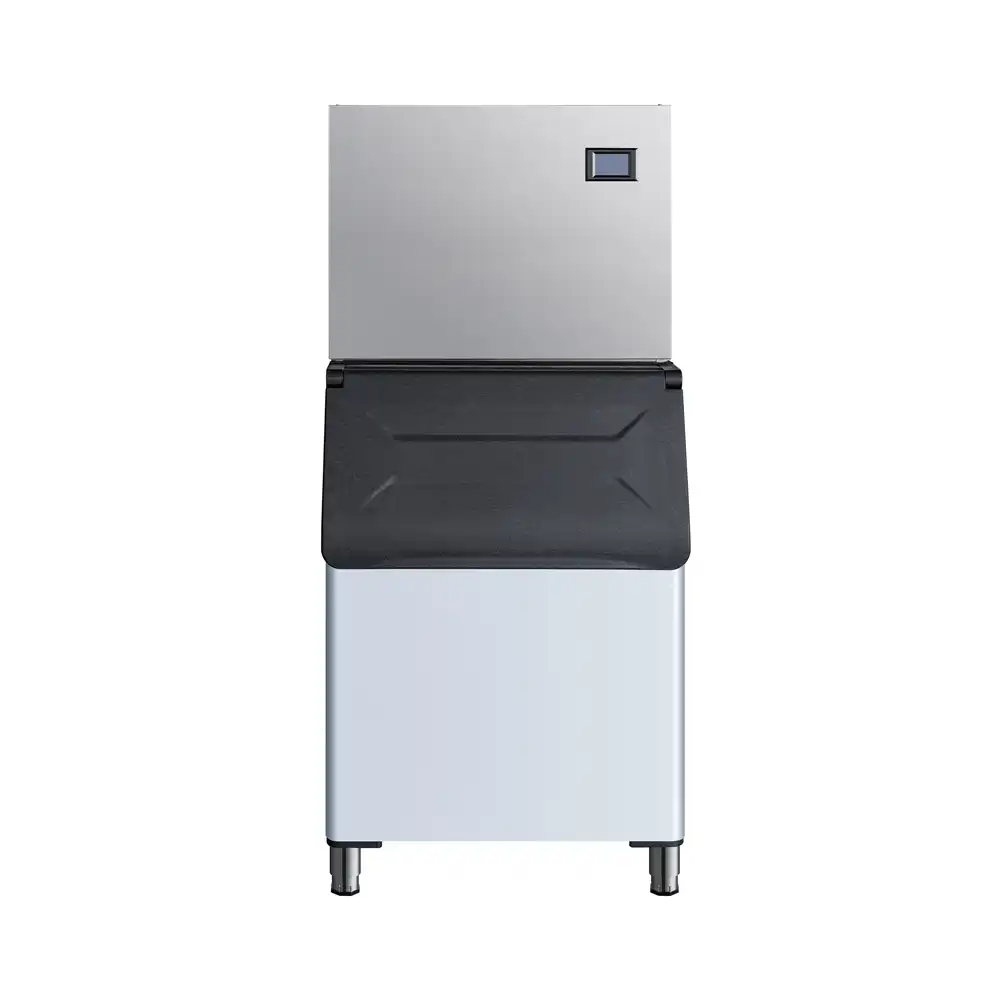
The details that cause the most service calls are rarely about the refrigeration circuit itself. Water supply pressure, room ventilation, and drain line slope can quietly degrade performance over months. An ice maker in a tight corner with poor airflow will run longer, build more heat, and eventually trip its high-pressure switch. A drain line without a proper air gap can introduce bacteria back into the bin. These are the kind of site issues we flag during the installation planning stage, because fixing them after the fact costs far more than getting them right the first time. Kaimei machines include front air intake and side hot-air exhaust, which makes placement more flexible, but the requirement for adequate clearance still exists. Our technical team sees a pattern in service records: most breakdowns that happen during the second or third year trace back to an installation shortcut that seemed harmless at the time. Getting the setup right is a reliability investment that pays out over the entire service life of the equipment.
Common Questions About Ice Maker Performance and Selection
How often should I clean my commercial ice maker?
Every three to six months for the water system, depending on water hardness and usage volume. Bin and exterior surfaces need weekly wipedown. The self-cleaning cycle on Kaimei units automates the water-line flush, but periodic manual inspection of the evaporator and drain pan remains essential. If you notice slower ice production or odd-shaped cubes, it is usually a sign that mineral buildup is limiting heat transfer.
Does the ice type affect how long the machine lasts?
Not directly, but cube ice machines that produce solid, clear cubes typically involve a spray or flow system that keeps impurities moving through the water circuit, which helps reduce scaling. Flake and nugget machines have different mechanisms, and each type has its own maintenance rhythm. The more critical factor for lifespan is the material of the evaporator and the regularity of cleaning.
Can I install an ice maker in a hot kitchen without harming reliability?
Yes, if the unit is rated for the ambient temperature and has sufficient clearance. The FB210A and other Kaimei models are designed for ambient conditions of 38°C with 53% humidity, using a Cubigel compressor and R290 refrigerant that hold their cooling capacity in high heat. But never box the machine in without side clearance, and keep the anti-dust mesh clean.
Why does my ice machine trip the breaker on hot days?
This is often a sign that the compressor is working against a dirty condenser coil or insufficient ventilation, causing it to draw higher amps. Cleaning the coil and verifying the condenser fan and clearance usually resolves it. If the issue persists, the starting components or capacitor may be failing, and a technician should check the amp draw against the rating plate.
How do I know if my ice maker is sized correctly for peak season?
Compare your maximum hour-by-hour ice demand during the busiest period against the machine’s production rate and bin storage capacity. A 100 kg/day machine with 45 kg storage will handle a dinner rush that needs 60 kg over four hours, but not a 120 kg spike. Providing your daily peak usage pattern and the nature of your drink service to a manufacturer can get you a precise sizing. Share your requirements and we will confirm which model fits your volume.
If you’re interested, check out these related articles:
Chef Base Fridge vs Undercounter Fridge Which Is Best for Your Kitchen
Upright Freezer vs Refrigerator Key Differences Explained
Essential Commercial Chef Base Fridge Installation Tips