
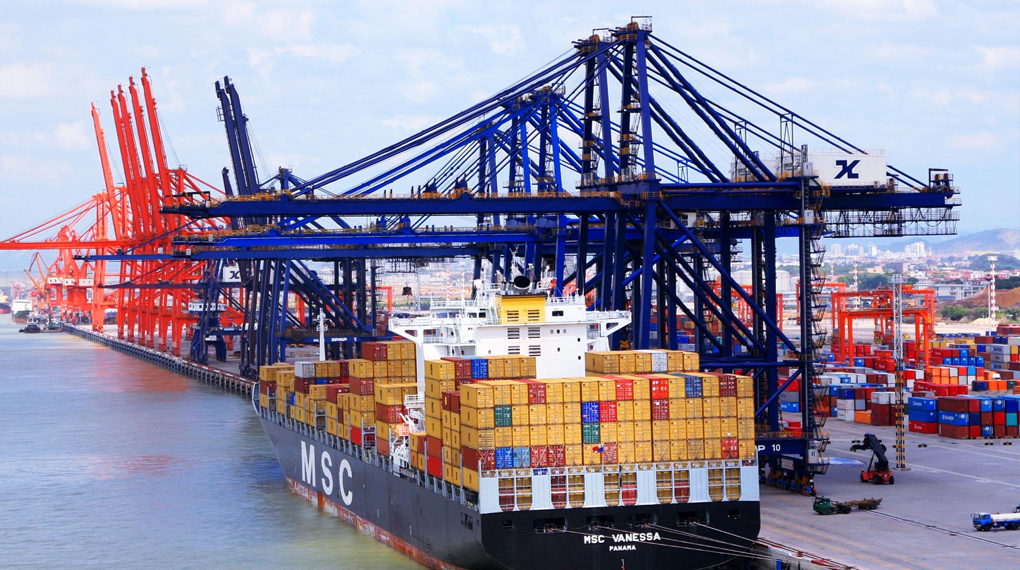
Refrigeration costs hit hard in retail. Walk into any supermarket or convenience store, and those humming display cases are quietly consuming more than half the building’s electricity. That reality shapes every decision about equipment upgrades, and it explains why energy-saving refrigerators have moved from optional upgrade to operational necessity. The math is straightforward: lower utility bills, longer equipment life, and a sustainability story that actually resonates with customers. After 26 years manufacturing commercial refrigeration equipment, the pattern is clear—stores that invest in efficient systems recover costs faster than most operators expect.
Why Retail Refrigeration Demands Efficiency Now
The numbers tell the story. Refrigeration units in supermarkets and convenience stores routinely account for 50% or more of total electricity consumption. That percentage translates directly into compressed profit margins, especially as energy costs continue climbing. Older systems compound the problem—they drain budgets while generating carbon emissions that conflict with tightening environmental regulations and shifting consumer expectations.
Shoppers notice which businesses take sustainability seriously. That awareness creates both pressure and opportunity for retailers. Upgrading to energy-saving refrigerators addresses multiple concerns simultaneously: operational costs drop, environmental impact shrinks, and the store’s public image improves. These outcomes aren’t theoretical. They show up in utility bills within months of installation.
The urgency has intensified as energy prices rise and regulatory frameworks tighten. What once seemed like a forward-thinking choice has become a baseline requirement for competitive retail operations. Commercial energy savings from modern refrigeration systems can reshape a store’s entire cost structure.
Technologies That Actually Cut Energy Consumption
Modern energy-saving refrigerators pack several innovations into each unit, and understanding these technologies helps explain the performance gap between old and new equipment.
Variable speed compressors represent one of the most significant advances. Traditional compressors run at full power or not at all—there’s no middle ground. Variable speed units adjust output continuously based on actual cooling demand. The difference in energy consumption is substantial, particularly during periods of lower store traffic when cooling needs decrease.
Electronically Commutated fans consume up to 70% less energy than conventional shaded-pole motors. They also run quieter and last longer, which matters in retail environments where ambient noise affects customer experience.
The refrigerant itself makes a difference. Natural refrigerants like R290 (propane) and R600a (isobutane) offer better thermodynamic efficiency while minimizing global warming potential. Many current models, including the Camay Commercial Worktop Refrigerator Cooler Fridge (Model MWTF-27-L) and the Camay 60″ Countertop Refrigerated Chef Base (Model MAR-60A), run on eco-friendly R290.
LED lighting inside display cases generates far less heat than fluorescent alternatives, reducing the cooling load while cutting electricity use. Smart defrost systems activate only when ice buildup actually occurs, eliminating the waste from scheduled defrost cycles that run whether needed or not.
Insulation quality determines how hard compressors work to maintain temperature. CFC-free polyurethane/cyclopentane foamed insulation provides superior thermal retention, keeping cold air inside where it belongs. Remote monitoring capabilities allow operators to track performance in real time and catch problems before they escalate into expensive repairs.
How Energy-Efficient Refrigerators Lower Supermarket Operating Costs
The primary mechanism is reduced electricity consumption. Advanced designs maintain optimal temperatures while drawing significantly less power than older units. That efficiency shows up directly in utility bills, often within the first billing cycle after installation.
Secondary benefits compound over time. Higher-quality components require less maintenance and fail less frequently. Equipment lifespan extends because systems operate under less stress. These factors combine to improve overall supermarket operational efficiency and create competitive advantages that accumulate year after year.
The Core Technologies Behind Modern Refrigeration Efficiency
Variable frequency drives control compressor speed with precision, matching cooling output to actual demand rather than cycling between full power and off. Electronically commutated motors power fans at a fraction of the energy cost of older AC motors.
Hydrocarbon refrigerants deliver superior thermodynamic performance with lower environmental impact. Advanced insulation—whether vacuum insulated panels or high-density polyurethane—minimizes heat transfer through cabinet walls. Smart controls and remote monitoring enable precise temperature management and predictive maintenance, catching issues before they become costly failures.
The Financial Reality of Refrigeration Upgrades
Capital expenditure decisions require clear ROI analysis, and refrigeration upgrades present a compelling case when examined properly.
Payback periods typically range from 2-4 years, depending on equipment type, local energy rates, and the efficiency of the units being replaced. The calculation involves comparing initial investment against projected annual energy savings plus reduced maintenance costs. Experience with OEM and ODM partners consistently confirms these timeframes.
Total cost of ownership provides a more complete picture than purchase price alone. This metric captures energy consumption, maintenance expenses, and equipment lifespan across the entire operational period. Energy-saving refrigerators consistently show lower TCO because reduced running costs and enhanced durability offset higher upfront prices.
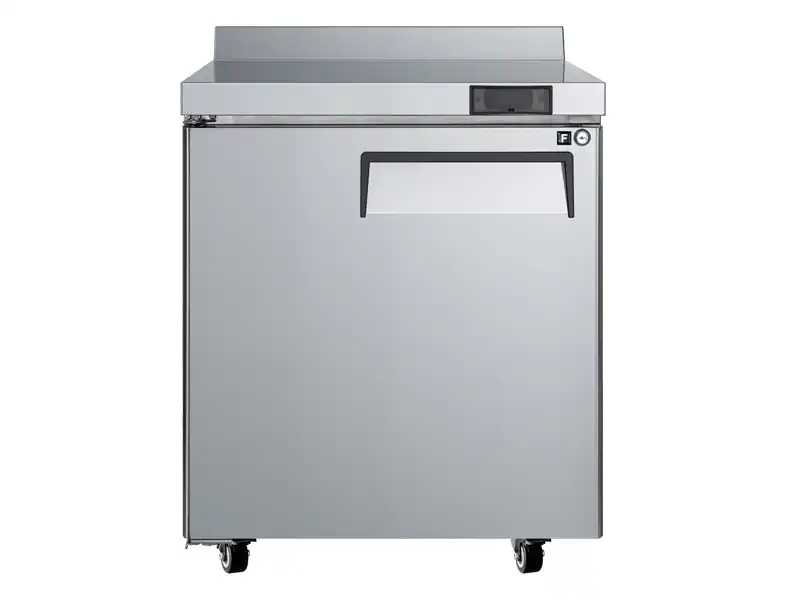
Government incentives accelerate the math. Many jurisdictions offer energy rebates, tax credits, or grants for businesses investing in efficient equipment. These programs can significantly reduce initial capital outlay. Products like the Camay Commercial Solid Door Undercounter (Model MTR-72) carry ETL, DOE, and ENERGY-STAR certifications, qualifying them for various incentive programs.
A supermarket replacing an aging reach-in with an ENERGY-STAR certified model might realize thousands in annual electricity savings. When combined with available rebates, the effective payback period shortens considerably.
Calculating ROI for Display Case Upgrades
Start with the total initial investment, including purchase price and installation costs. Estimate annual energy savings by comparing consumption specifications between new and existing units. Factor in reduced maintenance costs and any available rebates or incentives.
Divide total investment by annual operational savings to determine payback period. This analysis reveals the long-term financial impact and justifies the upgrade decision with concrete numbers rather than assumptions.
Selecting Equipment That Fits Your Operation
Supermarkets and convenience stores have different refrigeration needs, and equipment selection should reflect those differences.
Supermarkets typically require high-capacity display refrigerators, glass door freezers, and walk-in coolers to handle diverse product ranges and higher volumes. Visibility matters—customers buy what they can see, so clear glass doors and effective LED lighting drive sales while maintaining efficiency.
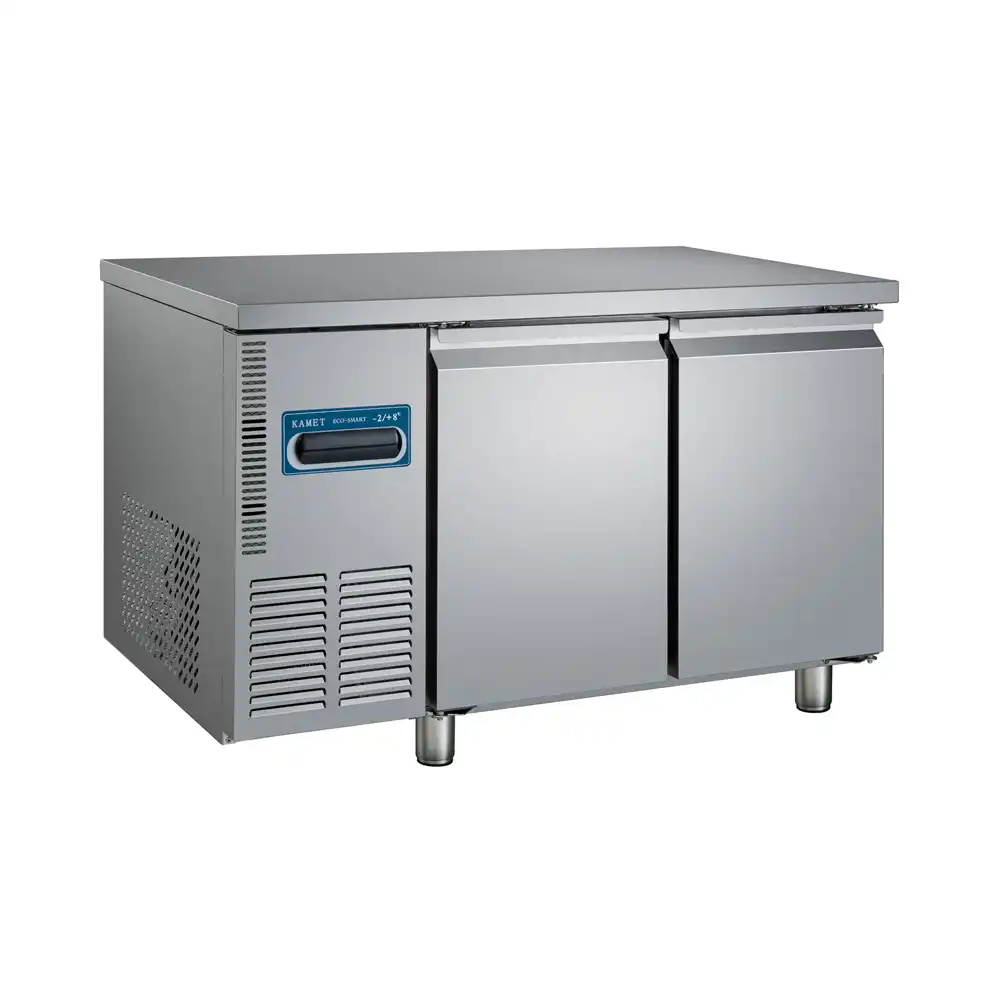
Convenience stores operate with smaller footprints and different traffic patterns. Compact undercounter units like the Camay Commercial Solid Door Undercounter (MTR-72) or open display chillers for grab-and-go items often make more sense. The Camay MTR-48 2-Door Commercial Undercounter Refrigerator combines R290 refrigerant with polyurethane/cyclopentane insulation for optimal performance in smaller retail formats.
Key selection criteria include verified energy efficiency ratings, refrigerant type (R290 increasingly preferred for efficiency and environmental performance), and insulation quality. Food safety compliance is non-negotiable—units must maintain consistent temperatures to prevent spoilage and meet regulatory requirements.
Durability and ease of maintenance affect long-term costs significantly. A comprehensive Product Catalogue helps identify models suited to specific applications. For kitchen prep areas, a Chef Base provides efficient cold storage beneath cooking surfaces, while Work Top refrigerators offer dual functionality in tight spaces.
| Model (Manufacturer) | Classification | Refrigerant | Insulation Type | Key Feature for Energy Savings | Application |
|---|---|---|---|---|---|
| MWTF-27-L (Camay) | Freezer | R290 | Polyurethane/Cyclopentane | Smart Digital Temp Control | Commercial Kitchens, Cafes |
| MAR-60A (Camay) | Chef Base | R290 | Polyurethane/Cyclopentane | ETL, ENERGY-STAR Certified | Commercial Kitchens, Coffee Shops |
| MTR-72 (Camay) | Refrigerator | R290 | Polyurethane/Cyclopentane | ETL, DOE, ENERGY-STAR Certified | Restaurants, Hotels, Bakeries |
| MR-49 (Camay) | Refrigerator | R290 | Polyurethane/Cyclopentane | ETL, DOE Certified | General Commercial |
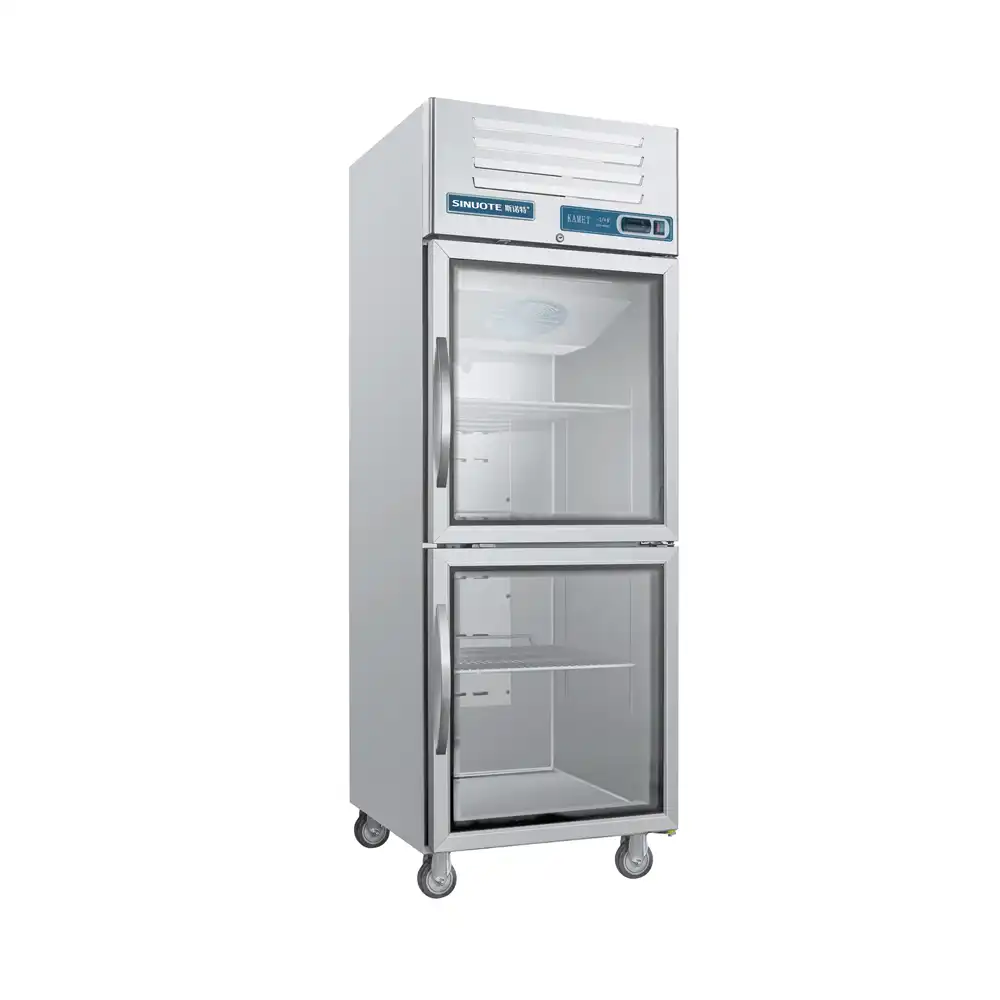
| DBG0.6L1A (Camay) | Glass Door Refrigerator | R290 | Polyurethane/Cyclopentane | Air Cooling, Auto Defrost | Display, Supermarkets |
Maintaining Efficiency After Installation
Equipment selection is only part of the equation. Operational practices determine whether energy-saving refrigerators deliver their full potential over time.
Regular preventative maintenance keeps systems running efficiently. Clean condenser coils allow proper heat dissipation. Worn door seals let cold air escape, forcing compressors to work harder. These simple maintenance tasks prevent unnecessary energy consumption and extend equipment life.
Temperature control precision matters. Units with smart digital temperature systems maintain optimal conditions without the temperature swings that waste energy. Some models offer I.o.T and WiFi capabilities for remote monitoring, allowing operators to track performance and catch anomalies before they become problems.
Staff training affects efficiency more than most operators realize. Proper loading procedures ensure adequate airflow. Minimizing door openings reduces cold air loss. Understanding how to interpret temperature readings helps identify issues early.
Periodic energy audits reveal opportunities for improvement that might otherwise go unnoticed. Checking airflow around units, verifying seal integrity, and monitoring consumption patterns can identify energy leaks and optimization opportunities.
These practices extend equipment lifespan, maintain food safety compliance, and maximize the return on refrigeration investment. Permanent online technical support and training help partners maintain peak efficiency throughout the equipment lifecycle.
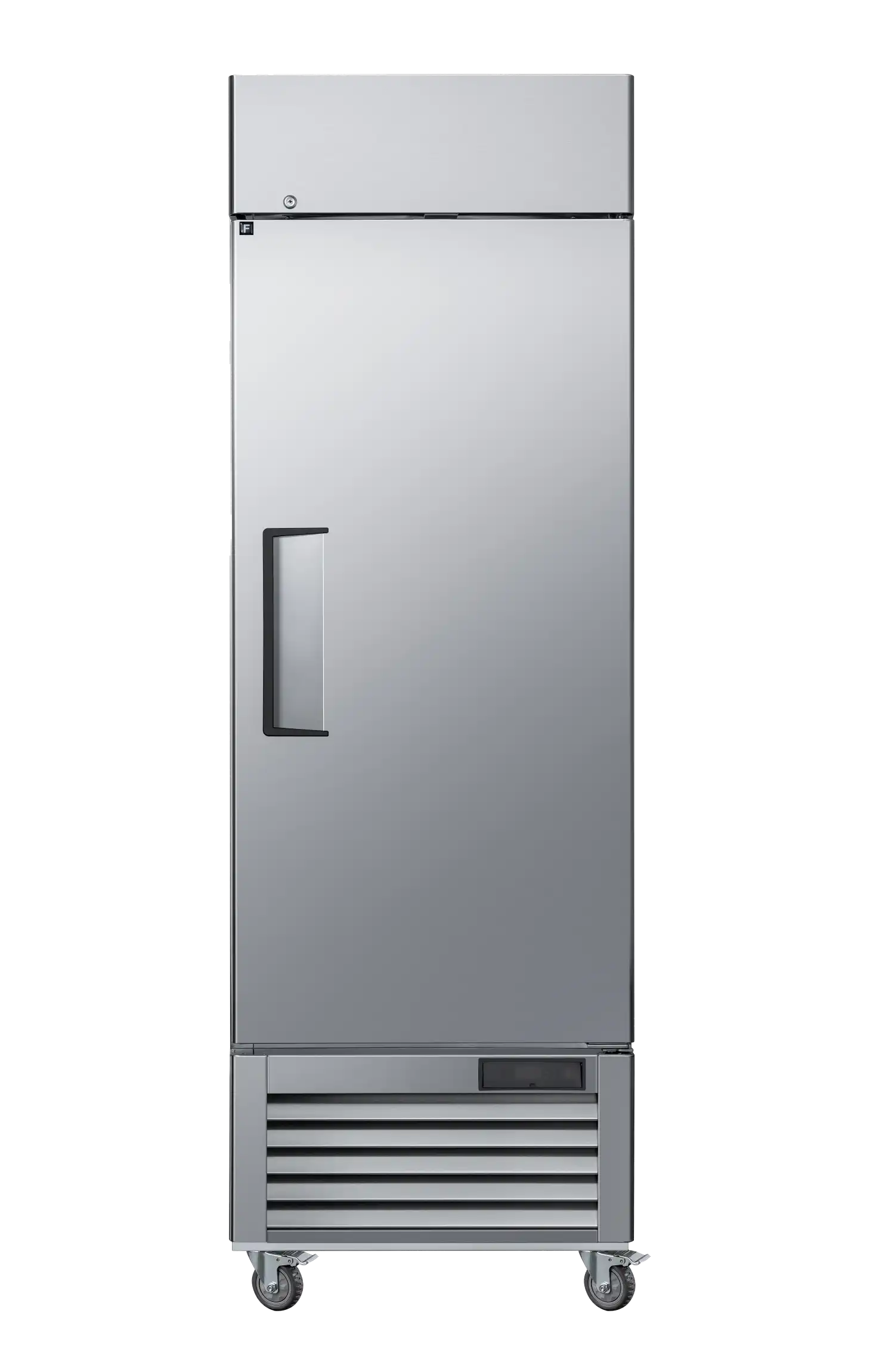
Ready to Optimize Your Refrigeration?
Ready to transform your supermarket or convenience store with state-of-the-art energy-saving refrigeration solutions? As a professional one-stop-shop refrigeration equipment manufacturer, ZHEJIANG KAIMEI CATERING EQUIPMENT CO., LTD offers expert consultation and tailored systems designed to maximize your operational efficiency and ROI. Contact us today to discuss your specific needs and discover how our advanced refrigeration solutions can benefit your business. Phone: +8618157202219, Email: Sales@hzcamay.com
Frequently Asked Questions about Energy-Saving Refrigeration
How Long Do Energy-Efficient Commercial Refrigerators Typically Last?
Energy-saving refrigerators generally operate effectively for 10-15 years, often longer with consistent maintenance. The extended lifespan results from higher-quality components and optimized operating conditions that reduce wear on critical systems. Investing in durable, efficient models provides reliable performance and better long-term value compared to older equipment that may fail sooner and cost more to operate throughout its shorter life.
What Government Programs Support Refrigeration Efficiency Upgrades?
Incentive programs vary by region, but many governments and utility companies offer support for businesses investing in efficient equipment. Common programs include energy rebates, tax credits, and grants for sustainable equipment purchases. Local energy utilities and national environmental agencies maintain current information about available programs. These incentives can significantly reduce initial costs and accelerate the financial return on refrigeration investments.
Why Should Convenience Stores Prioritize Sustainable Refrigeration?
Convenience stores operate on tight margins, making energy costs particularly impactful. Sustainable refrigeration reduces electricity consumption substantially, directly improving profitability. Beyond cost savings, demonstrating environmental responsibility attracts customers who factor sustainability into purchasing decisions. This combination of financial benefit and improved brand perception makes efficient refrigeration a strategic investment for c-store operators competing in increasingly conscious markets.
If you’re interested, check out these related articles:
Optimizing Kitchen Efficiency with Integrated Worktop Refrigeration
Upright Freezer vs Refrigerator Key Differences Explained
Ultimate Buyers Guide for Commercial Reach In Refrigerators
Boost Kitchen Efficiency Workflow Optimization with Chef Base Fridges
How to Choose the Best Chef Base Refrigerator for Your Kitchen