
Picking the right work surface for a commercial kitchen sounds straightforward until you actually try to make a standard table fit your space. Most off-the-shelf options leave gaps—literally and figuratively—that slow things down and create cleaning headaches. Custom stainless steel work tables solve problems that generic solutions simply cannot address. They fit your layout, match your workflow, and hold up under the kind of daily punishment that wears out lesser equipment.
Bespoke Designs That Actually Match How Kitchens Work
Commercial kitchens run hot, fast, and unforgiving. Staff move constantly, ingredients need to be within reach, and every second counts during service. Standard work tables often sit at awkward heights, leave dead space in corners, or force cooks to walk extra steps dozens of times per shift.
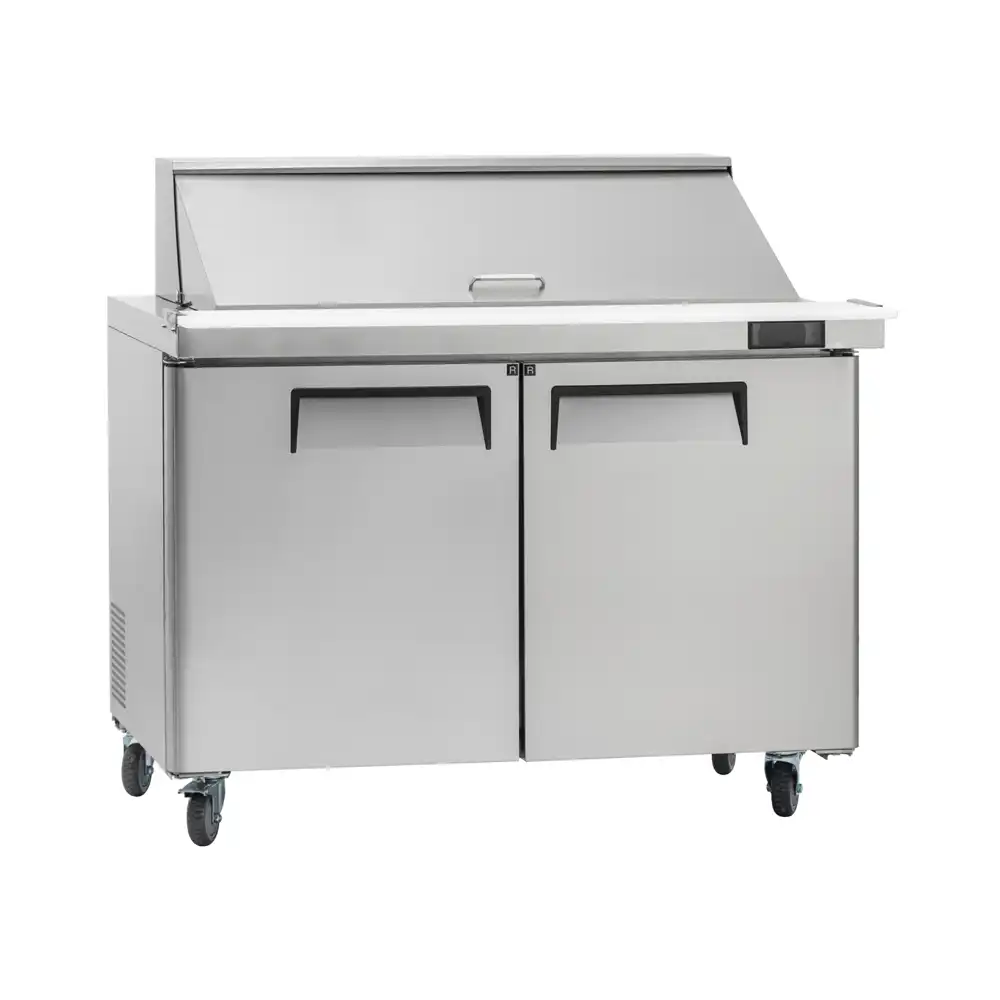
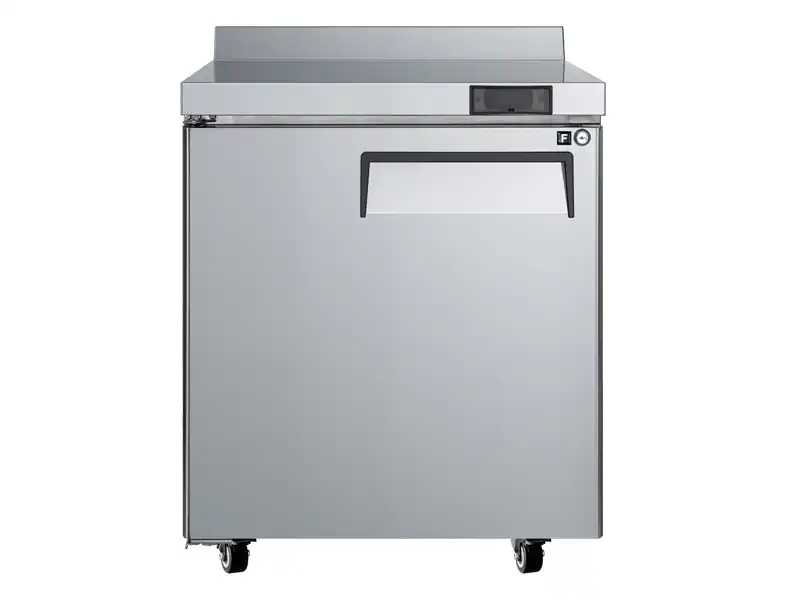
Custom stainless steel work tables change that equation. Precise dimensions mean the table fits exactly where it needs to go. Cut-outs accommodate specific equipment. Integrated features like utensil rails or ingredient wells keep everything close at hand. When a prep station aligns perfectly with adjacent equipment—say, a Camay Commercial Worktop Refrigerator Cooler Fridge (Model MWTF-27-L) positioned for immediate ingredient access—the whole line moves faster.
The design process starts with measuring your actual space and watching how your team works. What looks efficient on paper sometimes falls apart in practice, so real-world observation matters more than assumptions.
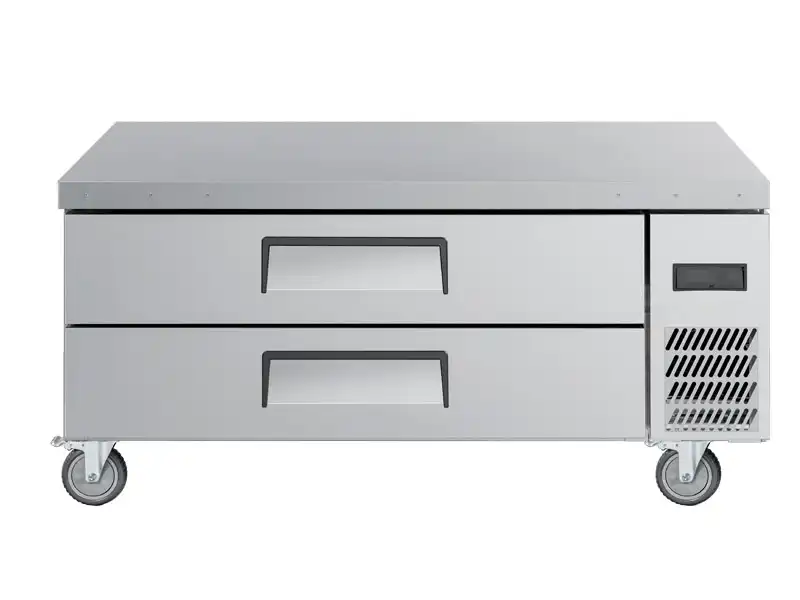
Article Recommendation: Optimizing Kitchen Efficiency with Integrated Worktop Refrigeration
Hygiene and Durability That Stand Up to Daily Abuse
Food prep surfaces take a beating. Hot pans, acidic marinades, constant scrubbing, heavy equipment—all of it tests materials every single day. High-grade stainless steel handles this punishment better than alternatives because the material itself resists corrosion and bacteria growth.
Why Custom Stainless Steel Tables Work Better in Commercial Settings
The non-porous surface of stainless steel gives bacteria nowhere to hide. Cleaning becomes simpler and more effective. Health inspectors appreciate surfaces that meet NSF certification standards, and kitchen managers appreciate not having to replace equipment every few years.
Fabrication quality matters here. Seamless welds eliminate crevices where food particles accumulate. Smooth finishes wipe clean without trapping residue. These details separate professional-grade equipment from cheaper alternatives that look similar but fail faster.
| Stainless Steel Grade | Key Characteristics | Typical Applications |
|---|---|---|
| 304 | Excellent corrosion resistance, versatile | Most commercial kitchen surfaces |
| 316 | Superior corrosion resistance, especially against chlorides | High-salinity environments, marine |
Matching Steel Grade and Gauge to Your Actual Needs
Grade and gauge both affect performance, but in different ways. Grade 304 stainless steel handles most commercial kitchen conditions well and costs less than 316. If your kitchen deals with high salt content or specific chemicals, 316 provides extra protection worth the investment.
Gauge refers to thickness—lower numbers mean thicker steel. A butcher station that takes constant impact from cleavers needs 14 or 16 gauge material. A light prep area or shelving unit works fine with 18 gauge. Matching gauge to actual use prevents both overspending and premature failure.
| Gauge Number | Thickness (mm) | Recommended Use |
|---|---|---|
| 14 | 1.98 | Heavy-duty prep, butcher blocks |
| 16 | 1.59 | General prep, high traffic |
| 18 | 1.27 | Light prep, shelving |
Ergonomic Features That Reduce Strain and Speed Up Service
Kitchen staff spend hours on their feet, reaching, lifting, and bending. Poor ergonomics lead to fatigue, mistakes, and injuries. Custom work tables address this through adjustable heights and thoughtfully positioned features.
A chef workstation might include a refrigerated base—like the Camay 60″ Countertop Refrigerated Chef Base (Model MAR-60A)—directly beneath the prep surface. Ingredients stay cold and accessible without walking to a separate cooler. Built-in sinks eliminate trips to a distant wash station. Waste chutes keep scraps moving without cluttering the work area.
These integrations sound minor individually. Combined across an entire kitchen, they shave minutes off every service and reduce the physical toll on staff.
Getting New Equipment to Work With What You Already Have
Dropping new equipment into an existing kitchen rarely goes smoothly without planning. Utility connections, traffic patterns, and equipment spacing all need consideration before fabrication begins.
Custom stainless steel work tables designed with your infrastructure in mind fit without forcing expensive modifications. Electrical outlets land where equipment needs them. Plumbing connects to integrated sinks without awkward routing. The table dimensions account for adjacent equipment and leave adequate clearance for staff movement.
This planning phase prevents the frustrating surprises that turn a simple installation into a multi-day disruption.
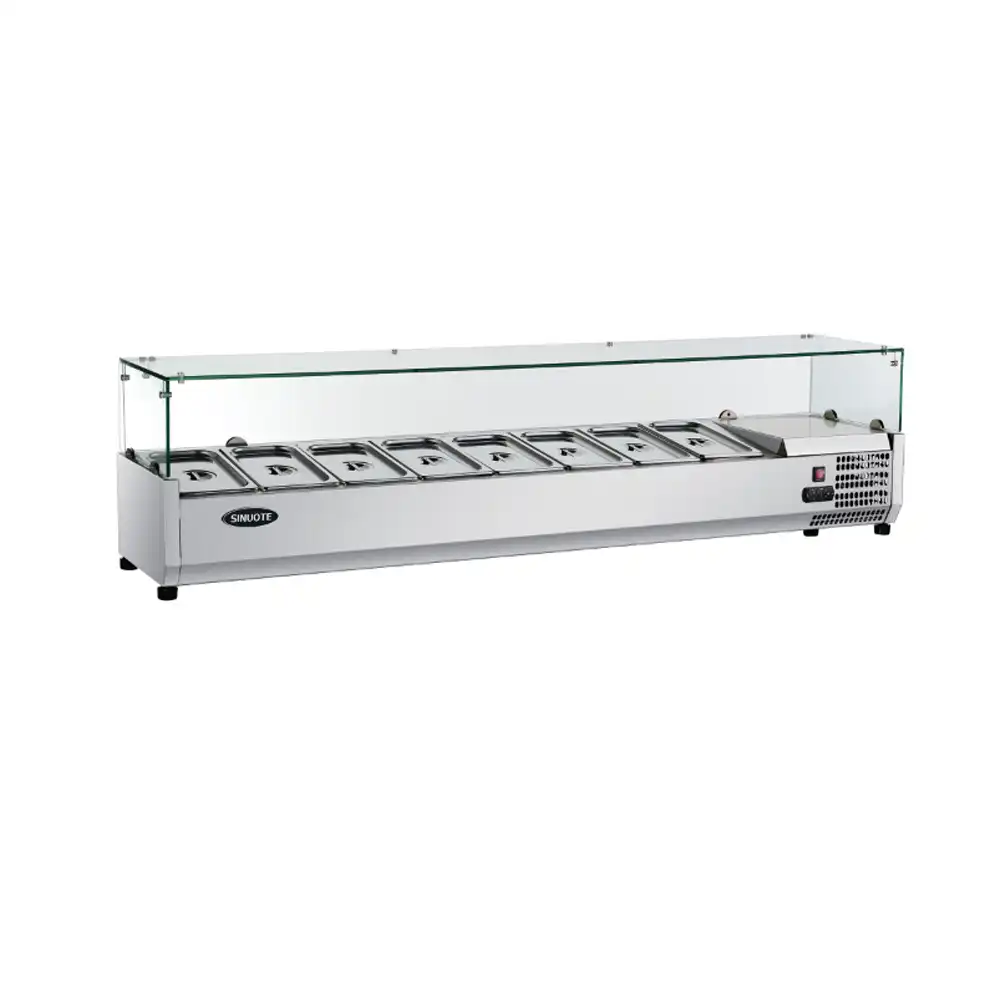
Article Recommendation: Essential Commercial Chef Base Fridge Installation Tips
The Math on Long-Term Value
Quality stainless steel work tables cost more upfront than budget alternatives. The return shows up over years of use. Durable construction means fewer repairs and longer service life. Better ergonomics and workflow design translate into measurable productivity gains.
When equipment lasts fifteen years instead of five, the per-year cost drops dramatically. When staff work faster because their stations function properly, labor costs per plate decrease. These numbers add up across a busy operation.
Keeping Stainless Steel in Good Condition
Stainless steel earns its reputation for durability, but proper maintenance extends that lifespan and preserves both hygiene and appearance.
Practical Care That Protects Your Investment
Daily cleaning should include wiping surfaces with mild detergent and warm water, then rinsing and drying completely. Water spots look minor but can lead to problems over time. Weekly cleaning with a specialized stainless steel product removes fingerprints and maintains the surface finish.
Avoid abrasive cleaners and steel wool—both damage the protective layer that prevents corrosion. Sanitizing with appropriate disinfectants after cleaning keeps surfaces safe for food contact and satisfies health department requirements.
Take the Next Step
Custom stainless steel work tables built for your specific kitchen make a measurable difference in efficiency, hygiene, and equipment longevity. Contact ZHEJIANG KAIMEI CATERING EQUIPMENT CO., LTD. at +8618157202219 or Sales@hzcamay.com to discuss your requirements and see how tailored solutions fit your operation.
Frequently Asked Questions About Custom Stainless Steel Work Tables
What makes custom stainless steel work tables superior to standard options for commercial use?
Custom tables fit your specific layout instead of forcing your workflow to adapt around generic dimensions. They integrate features like built-in sinks, shelving, or equipment cut-outs exactly where your operation needs them. ZHEJIANG KAIMEI CATERING EQUIPMENT CO., LTD. designs each table after assessing actual space constraints and operational patterns, resulting in better space utilization and smoother daily operations.
How does ZHEJIANG KAIMEI ensure the durability and hygiene of its custom stainless steel work tables?
The company uses food-grade stainless steel—typically 304 or 316—selected for corrosion resistance and non-porous surfaces that resist bacterial growth. Fabrication follows strict quality controls with seamless welds and smooth finishes that clean easily and meet NSF certification standards for commercial food service.
Can ZHEJIANG KAIMEI provide custom stainless steel work tables for unique or challenging kitchen spaces?
Yes. Unusual layouts, tight corners, and specific equipment integration requirements are routine challenges for their design team. The consultation process identifies constraints and opportunities, leading to fabricated solutions that work within difficult spaces rather than against them.