
Commercial ice makers demand consistent attention. Skip a few cleaning cycles or ignore a slow drain, and you’re looking at cloudy ice, bacterial growth, or a compressor that quits mid-service. The machines work hard in demanding environments, and that workload catches up fast without proper care. What follows covers the practical routines and troubleshooting steps that keep commercial ice maker maintenance manageable and your equipment running reliably.
Building a Maintenance Schedule That Actually Works
A structured maintenance schedule prevents small problems from becoming expensive emergencies. The key is matching task frequency to how quickly issues develop in real operating conditions.
Daily Ice Maker Checks:
1. Look at the ice itself. Clear cubes with no off-taste mean the system is functioning properly.
2. Check the ice bin interior for any slime formation or unusual discoloration.
3. Keep the exterior clean and free of food debris or dust accumulation.
4. Confirm water drains freely without pooling around the base.
Weekly Ice Maker Cleaning:
1. Wipe exterior surfaces using a food-safe sanitizer.
2. Clean the ice scoop and storage holder thoroughly.
3. Inspect water supply lines for leaks, kinks, or mineral deposits at connection points.
4. Verify the unit maintains its set operating temperature.
Monthly Maintenance Tasks:
1. Clean condenser coils. Dust buildup here forces the compressor to work harder, reducing efficiency and shortening component life.
2. Inspect the water filter and replace it if flow has decreased or the filter shows visible sediment.
3. Sanitize the entire ice storage bin, not just a quick wipe.
4. Check all hoses and fittings for cracks, wear, or loose connections.
Annual Service Checks:
1. Bring in a qualified technician for comprehensive inspection.
2. Complete a full descaling of internal water pathways.
3. Test refrigerant charge and compressor performance.
4. Evaluate electrical connections and safety controls.
Following this schedule consistently reduces surprise failures and keeps ice quality where it needs to be.
| Frequency | Task | Description |
|---|---|---|
| Daily | Ice Quality Check | Verify ice clarity, taste, and odor. |
| Weekly | Exterior Wipe Down | Clean external surfaces and ice scoop. |
| Monthly | Condenser Coil Cleaning | Remove dust and debris from coils. |
| Monthly | Water Filter Inspection | Check filter for clogs and replace if needed. |
| Annually | Professional Deep Cleaning | Thorough descaling and sanitation of internal components. |
| Annually | Refrigerant and Electrical Check | Professional assessment of system integrity and safety. |
Cleaning Protocols That Protect Ice Quality
Mold and slime develop faster than most operators expect, especially in warm, humid kitchens. The cleaning process matters as much as the frequency.
Start by shutting down and unplugging the commercial ice maker. Remove all ice from the bin. Take out removable components like the water curtain and distribution tube. These parts need scrubbing with a food-safe cleaner and a brush that reaches into crevices where biofilm accumulates.
Run a descaling solution through the water system. Mineral deposits from hard water coat evaporator surfaces and restrict water flow, reducing ice production and creating surfaces where bacteria thrive. After descaling, follow with a sanitizing solution. Quaternary ammonium compounds work well for ice-contact surfaces. Rinse everything thoroughly before reassembly.
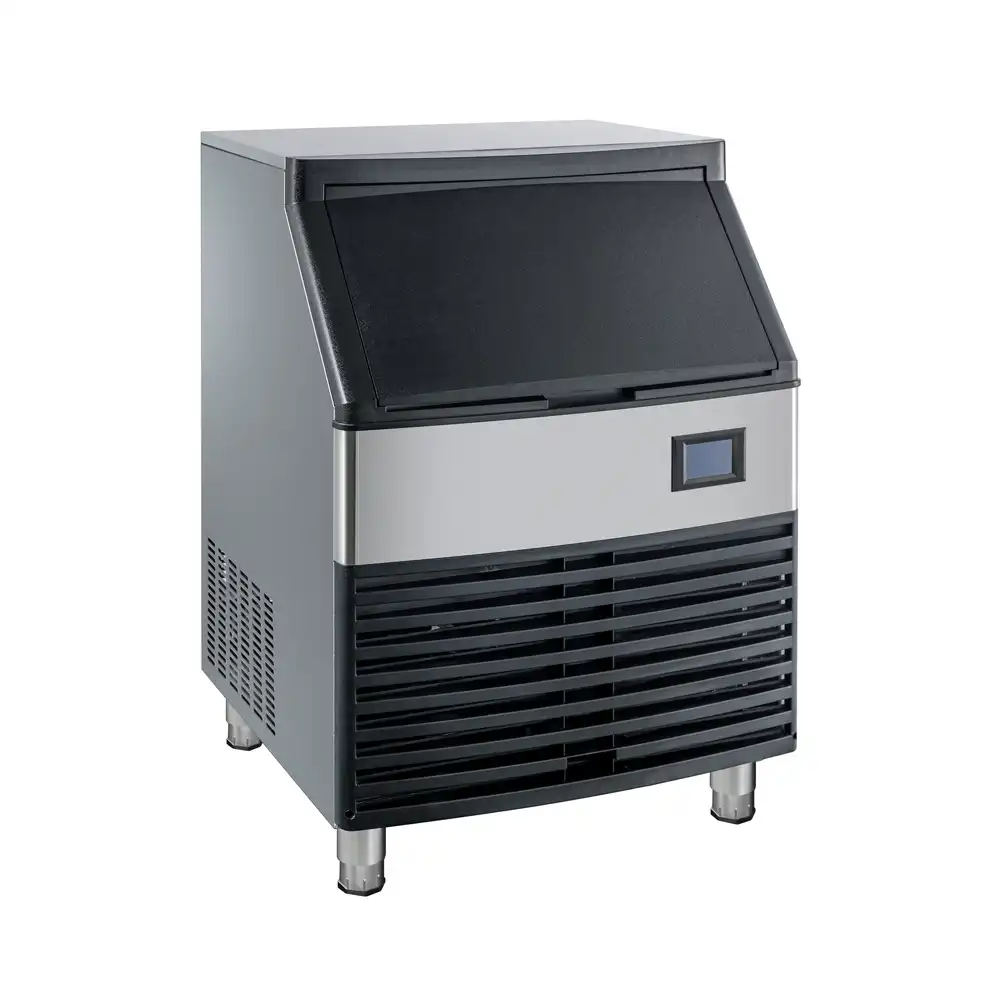
Nickel-safe descalers protect evaporator coatings that some manufacturers use. Using the wrong product can damage these surfaces and void warranty coverage. Our Cube Ice Making Machine incorporates a self-cleaning function and food-grade 304 stainless steel construction, which simplifies maintenance and resists the corrosion that makes cleaning more difficult over time.
Solving Common Problems Before They Escalate
Most commercial ice maker issues follow predictable patterns. Knowing what to check first saves time and often avoids service calls.
| Problem | Possible Cause | Solution |
|---|---|---|
| Ice maker not making ice | Clogged water filter, low water pressure | Replace filter, check water supply. |
| Ice maker leaking water | Clogged drain line, loose water connections | Clear drain, tighten connections. |
| Ice maker making small cubes | Low water flow, dirty evaporator | Check water inlet valve, clean evaporator. |
| Ice maker noisy | Loose components, worn motor bearings | Inspect for loose parts, professional service needed for bearings. |
| Ice production slow | Dirty condenser coils, high ambient temperature | Clean coils, ensure proper ventilation. |
| Ice tastes bad | Unsanitized components, old water filter | Perform full cleaning and sanitation, replace water filter. |
What happens if you don’t clean an ice maker?
The consequences compound quickly. Bacteria, mold, and yeast colonize moist surfaces inside the machine, creating health risks for anyone consuming the ice. Mineral scale reduces heat transfer efficiency, forcing the compressor to run longer and harder. Energy costs rise. Components wear faster. Eventually, you’re facing a repair bill that could have been avoided with basic commercial ice maker maintenance, or worse, a complete equipment replacement years ahead of schedule.
Component Care That Extends Equipment Life
Individual components fail at different rates depending on water quality, usage volume, and environmental conditions. Targeted attention to high-wear items prevents cascading failures.
Water filters protect the entire system from sediment and mineral contamination. Replace them every six months under normal conditions. Hard water or high-volume operations may require quarterly replacement. A clogged filter restricts flow, producing undersized cubes and stressing the water inlet valve.
Condenser coils handle heat rejection. When dust and grease coat the fins, heat stays trapped in the system. The compressor runs longer, temperatures rise, and ice production drops. Monthly cleaning with a coil brush takes ten minutes and prevents thousands of dollars in compressor damage.
Drain lines clog with slime and mineral deposits. Weekly inspection catches blockages before water backs up into the bin or onto the floor. A warm water flush with mild detergent keeps lines clear.
Refrigerant levels affect everything. Low charge means inefficient cooling and compressor strain. This requires a certified technician with proper recovery equipment during annual service visits.
How can I make my commercial ice machine last longer?
Consistency matters more than intensity. Follow the maintenance schedule without skipping tasks when business gets busy. Keep condenser coils clean and water filters fresh. Maintain adequate clearance around the unit for airflow. Address unusual sounds or production changes immediately rather than waiting to see if they resolve. Annual professional service catches problems that daily checks miss. These practices add years to equipment life and reduce total ownership costs.
Recognizing When Professional Service Is Necessary
Some problems exceed what routine maintenance can address. Knowing the difference prevents both unnecessary service calls and dangerous delay.
Persistent leaks that continue after checking connections and clearing drains suggest internal component failure. Grinding or knocking sounds indicate mechanical wear that worsens with continued operation. A sudden drop in ice production despite clean coils and a fresh filter points to refrigerant loss or compressor issues.
Refrigerant leaks require immediate professional attention. The sweet chemical odor is distinctive, and continued operation damages the compressor while releasing refrigerants that require proper handling. Electrical problems, including frequent cycling or failure to start, need diagnosis with proper test equipment.
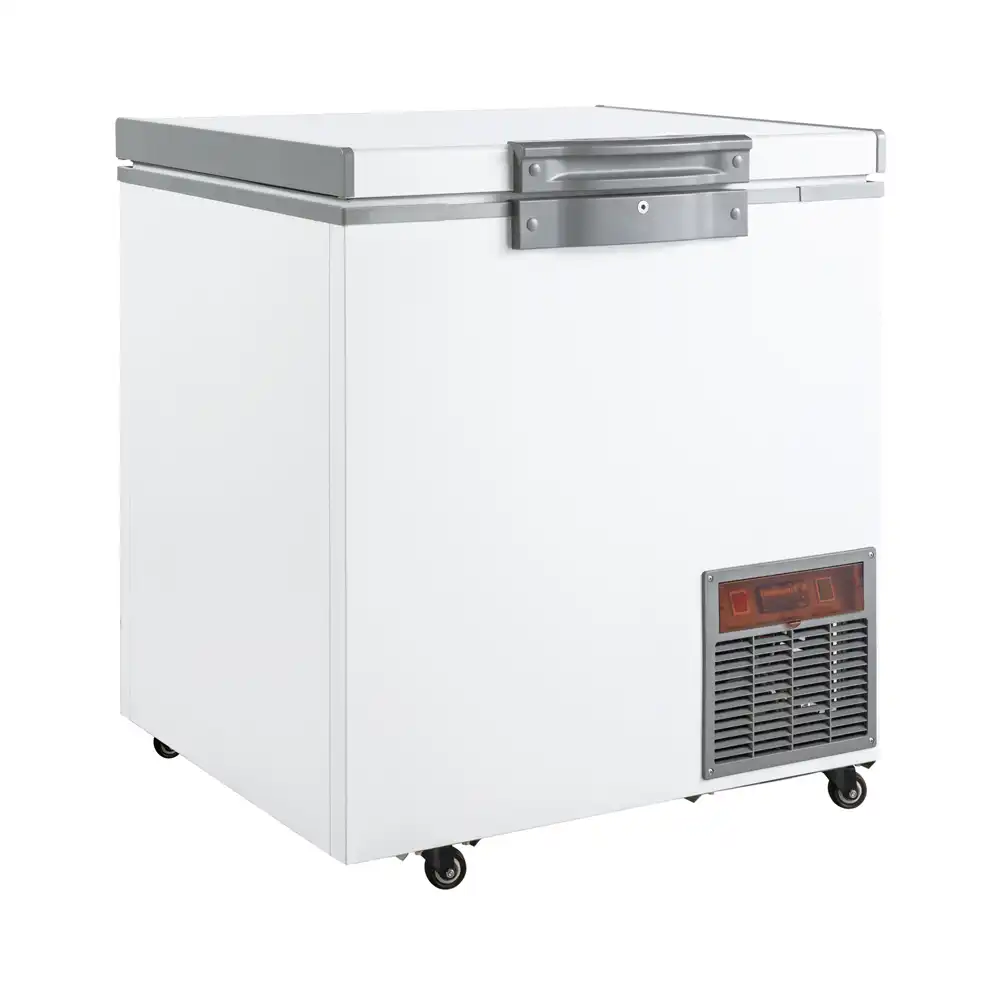
Our technicians at ZHEJIANG KAIMEI CATERING EQUIPMENT CO., LTD. handle these complex repairs with the specialized tools and training the work requires. We also manufacture Ice Maker units, Solid Door Freezer Cooler equipment, and Under Counter refrigeration designed for commercial durability.
What are the signs that my ice maker needs professional service?
Complete failure to produce ice after basic troubleshooting indicates internal problems beyond user-serviceable components. Leaks that persist despite clearing drains and tightening connections suggest seal failures or cracked components. Unusual mechanical sounds, especially grinding or knocking, mean parts are wearing against each other. Discolored or off-tasting ice that doesn’t improve after thorough cleaning points to contamination in areas you can’t access without disassembly. These situations require professional diagnosis and repair.
Partner With ZHEJIANG KAIMEI CATERING EQUIPMENT CO., LTD.
Keep your commercial ice maker running efficiently with proper maintenance support and quality equipment. ZHEJIANG KAIMEI CATERING EQUIPMENT CO., LTD. provides refrigeration solutions built for demanding commercial environments. Contact us at Phone: +8618157202219 or Email: Sales@hzcamay.com to discuss equipment options or maintenance guidance for your operation.
Frequently Asked Questions About Commercial Ice Maker Maintenance
How often should a commercial ice maker be professionally cleaned?
Twice yearly professional cleaning works for most operations. High-volume kitchens or locations with hard water benefit from quarterly professional service. The deep cleaning and descaling that technicians perform reaches areas that daily and weekly maintenance cannot, preventing the mineral and biological buildup that degrades performance over time.
Can regular ice maker maintenance really save my business money?
The math works out clearly. A well-maintained commercial ice maker runs more efficiently, using less electricity. Components last longer when they operate under normal conditions rather than compensating for dirty coils or restricted water flow. Avoiding a single major breakdown often covers years of maintenance costs. The real savings come from preventing the revenue loss when ice production stops during peak service hours.
What are the key differences between self-maintenance and professional ice maker service?
Self-maintenance handles the accessible, routine tasks. Cleaning visible surfaces, replacing filters, checking for obvious problems. Professional service goes deeper. Technicians measure refrigerant charge, test electrical components, clean internal water pathways, and calibrate controls. They identify developing problems before failure occurs and handle repairs that require specialized tools and training. Both levels of care work together to maximize equipment reliability and lifespan.