
Running a commercial kitchen means dealing with equipment that quietly drains money when neglected. Ice makers fall into that category more often than most operators realize. After years of working with refrigeration systems across different foodservice environments, the pattern becomes clear: the units that get regular attention cost less to run and last longer. The ones left to fend for themselves eventually fail at the worst possible moment.
Why Energy Efficiency Matters More Than Most Operators Think
Getting peak performance from a commercial ice maker goes beyond just checking that ice comes out. The energy side of the equation deserves serious attention. Industry data shows that poorly maintained ice makers can consume up to 30% more energy than optimized units. That gap translates directly into higher electricity bills month after month.
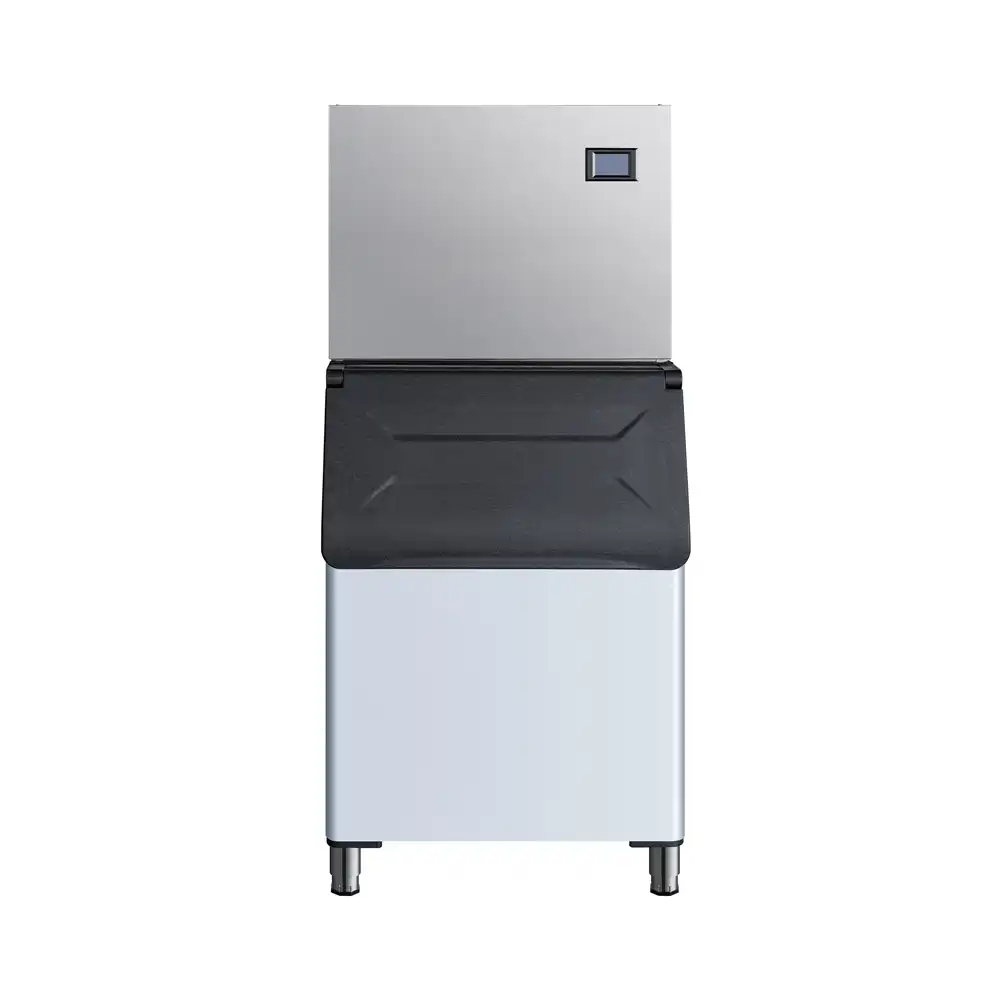
Implementing energy management strategies helps businesses realize substantial savings on operational costs and overall ROI. Refrigeration equipment like the Cube Ice Making Machine (Model FB210A) operates with maximum energy efficiency when properly maintained. This model features an eco-friendly R290 refrigerant and advanced insulation, significantly reducing power consumption compared to older designs.
Where You Put the Machine Changes Everything
The physical location of your commercial ice maker directly impacts its energy usage. Proper installation guidelines are vital for minimizing heat load. Units placed in cool, well-ventilated areas, away from heat sources like ovens or direct sunlight, run more efficiently.
Adequate space around the machine ensures proper airflow and heat dissipation, reducing compressor strain. When ambient temperature stays stable around the unit, the compressor avoids working harder than necessary. That simple environmental control conserves energy without any additional investment.
Water Quality Affects More Than Ice Clarity
Water quality is a critical, often overlooked, factor in ice maker energy efficiency. Hard water, rich in mineral deposits, leads to scale buildup on the evaporator coils and other internal components. This buildup acts as an insulator, forcing the machine to run longer and consume more power to produce the same amount of ice.
Effective water filters and water treatment systems prevent this problem, ensuring optimal heat exchange and extending component lifespan. The Cube Ice Making Machine benefits from clean water for its high-performance copper-nickel evaporator. Scale prevention pays for itself through reduced energy consumption and fewer service calls.
Routine Maintenance That Actually Prevents Problems
Consistent preventive maintenance is not merely a recommendation for commercial ice makers. Statistics show that regular maintenance can reduce unexpected breakdowns by up to 70% and extend equipment life by several years. This proactive approach ensures reliable ice production and maximizes uptime, significantly reducing potential downtime and associated revenue losses.
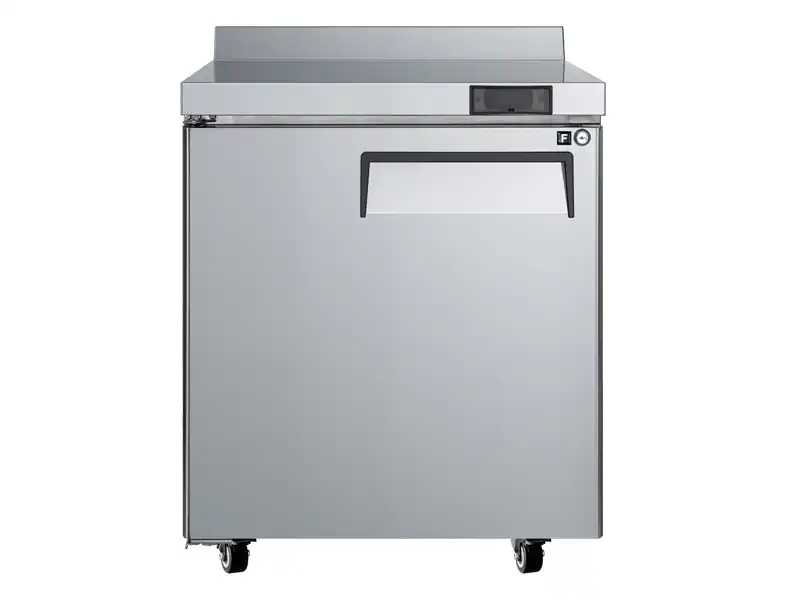
Quality control during manufacturing ensures that units like the Camay Commercial Worktop Refrigerator Cooler Fridge are built for durability. Routine care remains essential regardless of initial build quality.
Cleaning Protocols That Protect Both Equipment and Health
Regular cleaning and sanitization are paramount for both efficiency and health code compliance. Commercial ice makers should undergo thorough cleaning at least every six months, or more frequently depending on usage and water quality.
This includes cleaning the evaporator, ice bin, and all water-contacting components with approved sanitizing solutions. Proper cleaning prevents mold and bacterial growth, ensuring safe, high-quality ice. Detailed cleaning schedules help maintain hygiene and operational standards across busy kitchen environments.
Coil Maintenance Makes the Refrigeration System Work
The condenser and evaporator coils are the heart of the refrigeration system. Dirty condenser coils, covered in dust and debris, impede heat exchange. This forces the compressor to work harder, increasing energy consumption and reducing cooling capacity.
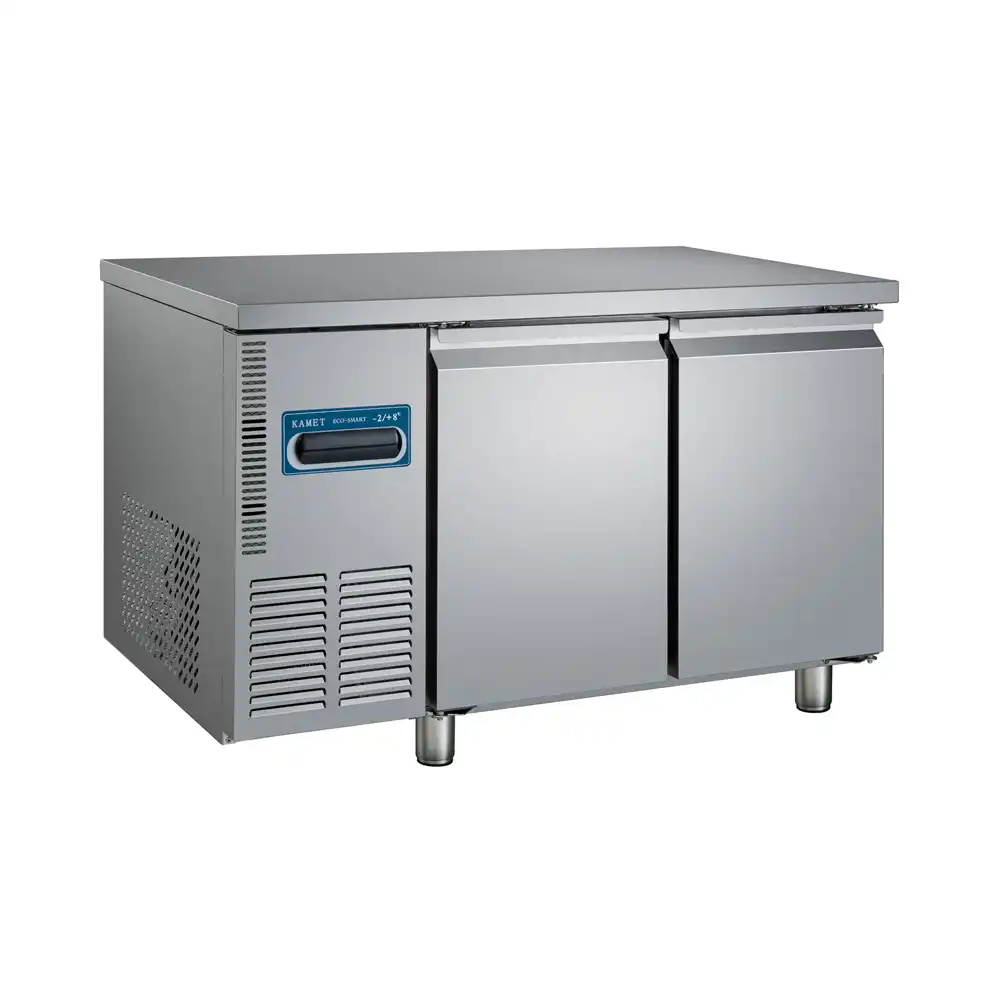
Regular cleaning of these coils, along with inspecting fan blades for proper airflow, is crucial for maintaining efficiency. Commercial refrigeration units, including undercounter refrigerators, are designed with accessible components to facilitate this vital maintenance. Taking fifteen minutes to clean coils can prevent hours of downtime later.
Catching Problems Before They Become Expensive
Proactive maintenance directly prevents operational disruptions and financial losses. Common ice maker problems, if neglected, can lead to expensive repairs and significant downtime. Early detection of issues, such as unusual noises or slow ice production, can save businesses from major repair costs. A minor leak, if unattended, can escalate into a compressor failure that costs thousands to fix.
What Drives Energy Costs Higher
Several factors contribute to high energy consumption in commercial ice machines. Low refrigerant levels due to leaks reduce cooling efficiency and force longer run times. Faulty thermostats or sensors can cause the machine to over-cool or under-cool, wasting energy either way.
Worn door seals and compromised insulation integrity allow warm air infiltration, forcing the unit to run continuously. Electrical issues, such as failing capacitors, can also impair compressor efficiency. Addressing these promptly is key to maintaining optimal energy use and avoiding surprise utility bills.
When Professional Service Becomes Necessary
Professional service is indispensable for extending a commercial ice maker’s lifespan. Certified technicians conduct thorough inspections, perform precise refrigerant level checks, and diagnose complex issues beyond routine cleaning.
Preventative maintenance contracts with experienced providers ensure regular, expert care. ZHEJIANG KAIMEI offers specialized tools and expertise for certified repairs and parts replacement, safeguarding equipment longevity and warranty validity. Twenty-six years of experience in refrigeration equipment manufacturing supports this commitment to expert service.
Choosing Equipment That Pays for Itself Over Time
Selecting the right ice maker is a long-term energy-saving strategy. Newer models, especially those with Energy Star ratings, offer significantly improved efficiency over older units. Investing in energy-efficient refrigeration equipment yields substantial long-term ROI through reduced electricity consumption.
The Cube Ice Making Machine (Model FB210A) features an eco-friendly R290 refrigerant and robust insulation, representing current best practices in commercial ice maker design.
| Feature | Energy Star Rated Ice Maker (e.g., Camay FB210A) | Standard Ice Maker (Older Model) |
|---|---|---|
| Energy Consumption | Lower (up to 20% less) | Higher |
| Refrigerant | R290 (Eco-friendly) | HFCs (Less efficient) |
| Insulation | Polyurethane/Cyclopentane | Standard foam |
| Ice Production | High efficiency, consistent | Variable, less efficient |
| Operational Cost | Lower | Higher |
| Certifications | ETL, DOE, ENERGY-STAR, CE | Fewer or none |
When considering new equipment, evaluate capacity requirements and total cost of ownership. Energy-efficient commercial ice makers contribute to sustainability goals and reduce environmental impact. Advanced refrigeration equipment that meets global standards for performance and efficiency represents a sound investment for any foodservice operation.
Building a Management Approach That Protects Your Investment
A holistic approach to ice maker management integrates energy saving and maintenance into a comprehensive business strategy. This perspective views equipment as a long-term asset requiring continuous care. Aggregated data from various commercial settings demonstrates significant ROI from integrated maintenance and energy management plans.
Businesses experience reduced operational costs, fewer unexpected breakdowns, and improved overall profitability when they commit to this approach. Consistent preventative maintenance, optimized energy usage, and timely professional interventions work together to safeguard your investment.
By adopting these practices, businesses can achieve substantial cost savings over the equipment’s lifespan. This approach aligns with sound asset management principles, supporting long-term business growth in the hospitality industry and commercial kitchens.
Ensure Peak Performance: Partner with ZHEJIANG KAIMEI
Ensure your commercial ice makers operate at peak efficiency and reliability. As a professional one-stop-shop refrigeration equipment manufacturer, ZHEJIANG KAIMEI CATERING EQUIPMENT CO., LTD offers expert consultation, high-quality parts, and advanced energy-efficient ice maker solutions. Contact us today at +8618157202219 or Sales@hzcamay.com to optimize your catering equipment investment.
Frequently Asked Questions
How often should a commercial ice maker be professionally serviced?
Commercial ice makers should receive professional service at least twice a year for optimal energy efficiency and longevity. This ensures thorough cleaning, inspection of critical components like the compressor and evaporator, and early detection of potential issues that could lead to higher energy consumption or breakdowns. Regular professional maintenance also helps maintain warranty validity.
What are the biggest energy drains in commercial ice machines?
The primary energy drains in commercial ice machines often stem from dirty condenser coils, scale buildup on the evaporator, poor ventilation, and inadequate insulation. These issues force the compressor to work harder, significantly increasing electricity bills. Regular maintenance directly combats these energy inefficiencies, reducing power consumption and extending the unit’s operational life.
Can I perform all ice maker maintenance myself, or do I need a technician?
Routine tasks like exterior cleaning and basic sanitization can be performed by staff. Critical maintenance such as deep descaling, refrigerant level checks, and compressor diagnostics require a certified technician. Professional service ensures proper calibration, extends equipment lifespan, and maintains warranty validity for your commercial ice maker. Professional checks are recommended for complex issues.
If you’re interested, check out these related articles:
Essential Commercial Chef Base Fridge Installation Tips
Essential Maintenance Tips for Commercial Reach In Refrigerators
Upright Freezer vs Refrigerator Key Differences Explained