

Bars and nightclubs lose a surprising amount of margin to refrigeration energy bills, especially when they run a mismatched collection of back bar coolers that were added over time without a system-level plan. In my twenty-six years overseeing commercial refrigeration manufacturing, I’ve watched operators cut their electricity consumption by 15 to 20 percent simply by replacing that random mix with a coordinated set of units from one manufacturer. This article explains how to assemble an energy-efficient back bar refrigerator combination, choosing the right mix of glass door merchandisers, undercounter storage, and bottle coolers, and how that approach lowers both energy use and long-term maintenance costs.
The Real Cost of Inefficient Back Bar Cooling
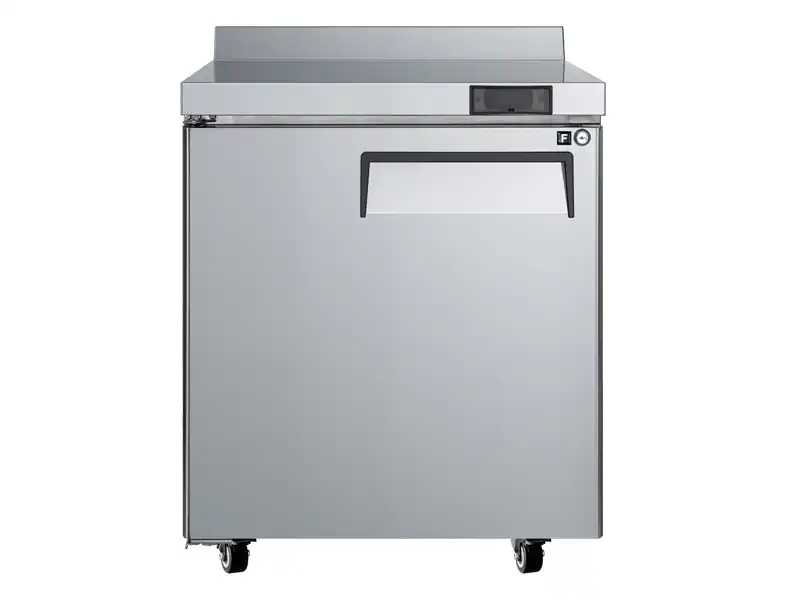
A single back bar refrigerator already runs 24 hours a day, but when three or four different models sit side by side, they begin working against each other. Waste heat from one unit’s condenser coil raises the ambient temperature around its neighbour, forcing the adjacent compressor to cycle longer. If the units use different refrigerants or compressor technologies, the electrical load becomes unpredictable. I’ve walked into bars where the back bar cooling row drew over 30 amps continuous, much of it wasted because the units were never sized or placed as a system.
From a manufacturing perspective, the largest efficiency losses come from inconsistent insulation, lower-grade gaskets, and undersized condensers. Many bars buy a small glass door display cooler here and a cheap undercounter bottle chiller there. The energy savings that a single ENERGY STAR rated appliance might deliver disappear when the unit right next to it heats the air intake by several degrees. Recognizing this dynamic is the first step toward a real solution.
How Combining Units Lowers Overall Energy Consumption
When you plan the back bar refrigeration as one integrated combination instead of isolated purchases, several energy-saving mechanisms kick in. First, using multiple smaller units rather than one oversized cabinet lets each compressor operate closer to its peak efficiency range. A lightly loaded 24-inch cooler that cycles on and off wastes more power than a correctly sized 36-inch model that runs steady, but if your product volume fluctuates, a pair of smaller identical units gives you the flexibility to turn one off during slow periods.
Second, identical compressors, fan motors, and controllers eliminate the load mismatches that cause voltage drop and heat buildup. In project feedback we’ve received, operators who replaced three different-brand coolers with three matched Camay models saw total amp draw drop measurably because one compressor wasn’t fighting the others’ heat output. The difference often pays for the upgrade in under two years.
The Impact of Compressor Technology on Energy Use
Most back bar refrigerators still use fixed-speed reciprocating compressors. While variable-speed options are entering the market, the bigger near-term gain comes from matching compressor sizes across the combination. When every unit uses a similar displacement compressor, the shared circuit handles start-up surges more gracefully and the cumulative heat rejected into the bar is lower. Our own manufacturing line standardizes on Cubigel compressors across multiple cabinet sizes, so a bar that outfits its station with all Camay units gets a unified thermal profile without paying a premium for variable-speed technology.
Reducing Heat Cascade with Strategic Placement
Placing three coolers tightly together without ventilation offsets any compressor efficiency. I always recommend leaving at least four inches of clearance at the rear and sides, and if the bar layout allows, separating units into pairs with airflow paths between them. Even a small gap lets heat escape upward instead of migrating into the next cabinet’s air intake. This is one of the simplest zero-cost adjustments that makes a coordinated system outperform a mixed fleet.
Selecting the Right Mix of Back Bar Refrigerator Types
A common mistake is to treat all back bar cooling as a single product category. A functional, energy-efficient combination typically includes two or three distinct cabinet types, each handling a different access pattern and thermal requirement. The table below summarizes how I think about the core options.
| Cabinet Type | Best Use | Typical Energy Profile |
|---|---|---|
| Glass Door Merchandiser | Displaying bottled and canned beverages for impulse sales, quick restock | Moderate daily consumption; LED lighting adds minimal load |
| Solid Door Undercounter | Storing backup stock, chilled glassware, or items accessed less frequently | Lower consumption because door seals are tighter and no glass thermal loss |
| Direct Draw / Drawer Unit | High-speed well drinks and shooters, used every few minutes | Higher cycle frequency but smaller cabinet volume reduces total kWh |
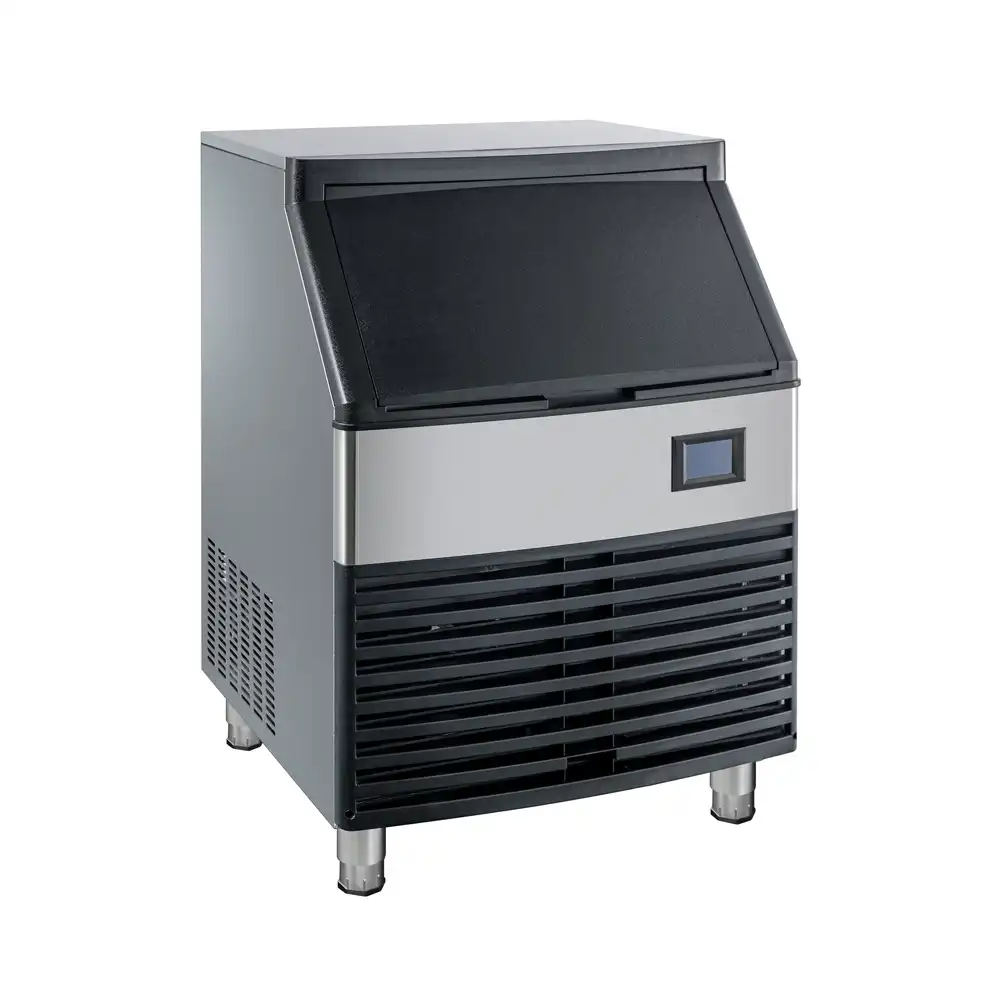
You can browse a full range of back bar refrigerators designed for combination systems at Camay’s Back Bar Refrigeration page. Most bars benefit from one glass door merchandiser facing the customer, paired with a solid door undercounter directly behind the bartender for restock. If your bar does high-volume shots, adding a small drawer unit on the front side cuts the number of times the bartender opens the merchandiser door, saving cold air and lowering compressor runtime. The key is to align the unit type with the access frequency, not just the bottle count.
When all three cabinet types come from the same manufacturer, they share door gasket profiles, shelf systems, and more importantly, refrigerant charge sizes. That uniformity makes it easier to measure total current draw and benchmark performance. I’ve seen more than a few bar owners accidentally install a glass door unit in a hot corner next to an ice machine, only to find the compressor burns out early. A coordinated plan catches those placement risks before installation.
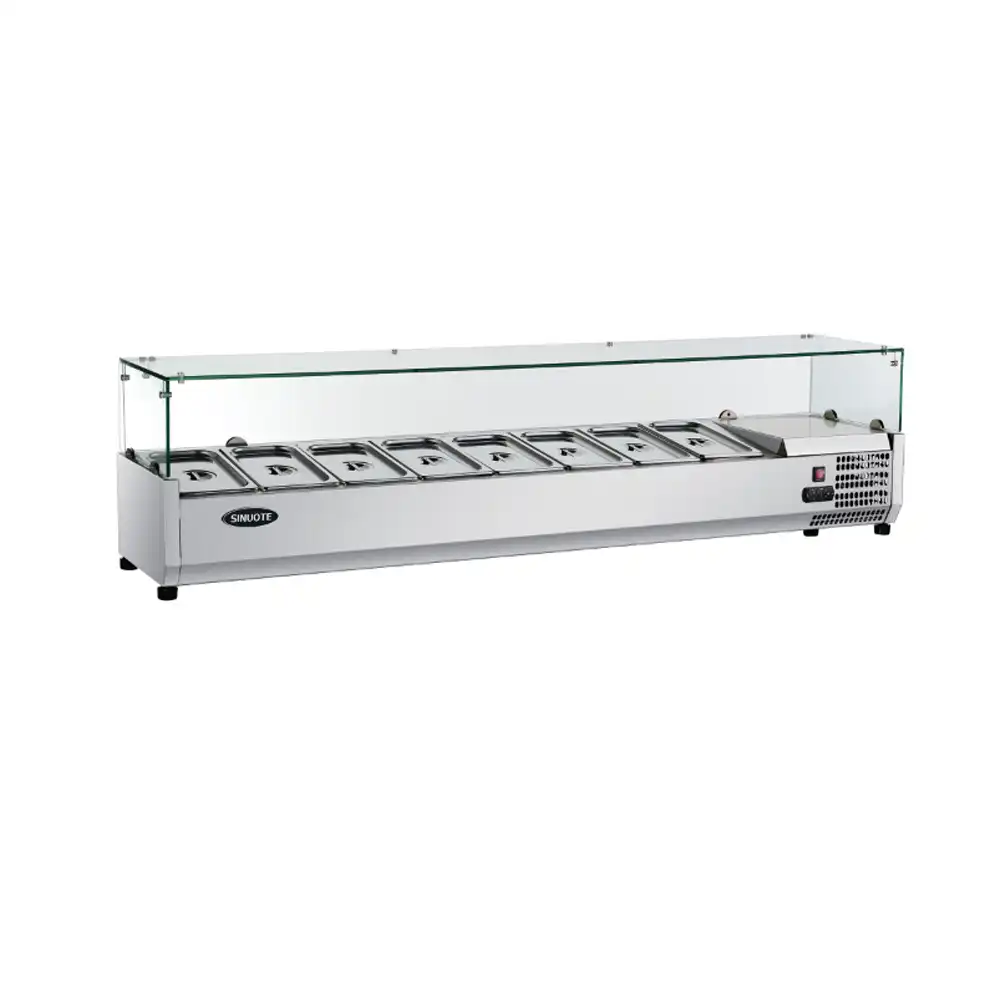
If your bar’s layout requires a mix of display and storage units, we can recommend a customized combination that fits your space and energy goals. Reach the team at Sales@hzcamay.com to discuss your floor plan and capacity needs.
Optimizing Bar Layout for Combined Cooling Systems
The shape of the bar directly shapes how efficiently the refrigeration works. In a straight-run bar, placing all units along the same wall with a shared clearance gap often works well, but in an island bar or L-shaped layout, heat can recirculate if the units are placed back to back. I always advise drawing a simple airflow map before ordering equipment.
One layout that repeatedly shows up in successful installations places the glass door merchandiser on the customer-facing side, with a solid door storage cooler set perpendicular behind the bar. This arrangement creates a natural air channel between the two units. The bartender works from the storage side, opens the merchandiser only a couple of times per shift, and the ice machine, which generates its own heat, sits further away in a separate alcove.
Undercounter units can slide directly below the bar top without adding footprint, which is valuable in narrow bars. However, those undercounter models need front-breathing ventilation. I check that the toe kicks or grilles aren’t blocked by bar stools or cleaning supplies. When installing multiple undercounter refrigerators side by side, I recommend using identical models so the front grille cutouts align and don’t create air pressure differences that starve one unit of airflow.
Airflow and Clearance Requirements
Even with matched equipment, every unit needs the clearance specified in the manual. For Camay models, that’s typically four inches at the rear and two inches on each side for ventilation. In a tight bar, those inches are precious, but skipping them forces the compressor to run hotter and shortens its life. If the clearance is impossible, consider a remote condensing unit that can be located elsewhere, though that’s a bigger capital investment and usually overkill for most bars.
Maintenance Practices to Sustain Energy Savings
A combination system only stays efficient if the maintenance is consistent. With mixed-brand equipment, service schedules vary, and a technician might overlook a deteriorating gasket on one unit while fixing another. When all units share the same design, cleaning condenser coils and checking door seals becomes a repeatable routine. I’ve visited sites where a single torn gasket on an undercounter unit increased the combined current draw by nearly two amps, erasing the efficiency gains of the other units. In a unified setup, that failure gets caught during the same inspection because all gaskets look and wear the same.
Digital temperature controllers across all cabinets also let you spot a drifting setpoint before it becomes a service call. Many bar managers I’ve worked with set a simple weekly check: open each unit, verify the display reads the target temperature, and listen for any abnormal compressor sound. Ten minutes a week can prevent a thirty percent jump in the electric bill.
Why Single-Source Sourcing Simplifies Energy Performance
After more than two decades managing refrigeration production, I’ve concluded that the easiest lever a bar owner can pull is to source the full back bar combination from one manufacturer. It’s not just about branding or discounts. When the factory builds glass door merchandisers, undercounter cabinets, and drawer units on the same line using the same CFC-free polyurethane foam insulation and R290 refrigerant, the thermal behaviour across the system becomes predictable. Our OEM and ODM partners frequently order a complete suite because they can document the total energy consumption in a single spec sheet and simplify their service training.
This approach also removes the finger-pointing when something fails. With mixed brands, a service technician might misdiagnose a refrigerant leak or blame a compressor on poor ventilation from the neighbouring unit. When the whole back bar is from one source, the responsibility is clear, and the replacement parts are in stock. From the manufacturer’s end, we can calculate the combined heat rejection and help the bar design the ventilation accordingly, something that’s nearly impossible with a one-off mix.
If you’re planning an expansion or a new venue, contact us to discuss a tailored combination of energy-efficient back bar refrigerators that match your service style and footprint. Reach Zhao Ming’s team at Sales@hzcamay.com or call +8618157202219. We can model the total amp draw, suggest spacing, and build a system that lowers your operating cost from the first day.
Common Questions About Back Bar Refrigerator Combinations
What is the most immediate way to save energy with my current back bar setup?
Start by cleaning all condenser coils and checking door gaskets. Even a light dust coating on the coil increases compressor runtime significantly. Then measure the ambient temperature around the units during peak service. If you find hot air pooling behind a row of coolers, add a small fan or reposition the units to create a ventilation path. These steps cost almost nothing and often cut electricity use by five to ten percent before you consider replacing anything.
Is it more expensive to buy all back bar units from the same manufacturer?
The upfront hardware cost is usually within five percent of mixing brands, sometimes less because volume pricing can offset the difference. The real financial advantage appears in lower energy bills and fewer service calls over the life of the equipment. When you standardize on one brand, you also avoid the hidden cost of keeping multiple sets of spare parts on hand.
Can I mix glass door and solid door refrigerators in the same combination?
Yes, and that’s often the best strategy. Glass door units serve customer-facing display, while solid door cabinets handle backup storage and chilled glassware with less heat gain. The key is to size them so the solid door unit isn’t overloaded, causing frequent door openings that defeat its insulation advantage. We typically recommend the solid door capacity be at least fifty percent larger than the glass door unit’s daily turnover volume.
How quickly will energy savings appear after switching to a coordinated system?
Most bars see a measurable drop in their next full billing cycle, assuming the utility reads the meter monthly. The difference is clearest during hot weather when mixed-brand units lose efficiency faster. To get a precise estimate for your specific bar layout and product mix, share your current equipment list and utility rates with us. We can model the potential reductions before you commit to a purchase.
If you’re interested, check out these related articles:
Upright Freezer vs Refrigerator Key Differences Explained
Choosing the Best Commercial Reach In Fridge for Your Restaurant
Essential Maintenance Tips for Commercial Reach In Refrigerators
Boost Savings with Energy Efficient Commercial Upright Freezers