
Running a commercial kitchen means dealing with equipment failures at the worst possible times. A freezer breakdown during peak service doesn’t just cost repair money—it threatens inventory, disrupts operations, and strains staff. After years of watching businesses cycle through cheap units every few years, the pattern becomes clear: spending more upfront on a durable solid door freezer almost always costs less over time.
What Actually Makes a Solid Door Freezer Last
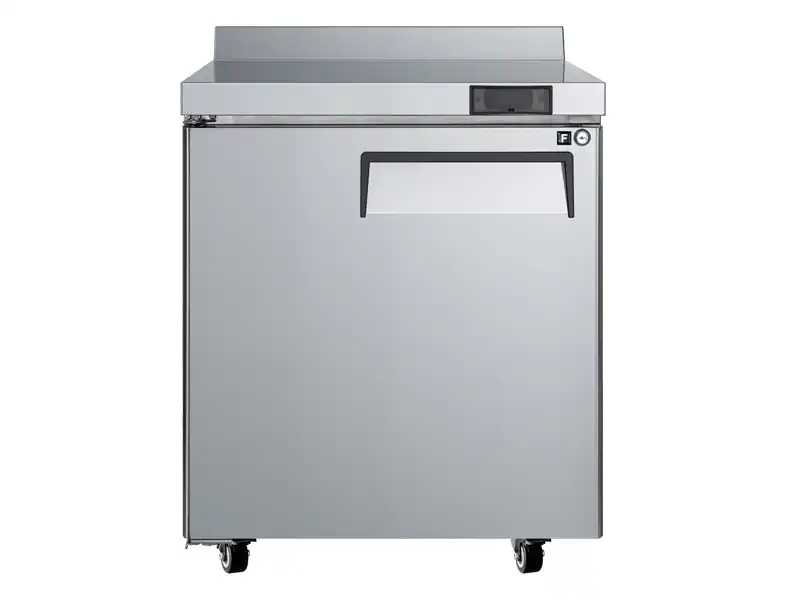
The durability of a solid door freezer comes down to materials and how they handle real kitchen conditions. Stainless steel construction matters because commercial kitchens expose equipment to constant spills, aggressive cleaning chemicals, and physical contact. A unit built with high-quality stainless steel on both exterior and interior surfaces resists corrosion far better than cheaper alternatives. The Camay Commercial Worktop Refrigerator Cooler Fridge (Model MWTF-27-L) uses this approach throughout its construction, which explains why units like this hold up under heavy use.
Hinges take more abuse than most people realize. Commercial doors get opened and closed hundreds of times daily, and flimsy hinges fail within months. Heavy-duty hinges designed for this frequency of use prevent the sagging and misalignment that eventually compromise the door seal.
Insulation quality affects both energy efficiency and compressor longevity. Polyurethane and cyclopentane foam insulation maintains internal temperatures more effectively, which means the compressor runs less frequently and experiences less wear. Door gaskets require regular inspection—a degraded seal forces the system to work harder and accelerates component failure.
| Material Type | Corrosion Resistance | Impact Resistance | Cost (Relative) |
|---|---|---|---|
| Stainless Steel | Excellent | High | High |
| Galvanized Steel | Good | Medium | Medium |
| Aluminum | Very Good | Low | Medium |
Energy Efficiency and Its Effect on Operating Costs
Energy consumption represents a significant ongoing expense that many buyers underestimate during the purchasing process. Modern energy-efficient solid door freezers can reduce electricity bills by 20-30% annually compared to older or budget models. This reduction directly affects maintenance budgets because components operating under less strain simply last longer.
Compressor selection matters enormously here. Reliable compressor types like Cubigel have established track records for efficiency and durability in commercial applications. The refrigerant choice also plays a role—R290 refrigerant offers better thermodynamic properties than older options while meeting current environmental standards.
Digital temperature controls allow precise management that prevents the temperature swings forcing compressors to cycle on and off excessively. Climate class ratings indicate how well a unit performs in specific ambient conditions, so matching the rating to your kitchen environment prevents overwork.
The Camay MWTF-27-L combines R290 refrigerant with polyurethane/cyclopentane foamed insulation, addressing both efficiency and durability in a single design approach.
Preventing Breakdowns Before They Happen
Freezer downtime costs more than just repair bills. Lost inventory, emergency service premiums, and operational disruption add up quickly. Implementing preventative maintenance schedules can extend a solid door freezer lifespan by up to 50%, making routine care one of the most cost-effective investments available.
Condenser coils accumulate dust and grease in kitchen environments, reducing heat transfer efficiency. Cleaning them quarterly prevents the gradual performance decline that eventually triggers compressor failure. Door seals should be inspected monthly—a simple dollar bill test reveals whether the seal maintains proper contact.
Warranty coverage and spare parts availability matter when problems do occur. A comprehensive warranty reduces repair costs, while readily available parts minimize downtime. Features like self-closing doors reduce the frequency of accidental temperature spikes that stress the system.
How often should a commercial solid door freezer be serviced to prevent breakdowns?
Professional servicing every six months works well for most operations, though high-volume kitchens may benefit from quarterly visits. These inspections should include condenser coil cleaning, refrigerant level checks, door gasket inspection, and temperature control calibration. Catching small issues before they escalate prevents the expensive emergency repairs that disrupt operations.
For additional guidance on refrigeration maintenance, our article on 《Essential Maintenance Tips for Commercial Reach In Refrigerators》 covers related best practices.
Why Certifications Matter for Long-Term Reliability
Industry certifications indicate that a solid door freezer meets established standards for safety, sanitation, and performance. NSF certification confirms compliance with public health standards for food safety equipment—manufacturers must demonstrate that their designs allow proper cleaning and prevent contamination.
ETL listing verifies compliance with North American safety standards, covering electrical safety and fire risk. These certifications require third-party testing and ongoing compliance monitoring, so they provide meaningful assurance about manufacturing quality.
The Camay MWTF-27-L carries ETL, DOE, and ENERGY-STAR certifications, reflecting adherence to multiple quality benchmarks. Equipment meeting these standards tends to experience fewer premature failures because the certification process catches design and manufacturing weaknesses.
Proper installation also affects whether certified performance actually materializes in practice. Following manufacturer specifications for clearance, ventilation, and electrical supply ensures the unit operates as designed.
Calculating the True Cost of a Durable Solid Door Freezer
Viewing a solid door freezer purchase as a long-term investment changes how the numbers look. A durable unit with lower lifecycle costs can yield a return on investment 15-25% higher over 5-7 years compared to cheaper alternatives that require more frequent replacement.
The calculation includes initial purchase price, energy consumption over the expected lifespan, repair frequency and parts costs, and revenue lost during downtime. Budget freezers often look attractive at purchase but accumulate hidden costs that exceed the savings.
| Cost Factor | Budget Freezer (5 years) | Durable Freezer (5 years) | Savings (Durable) |
|---|---|---|---|
| Initial Purchase | $1,500 | $3,000 | -$1,500 |
| Energy Costs | $2,500 | $1,800 | $700 |
| Repair & Parts | $1,000 | $200 | $800 |
| Downtime Loss | $800 | $100 | $700 |
| Total Cost | $5,800 | $5,100 | $700 |
| Annualized Savings | $140 |
Equipment financing options can spread the initial cost of a quality solid door freezer, making durable options accessible even when capital is limited.
Answering Technical Questions About Solid Door Freezer Selection
Selecting the right solid door freezer involves understanding how different specifications affect real-world performance. These questions address common decision points.
What are the key differences between various solid door freezer materials?
Stainless steel offers the best combination of corrosion resistance and structural strength, making it ideal for high-use commercial kitchens where equipment faces constant exposure to moisture, chemicals, and physical contact. Galvanized steel provides reasonable corrosion resistance at lower cost but may not hold up as well in demanding environments. Aluminum resists corrosion well and weighs less, but dents more easily than steel options.
Can choosing a specific refrigerant type impact long-term maintenance costs?
Refrigerant selection significantly affects both operating costs and regulatory compliance. R290 refrigerant operates more efficiently than older options, reducing energy consumption and compressor wear. Older refrigerants face increasingly strict regulations that may increase costs for refills or require system modifications. Choosing modern refrigerants positions equipment for longer useful life without regulatory complications.
For a broader view of available options, explore our Product Catalogue for commercial refrigeration solutions.
Partner with ZHEJIANG KAIMEI for Reliable Refrigeration
ZHEJIANG KAIMEI CATERING EQUIPMENT CO., LTD. manufactures commercial refrigeration equipment designed for durability and energy efficiency. Our Solid Door Freezer Cooler units reduce maintenance costs through quality construction and proven components. Contact us at +8618157202219 or Sales@hzcamay.com for a consultation tailored to your specific requirements.
FAQs
What makes a solid door freezer more durable than a glass door model?
Solid door freezers use thicker insulation and heavier-gauge construction materials throughout. The absence of glass eliminates a fragile component while allowing for better temperature retention. This construction approach provides greater resistance to physical impact and reduces the thermal stress that causes component wear, resulting in longer service life and fewer maintenance interventions.
How do energy-efficient solid door freezers contribute to lower maintenance costs?
Efficient solid door freezers equipped with quality compressors and superior insulation operate with reduced component strain. When a compressor cycles less frequently and runs at lower intensity, internal parts experience less wear. This translates to fewer breakdowns, extended component lifespan, and lower combined maintenance and energy costs over the equipment’s operational life.
What are the essential features to look for in a durable solid door commercial freezer?
Prioritize high-quality stainless steel construction for corrosion resistance, robust self-closing hinges rated for commercial use, thick CFC-free insulation, reliable compressor systems from established manufacturers, digital temperature controls for stability, and comprehensive warranty coverage. These features collectively minimize future maintenance requirements and support the long service life that justifies the initial investment.