
A well-designed behind-the-bar workflow turns peak-hour pressure into repeatable movement. It is not just about where the back bar cooler sits, but how bartenders move between ice, bottles, glassware, and service. This guide breaks the workflow into cold zones, reach paths, and equipment decisions that hold up during continuous service.
Design the Bar Around Reach, Cold Zones, and Restock Flow
Every behind-the-bar layout begins with the pour station. From that fixed point, divide the bar into three movement bands: immediate reach, one-step reach, and backstock. Immediate reach should hold the highest-velocity bottles, garnish rail, and ice bin. One-step reach can hold secondary spirits, juices, and glassware in undercounter or Back Bar refrigeration. Backstock belongs in solid-door cabinets or a separate storage zone that does not cross the bartender’s service path.
The cold chain must stay continuous. FDA Food Code temperature control for cold holding requires 41°F (5°C) or below [1]. In a behind-the-bar design, that rule applies to open garnish rails, reach-in bottle coolers, and undercounter storage that holds dairy, juice, and prepped mixers. Build the layout so cold units are not placed beside heat sources such as ice machines, glasswashers, or direct sunlight.
A worktop refrigerator such as the Camay MWTF-27-L can double as a landing surface while keeping prepped bottles at 33–41°F. A solid-door undercounter cabinet stores backstock without crossing the bartender’s service path.
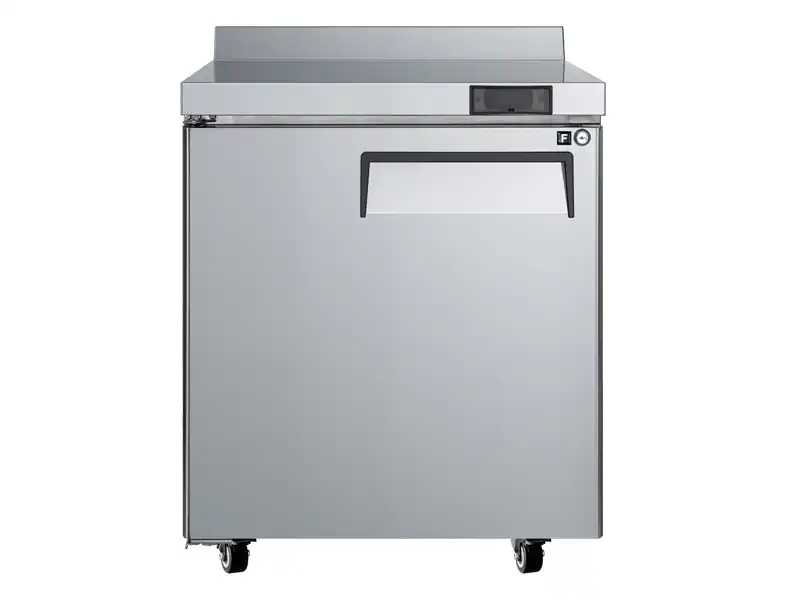
Level placement and rear clearance matter more than they first appear when a unit runs under a bar top. Essential Commercial [Chef Base](https://zjcamay.com/category/service/product-catalogue/chef-base/) Fridge Installation Tips covers clearance, leveling, and first-start checks.
Right-Size Ice, Back Bar, and Under Counter Refrigeration
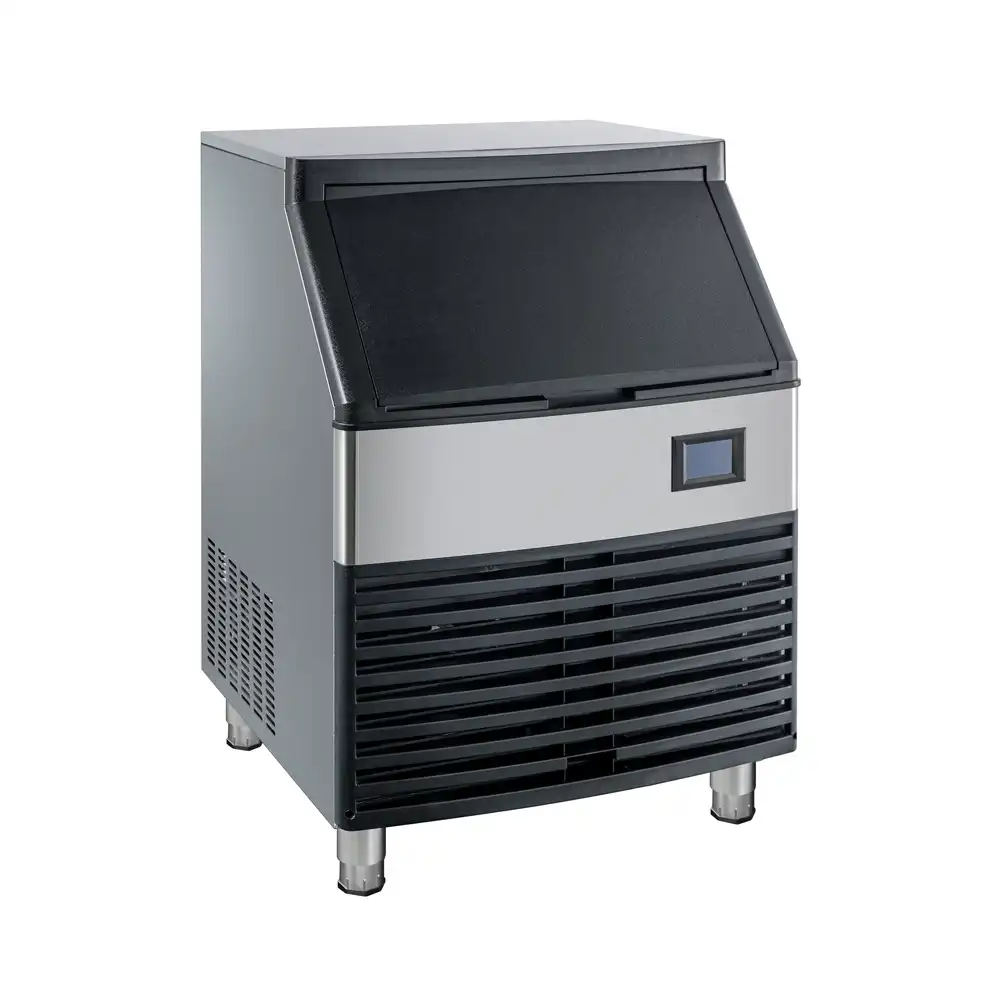
Ice demand drives water line placement, drain, and storage. Begin with the service pattern: high-volume bars need continuous cube ice; lower-volume cafes can use modular top-up. Place the Ice Maker close to the beverage station, but allow heat exhaust to move away from the bartender and away from refrigerated storage.
For medium-volume bars that need consistent cube availability, a cube ice machine such as the Camay FB210A supplies 100 kg in 24 hours with 45 kg of storage. That combination reduces the chance of running out during a long service block while keeping the footprint compact.
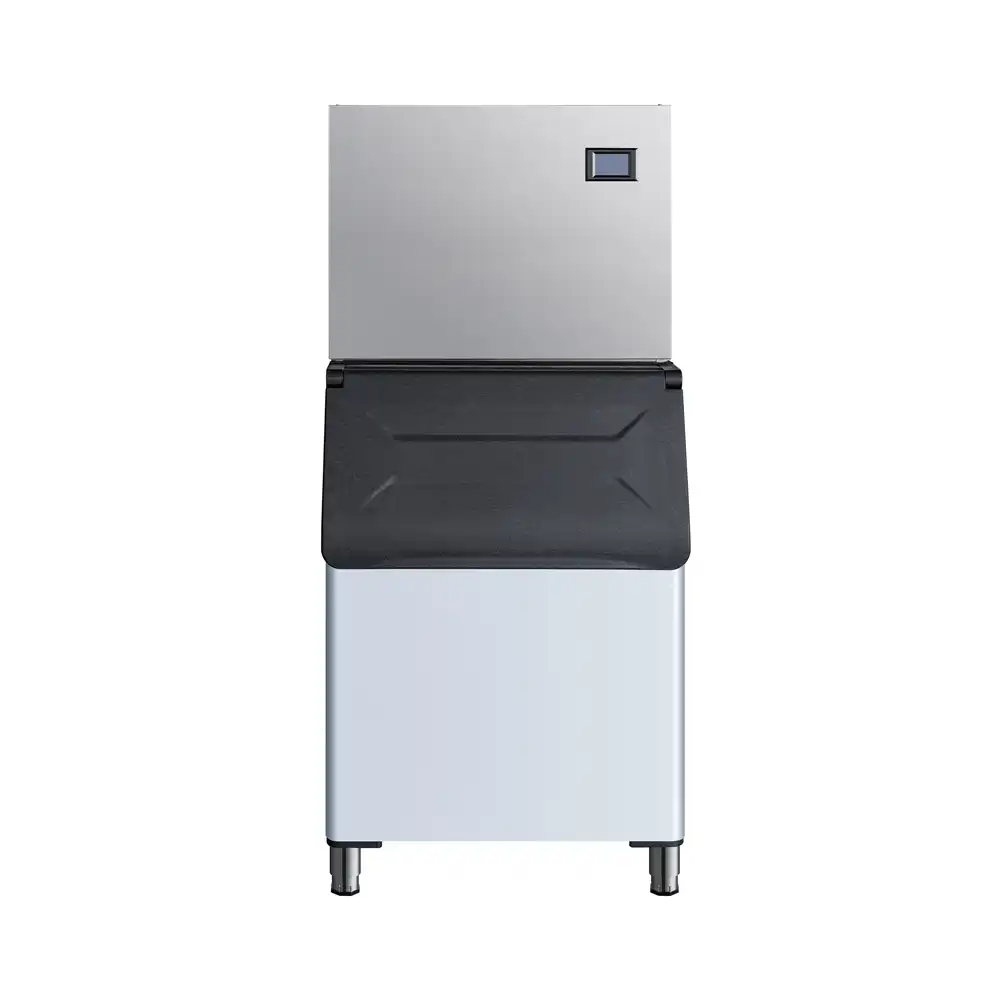
Ice type also affects workflow. Cube ice cools quickly and drains cleanly, flake ice works well for display or rapid chilling, and nugget ice suits soft drinks but requires more storage discipline. Match the ice type to the drink menu before finalizing the water line and drain position.
Bar layout becomes faster when the restock path and pour path do not share the same narrow gap. One bartender should be able to reach glassware, top-selling bottles, and ice without crossing in front of another station.
Small changes in reach and restock sequence reduce bottlenecks more than adding extra coolers. Boost Kitchen Efficiency Workflow Optimization with Chef Base Fridges covers workflow mapping and placement logic for refrigerated prep stations.
Control Heat, Airflow, and Maintenance Without Losing Speed
Heat is the main enemy of a fast bar. Ice makers discharge warm air, glasswashers add humidity, and long service blocks allow condenser coils to collect dust. Leave enough clearance behind and beside refrigeration to keep compressor heat from recirculating into the cold zone.
ENERGY STAR certified commercial refrigeration equipment must meet efficiency criteria set by the program [2]. Look for units with polyurethane/cyclopentane insulation and R290 refrigerant; these reduce energy load and are used in Camay undercounter and worktop refrigerators.
Daily and weekly maintenance should be built into the closing routine. Regular cleaning of ice bins, door gaskets, and condenser coils supports food safety and equipment longevity [3]. Position removable gaskets and accessible coil covers so the team can complete these tasks quickly without pulling equipment away from the bar.
Under bar tops, worktop refrigeration saves steps when bartenders prep garnishes or build tickets in place. Solid-door Under Counter cabinets provide more enclosed storage and quieter operation for reserve stock. Both options belong in the plan, but they serve different movement patterns.
Choosing between a worktop-style cold rail and a solid undercounter cabinet changes both prep flow and storage access. Chef Base Fridge vs Undercounter Fridge Which Is Best for Your Kitchen covers the trade-offs in reach, capacity, and daily workflow.
From Layout to Spec: Turn the Plan into a Growing Asset
Once the zones are mapped, convert the workflow into a specification list before ordering equipment. Record the bar length and underbar depth, door direction and clearance, voltage and frequency, temperature range, ice production per 24 hours, and whether casters or legs match the floor and service style.
A Work Top specification should also include pan configuration if the unit will hold a garnish rail or prep inserts. Getting these details right during design avoids costly field changes and prevents a unit from blocking the bartender’s natural path.
Design Your Behind-the-Bar Refrigeration with Camay
Map your bar zones and send the dimension, ice volume, and temperature targets to our engineering team. ZHEJIANG KAIMEI CATERING EQUIPMENT CO., LTD supports project-specific layouts, OEM/ODM production, and certified commercial refrigeration for global foodservice operations.
Useful details to include in your inquiry:
- Bar length and underbar depth
- Required ice production per 24 hours
- Number of back bar or undercounter doors and drawer configuration
- Certifications or voltage and frequency requirements
- Peak service volume and restock schedule
Phone: +8618157202219 | Email: Sales@hzcamay.com
Frequently Asked Questions
What is the most common behind-the-bar workflow mistake?
The most common mistake is placing high-use bottles, glassware, and ice across separate walk paths. Every extra step multiplies during rush service. Keep the highest-velocity items inside the bartender’s immediate reach zone.
What temperature should back bar refrigerators hold?
Back bar and undercounter refrigeration should maintain cold holding at 41°F (5°C) or below. Many Camay commercial refrigeration units operate between 33°F and 41°F (0.5°C to 5°C), which keeps bottled and prepped ingredients within the safe cold chain.
How much ice production do I need?
Start with the drink menu, peak covers, and whether ice is used for service wells or display. High-volume bars with cube-intensive cocktails need larger continuous production and storage. Modular ice makers, undercounter ice bins, and remote storage can be combined when space is tight.
Can a worktop refrigerator replace an ice bin drainboard?
A worktop refrigerator can serve as a landing surface and cold storage, but it does not replace an ice bin drainboard. The two serve different functions: cold holding versus ice drainage and access. They often work best side by side in the immediate reach zone.
What clearance should I leave around behind-the-bar refrigeration?
Leave the clearance specified by the manufacturer, especially around the condenser and air intake. The goal is to prevent warm exhaust from recirculating into the cold zone and to make daily cleaning accessible without moving heavy equipment.
Should I choose casters or legs under bar units?
Casters speed deep cleaning and service access, while legs provide a fixed, level installation. Choose casters if the floor is smooth and the unit must be pulled for floor cleaning; choose legs when drainage, leveling, or a permanent bar front is more important.
References
[1] U.S. Food and Drug Administration. Food Code 2022. https://www.fda.gov/food/fda-food-code/food-code-2022
[2] ENERGY STAR. Commercial Refrigerators & Freezers. https://www.energystar.gov/products/commercial_refrigerators_freezers
[3] Centers for Disease Control and Prevention. Keeping Food Safe. https://www.cdc.gov/foodsafety/keeping-food-safe.html
If you’re interested, check out these related articles:
Boost Savings with Energy Efficient Commercial Upright Freezers
Upright Freezer vs Refrigerator Key Differences Explained
Choosing the Best Commercial Reach In Fridge for Your Restaurant
Boost Kitchen Efficiency Workflow Optimization with Chef Base Fridges
Boost Efficiency Energy Efficient Chef Base Units for Commercial Kitchens