
Choosing an ice maker for a bar is one of those decisions that looks simple until you’re standing in front of a dozen spec sheets wondering why production numbers vary so wildly between models that cost roughly the same. The reality is that capacity alone tells you very little. What actually determines whether a machine will serve your operation well comes down to how it handles heat, how its components hold up under daily stress, and whether its energy draw makes sense against your utility rates. After years of watching bars struggle with undersized units or overpay for features they never use, the patterns become clear enough to share.
How Different Ice Types Serve Different Bar Needs
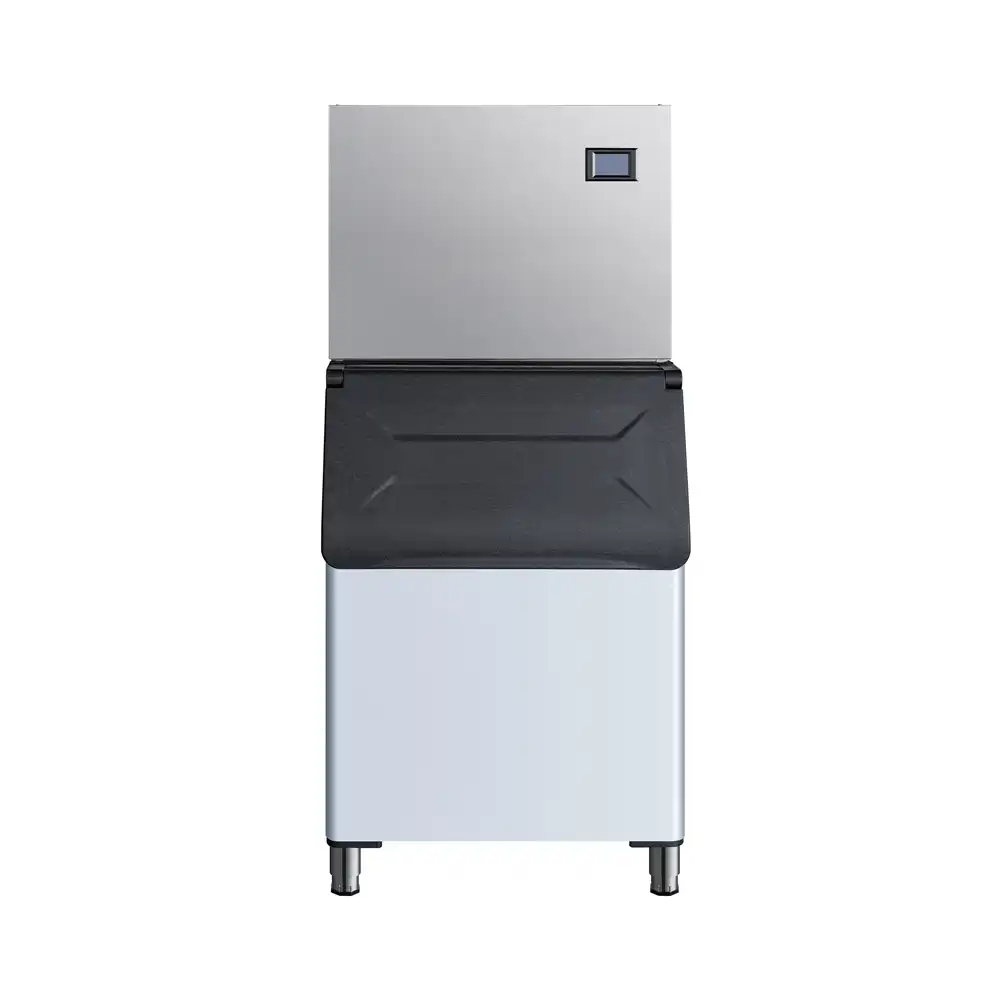
The type of ice a machine produces shapes what drinks you can serve efficiently. Cube ice machines, including models like the FB210A, work well for mixed drinks and general beverage service because the cubes melt slowly and displace liquid predictably. Flake ice serves a different purpose entirely—it packs tightly around bottles for display or blends smoothly into frozen drinks. Nugget ice falls somewhere between, offering that chewable texture customers associate with soft drinks and casual dining.
Getting the sizing right matters more than most operators realize during the purchase phase. Running short during a Friday rush creates problems that ripple through the entire service flow.
What is the ideal ice production capacity for a medium-sized bar?
Figuring out the right production capacity starts with honest numbers about your customer volume and drink mix. A reasonable starting point is 3 to 5 pounds of ice per customer during peak hours. A bar serving 200 people on a busy evening might need somewhere between 600 and 1000 pounds available.
| Bar Size | Daily Customers (Estimate) | Peak Hour Demand (lbs) | Recommended Daily Production (lbs) |
|---|---|---|---|
| Small | 50-100 | 150-300 | 200-400 |
| Medium | 100-250 | 300-750 | 400-800 |
| Large | 250-500+ | 750-1500+ | 800-1500+ |
These ranges account for the reality that ice demand spikes unpredictably. Building in buffer capacity prevents the scramble of buying bagged ice at premium prices when your machine can’t keep pace.
Self-Contained Units Versus Modular Systems
Space constraints often dictate this choice more than preference. Self-contained under counter ice makers combine the production head and storage bin into a single footprint, which suits smaller venues where every square foot counts. Modular systems separate these components, letting you pair a production head with different bin sizes as needs change.
The modular approach offers flexibility for expansion but requires more planning around placement and airflow. Bar layouts that account for service flow and equipment access from the start avoid the awkward retrofits that plague operations that grow faster than expected.
Energy Costs Add Up Faster Than Most Operators Expect
The gap between an efficient machine and an average one shows up monthly on utility bills. Modern units with Energy Star certification use improved compressor designs and refrigerants like R290 that reduce power draw without sacrificing output. The savings compound over years of operation, often covering the price difference within the first 18 to 24 months.
Are energy-efficient ice makers truly cost-effective for bars in the long run?
They are, though the math depends on local electricity rates and how heavily the machine runs. The upfront cost difference between standard and high-efficiency models typically ranges from 10 to 20 percent. Operational savings from reduced power consumption offset this premium relatively quickly in most markets.
Some regions offer rebates or tax incentives for businesses installing Energy Star certified equipment, which accelerates the payback period. Running the numbers against your actual utility rates gives a clearer picture than relying on manufacturer estimates alone.
Cooling Technology Affects Performance in Tight Spaces
How a machine dissipates heat determines where you can install it and how efficiently it runs. Air-cooled units work well in spaces with adequate ventilation but struggle when ambient temperatures climb or airflow gets restricted. Water-cooled machines handle heat better in confined areas, though they consume water continuously during operation.
Remote condenser systems move the heat-generating components outside the building entirely. This approach keeps the bar area quieter and cooler, though installation costs run higher and require exterior space for the condenser unit.
Materials Determine How Long Equipment Lasts
Construction quality separates machines that run reliably for a decade from those that need replacement after three or four years. Food-grade 304 stainless steel resists corrosion from constant moisture exposure and handles the cleaning chemicals necessary for sanitation. Interior components made from food-grade plastics should be smooth and non-porous to prevent bacterial growth.
What to Look for in Construction
Beyond the obvious exterior finish, examine how internal surfaces are designed. Round-corner inner shelves clean more easily than sharp-angled ones. Removable gaskets allow thorough sanitization of seals that otherwise trap moisture and organic matter. These details affect daily maintenance burden and long-term hygiene compliance.
Warranty Terms Reveal Manufacturer Confidence
A strong warranty signals that the manufacturer expects the equipment to perform. Coverage periods, what components are included, and whether labor costs are covered all matter when evaluating total cost of ownership. Access to spare parts and technical support becomes critical when something does fail—downtime during peak season costs more than most repair bills.
Service agreements that include preventive maintenance visits can extend equipment life and catch problems before they cause operational disruptions.
Maintenance Practices That Extend Equipment Life
Installation done correctly prevents a surprising number of problems. Water supply lines need appropriate pressure and filtration. Electrical connections must match the machine’s requirements exactly. Placement should allow adequate clearance for airflow and service access.
How often should a commercial ice maker be cleaned and maintained?
Every six months at minimum, with more frequent attention if water quality is poor or usage volume is high. Descaling removes mineral deposits that reduce heat transfer efficiency and strain compressor operation. Filter replacement maintains water flow rates and prevents sediment from reaching internal components.
Skipping scheduled maintenance accelerates wear on expensive parts and often voids warranty coverage. The time investment pays back through fewer emergency repairs and more consistent ice quality.
Water Quality Problems Create Expensive Repairs
Hard water causes scale buildup on evaporator plates and inside water lines. Over time, this reduces production capacity and increases energy consumption as the machine works harder to compensate. Severe scaling can damage components beyond economical repair.
Filtration systems matched to local water conditions protect the investment. Testing your water supply before installation helps identify what level of filtration makes sense for your situation.
Connected Features Change How Operators Manage Equipment
Remote monitoring capabilities let managers track performance without standing next to the machine. Sensors report production rates, temperature readings, and operational status to dashboards accessible from anywhere. Early warning alerts flag potential issues before they cause complete failures.
How IoT Integration Improves Daily Operations
Connected ice makers collect data that reveals patterns invisible to casual observation. Usage trends help predict when demand will spike. Energy consumption tracking identifies inefficiencies that might otherwise go unnoticed. Remote diagnostics reduce service call times because technicians arrive already knowing what the machine has been doing.
These capabilities add cost to equipment purchases but reduce operational headaches for bars that run lean on management time.
Where Commercial Ice Making Technology Is Heading
Refrigerant regulations continue pushing the industry toward lower-impact options like R290, which already appears in current production models. Expect tighter integration between ice makers and building management systems, allowing coordinated energy use across all refrigeration equipment. Compact designs that maintain high production capacity will address the space constraints common in urban bar locations.
Elevate Your Bar’s Ice Production with ZHEJIANG KAIMEI
Elevate your bar’s operational efficiency and customer experience with refrigeration equipment designed for peak performance and lasting durability. As a professional one-stop-shop manufacturer, ZHEJIANG KAIMEI CATERING EQUIPMENT CO., LTD offers a comprehensive range of energy-efficient ice makers tailored to the unique demands of the hospitality industry. Contact us today at +8618157202219 or Sales@hzcamay.com for a personalized consultation and discover how our solutions can enhance your business.
Frequently Asked Questions About Commercial Bar Ice Makers
What is the most energy-efficient ice maker for a busy bar?
Look for Energy Star certification as a baseline, then compare production-to-wattage ratios between models in your target capacity range. Advanced compressor technology and smart features that adjust output based on actual demand contribute to efficiency gains. Remote condenser configurations often perform better in hot climates where air-cooled units struggle. The specific best choice depends on your space constraints, local utility rates, and how your demand patterns distribute across operating hours.
How to choose a durable ice machine for high-volume use?
Start with construction materials—stainless steel throughout, not just on visible surfaces. Examine the evaporator design and compressor specifications, since these components handle the heaviest workload. NSF certification indicates the machine meets public health standards for food contact equipment. Warranty terms often reflect how manufacturers expect their products to hold up; longer coverage on compressors and major components suggests confidence in durability.
Why is ice maker performance crucial for bar operations?
Running out of ice during service creates cascading problems. Bartenders slow down, drink quality suffers, and customers notice. The stress ripples through the entire operation. A machine that reliably meets peak demand keeps service flowing smoothly and prevents the scramble of emergency ice purchases at inflated prices. Consistent performance also means consistent ice quality—clear cubes that melt predictably and don’t dilute drinks faster than expected.