
Choosing between an automatic and a manual ice maker isn’t just a matter of preference—it shapes how smoothly your kitchen runs, how much you spend, and how convenient day-to-day service feels. Over 28 years working with refrigeration equipment, I’ve watched the right machine turn chaotic rushes into calm, consistent service—whether for a bar on a summer weekend or a family that loves hosting. Understanding the trade-offs upfront helps you invest once and get it right, for both commercial operations and home setups.
Understanding the Core Differences Between Automatic and Manual Ice Makers
The key difference comes down to autonomy. Automatic units run the full cycle on their own, while manual options need you to step in at multiple points. That distinction determines which style fits a given workflow, space, and budget.
1. Defining Automatic Ice Makers
Automatic ice makers operate continuously without hands-on input. Hooked directly to a water line, they fill molds, freeze, and drop ice into a storage bin, cycling until the bin is full. Built-in refrigeration and level sensors manage the process; production pauses when the bin reaches capacity and resumes as ice is used. In high-demand settings, that set-it-and-forget-it reliability is a major plus.
2. Defining Manual Ice Makers
Manual ice makers require user involvement throughout. This group includes classic ice trays, portable countertop units, and certain commercial models that you refill by hand. You add water to trays or reservoirs, use a freezer to freeze the water, and then remove the ice yourself. Most manual units don’t have integrated refrigeration or an automated water supply.
3. Key Operational Distinctions
It’s automation versus hands-on control. Automatic machines deliver convenience and steady output—ideal when demand is continuous. Manual options trade that convenience for lower upfront cost and flexibility, making sense for occasional use. Automatic models often add features like self-cleaning or programmable settings. Manual designs stay simple, with fewer complex components to maintain.
Analyzing the Advantages and Disadvantages of Automatic Ice Makers
Automatic machines can be game-changing, especially in commercial environments—but they come with trade-offs worth weighing carefully.
1. Benefits of Automatic Ice Production
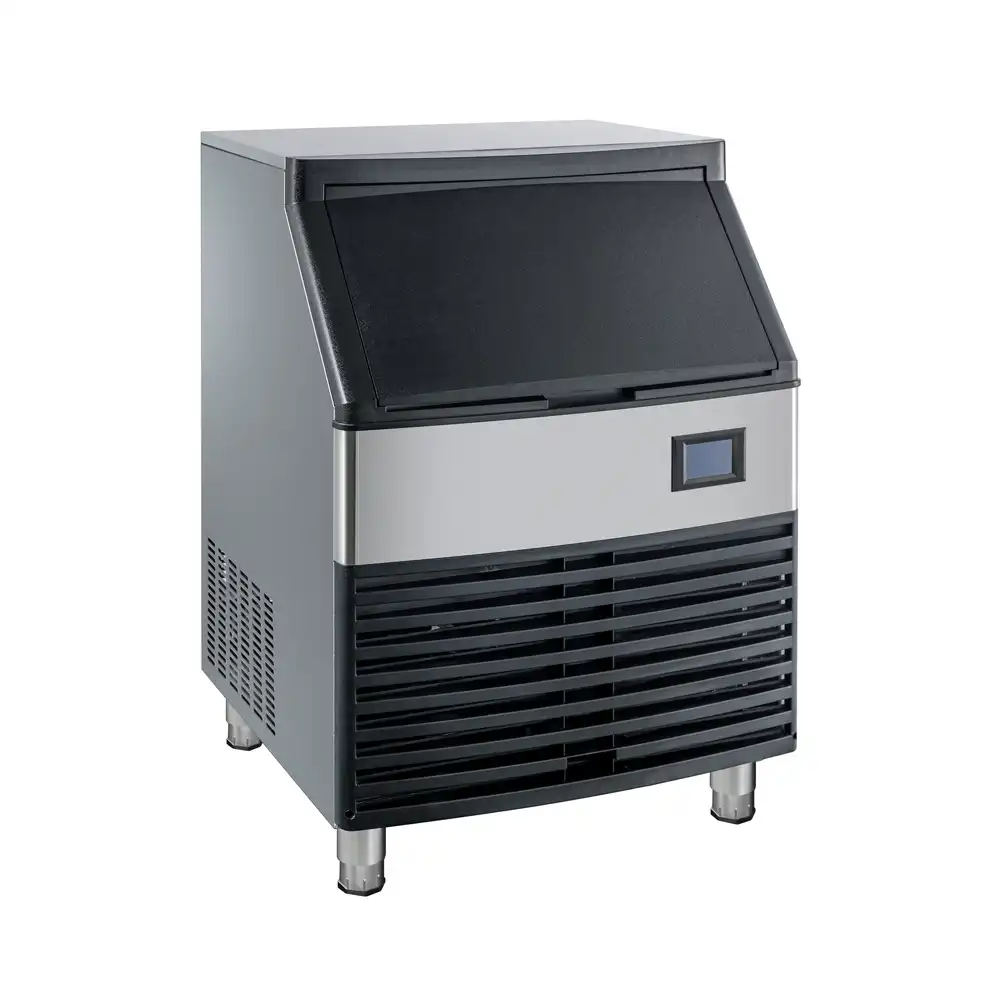
Automatic ice makers are built for effortless, uninterrupted supply. No topping off water, no checking trays—just consistent production that keeps pace with busy restaurants, cafes, and bars. Many offer multiple ice styles—cube, crescent, flake—to suit drinks and prep needs. Modern units also add self-cleaning cycles and diagnostics to cut down on manual maintenance. For example, our Cube Ice Making Machine (Model FB210A) combines an advanced LCD touch screen with a self-cleaning function, making it efficient and easy to operate in a range of commercial settings.
2. Drawbacks of Automatic Ice Makers
The convenience carries costs. Automatic machines generally require a higher initial investment and can be pricier to repair due to their complexity. They also use more electricity and water, given continuous cooling and production cycles. Installation typically needs a dedicated water line and drainage, which can limit placement. And while many tasks are automated, routine cleaning is still essential for hygiene and scale control.
3. Ideal Use Cases for Automatic Models
Automatic units shine where ice demand is steady and high—commercial kitchens, hotels, bars, restaurants, and larger offices. They’re also a smart fit for households that entertain frequently or value on-demand ice. In these scenarios, reliability and speed justify the added cost. Picture a busy cafe pumping out iced drinks all afternoon—an automatic machine isn’t a luxury; it’s the backbone of service.
Evaluating the Pros and Cons of Manual Ice Makers
Manual options are simpler and more affordable, and for the right user profile, they’re exactly the right tool.
1. Advantages of Manual Ice Production
Manual ice makers are budget-friendly to buy and cheap to run. With no plumbing needed, they’re easy to place and move. Traditional trays use no electricity to make ice, which helps keep energy bills down. Their straightforward design means fewer parts to fail and typically easier, lower-cost fixes. For occasional or low-volume needs, that simplicity is an advantage.
2. Limitations of Manual Ice Makers
The trade-off is the hands-on work: filling water, moving trays, and extracting ice—time-consuming if you need larger quantities. Capacity is inherently limited, making them a poor fit for high-demand situations. Ice quality can vary, and without proper storage, cubes may pick up freezer odors or show freezer burn. You also miss out on extras common in automatic units, like self-cleaning or multiple ice types.
3. Best Scenarios for Manual Options
Manual ice makers are a solid match for homes, small offices, and infrequent use. They’re also great as a backup or supplemental source. Campers, small event planners, and anyone working with tight kitchen space often prefer them for their portability and low cost.
If you’re interested, check Chef Base Fridge vs Undercounter Fridge Which Is Best for Your Kitchen.
Key Factors to Consider When Choosing an Ice Maker
A few core considerations will help you choose confidently between automatic and manual models.
1. Production Capacity and Speed
Start with your daily ice requirement. Commercial operations may need hundreds of pounds per day; most homes need only a few pounds. Automatic machines are built for high-volume, continuous output. Manual options deliver smaller, slower batches suited to occasional use. Plan for peak periods to avoid shortages.
2. Initial Cost and Long-Term Operating Expenses
Automatic ice makers cost more upfront and typically consume more electricity and water. Manual options are cheaper to purchase and run—especially tray-based setups with no power draw. Factor in possible repair costs for complex automatic systems versus the minimal maintenance needed for manual units. Total cost of ownership includes energy, water, and ongoing upkeep.
3. Space Requirements and Installation
Automatic machines often need a dedicated spot, a water line, and drainage—important considerations in tight or fixed layouts. Manual models, especially portable ones, are far more flexible and don’t require plumbing. Measure carefully to ensure a proper fit before you commit.
4. Maintenance and Cleaning Considerations
Automatic units still need regular cleaning to control scale and mold, though many now include self-cleaning cycles to simplify the job. Manual ice makers are easier to disassemble and clean thanks to their simplicity—but they still need consistent hygiene routines. Proper maintenance protects performance and lifespan for both types.
If you’re interested, check Essential Maintenance Tips for Your Commercial Chef Base Refrigerator.
5. Ice Quality and Type
Automatic machines typically deliver clear, consistent cubes in multiple shapes (full cube, half cube, nugget), which matters for drink quality and presentation. Manual setups are less uniform, and results vary with water quality and freezer conditions. Think about the shape and clarity you want for your application.
6. Energy Consumption and Environmental Impact
Expect higher energy and water use from automatic models due to refrigeration cycles and continuous production; energy-efficient ratings can help soften the impact. Manual options—especially trays—have essentially no energy footprint for making ice. Balance operational needs with environmental and cost considerations.
Making the Right Choice: Recommendations for Different Needs
The best fit depends on your volume, workflow, and budget. Here’s how I typically match solutions to real-world scenarios.
1. Recommendations for Commercial Kitchens and Businesses
In restaurants, bars, hotels, and large-scale food service, automatic ice makers are essential. Focus on high daily capacity, rugged construction, and features like self-cleaning to reduce downtime. Modular configurations can future-proof your setup as demand grows. In practice, automatic ice makers are foundational to efficient service.
2. Recommendations for Home Use and Small Offices
For homes and small offices with moderate needs, manual ice makers or compact automatic countertop units usually do the job. Portable manual models are easy to stash and move. If convenience is the priority and space permits, a small automatic under-counter unit can be worth the investment. Gauge daily usage and available space before deciding.
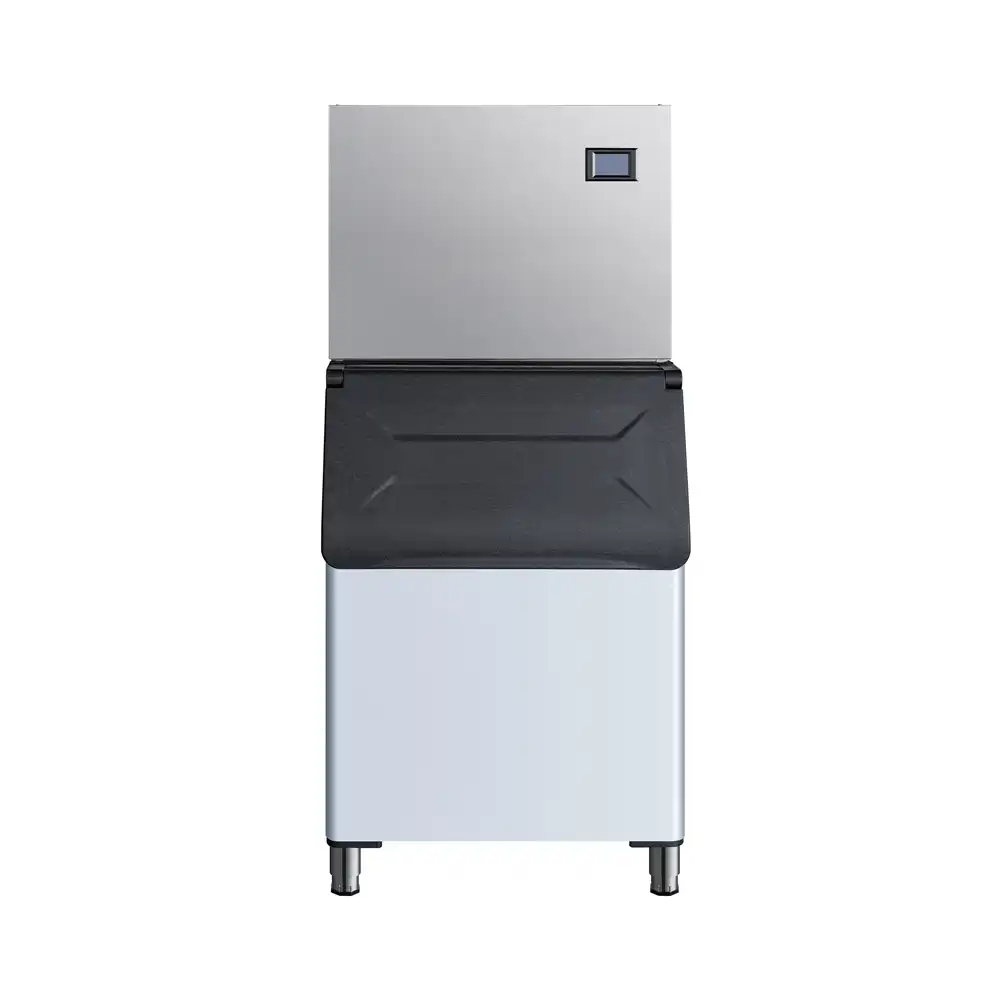
3. Camay’s Cube Ice Making Machine: An Automatic Solution
At ZHEJIANG KAIMEI CATERING EQUIPMENT CO., LTD., we offer advanced automatic ice makers designed for efficiency and reliability. Our Cube Ice Making Machine (Model FB210A) exemplifies these qualities. It features an advanced LCD touch screen for easy operation and a food-grade 304 stainless steel construction for durability and hygiene. The high-performance copper-nickel evaporator ensures faster freezing, and the water-flow ice-making system increases capacity by 10%. With a self-cleaning function and advanced noise-reduction technology, it is a superior choice for commercial and mixed-use applications. This machine produces 100 kg of cube ice per 24 hours with a storage capacity of 45 kg, making it suitable for restaurants, cafes, and hotels.
Get Expert Advice on Your Ice Maker Needs
Choosing the right ice maker is a critical decision for your business or home. Our team at ZHEJIANG KAIMEI CATERING EQUIPMENT CO., LTD. offers expert guidance and a wide range of high-quality refrigeration equipment. Contact us today to discuss your specific requirements and find the perfect solution.
Phone: +86 181 5720 2219
Email: Sales@hzcamay.com
About the Author
David Qian, a seasoned expert with 28 years of experience in the refrigeration industry, brings a wealth of knowledge to the field of commercial catering equipment. His background in refrigeration equipment ensures a deep understanding of product functionality, efficiency, and market needs, making him a trusted voice in guiding businesses toward optimal cooling solutions.
FAQs
1. How much ice does an automatic ice maker produce per day?
Production varies widely: compact residential models can deliver around 20 pounds per day, while larger commercial machines exceed 500 pounds. Our Camay Cube Ice Making Machine (Model FB210A) produces up to 100 kg (approximately 220 pounds) in 24 hours, which fits many commercial applications.
2. Are manual ice makers more energy-efficient than automatic ones?
Generally, yes. Traditional trays use no electricity to make ice, and portable manual units draw minimal power. Automatic ice makers rely on continuous refrigeration and water pumping, so their energy use is higher.
3. What is the typical lifespan of an automatic ice maker?
With proper care, residential units typically last 5 to 10 years, and commercial-grade machines run 7 to 15 years. Correct installation, routine cleaning, and timely service all extend useful life.
4. Can I use any type of water in my ice maker?
Filtered water is strongly recommended. Unfiltered tap water can cause mineral buildup, degrade ice clarity, and shorten component life—especially in hard-water regions, where scale forms faster and demands more frequent descaling.
5. What are the most common maintenance tasks for ice makers?
Plan on cleaning the reservoir and bin, descaling to remove mineral deposits, and inspecting or replacing water filters. For automatic machines, also clean condenser coils and verify proper drainage to maintain performance and longevity.