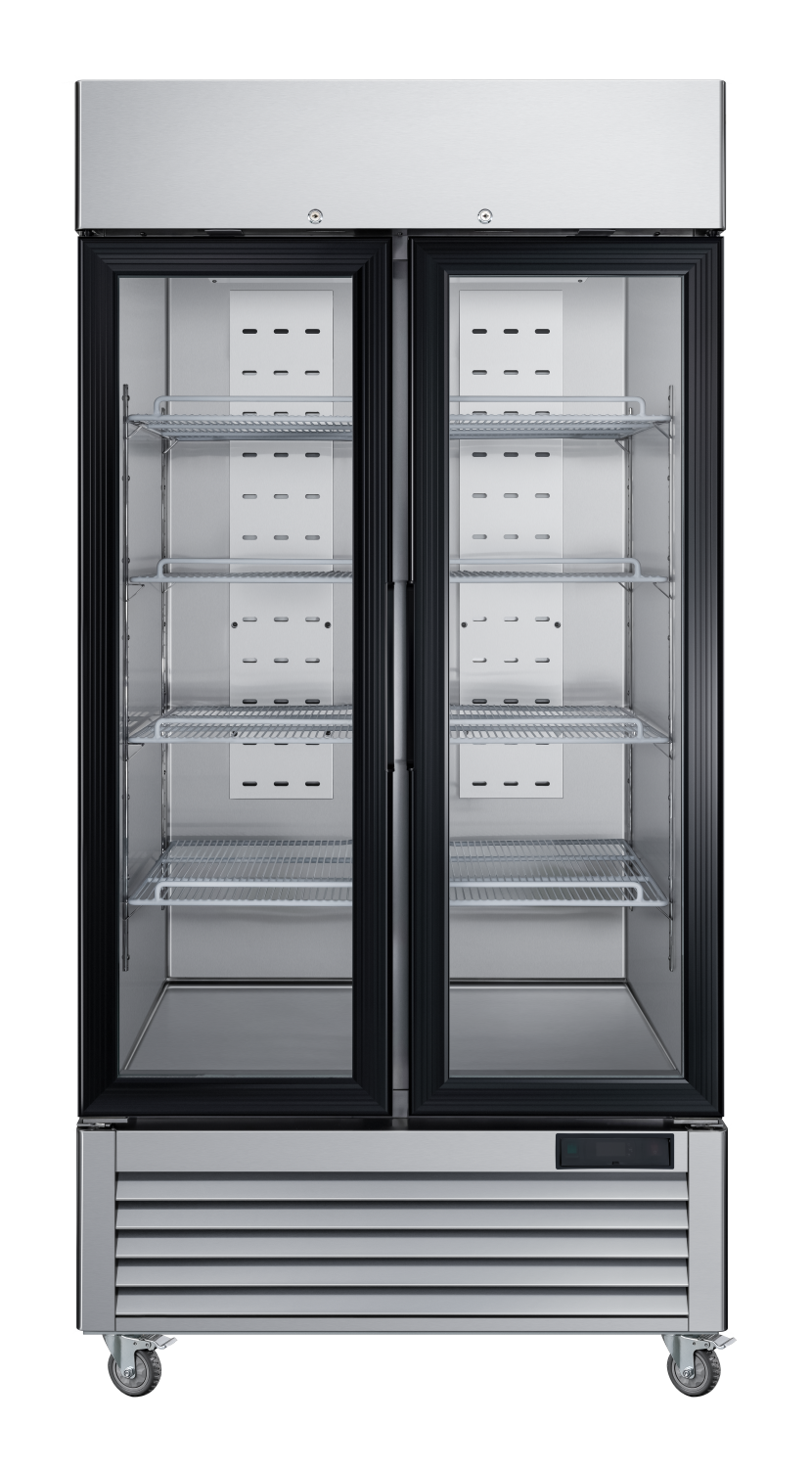
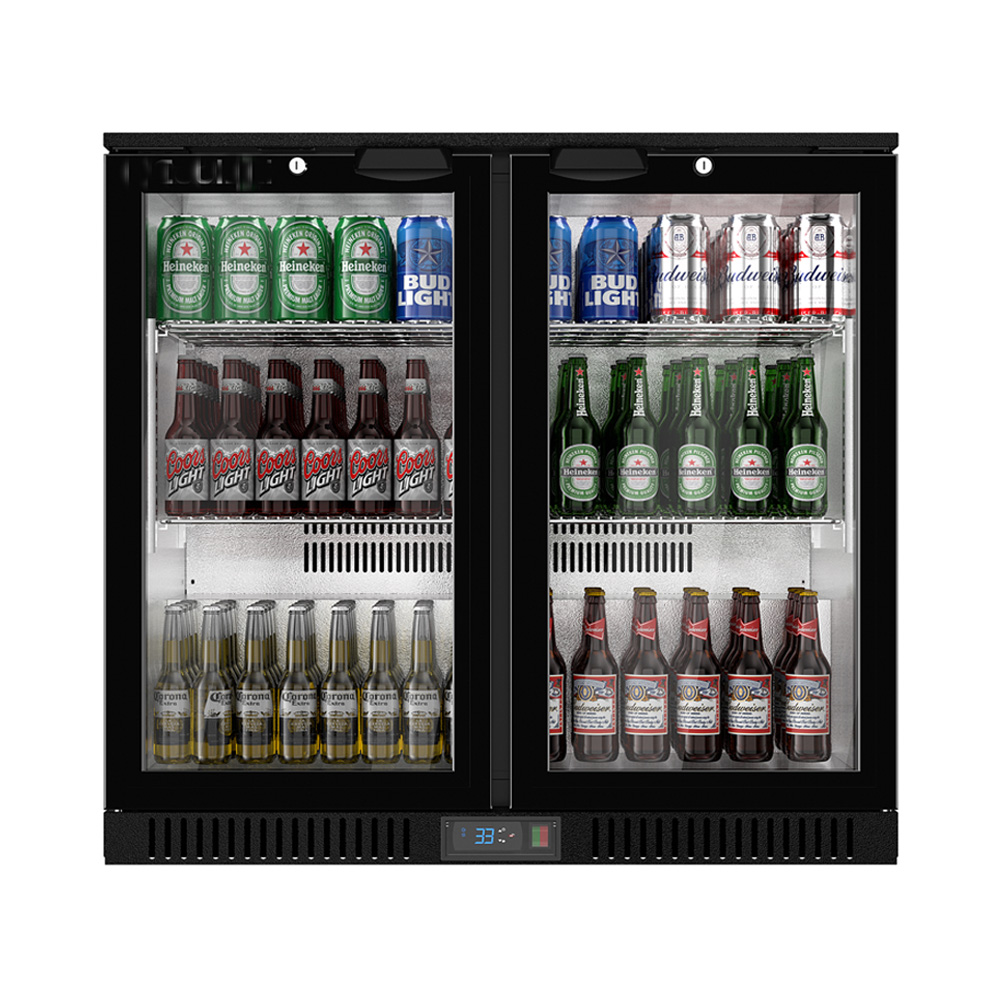
Direct draw coolers and bottle coolers solve different problems behind the bar. A direct draw cooler keeps kegs cold and dispenses draft beer through a short tap tower, while a bottle cooler stores packaged bottles and cans at safe cold-holding temperature. The best choice depends on draft volume, packaged beer mix, available bar footprint, and how the bar staff actually move during service. This comparison covers temperature control, capacity, layout, energy use, and maintenance so you can specify the right back-bar refrigeration without overpaying. If you are reworking the bar line, send your draft and packaged SKU list to Sales@hzcamay.com or call +8618157202219 for a layout-specific direct draw vs. bottle cooler check. What Is a