

Promotional merchandisers live or die by visibility, but the refrigeration cabinet underneath the graphic has to keep working reliably. A well-planned decal program does more than apply a logo: it protects the brand message without blocking temperature probes, door seals, ventilation, or sanitation access. This guide focuses on custom decals for commercial fridges, upright merchandisers, prep tables, and undercounter units, with practical guidance drawn from commercial refrigeration manufacturing and service experience.
Why Branding on Commercial Refrigeration Is a Workhorse, Not Just a Graphic
A branded fridge works twice as hard. It holds product at safe temperature while also serving as front-of-house advertising, wayfinding, or menu-space reinforcement. In convenience stores, beverage displays, bakery cases, and bar back coolers, the cabinet surface becomes part of the selling system. The problem is that many graphics programs start with the visual concept and treat the refrigeration unit as an afterthought.
That leads to three common failures: decals lifting at the edges because the substrate was not prepared, service labels or ventilation openings getting covered, and glass-door units losing product visibility after the wrap goes on. The most effective programs treat the cabinet as a spec item from the beginning, not just as a graphic canvas.
Surface Preparation and Substrate Behavior
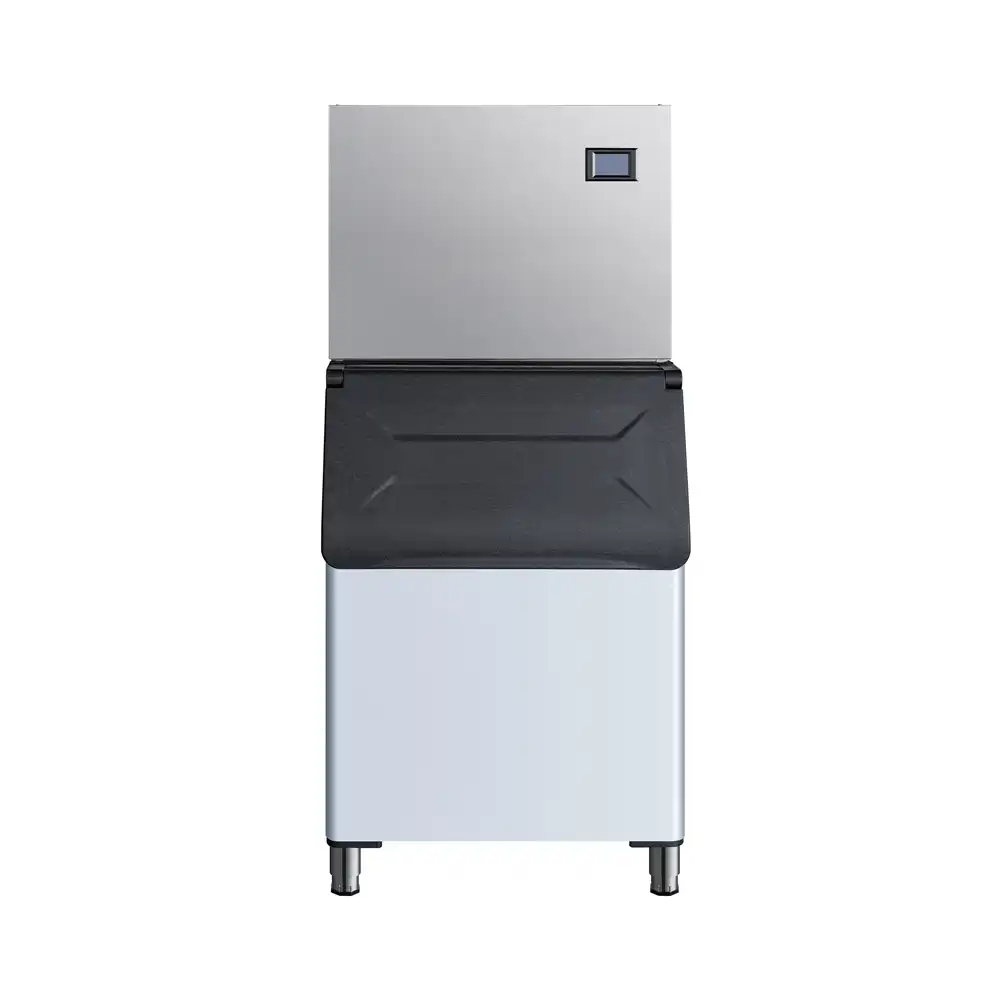
The type of panel determines which film and surface prep to use. Stainless steel is not a single finish. Brushed stainless, polished stainless, and optional black inner or outer panels behave differently with pressure-sensitive adhesive, especially in low-temperature and high-humidity environments.
Commercial food equipment surfaces in food areas must be smooth, nonabsorbent, and easy to clean [1]. Decals used in these zones should not create a raised edge, seam, or debris trap. Cleanability standards for food equipment materials reinforce the same point: an applied film should not compromise the underlying surface finish [2]. If a decal edge lifts, condensation can collect underneath, hold soil, and make routine sanitation more difficult.
For doors and side panels, adhesion should be tested on the actual cabinet finish before a production run. Standard crosshatch and tape-pull methods provide repeatable adhesion comparisons for coated metal, stainless steel, and glass [3]. This is especially important when the unit will cycle between a hot kitchen perimeter and a cold interior surface.
A branded worktop refrigerator also needs to earn its footprint through workflow and storage. If the decal limits cleaning access or hides damage around handles and gaskets, the visual gain is not worth the operational loss.
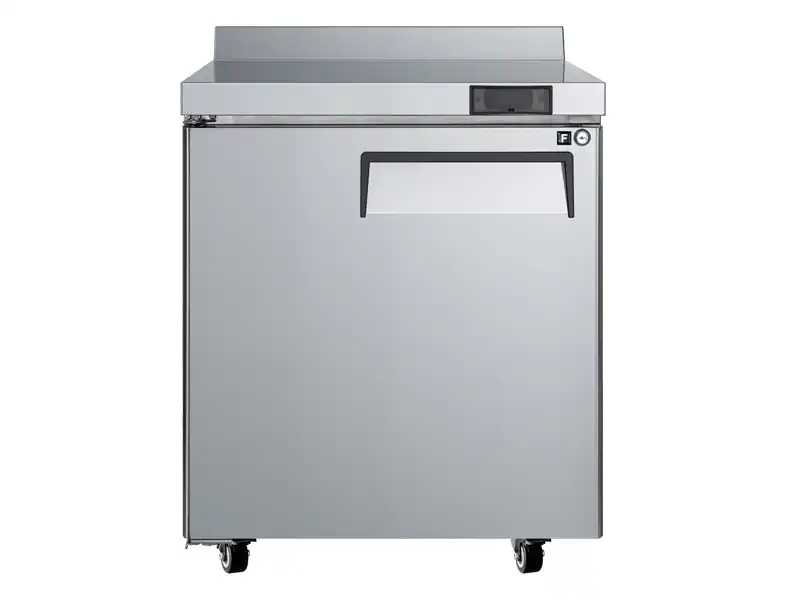
A branded worktop refrigerator still has to earn its footprint through workflow and storage. <Optimizing Kitchen Efficiency with Integrated Worktop Refrigeration> covers how integrated refrigeration placement changes kitchen throughput.
Design Rules for Front-of-House Merchandisers
Door frames and handles are usually more graphics-friendly than the glass itself. On upright merchandisers, a full-coverage glass wrap may reduce product visibility and require stronger interior lighting. That lighting load has an energy consequence, which is why energy performance criteria for commercial refrigeration include door type, glass area, and lighting provisions as qualifying factors [4].
Keep transparent areas clear for stock checks and food safety. Operators need to see labeling, product condition, and condensate problems quickly. A wrap that looks bold in a design review can become an inspection barrier during a rush.
For solid-door back-of-house units, the branding equation is different. These cabinets are rarely customer-facing, so graphics should be limited to service-facing information, department identification, or replacement-part tracking. The priority is not marketing display but long-term cleanability and access to hinges, handles, and latches.
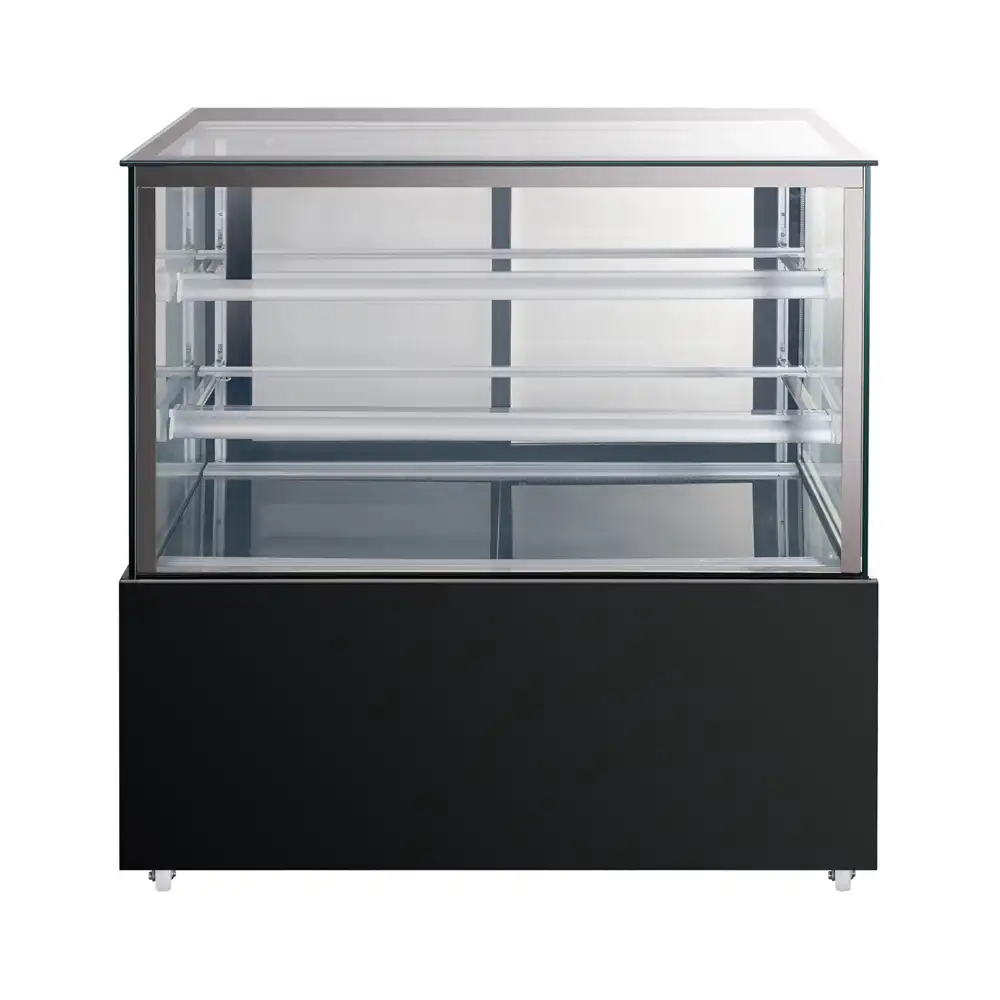
If you are evaluating branded glass-door reach-in units for front-of-house, resolve the door type, number of doors, and storage volume before finalizing a graphics template. <Choosing the Best Commercial Reach In Fridge for Your Restaurant> covers the buying trade-offs for restaurant cold storage.
Application, Removal, and Warranty Risk
Do not cover data plates, electrical labels, vent openings, door gaskets, hinges, casters, or drain access points. These components are not just service conveniences; they are part of the equipment safety and compliance chain. Commercial refrigeration units carry certification markings that support safe installation and field inspection. Removing or obscuring these markings may create service and compliance problems [5].
Professional installers should document surface temperature and humidity before application. Many films have minimum and maximum application-temperature limits, and a cold cabinet door that has just been moved from a refrigerated space can be outside those limits. For long-term programs, test removal after six to twelve months of thermal cycling, because adhesive aging can differ dramatically on equipment doors that move between warm kitchens and cold interiors.
Even a well-installed decal should not hide service access points, condenser areas, or model-and-serial labels. <Essential Maintenance Tips for Commercial Reach In Refrigerators> covers cleaning and service habits that protect reach-in units.
Energy, Thermal Performance, and Airflow
Decals on door fronts can absorb heat if the unit sits near windows, ovens, or direct sunlight. This does not usually change peak cooling capacity, but it can affect door-surface temperature and condensation patterns. Airflow is where branding causes avoidable failures. Films stretched across louvered kickplates, side vents, or upper exhaust openings raise compressor temperatures and shorten service intervals.
Refrigeration guidance prioritizes condenser airflow and ambient air management as operational requirements [6]. Keep decorative film clear of any vent opening, grille, or mechanical air path. A cabinet that cannot reject heat will run longer, cycle harder, and fail earlier, no matter how well the graphic is printed.
Before printing hundreds of branded panels, verify the cabinet configuration and vent locations with the refrigeration manufacturer. For an application review of a specific unit or multi-site program, send your graphics coverage map, door dimensions, and target ambient conditions to Sales@hzcamay.com or call +86 181 5720 2219.
Procurement Checklist for Promotional Merchandiser Programs
- Confirm panel finish and substrate with the equipment manufacturer before film selection.
- Keep service labels, louvered panels, grilles, hinges, gaskets, and drain access uncovered.
- Require adhesion and removal testing on an actual cabinet panel, not a separate sample plate.
- Manage temperature and humidity during installation and document surface conditions.
- For glass-door units, maintain clear inspection windows and review interior lighting changes.
- Ask about fire and life-safety markings if the unit is placed near exits or suppression zones.
- Order replacement decal panels for multi-site rollouts so service and relocation do not disrupt branding.
Contact Camay for Branding-Ready Commercial Refrigeration
Zhejiang Kaimei Catering Equipment Co., Ltd. manufactures a one-stop-shop range of commercial refrigeration for merchandising, preparation, and back-of-house storage. For brand owners, food and beverage distributors, and multi-site retail operators, Camay supports OEM and ODM projects with stainless steel panels, glass-door merchandisers, undercounter units, chef bases, and display cabinets ready for decal programs. Send cabinet dimensions, door orientation, voltage, capacity, and certification requirements to Sales@hzcamay.com or call +8618157202219 for a project review.
Frequently Asked Questions
Can I wrap a commercial refrigerator without damaging stainless steel?
In most cases, yes, but preparation matters. Use a clean, dry, contaminant-free surface, select a film designed for metal, and perform adhesion testing on the actual cabinet finish. Avoid films that leave aggressive adhesive residue, and do not bridge gaskets, seams, or corners that must stay cleanable [3].
Should I brand the glass door or the door frame of a merchandiser?
The door frame is usually the safer first choice because it preserves product visibility and avoids adding thermal load to the glass. If the glass must carry graphics, keep a clear inspection window and review whether interior lighting use will increase because product visibility has been reduced [4].
Do custom decals affect compressor warranty?
They can if they block condenser airflow, louvered panels, or data and certification labels. The most common warranty and service issues come from covered ventilation openings and inaccessible service points, not from the vinyl itself [5].
How do I keep branded units clean in food service environments?
Use nonporous films with sealed edges, inspect for lifting or condensation traps, and include the branded surface in the regular sanitation schedule. The decal should not create a raised edge or harborage point in food areas [1].
References
- U.S. Food and Drug Administration. Food Code 2022. Chapter 4: Equipment, Utilities, and Linens. https://www.fda.gov/food/fda-food-code/food-code-2022
- NSF/ANSI 51: Food Equipment Materials. NSF International.
- ASTM D3359-23: Standard Test Methods for Measuring Adhesion by Tape Test. ASTM International.
- ENERGY STAR Program Requirements for Commercial Refrigerators and Freezers. U.S. Environmental Protection Agency.
- UL 471: Commercial Refrigerators and Freezers. UL Standards & Engagement.
- ASHRAE Handbook—Refrigeration. American Society of Heating, Refrigerating and Air-Conditioning Engineers.
If you’re interested, check out these related articles:
Boost Savings with Energy Efficient Commercial Upright Freezers
Optimizing Kitchen Efficiency with Integrated Worktop Refrigeration
Chef Base Fridge vs Undercounter Fridge Which Is Best for Your Kitchen