

Fresh-cut stems are still alive. They respire, release moisture, and respond to ethylene until they are placed in a controlled environment. For florists and perishable-goods operators, cold storage is not simply about making a room cold. It is about controlling temperature, humidity, airflow, and product compatibility so that stems, foliage, and adjacent perishable inventory move through receiving, design, display, and delivery without losing salable value.
Temperature and Humidity Control for Cut Stems
Most general cut-flower handling guidance places storage between 33°F and 38°F, while tropical flowers often require warmer conditions depending on species [1][3]. The goal is to slow respiration without freezing delicate tissue or causing petal damage. In mixed-use areas where florals are held near food, the FDA Food Code points to cold holding at 41°F or below for foods that require time and temperature control [2].
Many floral coolers perform best in the 90% to 95% relative humidity range [3]. High humidity reduces water loss from stems and petals, but very high humidity without air movement can lead to condensation, botrytis pressure, and damaged boxes. A ventilated cooling system should provide gentle, even circulation rather than direct high-velocity air aimed at open blooms.
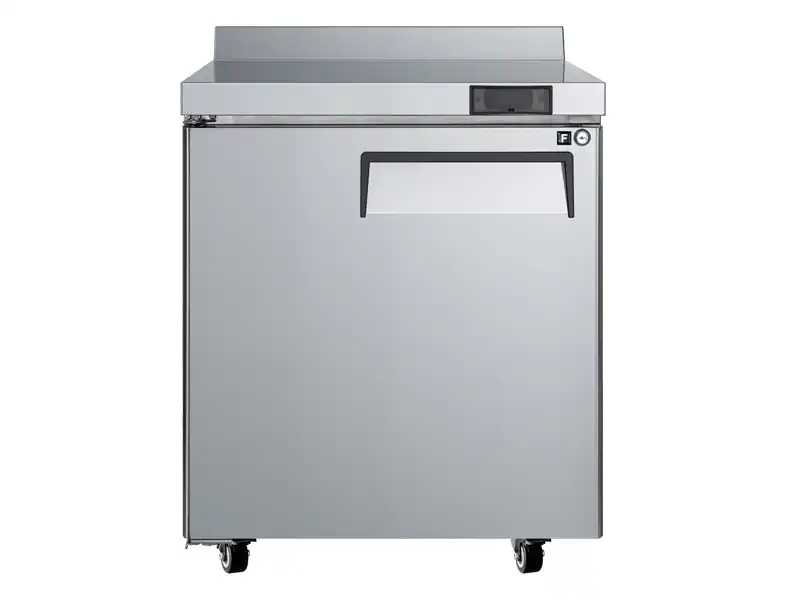
From a manufacturer perspective, good floral worktop units usually combine stainless steel liners, automatic defrost, and a stable refrigeration band. The Camay MWTF-27-L worktop refrigerator is one example: manufacturer specifications list R290 refrigerant, polyurethane/cyclopentane insulation, a self-closing lockable door, and a 202 L capacity with a 0.5°C to 5°C temperature range. Those are manufacturer product data, not independent certification, but they show the features to check when comparing units.
| Holding category | Typical temperature | Humidity target | Practical note |
|---|---|---|---|
| General cut flowers | 33–38°F / 0.5–3.3°C | 90–95% RH | Keep buckets spaced to allow airflow |
| Tropical blooms | 50°F+ / 10°C+ | 85–95% RH | Check species-specific guidance |
| Food-adjacent perishables | ≤41°F / ≤5°C | Equipment dependent | Follow FDA Food Code cold holding [2] |
| Design-stage arrangements | 36–41°F / 2–5°C | 85–95% RH | Use closed or display storage |
Ethylene and Airflow: The Invisible Shelf-Life Factors
Ethylene is a plant hormone that accelerates petal drop, leaf yellowing, and loss of firmness in many flowers. High-ethylene fruits and vegetables should not share direct airflow with ethylene-sensitive floral materials unless the room has effective separation, exhaust, or ethylene control [4]. The easiest safeguard is physical separation: do not set boxes of apples, bananas, or tomatoes next to open flower buckets.
Airflow is just as important as temperature. Shelves should be open enough for air to move across buckets and boxes, but closed enough to maintain humidity. Overpacking a cooler reduces circulation, creates warm pockets, and shortens useful storage time.
Cold Storage Configurations for Floral and Perishable Workflows
Most storefront and studio operations need more than one storage mode. The practical decision is usually how much preparation surface is required versus how much closed storage is needed.
Under Counter units fit beneath design counters and keep working inventory close. Work Top refrigerators add a food-safe prep surface and can help compact floral studios combine storage with arrangement work. Larger upright units and Solid Door Freezer Cooler options handle boxed perishables, wrapped stems, or overflow during peak seasons.
For floral studios with limited footprint, the same storage-versus-prep trade-off appears as in small restaurant kitchens. <Chef Base Fridge vs Undercounter Fridge Which Is Best for Your Kitchen> covers the layout and access factors to weigh.
Mixed Perishables: Segregation, Packaging, and Temperature Zones
When flowers share a cold room with other perishable goods, the main risks are ethylene exposure, moisture transfer, and temperature conflict. Separate compartments, solid doors, or dedicated airflow paths reduce those risks. If prepared food is stored in the same broader area, the food side should still meet code requirements [2].
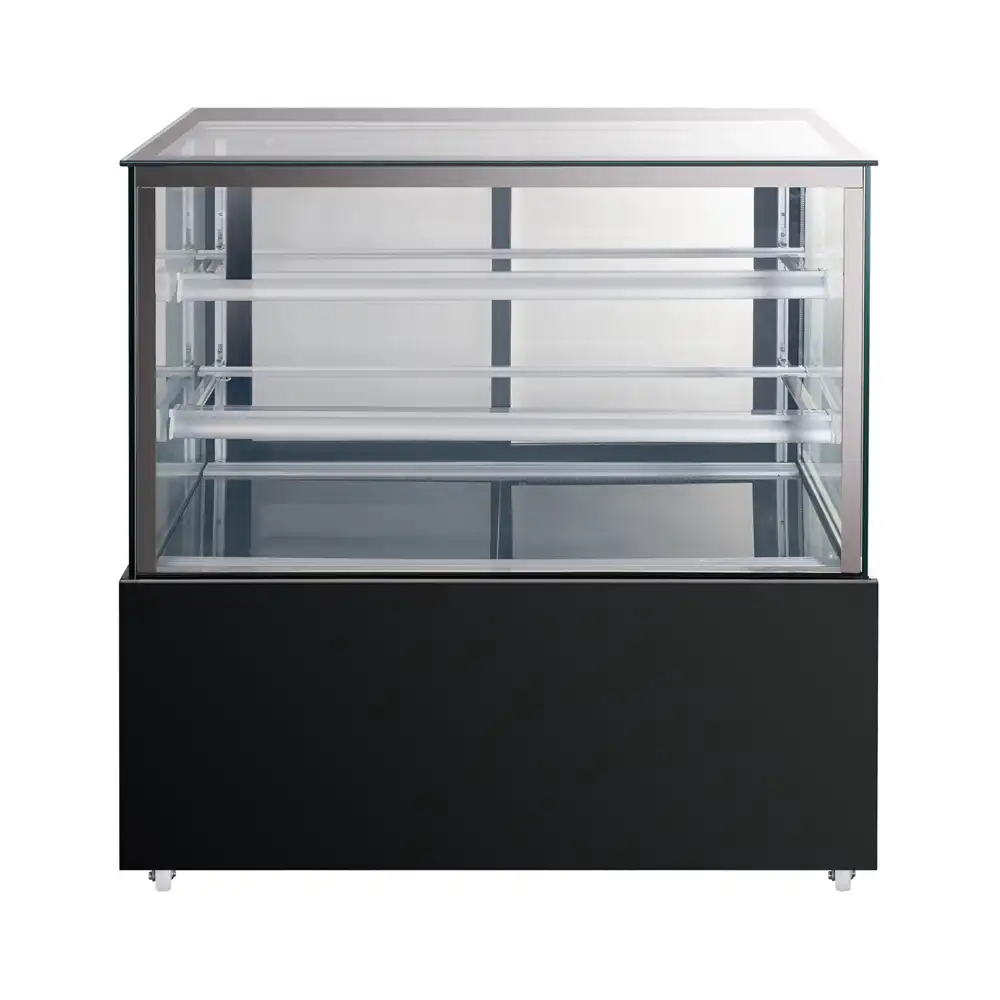
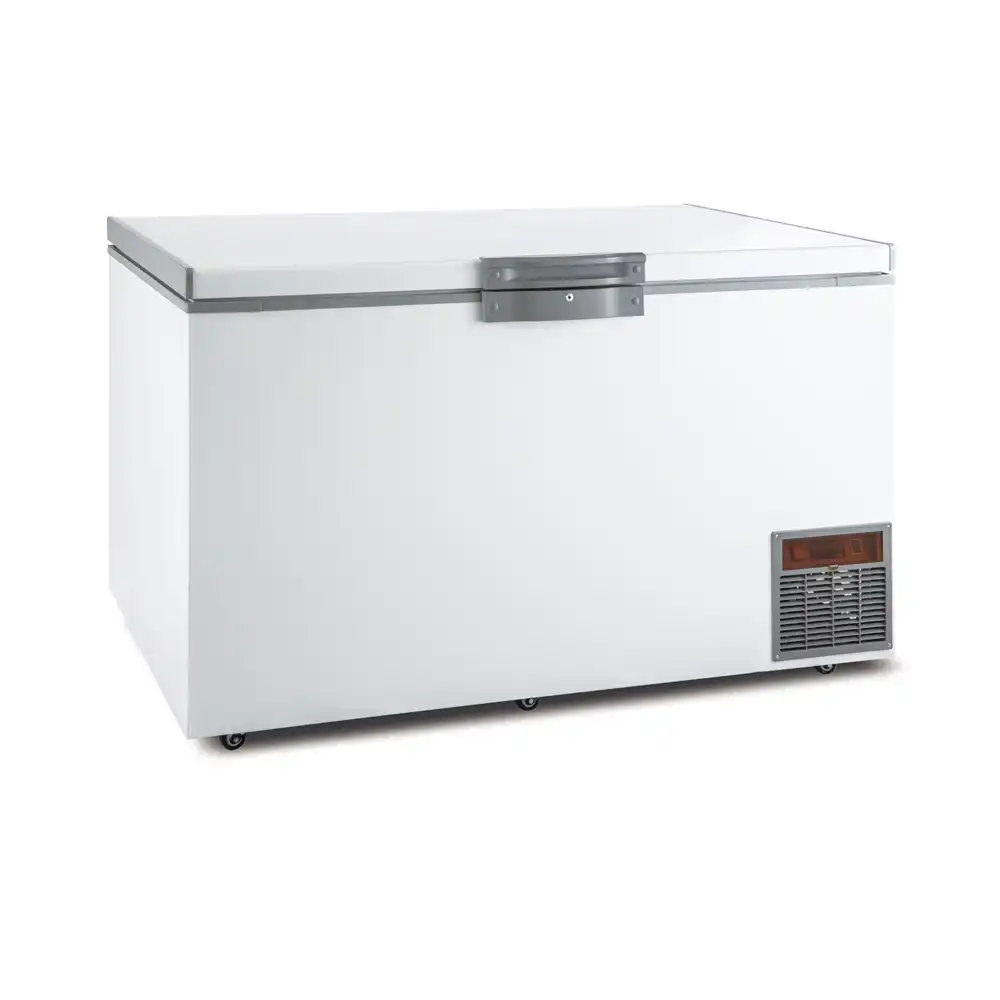
Refrigerated display cases can protect finished arrangements and impulse inventory, but they must be set up to avoid drying airflow and frequent temperature swings. For high-value botanicals, seeds, pollen, or research materials, ultra-low temperature storage is a specialty category rather than a general florist solution.
| High-ethylene producers | Ethylene-sensitive floral material |
|---|---|
| Apples, bananas, tomatoes, avocados | Roses, carnations, lilies, orchids |
| Melons, pears, stone fruit | Gypsophila, sweet peas, delphinium |
This list is a practical starting point, not exhaustive. Floral suppliers and postharvest references can provide variety-specific compatibility [1][4].
If you are also holding multiple boxed perishables at once, reach-in shelving becomes the limiting factor. <Ultimate Buyers Guide for Commercial Reach In Refrigerators> covers capacity, shelving, and organization choices.
Need help matching storage capacity to flower volume? A refrigeration engineer will usually ask for daily stem count, peak-season bucket dimensions, workflow steps, and available electrical or ventilation space. Contact us directly at Sales@hzcamay.com or +8618157202219 for layout guidance based on your product mix.
Maintenance and Monitoring That Protect Product Quality
Stable temperature depends on clean condenser coils, intact door gaskets, clear drain lines, and correctly placed sensors. FDA guidance recommends using a refrigerator thermometer in the warmest part of the storage zone and checking it regularly [5]. Many modern commercial units also offer digital controllers with optional IoT or WiFi monitoring, which helps catch upward temperature drift before product quality is lost.
Keep buckets and cases off the floor for airflow, rotate first-in-first-out inventory, and schedule a weekly check of gaskets, door-closing tension, and condensate removal.
Once a unit is installed, condenser and gasket care determine whether the temperature band stays stable. <Essential Maintenance Tips for Your Commercial Chef Base Refrigerator> covers the inspection routines that protect flower-quality cooling.
Plan a Cold Storage Layout Around Your Product Mix
To specify the right configuration, prepare the following details before contacting an equipment engineer:
- Daily and peak-season storage volume in buckets, stems, or cases
- Flower and perishable categories handled simultaneously
- Workflow steps from receiving and design to display and delivery staging
- Available floor space, door clearances, and ambient heat load
- Power supply and whether temperature logging or HACCP-style records are required
Send those details to Sales@hzcamay.com or call +8618157202219. Our engineering team can help you select the right combination of worktop, undercounter, reach-in, and display refrigeration for your operation.
Frequently Asked Questions
What temperature should a florist cooler be?
Most general cut flowers are held in the 33°F to 38°F range, while tropical flowers often need warmer conditions [1][3]. Species-specific handling and holding-stage practices should guide the final setting.
Can flowers be stored in the same refrigerator as food?
It is possible only with careful separation. Ethylene-producing produce should not share airflow with flowers, and any food stored in the same broader area must still meet FDA Food Code cold-holding requirements [2].
How much humidity do cut flowers need?
A common target is 90% to 95% relative humidity [3]. Gentle air movement helps prevent condensation, while very dry airflow can pull moisture out of petals and leaves.
How long can flowers be kept in cold storage?
Storage life varies by species, cultivar, harvest stage, and handling before cooling. Cold storage slows decline but does not preserve flowers indefinitely; first-in-first-out rotation and proper hydration remain essential.
What equipment is best for a small flower studio?
Many small studios use a combination of undercounter refrigeration near the design counter and a compact worktop or reach-in unit for backup stock. The best choice depends on daily volume, peak season, and how much preparation surface is needed.
References
- U.S. Department of Agriculture, Agricultural Marketing Service, “Care and Handling of Flowers and Plants,” 2021. https://www.ams.usda.gov/grades-standards/flowers-and-plants
- U.S. Food and Drug Administration, “Food Code 2022,” Section 3-501.16, Time/Temperature Control for Safety Food, 2022. https://www.fda.gov/food/fda-food-code/food-code-2022
- ASHRAE, “ASHRAE Handbook—Refrigeration,” Chapter 19: Cut Flowers and Ornamentals, 2018.
- University of California, Davis, Postharvest Technology Center, “Ethylene-Sensitive Crops and Ethylene Producers,” 2021. https://postharvest.ucdavis.edu/produce-information/fact-sheets
- U.S. Food and Drug Administration, “Refrigerator Thermometers: Cold Facts about Food Safety,” 2023. https://www.fda.gov/food/buy-store-serve-safe-food/refrigerator-thermometers-cold-facts-about-food-safety
If you’re interested, check out these related articles:
Essential Maintenance Tips for Your Commercial Chef Base Refrigerator
Boost Kitchen Efficiency Workflow Optimization with Chef Base Fridges
Choosing the Best Commercial Reach In Fridge for Your Restaurant
How to Choose the Best Chef Base Refrigerator for Your Kitchen