

Direct draw coolers and bottle coolers solve different problems behind the bar. A direct draw cooler keeps kegs cold and dispenses draft beer through a short tap tower, while a bottle cooler stores packaged bottles and cans at safe cold-holding temperature. The best choice depends on draft volume, packaged beer mix, available bar footprint, and how the bar staff actually move during service. This comparison covers temperature control, capacity, layout, energy use, and maintenance so you can specify the right back-bar refrigeration without overpaying. If you are reworking the bar line, send your draft and packaged SKU list to Sales@hzcamay.com or call +8618157202219 for a layout-specific direct draw vs. bottle cooler check.
What Is a Direct Draw Cooler?
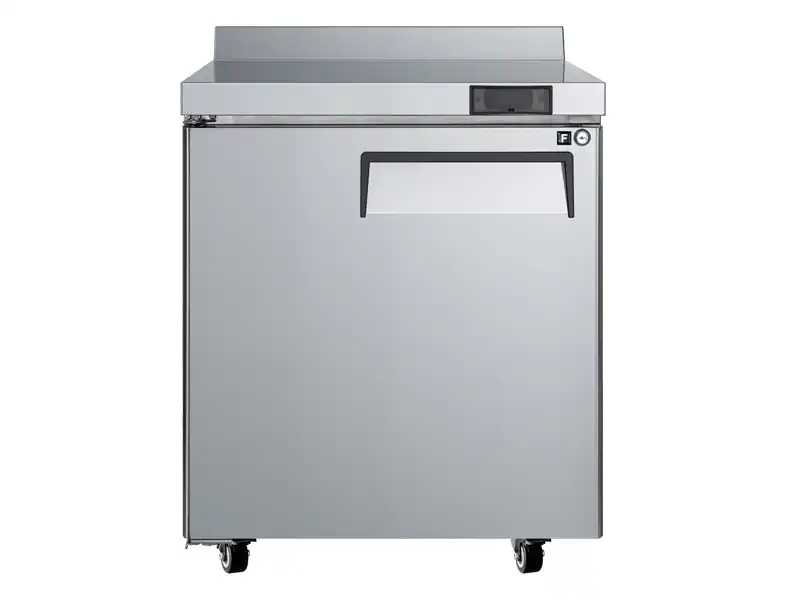
A direct draw cooler is a self-contained refrigerated cabinet that holds one or more kegs directly under or beside the bar and dispenses beer through short lines to a top-mounted tap tower. Because the keg and faucet are close together, the system avoids long-draw trunk lines and glycol cooling. That makes temperature control more predictable and line cleaning simpler for a small pub, satellite bar, or temporary event build. From an installation perspective, the cabinet must have enough internal height for standard kegs, a drip tray or drain arrangement, and clear condenser air flow. Draft delivery should be balanced to the system length, pressure, and beer style using published draught-quality guidance [1].
What Is a Bottle Cooler?
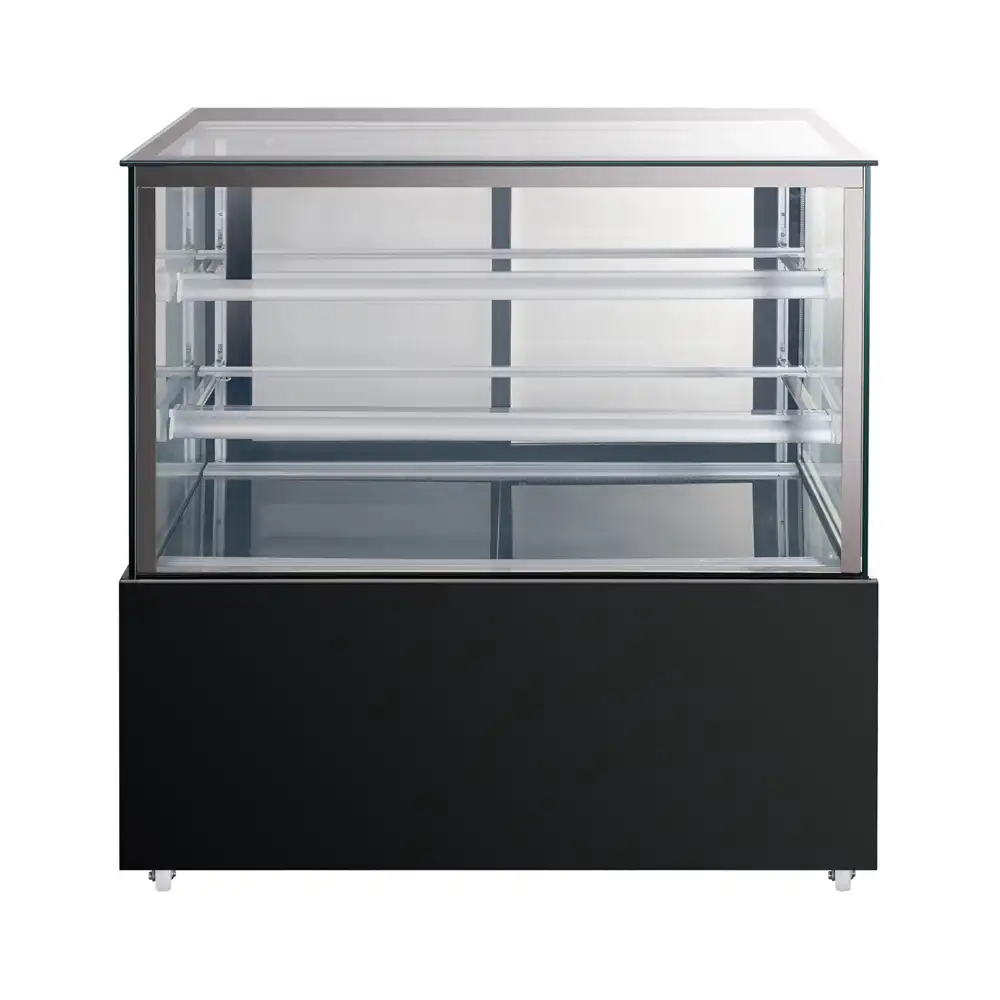
A bottle cooler is a refrigerated back-bar or under-counter cabinet that stores packaged beverages in organized rows. In a pub, it typically holds beer bottles, cans, ciders, ready-to-drink cocktails, mixers, and non-alcoholic drinks. Glass-door models add merchandising value because customers can see labels and staff can pull product quickly. The cabinet should maintain perishable beverages and any cold-holding food items at 41°F or below, as required under the FDA Food Code [2]. For busy bars, look for commercial construction certified to NSF/ANSI 7 where required [3], adjustable shelving, robust door hinges, LED lighting, and a door design that does not fog or sweat under high humidity.
Direct Draw vs. Bottle Coolers: Key Differences
| Factor | Direct Draw Cooler | Bottle Cooler |
|---|---|---|
| Primary contents | Kegs; draft beer | Bottles, cans, mixers |
| Service output | Draft pour at tap tower | Packaged-product serve |
| Typical installation | Under bar or back bar with tap top | Back bar or under counter |
| Temperature focus | Balanced draft serving with cold keg storage | Uniform cold holding at 41°F or below |
| Cleaning focus | Draught line cleaning plus cabinet care | Shelf, gasket, and condenser cleaning |
| Merchandising value | Lower; taps are the display | Higher; glass door and lighting show stock |
The difference is not simply one being better. Direct draw equipment is built around draft throughput and tap presentation; bottle coolers are built around packaged inventory and display. Many pubs run both, using direct draw for core draft lines and a bottle cooler for imports, local seasonals, and non-alcoholic options.
Space and Layout: Which Unit Fits Behind the Bar?
Bar width and depth usually decide the purchase before capacity does. A direct draw cooler must fit under or behind the bar with enough clearance for keg changes, tap mounting, and drip-tray plumbing. A bottle cooler can often sit at back-bar height, but it still needs space for door swing and condenser airflow. Measure the rough opening, the available depth from the back bar to the service rail, and the floor load before ordering. If the bar line is narrow, a low-profile unit or a side-by-side pairing with an ice bin may be easier to specify than one oversized cabinet.
Bar layouts often fail when under-counter clearance and service reach are not checked before purchase. <Chef Base Fridge vs Undercounter Fridge Which Is Best for Your Kitchen> covers a similar footprint comparison for compact refrigeration.
If you are planning a revamp, email Sales@hzcamay.com or call +8618157202219 with your bar dimensions, door location, and draft-to-bottle mix. Our engineering team can check whether a direct draw, bottle cooler, or combined underbar arrangement fits without blocking workflow.
Energy Use and Operating Costs
Energy consumption depends on compressor size, insulation, door type, ambient temperature, and duty cycle. Solid-door direct draw cabinets minimize the heat gain associated with large glass doors, but glass-door bottle coolers can still be efficient when designed with low-emissivity glass, LED lighting, and proper door-heater control [4]. For U.S. product selection, commercial refrigeration equipment is subject to federal energy conservation standards and test procedures [5]. Compare energy use at similar cabinet volume and temperature class rather than treating door count or horsepower as the final measure.
Energy decisions get easier when door type and insulation are evaluated together. <Boost Savings with Energy Efficient Commercial Upright Freezers> covers energy-saving refrigeration choices for commercial kitchens.
Maintenance, Hygiene, and Draft Quality
A direct draw system has two maintenance paths: cabinet sanitation and draught line hygiene. The cabinet should hold kegs and any cold-holding product at the required temperature [2], and the interior should be easy to clean with removable gaskets and rounded corners. Bottle coolers need regular condenser coil cleaning, shelf wipe-downs, and door gasket inspection to avoid warm spots. For draught quality, line cleaning intervals should follow the draught system manual or supplier guidance [1]. Food-contact surfaces and cabinet construction should meet the sanitation certification expected in your market [3].
Which Pub Operation Should Choose Which?
Choose a direct draw cooler when draft beer is the primary revenue driver and keg rotation is steady. The short line run reduces installation complexity and makes the tap tower the focal point. Choose a bottle cooler when the pub sells a broad packaged range, when the back bar must double as a retail-looking display, or when draft volume does not justify multiple kegs in constant rotation. For venues that need both, a mixed back bar with direct draw plus a smaller glass-door bottle cooler often works better than forcing one cabinet to do both jobs.
If you are also comparing chilled cabinet categories, <Upright Freezer vs Refrigerator Key Differences Explained> covers how cabinet temperature class changes the buying decision.
Camay Back-Bar Refrigeration Notes
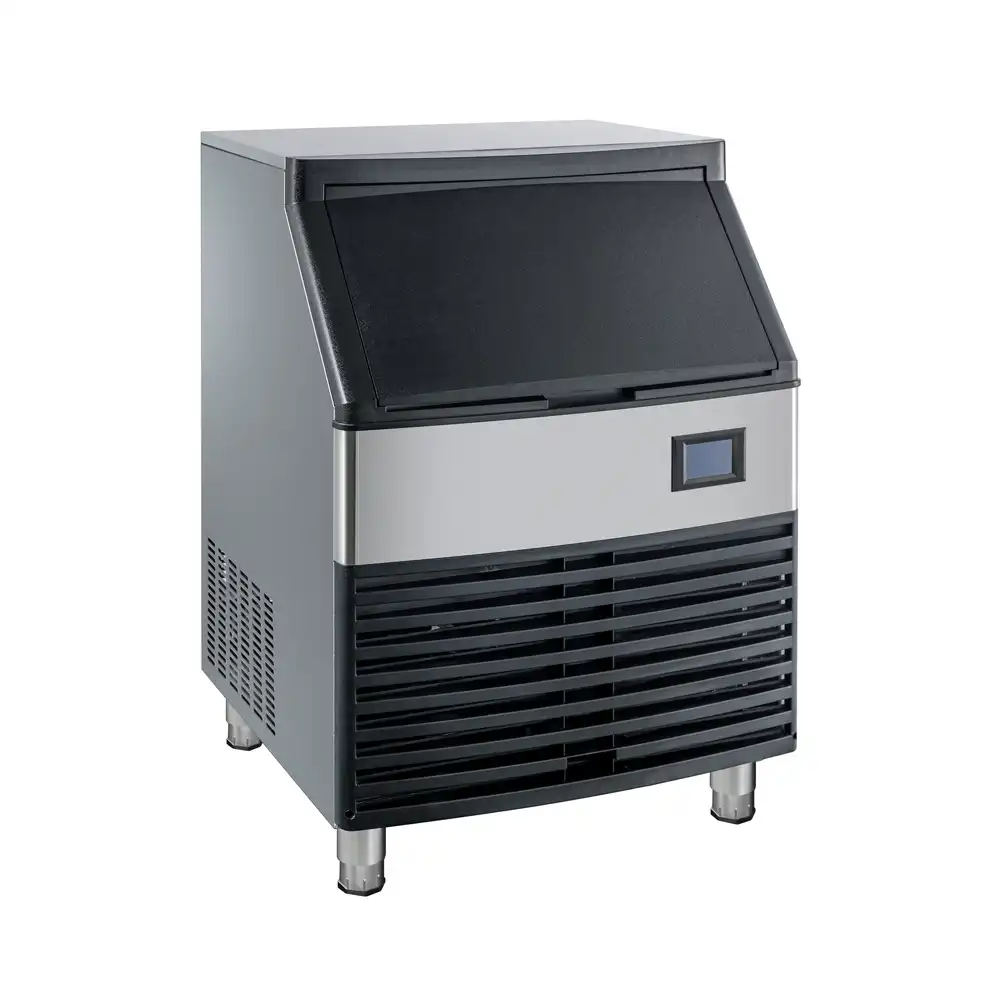
For pub groups and distributors, Camay supplies undercounter and back-bar refrigeration with stainless steel construction, R290 refrigerant, and optional digital temperature control with IoT monitoring. The factory works on OEM and ODM programs, so a mixed bar line can include direct draw cooling, bottle display cabinets, and matching ice production from one manufacturing partner. This is useful when you need consistent door styles, voltage specifications, and spare parts across multiple sites.
Get a Layout-Specific Recommendation
Zhejiang Kaimei Catering Equipment Co., Ltd. builds Camay brand commercial refrigeration for pubs, restaurants, and hotel bars. If you are torn between direct draw and bottle cooler capacity, send your draft menu, packaged SKU list, and bar dimensions to Sales@hzcamay.com or call +8618157202219. Our engineering team can help you specify the correct unit type, voltage, and layout before you commit to a purchase.
Frequently Asked Questions
Can a bottle cooler be converted into a direct draw cooler?
Not practically in most cases. Direct draw requires keg storage space, tap-mount structure, drip-tray drainage, and pressure and line setup. A bottle cooler is designed for shelf-loaded packaged stock, not keg weight or tap plumbing.
What temperature should a pub bottle cooler be set to?
Set the cabinet to keep perishable products at 41°F or below in line with the FDA Food Code [2]. Beer serving temperature may vary by style, but packaged beverage storage should not be allowed to climb into the danger zone.
Do direct draw coolers cost more to run than bottle coolers?
Not automatically. Energy use depends on cabinet size, door type, insulation, compressor, and ambient conditions. Compare ENERGY STAR qualified models and test procedure data at similar temperature class and volume [4].
How often should draught lines be cleaned?
Follow the line cleaning interval recommended by your draught system supplier and the Brewers Association Draught Beer Quality Manual [1]. The right frequency depends on beer type, line length, and throughput.
Can one back bar hold both direct draw and bottle cooler units?
Yes. Many pubs combine a direct draw underbar cabinet with a glass-door bottle cooler above or beside it. The layout must allow access to kegs, drip trays, door swings, and condenser airflow for both units.
What is the most common mistake when choosing between the two?
Buying by cabinet count instead of service flow. Specifiers sometimes add bottle cooler doors but ignore keg change access, or add direct draw tap capacity but leave no packaged back-up. Map the bar service flow before selecting equipment.
References
[1] Brewers Association, “Draught Beer Quality Manual.” [Online]. Available: https://www.brewersassociation.org/educational-publications/draught-beer-quality-manual/
[2] U.S. Food and Drug Administration, “Food Code 2022,” Section 3-501.16(A)(2). [Online]. Available: https://www.fda.gov/food/fda-food-code/food-code-2022
[3] NSF International, “NSF/ANSI 7: Commercial Refrigerators and Freezers.” [Online]. Available: https://www.nsf.org/standards-products/food-equipment/nsf-ansi-7-commercial-refrigerators-freezers
[4] U.S. Environmental Protection Agency and U.S. Department of Energy, “ENERGY STAR Commercial Refrigerators & Freezers.” [Online]. Available: https://www.energystar.gov/products/commercial_refrigerators_freezers
[5] U.S. Department of Energy, “10 CFR Part 431 — Energy Conservation Standards for Commercial Refrigeration Equipment.” [Online]. Available: https://www.ecfr.gov/current/title-10/chapter-II/subchapter-D/part-431
If you’re interested, check out these related articles:
How to Choose the Best Chef Base Refrigerator for Your Kitchen
Essential Maintenance Tips for Your Commercial Chef Base Refrigerator
Chef Base Fridge vs Undercounter Fridge Which Is Best for Your Kitchen