

Commercial cold storage usually fails in two ways: there is not enough of it, or it is in the wrong place. When a single-door reach-in can no longer hold the backup stock, the next question is rarely whether to add cold storage. It is whether to buy a double-door or triple-door cabinet and how that choice affects the line.
Start With the Load, Not the Door Count
Door count is a result of load planning. A double-door solid-door refrigerator is generally selected when a single section is too small for proteins, prep batches, and sauces, but a full three-door section would block the pass, prep line, or aisle. A triple-door cabinet makes sense when the kitchen has steady volume across multiple stations and enough straight wall space to absorb the wider cabinet.
Camay’s MR-49 two-door solid-door refrigerator, for example, is 54.4 inches wide and provides 44.2 cubic feet of storage. The extra access section on a three-door model may add usable interior volume, but the real planning question is whether the daily case volume supports that additional door instead of leaving it closed most of the shift.
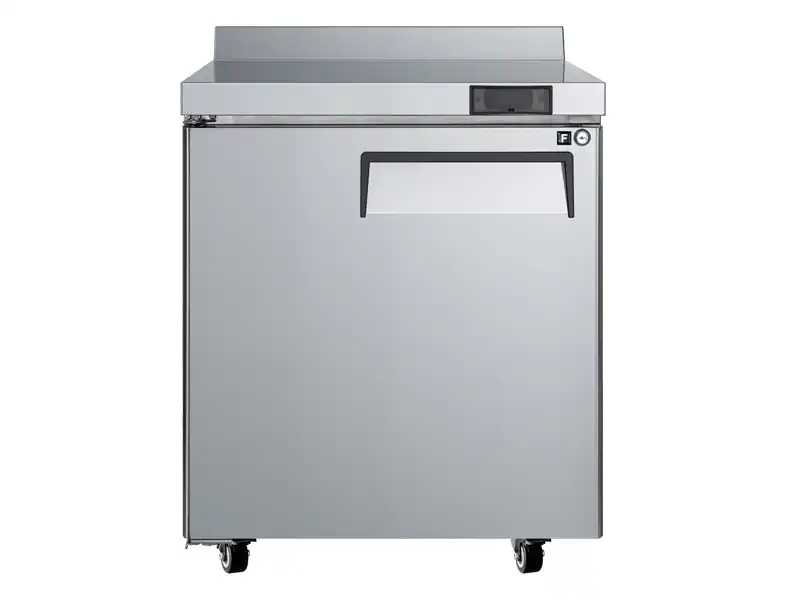
Before settling on a door count, it helps to separate freezer and refrigerator roles.
covers temperature set points, component duty, and which storage role belongs in each cabinet type.
Capacity and Section Width
Interior capacity does not jump in equal steps from two doors to three. Door openings divide access, but usable storage is determined by interior depth, shelf count, and pan layout. A two-door cabinet with wider shelves may hold nearly as many hotel pans as a narrow three-door cabinet.
A better comparison sequence is:
- Count the pans, trays, cases, or buckets that must be cold at the same time.
- Match shelf pitch and depth before comparing cubic feet.
- Confirm whether you need one temperature zone or separate refrigerator and freezer sections.
- Leave space for air return at the back and around fan guards.
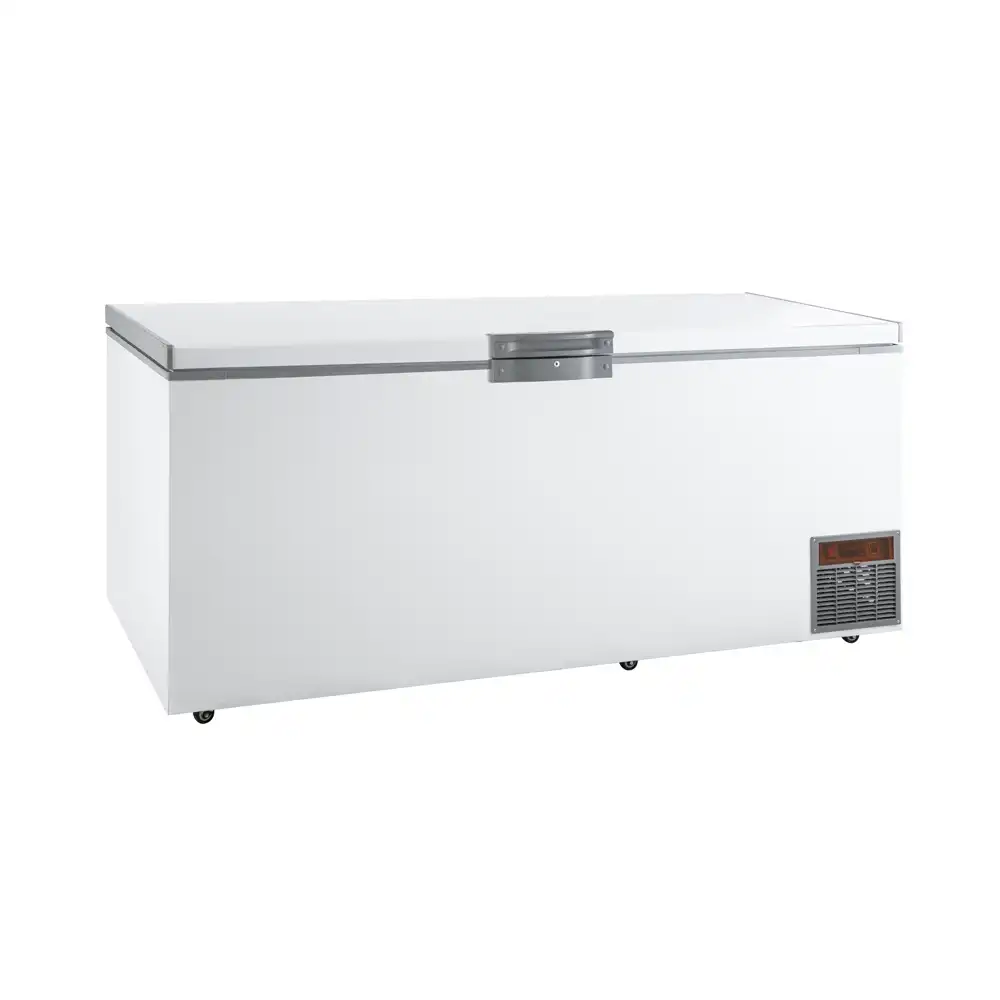
The same capacity logic applies to frozen storage. A heavily loaded reach-in freezer is only useful if air can move through the stored product.
Airflow and Temperature Recovery
Every door opening invites ambient heat. A triple-door cabinet has longer gasket lengths and a larger interior air volume, so compressor runtime and evaporator fan behavior must recover the cabinet before food temperatures drift. This is not a reason to avoid triple-door cabinets. It is a reason to select a system sized for the door count and the pace of service.
FDA Food Code 2022 requires cold holding of time/temperature control for safety food at 41°F (5°C) or below [1]. If the cabinet recovers slowly after a rush, food in the door zone may drift above that temperature even when the core shelving reads cold.
Energy and Operating Cost
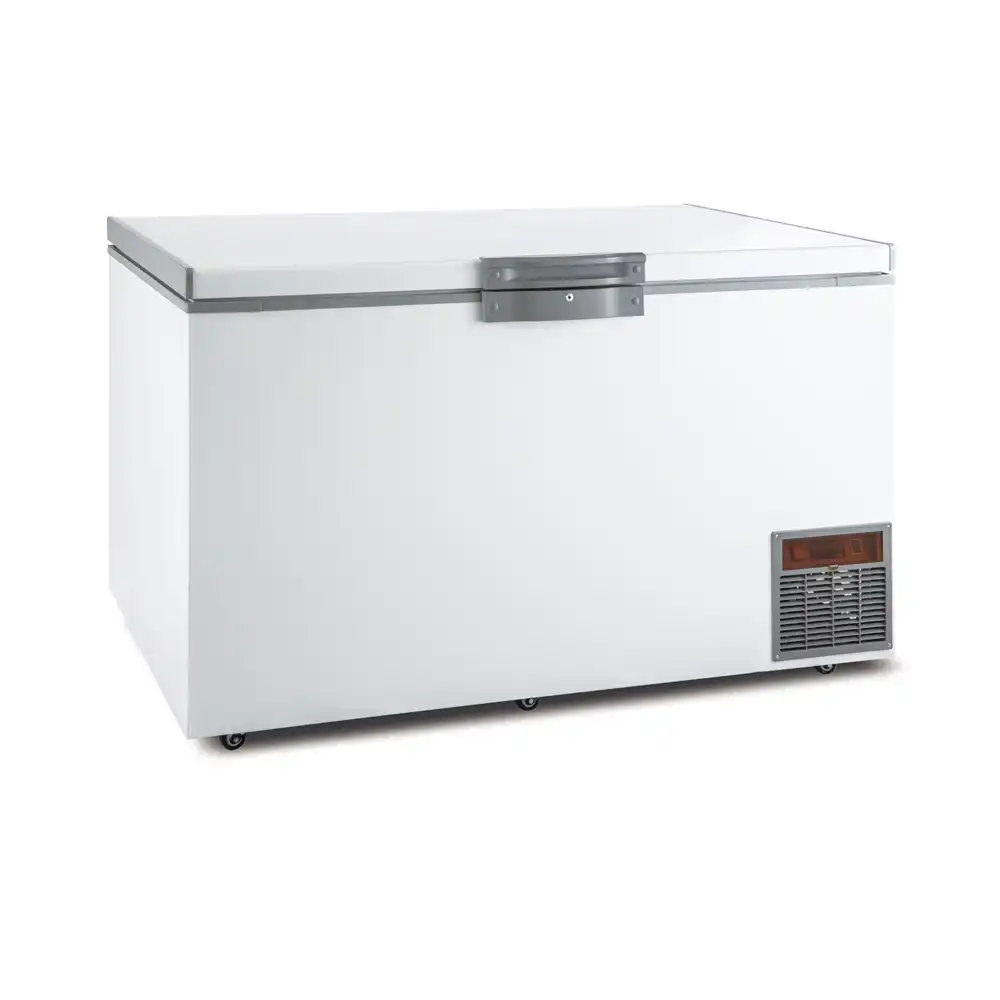
More door area does not automatically mean higher energy cost per cubic foot. A properly insulated cabinet with forced-air evaporator and short recovery cycles can be more efficient than two undersized units combined. Look for CFC-free polyurethane or cyclopentane insulation, R290 refrigerant, and a cabinet that meets ENERGY STAR requirements for commercial refrigerators and freezers [2].
ENERGY STAR program requirements for commercial solid-door units evaluate energy use and temperature performance under test conditions [2]. Real-world payback depends on ambient kitchen temperature, door-opening frequency, and local electricity rates, but the largest losses usually come from damaged gaskets, blocked airflow, and an undersized cabinet doing overtime.
If freezer energy use is part of the comparison, the same door-count logic applies to upright freezers.
covers insulation, door sealing, and operating habits that lower utility cost without sacrificing temperature hold.
If you have an active footprint and cannot decide between a double-door and triple-door section, email Sales@hzcamay.com with the available width, voltage, and the storage list. A quick load calculation usually prevents buying door count you may not need, or missing capacity you will need quickly.
Installation, Service Access, and Maintenance
Wider cabinets create delivery and service constraints. Confirm the finished path from loading dock to final location, including door frames, elevators, and ramps. Leave the manufacturer-recommended clearance around the condensing unit so service can be completed without moving the cabinet.
NSF/ANSI 7 sets food equipment requirements for materials, cleanability, and performance in commercial refrigeration [3]. From a maintenance standpoint, triple-door units have more gaskets and hinges, while double-door units have fewer points to inspect. The bigger lifecycle factor is whether the cabinet is easy to clean, whether the gaskets can be replaced quickly, and whether the defrost water stays out of the food zone.
Door count does not change the basic maintenance discipline.
covers gasket condition, coil accessibility, and temperature monitoring points that prevent drift.
Decision Checklist
Use this checklist when the choice is down to a double-door or triple-door reach-in:
- Choose double door if wall space is tight, service demand is one or two stations, or you need backup storage without replacing existing cold holding.
- Choose triple door if several stations share the same cold inventory, tray counts are high, deliveries are less frequent, or you are replacing two smaller cabinets with one section.
- Before buying, verify pan count, usable shelf depth, voltage and phase, refrigerant, defrost type, and whether the door swing will block adjacent equipment.
- If the cabinet must work as both refrigerator and freezer, confirm whether the model is single-zone or separate sections.
Frequently Asked Questions
Is a triple-door refrigerator always larger inside than a double door?
Not automatically. Width and door count do not always track capacity. A deep two-door cabinet with wide shelves can match or exceed a narrow three-door unit.
Can I replace two double-door reach-ins with one triple-door cabinet?
In some footprints, yes. But check aisle width, door-swing clearance, and whether one failure would take down all cold storage in that zone. A second independent unit reduces total-system risk.
Which uses more energy, a double-door or triple-door refrigerator?
There is no universal answer. A larger cabinet may have lower energy use per cubic foot when the refrigeration system and insulation are matched to the cabinet volume. The key variables are recovery time, gasket condition, and airflow.
Do triple-door cabinets recover slower after door openings?
They can, because each opening introduces ambient heat across a larger face. A correctly sized evaporator and fan system should recover within normal service intervals. Verify temperature recovery during peak hours.
What should I check before ordering a wider cabinet?
Check finished path, voltage and phase, floor leveling, aisle clearance, door swing, and service access. Confirm the compressor and condenser can be accessed without pulling the entire lineup.
Need a cold-storage layout that scales with service volume? Zhejiang Kaimei Catering Equipment Co., Ltd. provides solid-door reach-in refrigerators and freezers for restaurants, central kitchens, and food-processing projects. Send your storage list, door-count question, and installation width to Sales@hzcamay.com or call +8618157202219 for OEM/ODM and project quotes.
References
[1] U.S. Food and Drug Administration, Food Code 2022, Section 3-501.16, “Time/Temperature Control for Safety Food, Hot and Cold Holding.” [Online]. Available: https://www.fda.gov/food/fda-food-code/food-code-2022
[2] ENERGY STAR, “Commercial Refrigerators and Freezers Program Requirements.” [Online]. Available: https://www.energystar.gov/products/commercial_food_service_equipment/commercial_refrigerators_and_freezers
[3] NSF/ANSI 7, “Commercial Refrigerators and Freezers.” [Online]. Available: https://www.nsf.org/standards-products/standards
If you’re interested, check out these related articles:
Essential Maintenance Tips for Commercial Reach In Refrigerators
Boost Efficiency Energy Efficient Chef Base Units for Commercial Kitchens
Chef Base Fridge vs Undercounter Fridge Which Is Best for Your Kitchen