

Most blast chiller failures begin as small neglect: a blocked condenser coil, a worn door gasket, a defrost sensor that drifts. Blast chiller maintenance is often treated as a generic cleaning list, but the unit lives or dies by the sequence in which you inspect thermal and mechanical parts. A chiller that pulls hot food from 135°F to 41°F inside one shift is also pulling moisture, grease, and heat into its coil block. The first checks should follow failure risk, not manufacturer checklist order, so the kitchen spends its time where a repair is most expensive.
Blast Chiller Maintenance Starts with the Condenser Coil
In an air-cooled blast chiller, the condenser releases heat removed from the food. When flour, grease, and dust build up on the fins, heat transfer drops. Head pressure rises, the compressor runs hotter, and the same cooling load takes longer. This is the single most common preventable failure path in commercial kitchens.
Schedule condenser cleaning at least monthly in kitchens that roast, fry, or bake near the chiller. Disconnect the unit first. Use a soft brush, vacuum, or low pressure compressed air from the cabinet side outward. Do not use water at full pressure, and do not scrape with rigid tools. Bent fins should be straightened with a fin comb. If the condenser sits behind a removable filter, clean the filter weekly and check the coil behind it.
The same coil cleaning discipline applies to reach in cabinets that run beside a blast chiller. <Essential Maintenance Tips for Commercial Reach In Refrigerators> covers how blocked condenser fins and worn door gaskets shorten cabinet life in high volume kitchens.
Water-cooled condensers have their own failure point. A restricted strainer or low water flow produces the same high head pressure as a blocked fin. Check the strainer and water flow each quarter. If the unit is tied to a building water loop, confirm that the supply pressure matches the manufacturer sales drawing.
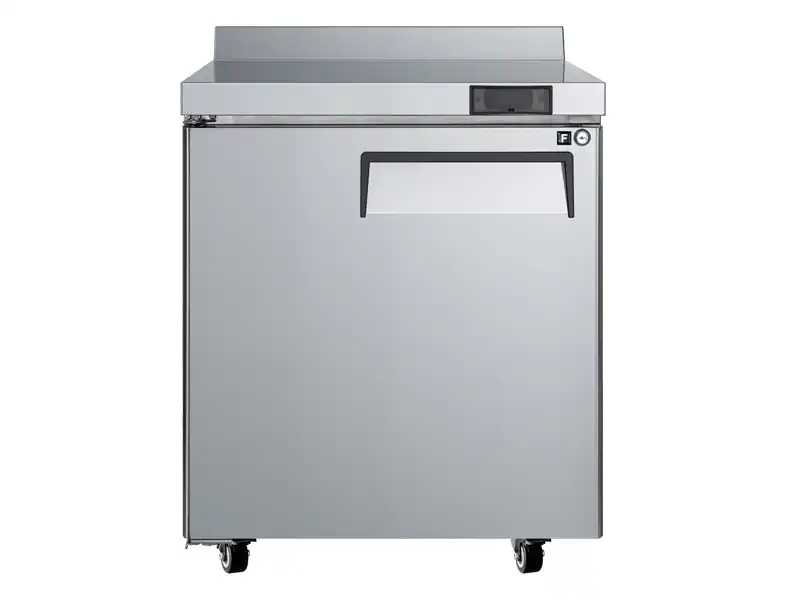
Inspect Door Seals, Defrost Drains, and Evaporator Frost Each Week
After the condenser, the next highest failure points are where warm kitchen air and defrost water meet. These checks take less than ten minutes on the line.
Door Seals and Latch Alignment
Run a thin strip of paper along the closed gasket. If it slides out with no resistance, warm air is entering. Check the gasket for cracks, compression marks, or grease buildup. Clean it with mild soap and warm water, not caustic degreaser. Verify the hinge and door latch keep the door flat against the frame. A damaged seal causes long cooling cycles, coil frost, and sensor drift.
Defrost Drain Lines and the Drip Pan
A blocked drain is easy to miss until water runs onto the floor or ice forms under the cabinet. After each defrost, fat and food particles can collect in the drain trap. Flush the line with warm water and inspect the drain path. If the blast chiller has a heated drain element, confirm that it energizes during the defrost cycle. Clear the drip pan and check the floor drain connection.
Evaporator Frost Patterns
A thin even layer of frost that clears during defrost is normal. Thick or localized frost points to a different issue: a failed defrost heater, a drifted termination sensor, a refrigerant charge problem, or blocked airflow. Do not chip ice off with a knife or scraper. Run a manual defrost cycle and find the root cause. Check that fans spin freely and that product does not block air return.
Door gasket and defrost drain habits are the same issues we see in chef base refrigerators used around hot prep areas. <Essential Maintenance Tips for Your Commercial Chef Base Refrigerator> covers seal cleaning and drain line checks for units that collect grease near the cookline.
Verify Temperature Probes, Defrost Cycles, and Alarm History
The controller reading can look accurate while the actual food temperature drifts. Check probes every shift. A food probe must sit in the thickest part of the product or in a probe jar, not against a hotel pan. Air probes should be clean and clear of frost.
Sanitize probes after each batch. Food-grade probe wipes are enough; do not soak the probe cable. Once a month, compare the cabinet display against a certified thermometer in an ice slurry. If the offset is more than 2°F, recalibrate through the controller or replace the probe.
Alarm history matters more than a single reading. A high temperature alarm that repeats at the same time every day often points to defrost schedule conflict, not product loading. Door alarm clusters during prep service point to latch or gasket issues. Do not clear the alarm log until someone has actually read the pattern.
A clean condenser has a direct effect on compressor run time and power draw, not just service life. <Boost Savings with Energy Efficient Commercial Upright Freezers> explains how condenser cleanliness and door seal condition influence energy use in hot kitchens.
If your chiller uses a water-cooled condenser or a heated drain line controlled by the building management system, confirm the control logic before adjusting defrost or fan settings. Send your model, condenser type, and current alarm codes to Sales@hzcamay.com.
Schedule Preventive Maintenance That Matches Menu Volume
Generic seasonal service intervals fail because they ignore how the chiller is actually loaded. A unit in a bakery that cools cream sauces may run more cycles in one Saturday than a catering kitchen runs in a week.
| Maintenance Task | Frequency | Why It Matters |
|---|---|---|
| Door gasket inspection and surface cleaning | Daily | Prevents warm air entry and frost buildup |
| Drain line flush and pan check | Weekly | Prevents blockages and water damage |
| Condenser coil cleaning | Monthly, more often near fryers | Protects compressor from high head pressure |
| Probe calibration and alarm review | Quarterly | Keeps cooling inside food safety tolerances |
| Defrost heater and compressor check | Semiannual | Confirms sealed system and defrost performance |
The exact interval should be adjusted by what accumulates on the condenser. A unit near a charbroiler may need coil cleaning every three weeks. If the condenser is visibly loaded, you have already waited too long.
When Blast Chiller Maintenance Requires a Service Specialist
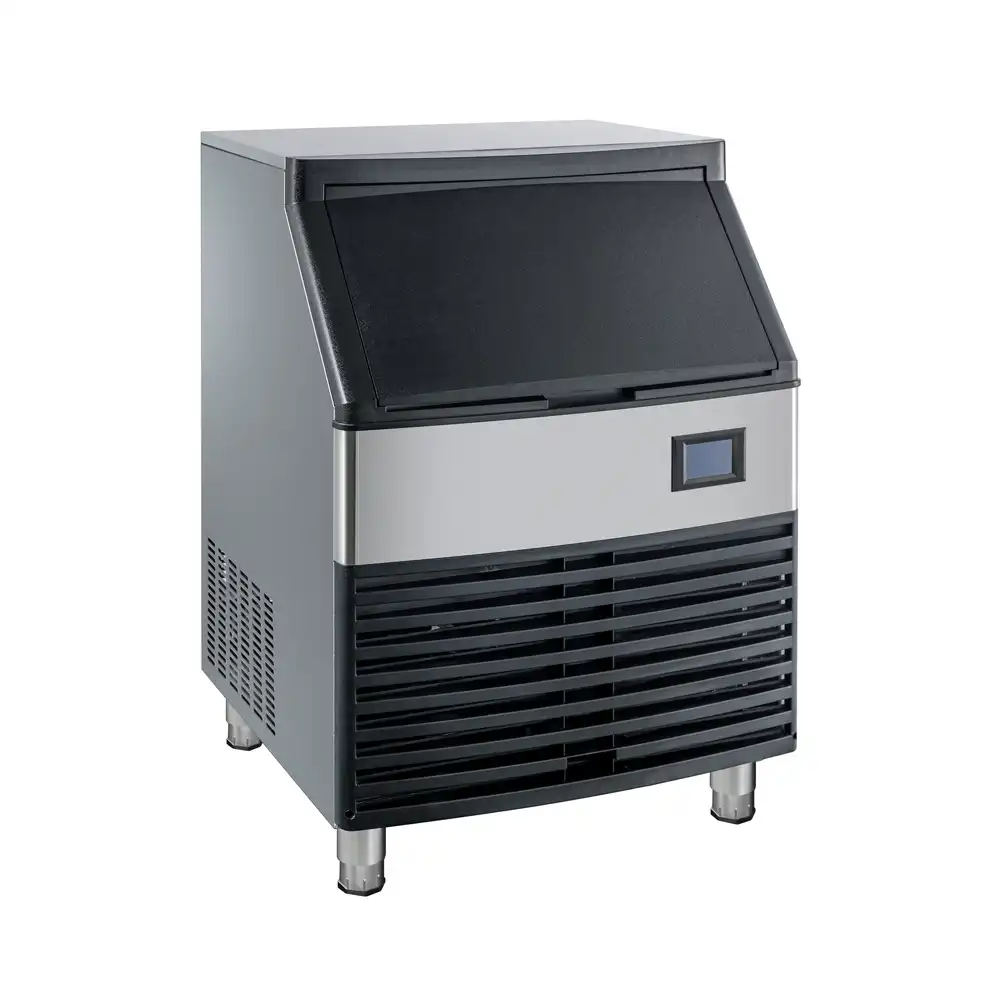
Some checks are not line level work. Compressor amp draw, start relay operation, refrigerant pressures, defrost heater current, and door switch continuity all require meters and service knowledge. If the compressor short cycles, the unit trips on high pressure, or the evaporator frost returns immediately after defrost, do not keep clearing alarms. Those are failure signatures, not nuisance events.
The most expensive repair is usually the one that could have been a small parts change if addressed at the first repeating alarm. In our experience, operators who run a chiller until lockout often replace a defrost heater and a compressor instead of one failed sensor.
If your blast chiller runs 16 hours a day and holds hot cookline output during service, waiting for a full failure is more expensive than a scheduled inspection. At Camay, our support engineers can confirm the correct condenser cleaning interval, defrost settings, and replacement parts for your model. Send your blast chiller model, voltage, condenser type, and any recurring alarm codes to Sales@hzcamay.com, or call +8618157202219 with the unit pulled out so you can read the data plate.
Common Questions About Blast Chiller Maintenance and Service Life
How often should we clean the condenser coil?
Monthly is the right baseline for most air-cooled blast chillers in commercial kitchens. If the chiller sits near a fryer, charbroiler, or bakery oven, clean it every two to three weeks because airborne grease loads the fins faster. Disconnect power before cleaning. Use a soft brush, vacuum, or low pressure compressed air from the inside outward. Never spray the coil with water at full pressure. A clean coil keeps head pressure down, reduces compressor run time, and is the single most effective way to avoid an early compressor replacement.
Is frost building inside the cabinet a problem?
It depends on where the frost sits and how fast it returns. A thin even layer that clears during defrost is normal. Thick frost on the evaporator, frost around the door frame, or frost that returns within an hour after defrost signals a failed defrost heater, a drifted termination sensor, or a door seal leak. Do not scrape the ice off with a tool. Run a manual defrost, check the gasket and door alignment, and read the alarm history. If the pattern repeats, inspect the defrost heater circuit.
Why does the high temperature alarm keep going off after defrost?
The most common cause is not a failed sensor, but an interrupted defrost or a blocked drain that leaves water and heat in the cabinet. When defrost does not fully clear the evaporator, the compressor restarts against a warm coil and the air temperature climbs. Check the door seal, the drain line, and the defrost termination setting. A probe that has moved out of the product or against a hot pan can also trigger the alarm. Read the alarm log for the time pattern before replacing parts.
Can daily cleaning really extend the life of a blast chiller?
In units we inspect, the difference between a five year cabinet and a twelve year cabinet is rarely the compressor brand. It is usually the daily habit of keeping the door gaskets clean and the drain path clear. Daily surface cleaning prevents grease from hardening on the seal, blocks bacterial growth, and keeps the cabinet from pulling warm air. The internal temperature stays flatter, defrost cycles finish cleanly, and the compressor does not have to fight an artificial load. That is what extends service life. If recurring temperature or defrost alarms continue after the basic checks, share the model number and alarm codes with Sales@hzcamay.com and we will confirm the corrective steps.
If you’re interested, check out these related articles:
How to Choose the Best Chef Base Refrigerator for Your Kitchen
Essential Commercial Chef Base Fridge Installation Tips
Essential Maintenance Tips for Commercial Reach In Refrigerators
Choosing the Best Commercial Reach In Fridge for Your Restaurant
Boost Savings with Energy Efficient Commercial Upright Freezers