
High volume bar stocking is not just about counting bottles and placing orders. It is a refrigeration layout challenge. When a bar serves hundreds of drinks in a few hours, the difference between a smooth service and a chaotic shift comes down to how quickly bartenders can access chilled beer, fresh garnishes, and pre-cut fruit without leaving their station. Adding a single undercounter refrigerator can cut service time per drink by nearly ten seconds. Over a thousand drinks a night, that frees up more than two hours of staff time. The right refrigeration equipment, positioned strategically, transforms stocking from a backroom chore into a frontline performance advantage.
Refrigeration Placement Powers Bar Stocking Efficiency
Most stocking discussions focus on inventory spreadsheets. In practice, the physical location of cold storage is what dictates speed. Walking to a backroom walk-in cooler for every bottle slows service and breaks bartender rhythm. The solution is to zone the bar: install enough point-of-use refrigeration behind the bar to hold three to four hours of peak-demand stock. This approach, which I have seen adopted by busy nightclub and hotel bar operators, leans on a mix of undercounter fridges, back bar coolers, and high-output ice machines.
A bar that keeps top-selling spirits, white wine, and bottled beer at arm’s reach can serve double the number of customers in a rush compared to one reliant on a remote walk-in. The key metric is not total storage volume but accessible cold capacity during the 7 p.m. to midnight window. When we at Camay work with bar consultants, the first question is always: how many drink types and how many seats? The refrigeration count follows from that.
Undercounter Fridges Put High-Turn Items at Bartenders’ Fingertips
Undercounter refrigerators are the silent workhorses of a high-volume bar. They fit beneath 34-inch countertops and hold anything from bottled mixers to fresh fruit garnishes. Our Camay MTR-48 model, for example, provides 368 liters of storage in a two-door, 48-inch-wide cabinet that operates between 0.5°C and 5°C. The self-closing doors, recessed handles, and lock-and-key design allow secure overnight storage while keeping the aisle clear during service.
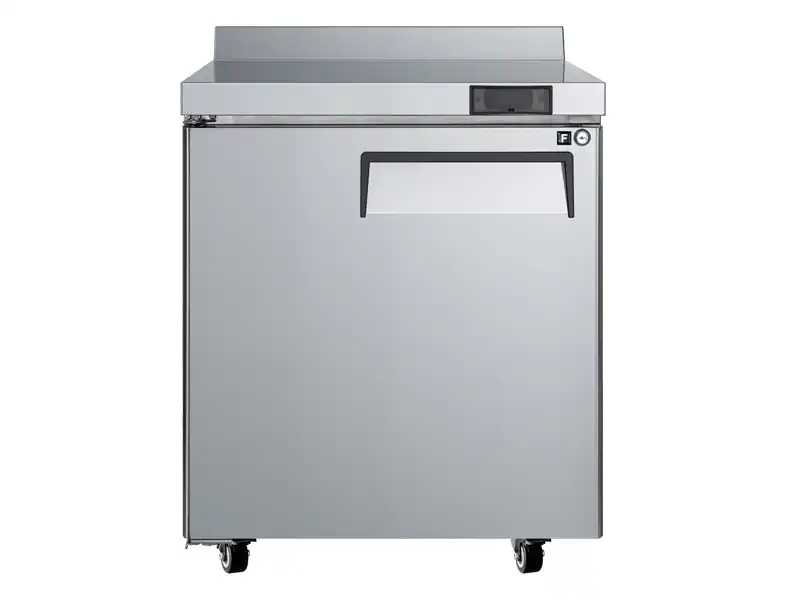
The mistake I often see is using a single large undercounter for everything. Instead, assign dedicated units to specific categories: one for white wine and sparkling, another for juice and mixers, and if possible a third for chilled garnishes. This keeps temperatures consistent and prevents cross-contamination from stronger food odors. R290 refrigerant in these units, coupled with polyurethane insulation, keeps energy costs down even with multiple doors opening through the night.
An important specification for high-volume use is the compressor duty cycle. Undercounter models built with a Cubigel compressor and ventilated cooling, such as the Camay MTR-60 and MTR-72, are designed to recover temperature quickly after door openings, a critical factor when staff are in and out of the refrigerator every 20 seconds.
If your bar layout includes tight spaces, measure the undercounter clearance carefully. The MTR-48 dimensions are 1225 x 787 x 872 mm, but not all cutouts are standard. Confirm your floorplan before ordering. For a custom configuration, send your space dimensions to Sales@hzcamay.com and we can suggest a matching model or drawer option.
Back Bar Coolers Organize Inventory and Invite Sales
Back bar coolers serve two purposes: they refrigerate and they display. In a high-volume setting, a glass-door back bar cooler lets bartenders see stock levels without opening doors, maintaining temperature while reducing decision delay. Our two-door reach-in display cabinet holds up to 610 liters at 0°C to 10°C, suitable for beer bottles, canned RTD cocktails, and white wine. The interior lighting and anti-fog glass keep products visible and encourage impulse purchases from customers at the bar.
Organizing a back bar cooler requires thought. Place high-margin, high-turn bottles at eye level and group by beverage type, not by supplier. This speeds restocking during shift changes and helps new staff locate stock quickly. Label the back edge of shelves with product names so staff can refill without guessing. For nightclubs and high-energy venues, a solid-door back bar cooler run as a freezer at -22°C to -18°C can pre-chill glassware or store ice packs, further reducing the strain on ice machines.
Ice Production Capacity Determines Service Speed
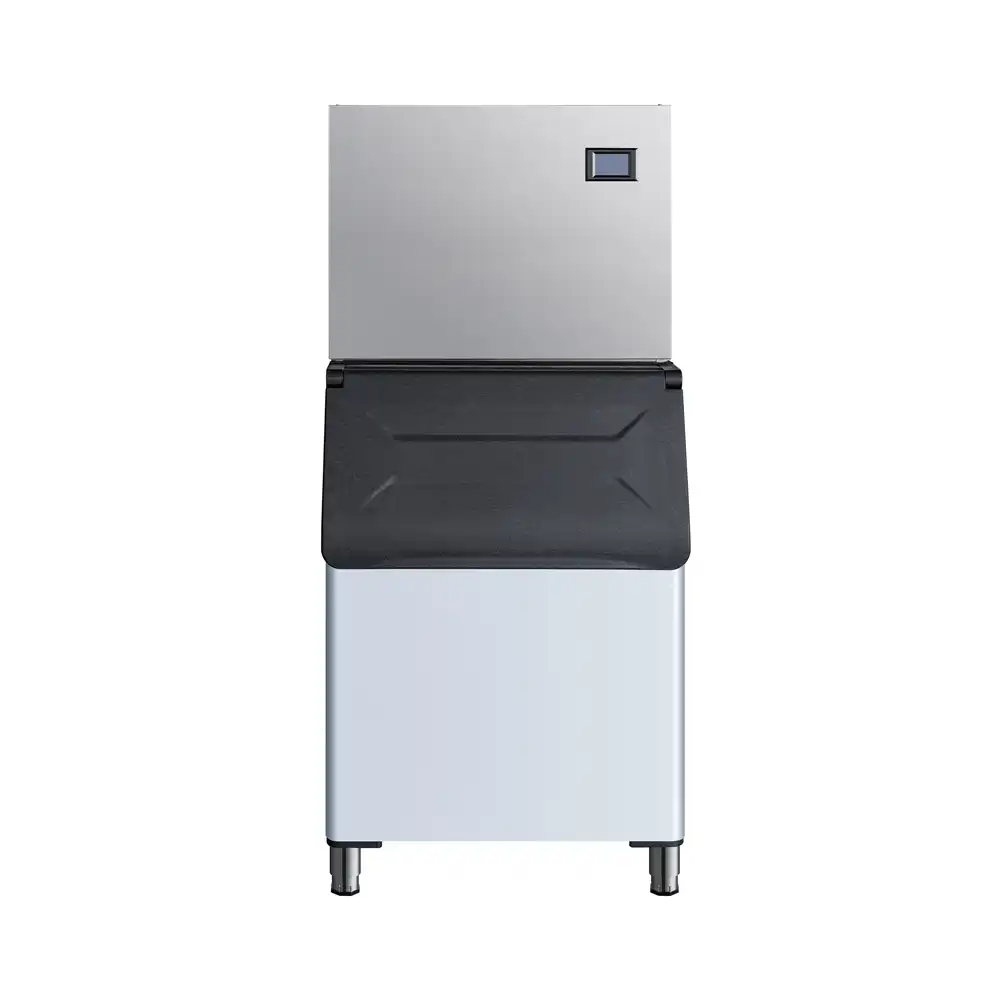
Nothing reveals a poor stocking plan faster than running out of ice at 10 p.m. on a Saturday. A high-volume bar may use 1.5 to 2 pounds of ice per drink, and with 500 or more drinks served, demand easily exceeds 700 pounds in a single shift. Most built-in ice bins hold 40 to 60 pounds, so production capacity must keep up, not just storage volume. A machine like the Camay FB210A produces 100 kg of cube ice in 24 hours with a 45 kg storage bin, but that is a continuous rating under standard conditions. In a hot, humid bar environment, real-world output drops by 10 to 15 percent.
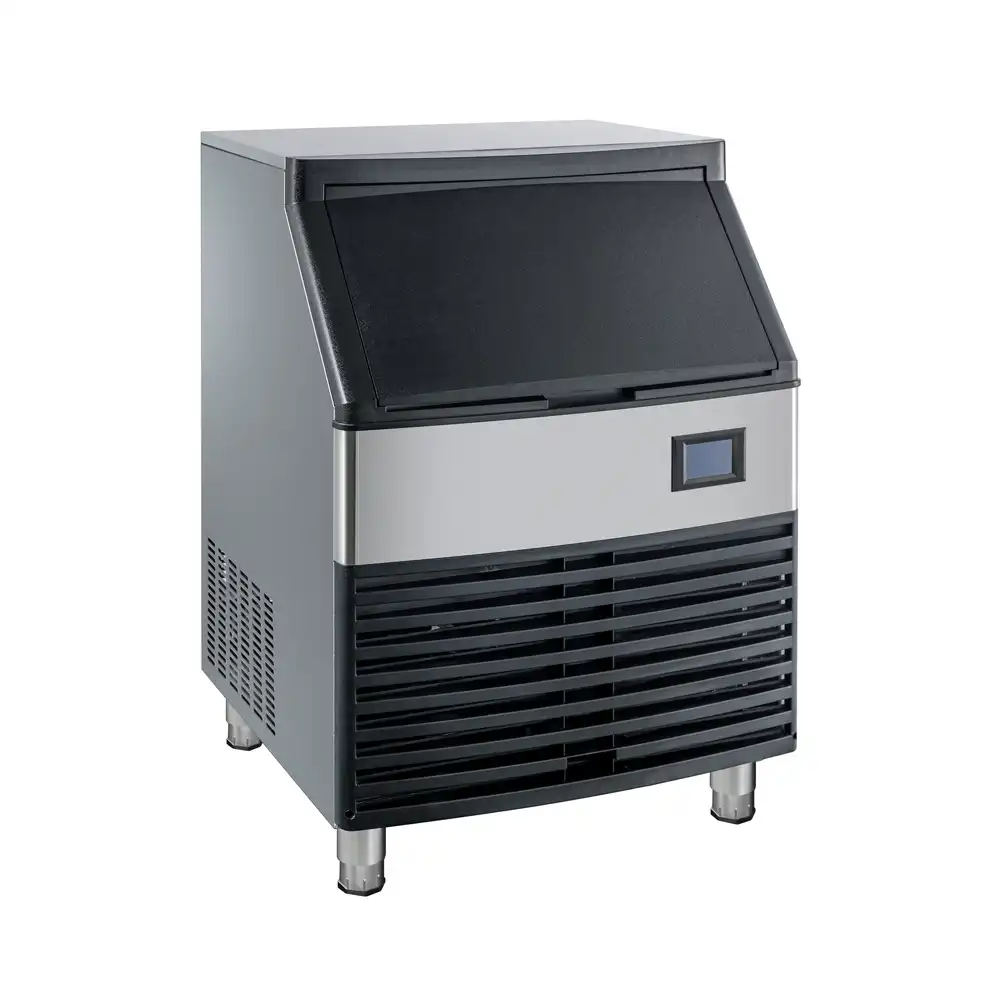
For higher demands, the FB550A delivers even greater daily output with a larger storage bin. Pairing a high-output ice machine with a secondary storage bin, or installing a smaller machine at each bar station, ensures no station relies on a single central source. I have seen bars where adding a 50 kg/day undercounter ice maker at the service well eliminated 20 minutes of ice runs per shift. Also, choose cube ice for high-volume cocktail service: it melts slower and dilutes drinks more predictably than flake or nugget ice, which matters when a bartender is building three drinks at once.
Maintenance Routines That Protect Your Stocking Investment
Every piece of refrigeration equipment, no matter how well chosen, will underperform without regular maintenance. Condenser coils on undercounter units and ice machines collect dust and bar debris that reduce heat exchange, raising compressor runtime and interior temperature. Schedule a coil cleaning every 30 days during busy seasons; it takes ten minutes per unit and prevents 80 percent of common cooling failures. Our technical support team has found that bars following this simple routine see compressor lifespans extend by three to five years.
Beyond coils, door gaskets on repeatedly opened fridge doors wear and lose seal, causing cold air leaks. Inspect gaskets monthly and replace if cracked or flattened. For back bar coolers with glass doors, keep the glass clean and check that the defrost water evaporator pan is draining freely. Ice machines need water filter changes every six months to prevent scale buildup that can cut ice production by half.
Finally, train bar staff on stocking rotation. Mark each bottle or container with a delivery week using tape and a marker, and stock newer items behind older ones. Pair this practice with a two-zone temperature check twice daily: one sensor in the warmest spot of the refrigerator, usually near the door, and one in the coldest toward the back. If the spread exceeds 4 degrees, consider reorganizing shelf loads to improve airflow.
High volume bar stocking succeeds when refrigeration equipment works with bartenders, not against them. The right undercounter units, back bar coolers, and ice machines eliminate bottlenecks that slow service and waste product. If you are reconfiguring your bar’s refrigeration setup, share your layout and peak drink counts with us at Sales@hzcamay.com or call +8618157202219. We will help you select a combination that fits your space and service speed requirements.
Common Questions About Bar Refrigeration and Stocking
What size undercounter fridge do I need for a high-volume bar?
A busy bar typically needs at least 10 to 15 cubic feet of undercounter cold storage, divided across two or three units. A single large unit may hold more but often leads to crowding and temperature fluctuation from repeated openings. In our experience, a two-door undercounter with around 13 cubic feet per station works well, such as the Camay MTR-48. If your bar serves over 1,000 drinks per night, consider adding a separate undercounter freezer for glass chilling and ice cream storage.
How many back bar cooler doors should a busy bar have?
The answer depends on your beer and bottled cocktail menu. For every 100 accounts of bottle or can inventory you want visible and chilled at the bar, provide at least one door of reach-in display refrigeration. A two-door unit with adjustable shelves can hold approximately 250 bottles. If you run a craft beer program with 40 distinct labels, a three-door unit prevents stock burying. In venues I have consulted for, two glass doors plus a solid door for overstock behind the bar keep the display clean and the backup cold.
Can I install an ice machine under the bar counter?
Undercounter ice machines exist and can work well if the bar counter has front ventilation, but they produce less ice per day than freestanding models. A 50 kg/day undercounter ice maker may struggle to support a station serving 300 drinks nightly. Better results come from placing a larger ice machine in a nearby backroom with an insulated bin, and piping ice to each bar well. If space forces an undercounter installation, choose a unit with front air intake and a self-cleaning function to handle the dusty bar environment.
How often should bar fridges be cleaned to maintain performance?
Monthly coil cleaning and weekly interior wipe-downs are the baseline. Spilled mixers and fruit residue breed mold that compromises hygiene and can freeze onto evaporator fins, reducing cooling. In our production facilities, we test units under simulated heavy spill conditions, and the ones with removable gaskets and round-corner inner shelves clean up significantly faster. For bars with high humidity and drink spillage, a weekly deep clean of door seals and drain lines keeps odors and repairs under control.
What temperature should a bar cooler be set to for serving beer and wine?
White wine and sparkling wine serve best at 3°C to 7°C, while most beers pour well at 1°C to 4°C. A bar cooler set to 0.5°C to 5°C covers both, but if you stock craft beer that requires warmer serving, a separate zone or a glass-door cooler set to 5°C to 8°C is needed. Avoid freezing points for beer because frozen kegs can burst and frozen bottles ruin carbonation. The Camay undercounter refrigerators maintain 0.5°C to 5°C with automatic defrost, which keeps the cooling surface free of frost without temperature spikes.
If you are planning to upgrade your bar’s refrigerator layout and want to confirm the right mix of undercounter, back bar, and ice machines for your specific drink menu, send your requirements to Sales@hzcamay.com. We can help you match equipment to peak demand.
If you’re interested, check out these related articles:
Upright Freezer vs Refrigerator Key Differences Explained
Choosing the Best Commercial Reach In Fridge for Your Restaurant
Boost Savings with Energy Efficient Commercial Upright Freezers
Optimizing Kitchen Efficiency with Integrated Worktop Refrigeration