

For a commercial kitchen, compressor placement is not a trivial detail—it shapes service access, heat management, and how many years the unit stays reliable. Having overseen thousands of refrigeration units through OEM and ODM production lines, I’ve seen how a well-chosen compressor configuration can cut service calls and keep a kitchen running. Most discussions flatten the choice into a simple list of pros and cons. I want to go deeper: the real decision depends on your kitchen layout, sanitation protocols, and how you weigh upfront cost against ten-year ownership cost.
What Are Top-Mount and Bottom-Mount Compressors?
In commercial refrigeration, the compressor and condenser coil act as the heat rejection system. Top-mount units place this assembly above the refrigerated cabinet, while bottom-mount units position it below. The difference is not cosmetic.
A top-mount compressor sits higher, drawing in air from above the unit and pushing hot air upward. A bottom-mount compressor pulls air from floor level and typically blows hot air out at the front or bottom. Both designs appear across reach-in refrigerators, worktop units, and chef bases, but the choice of placement affects everything from cleaning to compressor lifespan.
Most commercial kitchen refrigeration falls into one of these two categories, though some specialty equipment uses side-mount or remote condensers. The decision comes down to airflow, service access, and where the equipment sits in your kitchen.
How Does Compressor Placement Affect Performance and Efficiency?
Heat rejection is the core variable. Top-mount compressors exhaust hot air upward and away, which tends to keep the condensing unit cleaner, especially in kitchens where floor debris accumulates. Because the compressor is elevated, less dust, grease, and mop water reach the coil.
Bottom-mount compressors sit in the dust zone. In a busy kitchen, flour, grease, and dirt collect at floor level. The condenser fan pulls that air across the coil. Over time, a clogged condenser coil drives up head pressure, reduces cooling capacity, and shortens compressor life. I have seen bottom-mount units in high-volume pizza kitchens lose 15 to 20 percent of their cooling output within six months if the coil is not cleaned weekly.
Energy efficiency follows airflow. A clean condenser runs cooler and cycles less, saving electricity. Top-mount designs often show a slight advantage in energy consumption in real-world conditions because the coil stays cleaner with less effort. Still, a well-maintained bottom-mount unit can deliver similar efficiency. The difference is not in the rating label number but in how the unit performs under kitchen conditions.
| Factor | Top-Mount Compressor | Bottom-Mount Compressor |
|---|---|---|
| Air intake | Above unit, less dust | Floor level, more debris |
| Heat exhaust | Upward, away from cabinet | Forward or downward |
| Condenser cleaning frequency | Moderate | High |
| Energy efficiency in practice | Often more stable | Depends on maintenance |
| Typical service life (well maintained) | 8–12 years | 7–10 years |
If your kitchen produces a lot of airborne flour, sugar, or grease, the top-mount design has a clear advantage simply because the condenser breathes cleaner air.
What Are the Maintenance and Service Differences?
Service access is where the two designs truly diverge. Top-mount compressors are generally easier to reach for cleaning and repair. A technician can pull off the top grille and access the compressor, condenser coil, and fan without moving the unit. Routine cleaning takes minutes.
Bottom-mount compressors often require the unit to be pulled away from the wall or even tipped forward. Reaching the compressor can involve removing a heavy bottom panel while kneeling on the floor. I have seen kitchens where the bottom-mount unit is not cleaned for months because the staff simply cannot move it. That neglect kills compressors.
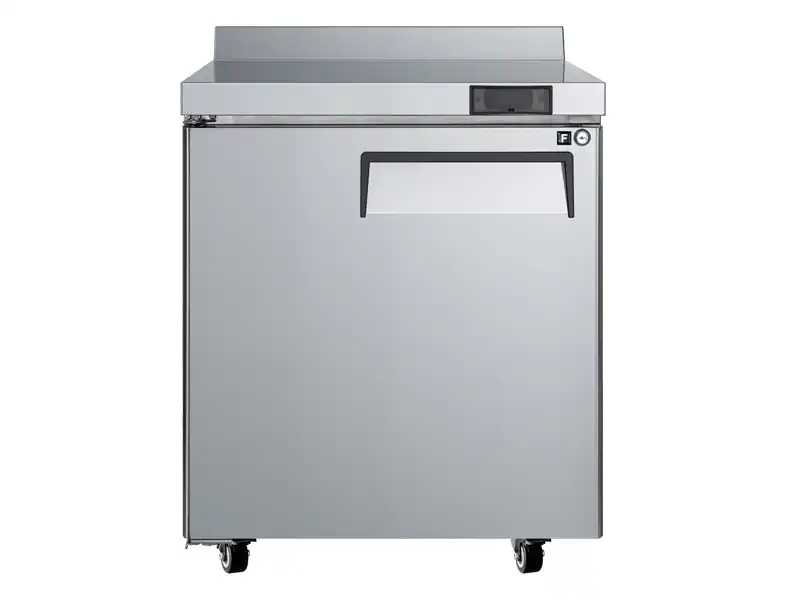
From a manufacturer’s perspective, we design both configurations, but we specify different compressor compartments. Bottom-mount units need heavy-duty caster systems to allow easy rolling for service. If your kitchen layout makes it hard to move equipment, top-mount simplifies maintenance significantly.
Common failure patterns also differ. Bottom-mount compressors are more likely to suffer from flooded starts if moisture accumulates in the compartment, while top-mount compressors may run hotter if the kitchen ceiling traps heat. Both issues can be managed with proper design and regular checks.
If your maintenance team is stretched thin, I would lean toward top-mount for its easier service access.
How Does Compressor Location Impact Kitchen Workflow?
Kitchen layout is the hidden decider in the top-mount versus bottom-mount debate. A top-mount unit releases heat upward. If the unit sits below a prep shelf, low-hanging hood, or directly under a cold holding cabinet above, that hot air can transfer into food storage zones, forcing the upper unit to run harder.
Bottom-mount units blow warm air forward or downward, which can make the floor area uncomfortably warm for staff and may interfere with open-top prep tables or ingredient pans. In a compact line kitchen, that heat can become a problem during a busy service.
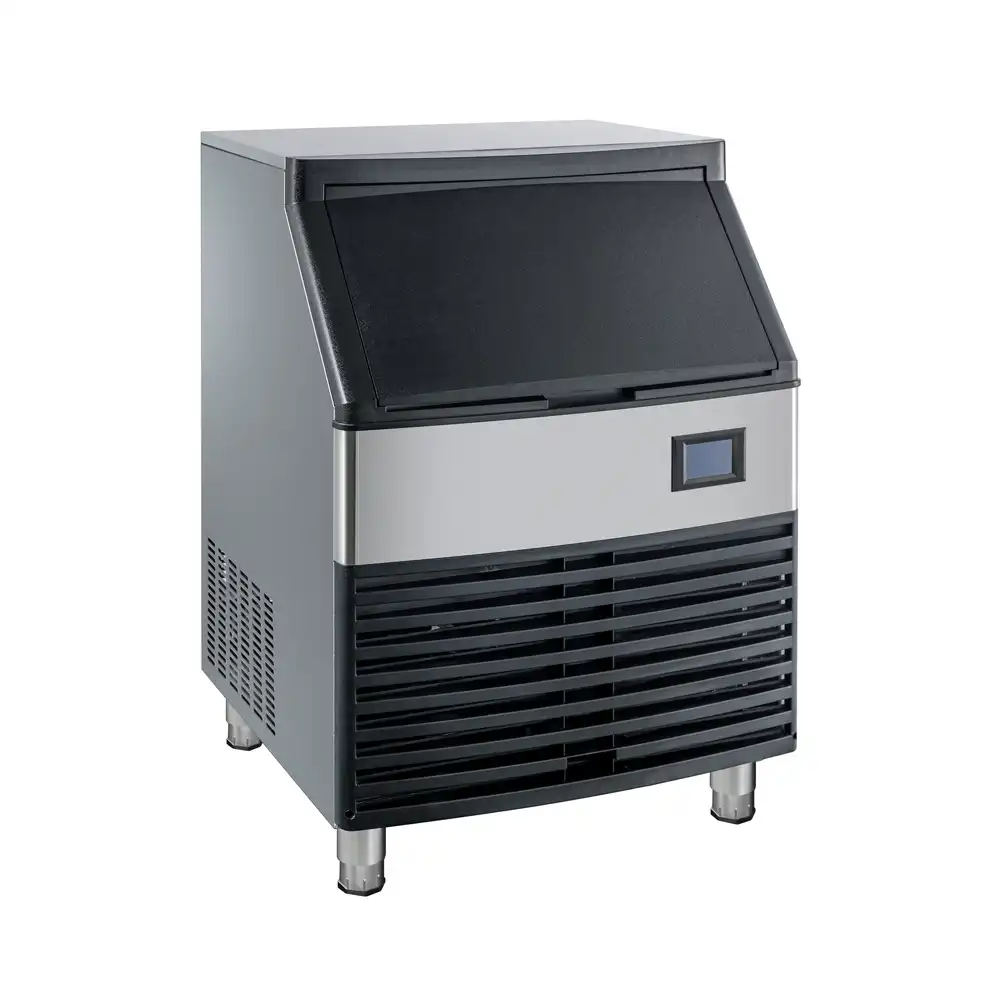
Another factor is counter height. Top-mount compressor housings add height to the equipment. A worktop refrigerator with a top-mount compressor may be too tall to serve as a comfortable prep surface. For chef base applications where the top surface is used as a workstation, bottom-mount designs keep the work height ergonomic. This is one reason most chef base units are bottom-mount.
For undercounter or reach-in applications where the top is not used as a primary work surface, top-mount can work well and simplifies service. The decision should reflect how your staff moves around the unit during peak hours. If the unit is tucked against a wall, bottom-mount may be the only option that leaves the top clear.
Which Compressor Configuration Offers Better Long-Term Value?
Long-term value is not just the purchase price. I evaluate commercial refrigeration on a ten-year cost basis that includes energy, maintenance, and lost product. Top-mount units tend to carry a small price premium, but they often recover that difference through lower service costs and longer compressor life if the kitchen environment is demanding.
Bottom-mount units can offer excellent value when the kitchen layout makes top-mount impractical, or when a lower work height is essential. The key is matching the equipment to the application. A bottom-mount chef base under a grill station makes sense: the cook needs a cool drawer at waist height, and the hot exhaust from the bottom can be managed. A top-mount reach-in against a clean wall in a dry storage area is a solid choice.
From our ODM and OEM work with global partners, I have found that customers who understand their specific kitchen conditions are far more likely to be satisfied with their equipment choice than those who pick based on price alone. If your program involves high-volume production, heavy sanitation, or limited maintenance staff, investing in the right compressor placement avoids a lot of operational headaches.
If you are planning a kitchen fit-out and want to compare top-mount and bottom-mount refrigeration options with concrete energy and maintenance projections based on your layout, send your facility details and expected throughput to Sales@hzcamay.com or call +8618157202219. We can provide side-by-side specs, life-cycle cost estimates, and tailored recommendations.
Common Questions About Top-Mount and Bottom-Mount Compressors
Which compressor placement lasts longer?
In our manufacturing experience, top-mount compressors often outlast bottom-mount compressors in kitchens where floor conditions are challenging, and maintenance teams are stretched thin. The elevated condenser simply stays cleaner with less effort. When both are maintained equally well and the kitchen environment is controlled, the difference shrinks. Bottom-mount units can also reach 10 years with dedicated care.
Does a top-mount compressor make the unit too tall for a work surface?
It depends on the specific dimensions. Top-mount compressor housings can add 6 to 10 inches to the cabinet height, pushing a worktop refrigerator above ergonomic prep height. If the unit doubles as a work surface, bottom-mount keeps the counter at a comfortable level. Check the spec sheet height: a worktop refrigerator with a top-mount condenser is better suited for storage-only applications.
Are bottom-mount compressors a bad choice for hot kitchens?
They require more attention. A bottom-mount compressor draws in warm kitchen air, and if that air is already above 90°F, the unit works harder. Combined with rapid dust accumulation, performance can drop quickly. That said, our bottom-mount products designed for Middle Eastern and Southeast Asian markets include oversized condensers and high-ambient-rated compressors (38°C ambient, like the Cubigel units we use) to handle those conditions. The original equipment specification matters as much as the placement.
Is it worth paying more for a top-mount unit?
If your kitchen has heavy floor debris, wet floors, or you struggle with keeping up on condenser cleaning, the extra cost of a top-mount unit often pays back through fewer service calls and improved energy consistency. In cleaner environments where cleaning is already routine, bottom-mount can deliver equivalent total cost of ownership. The value depends on your specific operational conditions. If you share details about your kitchen layout and maintenance practices, we can help you calculate the expected total cost of ownership over five to ten years at Sales@hzcamay.com.
If you’re interested, check out these related articles:
Essential Commercial Chef Base Fridge Installation Tips
Boost Savings with Energy Efficient Commercial Upright Freezers
Essential Maintenance Tips for Your Commercial Chef Base Refrigerator
Boost Kitchen Efficiency Workflow Optimization with Chef Base Fridges
Boost Efficiency Energy Efficient Chef Base Units for Commercial Kitchens