

In tight commercial kitchens, every square foot counts. Adding freezer storage without sacrificing precious prep space is a challenge I’ve seen many restaurant owners and kitchen planners face. Under counter freezers solve this directly, sliding beneath worktops and counters to deliver reliable sub-zero storage where you need it most. Over my years in refrigeration manufacturing, I’ve watched these compact units evolve from simple chests into robust, energy-efficient workhorses that fit seamlessly into modern kitchen layouts. Choosing the right under counter freezer involves more than measuring dimensions—it demands attention to build quality, temperature consistency, and compatibility with your existing workflow.
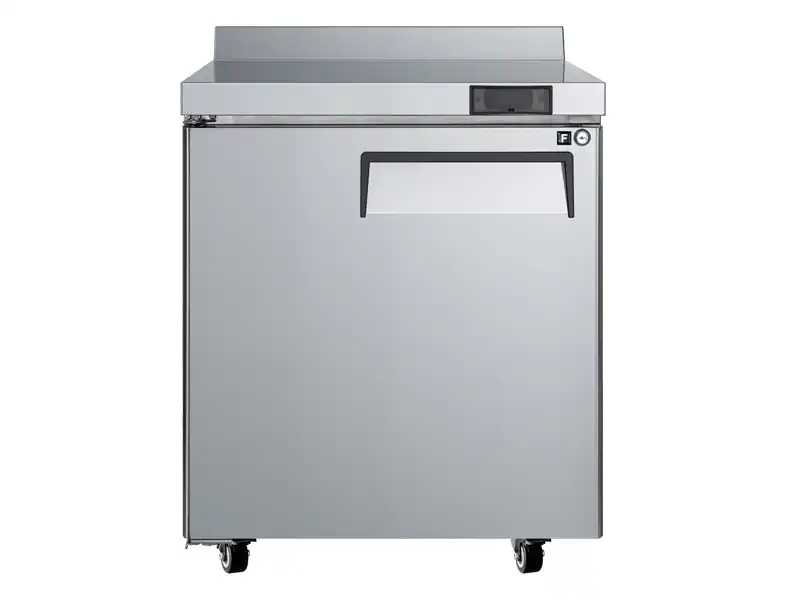
Key Specifications That Determine an Under Counter Freezer’s Performance
External dimensions are the first filter. A commercial undercounter freezer must fit below a standard 34‑inch work surface, so overall height rarely exceeds 35 inches including casters or legs. Width and depth vary by capacity, ranging from narrow single‑door cabinets to wider two‑door units that still slide beneath a continuous countertop. Interior volume and usable shelf space matter more than raw capacity numbers. A 13‑cubic‑foot unit with two solid doors and adjustable shelves often serves a busy prep line better than a deeper chest‑style cabinet that forces staff to dig through stacked product.
Temperature range separates true freezers from units that only chill. Look for a range reaching at least ‑13°F, which ensures frozen goods hold their texture and prevents partial thaw‑refreeze cycles that degrade quality. The compressor, insulation, and refrigerant choice are the three pillars behind stable temperatures. Compressors from established manufacturers like Cubigel drive most commercial‑grade undercounter freezers today, and when paired with polyurethane foam insulation and a CFC‑free blowing agent, the cabinet retains cold effectively throughout the service day.
Refrigerant selection also matters for long‑term ownership. R290 hydrocarbon refrigerant has become the standard in new commercial equipment because it delivers excellent thermodynamic performance with near‑zero global warming impact. It also runs quieter and uses less energy than the R134a and R404A systems many operators are replacing. Units built around R290 often carry ENERGY STAR certification, which helps operators in jurisdictions with energy performance mandates.
This quick comparison shows how two common undercounter freezer configurations stack up:
| Model | Capacity | Temperature Range | Dimensions (W×D×H) | Shelves | Doors |
|---|---|---|---|---|---|
| Camay MTF-48 | 368 L / 13 cuft | ‑25°C to ‑15°C / ‑13°F to 5°F | 1225×787×872 mm / 48.2×31×34.3 in | 2 | 2 |
| Camay MWTF-27-L | 202 L / 7.13 cuft | ‑25°C to ‑15°C / ‑13°F to 5°F | 698×787×938 mm / 27.5×31×36.9 in | 1 | 1 |
The two‑door option nearly doubles storage capacity while adding just over half a meter in length, both fitting under standard counter height. Kitchens with longer uninterrupted counter runs can accommodate the larger cabinet without giving up any work surface.
Energy Efficiency and Temperature Consistency in Daily Operation
Energy consumption in an undercounter freezer hinges on three things: insulation thickness, door seal integrity, and how often the compressor cycles. Polyurethane foam injected between the inner and outer walls minimizes cold loss even when ambient kitchen temperatures spike above 100°F during peak hours. A well‑insulated cabinet lets the compressor run in shorter, more efficient bursts rather than struggling to recover lost temperature after every door opening.
Digital temperature controllers bring additional precision. Simple mechanical thermostats can drift by several degrees over time, but solid‑state controllers with probe sensors hold the setpoint within about 1°F. Some models offer optional IoT connectivity that logs temperature data and pushes alerts if the cabinet drifts out of range—useful for kitchens operating under HACCP plans that require documented cold‑holding records. The controller also manages automatic defrost cycles, briefly warming the evaporator coil to clear frost buildup without allowing product temperature to climb.
Door design affects real‑world consumption more than spec sheets suggest. Self‑closing hinges with a positive latch prevent the all‑too‑common scenario of a door left ajar during a rush. Replaceable magnetic gaskets seal the gap around the door frame, and on most well‑built units the gasket can be pulled off for cleaning without tools. A dirty or cracked gasket is the fastest way to undo the efficiency gained from thick insulation and an efficient compressor, because the unit will run continuously trying to compensate for warm air infiltration.
In our manufacturing experience, undercounter freezers with foamed‑in‑place polyurethane and a properly gasketed door routinely hold temperature within 2°F of setpoint between defrosts, even when placed near a hot prep line, provided the ventilation clearance is respected.
Installation and Space Planning Considerations
Placing an undercounter freezer too close to a wall or cooking battery is the most common installation mistake I see. Ventilated cooling systems pull air across the condenser coil and exhaust warm air out the front or side. Obstruction of the intake grille forces the compressor to work against higher head pressures, cutting efficiency and, over time, shortening component life. Most manufacturers specify a minimum clearance of 3 to 4 inches at the rear and 2 inches at the sides. Front‑ventilating designs relax the side clearance requirement somewhat, but rear clearance is still needed for service access and heat dissipation.
The floor surface matters, too. Uneven floors tilt the cabinet and can prevent doors from closing fully. All commercial undercounter freezers ship with adjustable legs or casters that let you level the unit on site. Opt for casters if the freezer will be moved for cleaning underneath; stainless steel casters hold up better than plastic in wet, greasy environments. Locking front casters keep the unit stationary once it is in position.
Proximity to cooking equipment accelerates coil fouling. Grease‑laden air drawn through the condenser coats the fins, reducing heat transfer. If the only available slot is adjacent to a fryer or grill, plan for more frequent condenser cleaning and consider a unit with a removable mesh filter ahead of the coil. A filter catches airborne grease before it reaches the fins and can be washed in the dishwasher weekly. In kitchens where we could not relocate the freezer away from the cooking line, adding a simple filter mat extended the interval between deep coil cleanings from monthly to quarterly.
Finally, door swing direction matters in narrow aisles. Left‑hinge and right‑hinge options let you orient the door so it opens away from the primary traffic path. Some undercounter freezers come with field‑reversible doors, which eliminates the guesswork at the time of purchase. Confirm hinge orientation before ordering, because a door opening into the walkway becomes a daily frustration for the line crew.
Maintenance Practices That Extend Service Life
The condenser coil is the hardest‑working component you rarely think about. Over weeks of operation, kitchen dust, flour, and grease accumulate between the fins, insulating the coil so it cannot shed heat. A clogged coil is the number‑one cause of compressor failure in commercial refrigeration. Cleaning the coil thoroughly every 30 days in a heavy‑use kitchen, or every 90 days in a lighter environment, takes about fifteen minutes and a soft brush or vacuum. Units with easy‑access condenser compartments and removable front grilles make this task far more likely to get done.
Door gaskets are second on the maintenance priority list. A torn or brittle gasket lets ambient humidity enter the cabinet, accelerating frost formation and forcing the defrost system to run longer. Check gaskets monthly by closing the door on a piece of paper: if the paper pulls out easily with the door shut, the seal is weak. Most commercial units use snap‑in gaskets that can be replaced in under ten minutes without a service call. Keep a spare set on hand.
The drain line for the defrost water can become blocked with debris or ice, leading to water pooling inside the cabinet or leaking onto the floor. A routine flush with warm water and a small brush every few months keeps the drain clear. On units with an automatic evaporation pan, verify the pan is not overflowing or obstructed.
Even with automatic defrost, operators should perform a manual deep clean once or twice a year. Empty the freezer, turn it off, let all frost melt, and wash the interior with a mild detergent. This resets hygiene and lets you inspect the shelves and liner for rust or cracks that might harbor bacteria. Stainless steel interiors resist corrosion better than aluminum or coated liners, and the rounded corners found on many Camay models speed up the wipe‑down.
Under Counter Freezer vs. Other Cold Storage Formats
Choosing an undercounter freezer means accepting a deliberate trade‑off between footprint and capacity. Upright freezers offer far more storage in the same width—some reach‑in units pack 40 cubic feet into a 27‑inch footprint—but they climb to nearly seven feet tall and block sight lines across the kitchen. That vertical real estate comes at the expense of the work surface above, forcing the prep team to walk farther between storage and plating stations.
Worktop freezers bridge that gap by adding a stainless‑steel top to the freezer cabinet. The surface is sturdy enough for light prep tasks, though it is not designed to absorb the impact of heavy chopping or dough kneading the way a dedicated worktable can. The height of a worktop unit sits at counter level, so it integrates into a line of food‑prep surfaces without a step in height. When your kitchen needs both freezing and a work surface in the same footprint, a worktop freezer is the more functional choice; when the priority is maximum cold storage underneath existing counters, a standard undercounter model is simpler and often less expensive.
Chest freezers provide the deepest cold storage for the dollar but demand floor space and bending over to retrieve product. For back‑of‑house bulk storage they work, but in the fast‑pace of a service line they interrupt the cook’s rhythm. Undercounter freezers put frequently used frozen items within arm’s reach of the grill, fryer, or plating area. That proximity cuts steps and reduces the temptation to leave product out at room temperature “just for a minute.”
The decision table below summarizes the format differences:
| Format | Work Surface | Typical Capacity | Best Fit |
|---|---|---|---|
| Under counter freezer | No (fits beneath existing counter) | 7–13 cuft | Point‑of‑use freezing at prep or cook line |
| Worktop freezer | Yes (integrated stainless top) | 7–13 cuft | Compact station needing both freezer and prep space |
| Upright freezer | No | 20–40+ cuft | Bulk back‑of‑house storage |
| Chest freezer | No | 10–25 cuft | Low‑access bulk storage, process freezing |
In kitchens where square footage is the binding constraint, the undercounter format almost always wins once you factor in the workflow benefit of keeping frozen inventory next to the station that uses it.
Matching Your Kitchen’s Layout to the Right Freezer Configuration
Beyond dimensions and temperature, there are configuration details that shape daily usability. Solid doors versus drawers is one of the first decisions. Drawers let staff see and grab product without crouching, but each drawer reduces net storage volume slightly because of the sliding mechanism. Solid doors with internal shelves hold more product and provide a flatter surface for stacking, but they require the cook to bend down. Bars and cafes that store bottled or canned frozen goods often choose drawers; high‑volume line kitchens tend to prefer doors with adjustable shelves to accommodate irregularly shaped cuts of meat or large trays.
Interior material and shelf design affect cleaning and sanitation scores. Stainless steel interiors with coved corners eliminate the seams where bacteria thrive. Shelves that adjust on rails without tools let the crew reconfigure storage when the menu changes. Pre‑installed shelves save setup time, but verify the shelf weight rating if you plan to store heavy cases. A sagging shelf eventually warps the liner, and once the liner cracks, moisture reaches the insulation and permanently degrades performance.
Locking doors matter more than many buyers expect. A simple keyed lock prevents unauthorized access during off‑hours and helps control inventory shrinkage. In open‑access kitchens, a lockable freezer compartment also provides a chain‑of‑custody point for high‑value items like specialty seafood or pastry components.
Temperature alarms and data logging are increasingly standard. A visual and audible alarm triggers when the cabinet temperature exceeds a user‑programmable threshold. For kitchens working toward HACCP compliance, the ability to pull a temperature log from an IoT‑connected controller reduces the burden of manual spot checks. It also gives peace of mind during overnight hours or when the kitchen is unattended for a full day.
Getting the Right Freezer Without Overcomplicating the Process
Every kitchen layout creates its own set of constraints, and an off‑the‑shelf freezer does not always fit. Cabinet depth, door swing, voltage requirements, and even ambient climate class all influence which model will perform as expected. In my experience supporting OEM and ODM projects, the kitchens that stay satisfied over the long haul are the ones that treat the freezer purchase as a specification exercise rather than a catalog pick. They confirm clearance, refrigerant, electrical phase, and cleaning access before signing off.
At ZHEJIANG KAIMEI CATERING EQUIPMENT, we build under counter freezers around the applications our partners actually run—from cramped coffee bars to high‑volume central kitchens—and we support custom configurations that match a restaurant’s physical and operational layout. Send your part number, capacity requirement, and kitchen dimensions to Sales@hzcamay.com or call +8618157202219. Our engineering team can confirm whether a standard model fits or if a modified design makes more sense. A short conversation before ordering prevents the kind of installation headache that costs you service days and revenue.
Questions Operators Ask Before Buying an Under Counter Freezer
Do I need a separate freezer if I already have a reach‑in combo unit?
A single reach‑in that serves both refrigeration and freezing often runs a shared condensing unit with a middle evaporator dividing the two compartments. Temperature stability in the freezer side depends heavily on door openings and ambient conditions. Adding a dedicated undercounter freezer at the point of use lets the main unit run less aggressively and keeps frequent‑access frozen goods within immediate reach, which tends to reduce the freezer‑door cycling that causes inconsistent temperatures in dual‑zone cabinets.
What is the true cost difference between a budget import and a commercial‑grade unit?
The upfront price difference is real, but the larger gap shows up after two or three years. Budget units typically use thinner insulation, lighter‑duty compressors, and coated interior liners that rust once the coating scratches. A commercial‑grade unit with a stainless interior, foamed‑in‑place polyurethane insulation, and an established compressor brand will hold its temperature with lower energy consumption and fewer service calls. Over a five‑year lifecycle, I have seen operators spend more on emergency repairs for a cheap unit than the difference they saved at purchase.
Can I install an undercounter freezer outside or in an unheated area?
Climate class matters. Most commercial undercounter freezers are rated for ambient temperatures up to 100°F and moderate humidity. Placing the unit where temperatures drop below 50°F can cause the refrigerant pressure to fall so low that the compressor will not start, and high humidity leads to excessive frost. If an outdoor or unconditioned space is unavoidable, specify a unit with an extended climate rating and plan for a weather‑protected enclosure with ventilation. The warranty will likely exclude failures traced to operating outside the rated ambient range.
How do I verify that the freezer holds temperature correctly after installation?
Allow 24 hours after plugging in before loading product. Place a calibrated digital thermometer in the center of the cabinet, away from the walls and door. Record the temperature at startup and every four hours throughout a full service day. The reading should stay within the published range even during peak door openings. If it drifts more than 3°F above the setpoint, check the door gasket first, then the condenser coil, and finally the controller calibration. Many field issues resolve with a gasket adjustment or coil cleaning rather than a compressor replacement.
What after‑sale support should I expect from a manufacturer?
A 13‑month warranty on parts is a reasonable baseline, coupled with a clear process for remote diagnosis and spare‑part shipment. Look for a supplier that stocks gaskets, controllers, fans, and compressors in regional warehouses and can dispatch them within a few business days. At Camay, we include a percentage of free spare parts with every machine and maintain permanent online technical support for the life of the equipment. If your program requires extended warranty terms or spare‑part kits bundled at the time of purchase, share your requirements and we will confirm the support package before production begins.
If you’re interested, check out these related articles:
Ultimate Buyers Guide for Commercial Reach In Refrigerators
Boost Savings with Energy Efficient Commercial Upright Freezers
Essential Maintenance Tips for Commercial Reach In Refrigerators