

If your kitchen still cools large batches of hot food by leaving them in a walk-in freezer overnight, you are operating in a food safety gray zone—and compromising texture, flavor, and shelf life along the way. A blast chiller changes that by rapidly dropping food temperature through the danger zone, giving you consistent results and a verifiable HACCP record. I’ve spent twenty-six years in commercial refrigeration manufacturing, and I can tell you a blast chiller is not a luxury. When you choose one built for durability and efficiency, it becomes one of the most reliable pieces of equipment in your kitchen.
What a Blast Chiller Actually Does
A blast chiller forces refrigerated air at high velocity across hot food, pulling heat out quickly. It typically brings cooked food from over 90°C down to 3°C within 90 minutes. A standard freezer or walk-in cannot match this. The result is far less time spent in the critical 5°C to 60°C range where bacteria multiply fastest.
The core measurement is pull-down time. A blast chiller’s probe tracks the food’s core temperature, not just the air temperature. This is what distinguishes blast chilling from ordinary freezing. When the cycle finishes, you have food that is safe to store, portion, or finish later without damaging its structure.
The Food Safety Case for Rapid Cooling
Most food safety regulations, including HACCP-based programs, require cooling cooked foods from 60°C to below 5°C within a specific window—often two hours or less for the most critical drop. Leaving a large batch of stock, stew, or protein in a walk-in may take four hours or more to pass through the danger zone, during which bacteria can multiply to unsafe levels even if the food is later frozen.
Blast chillers satisfy this requirement reliably, cycle after cycle. That alone reduces the risk of a failed health inspection or a foodborne illness incident. Beyond compliance, rapid cooling locks in moisture and nutrients that slow cooling lets evaporate. I’ve seen kitchens that adopted blast chillers cut their food waste noticeably because they could safely store and reuse prep that would otherwise have been discarded after a single service.
Engineering Quality: What Separates a Reliable Blast Chiller
Not all blast chillers are built to perform consistently under the load of a busy kitchen. The difference often comes down to four engineering decisions.
Compressor and evaporator design. A heavy-duty compressor—from a supplier like Cubigel, for example—with a matched evaporator coil maintains pull-down performance even when the kitchen ambient temperature rises. Lower-cost units sometimes use compressors rated for lighter refrigeration cycles, and they lose cooling capacity under continuous use.
Insulation. Polyurethane foam blown with cyclopentane, free of CFCs, provides strong thermal retention without the environmental penalty. The thickness and uniformity of the insulation inside the cabinet walls directly affect how much energy the unit wastes fighting heat infiltration.
Door seal and cabinet build. A full-length magnetic gasket on a stainless steel door frame prevents cold air from escaping. Stainless steel interior construction resists corrosion from food acids and frequent cleaning. In manufacturing, we verify that every door seals tightly and that the air curtain forms uniformly before a unit ships.
Control system and certifications. A digital controller with probe-driven cycle management gives repeatable results whether you are chilling ten trays of chicken or a single hotel pan of sauce. Certifications such as ETL, CE, and ENERGY STAR confirm that the unit has been tested for safety and efficiency. Camay blast chillers are produced under an ISO 9001:2015–certified quality management system, and we test every unit’s pull-down time before packing.
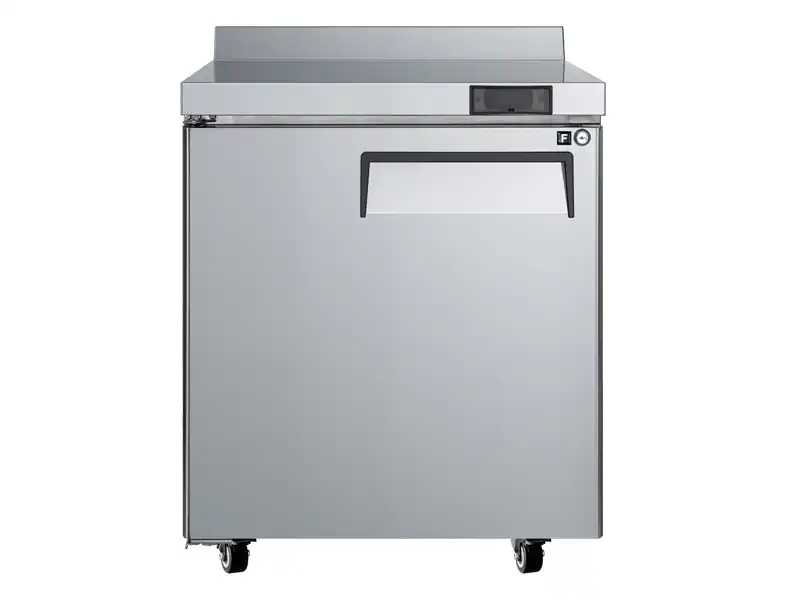
Cheaper units may tick the same specification boxes on paper but use thinner insulation, lower-grade door seals, or smaller evaporators. Those shortcuts become apparent after a year of real kitchen use, when cooling cycles start to stretch and energy bills climb.
How to Choose the Right Blast Chiller Capacity and Features
Capacity is the first filter. Blast chillers are sized by tray capacity—5, 10, and 20 GN 1/1 tray models are common. Think in terms of your peak production batch, not your average. A restaurant that needs to chill a single batch of stock daily can use a 5-tray model. A central kitchen or banquet facility processing hundreds of portions per day may need 20 trays or more.
Below is a rough guide based on typical commercial kitchens:
| Tray Capacity | Approximate Batch Weight | Best For |
|---|---|---|
| 5 trays | 15 – 25 kg | Small restaurants, bakeries, prep for next day |
| 10 trays | 30 – 50 kg | Mid-volume kitchens, catering prep |
| 20 trays | 60 – 100 kg | Banquet halls, central kitchens, high-volume production |
Beyond capacity, look for a controller that stores multiple cooling programs—soft chill for delicate items, hard chill for dense products, and sometimes a freezing cycle for long-term storage. A core probe that monitors the food interior, not just the air temperature, is non-negotiable for HACCP documentation.
Energy consumption matters. Units that carry ENERGY STAR or similar marks typically use more efficient fans and better insulation. While the sticker price of a certified unit may be higher, the annual electricity savings in a 24/7 kitchen can bring the total cost below that of a less efficient alternative within two to three years.
Camay’s blast chiller range includes models sized from compact countertop units to large roll-in cabinets. When you are evaluating options, ask the manufacturer for the pull-down test data at your target batch size rather than relying on a catalog spec alone.
Fitting a Blast Chiller into Your Kitchen Workflow
The best blast chiller in the wrong spot creates a bottleneck. Place it close to the hot-prep area, ideally between cooking and storage stations, so staff do not carry hot pans across the kitchen. Floor drains are rarely needed with air-cooled models, but you do need clearance for ventilation. Allow at least 15–20 cm of space on all sides to maintain airflow.
Staff training makes a bigger difference than many owners expect. Loading too many trays at once reduces airflow and extends cycle times. I’ve worked with kitchens where the team was initially skeptical of the blast chiller but, after two weeks of using pre-set programs, began to trust it for everything from batch sauces to par-cooked vegetables. The key is to give each cook a clear rule: anything that will not be served in the next hour goes through the blast chiller before hitting the walk-in.
Total Cost of Ownership and Long-Term Reliability
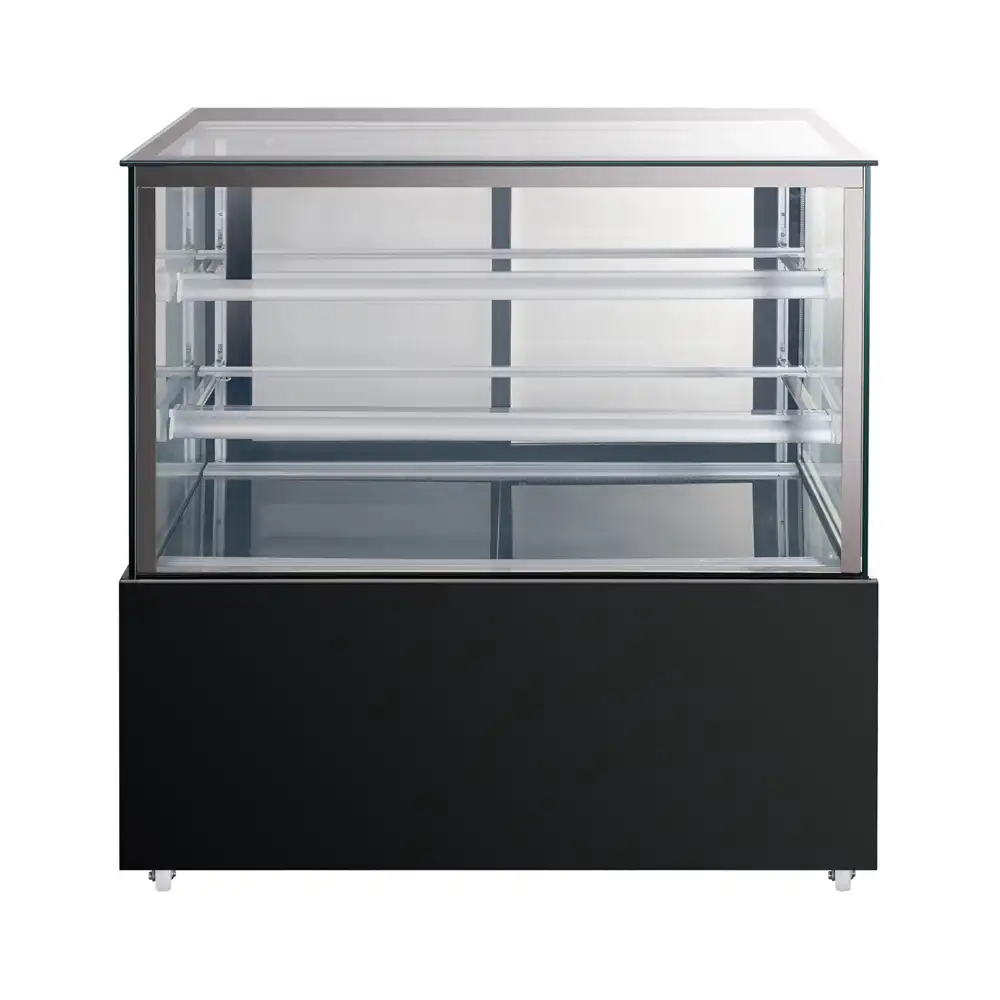
Purchase price is only the entry ticket. Over a ten-year lifespan, the real costs are energy, maintenance, and downtime. A robust blast chiller with quality components may cost more upfront but requires fewer service calls. Compressor failures in the first two years almost always trace back to under-spec components or inadequate factory testing. At Camay, our manufacturing process includes full performance verification on every unit, reflecting the same discipline we apply across our undercounter fridges, worktops, and display cabinets.
Scheduled maintenance is straightforward: clean the condenser coil quarterly, check the door gasket for cracks, and have a technician inspect the refrigerant charge once a year. When you source the unit, confirm what spare parts are stocked by the supplier and what the warranty covers. A manufacturer that has been in the industry for decades will typically maintain a parts inventory that prevents you from waiting weeks for a replacement fan motor.
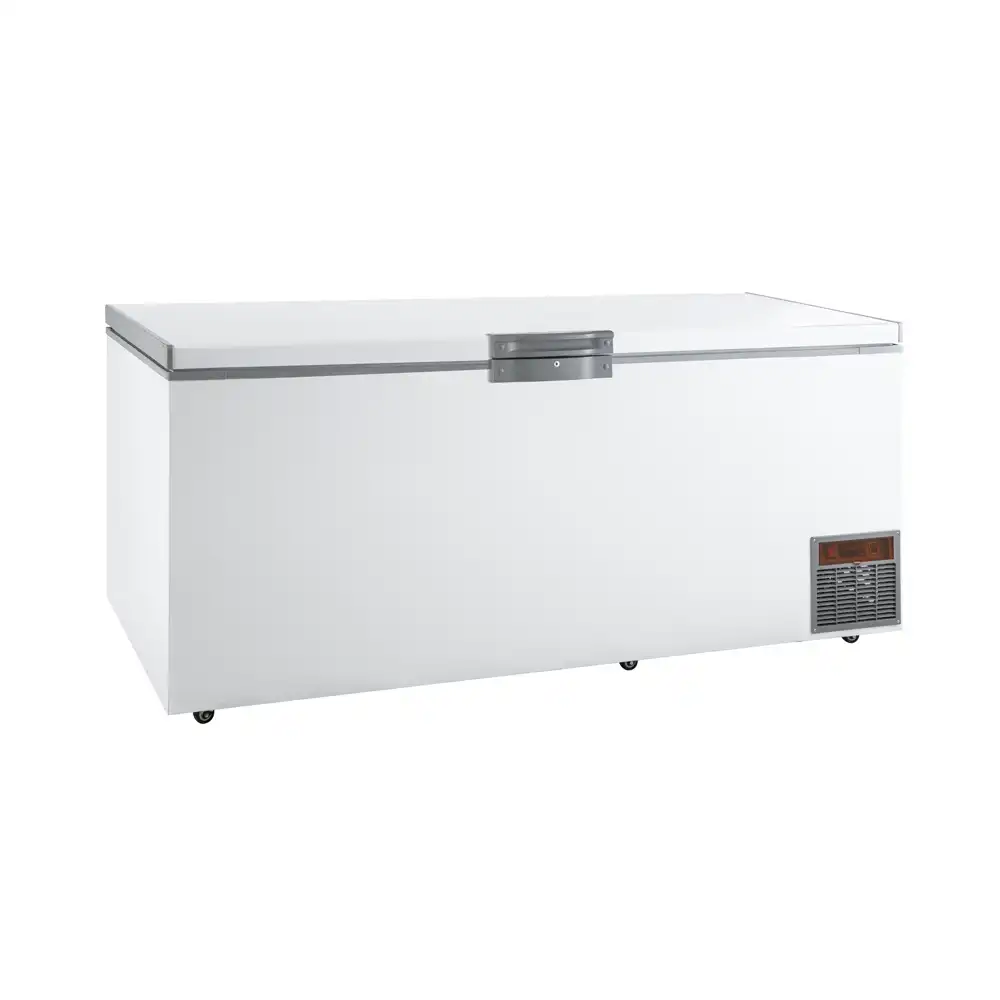
Every kitchen that regularly prepares food in volume should view a blast chiller as an essential tool, not an optional upgrade. A well-engineered unit pays for itself through reduced food waste, lower energy costs per batch, and fewer food safety incidents. If your program involves multiple daily chilling cycles or high-value ingredients, confirm that the unit’s compressor and insulation are rated for continuous use before you commit. Reach out to us at Sales@hzcamay.com or call +86 181 5720 2219 with your batch sizes and pan types, and we will recommend a blast chiller configuration that matches your production reality.
Common Questions About Commercial Blast Chillers
My kitchen already has a walk-in freezer; why invest in a blast chiller?
A walk-in freezer cools food slowly. Hot food placed inside will stay in the temperature danger zone for hours, which promotes bacterial growth and degrades texture. A blast chiller is designed to pull the core temperature down rapidly, meeting HACCP cooling requirements. The walk-in is for storage after the food is already chilled, not for the initial cooling step.
Will a blast chiller make my food taste better?
Not exactly. It will not add flavor, but it will preserve the flavor and texture that slow cooling destroys. Rapid chilling prevents large ice crystals from forming inside the food, so sauces stay smoother, proteins stay more tender, and vegetables keep their color. The taste is the same, but the quality holds up over days instead of hours.
Do I need a plumber to install a blast chiller?
It depends on the cooling type. Air-cooled blast chillers only need a correct electrical connection and adequate ventilation, so a qualified electrician handles installation. Water-cooled models require a plumbing line and drain, which adds installation cost and complexity. Most commercial kitchens choose air-cooled units for simplicity, and the majority of blast chillers available are air-cooled.
How often does a blast chiller need maintenance?
A quarterly clean of the condenser coil and a check of the door gasket are the bare minimum. I also recommend an annual inspection of the refrigerant charge and evaporator fan condition by a refrigeration technician. Units that run multiple cycles per day may need the condenser cleaned more frequently, especially in kitchens with airborne grease or flour.
Can I blast chill soups and sauces directly in the cooking pot?
No. The cooling speed depends on surface area. Transfer hot liquids to shallow GN pans no deeper than 70 mm to ensure the core temperature drops within the cycle time. Deep pots trap heat in the center and can take far longer to pass through the danger zone, undermining the whole point of blast chilling. If you need assistance planning a chilling protocol that meets your local health code, share your menu and batch volumes with us and we can help design a safe workflow.
If you’re interested, check out these related articles:
Heavy Duty Chef Base Refrigeration for Efficient Commercial Kitchens
How to Choose the Best Chef Base Refrigerator for Your Kitchen