

Choosing a back bar refrigerator for a coffee shop is not just about fitting a cooler under a counter. The wrong unit can cause inconsistent drink temperatures, spike energy bills, and force expensive repairs—hurting already thin margins. This guide draws on 26 years of commercial refrigeration engineering to help coffee shop owners evaluate back bar refrigerators, from compressor quality and insulation standards to spatial integration and ongoing maintenance.
What Types of Back Bar Refrigerators Fit Coffee Shop Needs
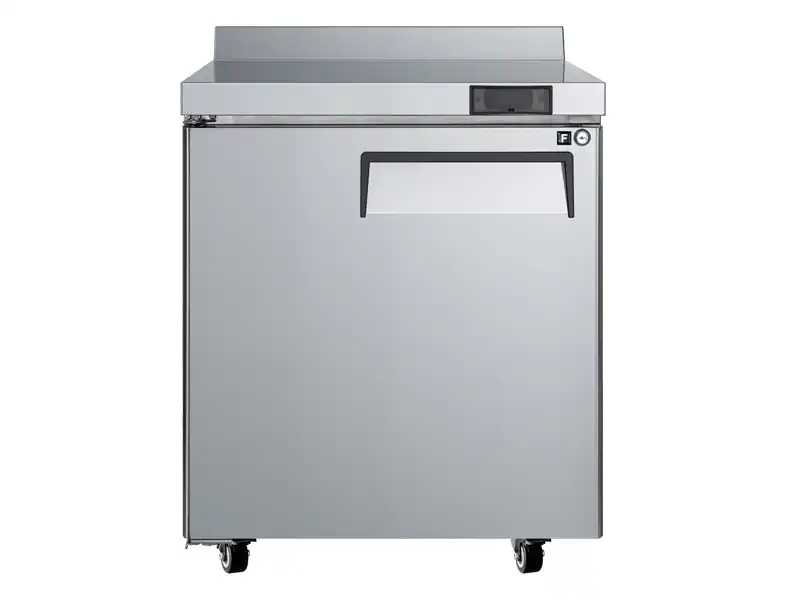
Back bar refrigerators generally fall into three configurations: undercounter coolers, countertop display units, and freestanding glass door merchandisers. For most coffee shops, undercounter models are the default choice because they slide beneath a back bar counter while providing chilled storage for milk, creamers, juices, and bottled drinks. Countertop units with glass doors offer highly visible display of beverages, which can boost impulse sales. Freestanding glass door coolers serve higher-volume operations where restocking frequency is high. Your choice should align with customer flow and available back bar depth; typical undercounter units are around 27–30 inches deep, while freestanding merchandisers demand at least 24 inches of clearance plus air circulation space.
Critical Features That Impact Daily Workflow
When comparing back bar refrigerators, three specs determine how well the unit integrates into a coffee shop routine: interior capacity, temperature stability, and door configuration. Capacity should match the daily volume of dairy and bottled drinks without forcing overstock that blocks airflow. Look for forced-air cooling with precise digital controllers—these maintain 33°F to 41°F consistently, even during peak opening hours when doors open frequently. Door style matters too: solid stainless doors provide better insulation and hide clutter, while glass doors let staff see inventory at a glance but require regular cleaning. Many coffee shops also benefit from locking doors to secure high-value stock after closing.
| Feature | Undercounter Model | Glass Door Merchandiser |
|---|---|---|
| Visibility | Low (hidden under counter) | High (visible bottles) |
| Insulation | Excellent (solid door) | Moderate (glass door) |
| Space Efficiency | Fits under 36-inch counter | Requires dedicated floor space |
| Typical Capacity | 7–13 cuft | 10–20+ cuft |
| Best For | Back-of-house storage | Front-of-house display |
Why Build Quality Decides How Long the Cooler Lasts
Surface-level specs alone will not keep a back bar refrigerator running for years. The compressor brand, insulation method, and door seal design are what separate a unit that works for a decade from one that fails in two years. In our manufacturing experience, a UL-recognized compressor such as Cubigel paired with foamed-in polyurethane/cyclopentane insulation (CFC-free) delivers stable temperature retention and lower energy use. This insulation density is often invisible to buyers, yet it directly determines whether the compressor cycles excessively in a warm coffee shop environment. Equally critical are the door gaskets—self-closing doors with easily removable and replaceable gaskets simplify cleaning and prevent the cold air leaks that lead to compressor burnout. We have seen counters where a $15 gasket replacement was the difference between a cooler holding temperature and a service call.
Reducing Operational Costs Through Energy Efficiency
Coffee shops with back bar refrigeration running 24/7 benefit directly from ENERGY STAR–certified units and eco-friendly refrigerants such as R290. A high-efficiency unit drawing 1.5–2.0 amps can save hundreds of dollars annually compared to older designs. Beyond the sticker, look for certifications like ETL Safety and ETL Sanitation (NSF) as proof of independent testing. Our Camay undercounter models, for example, meet DOE and ENERGY STAR requirements while using R290, which has a low global warming potential and excellent thermodynamic efficiency. Such units also tend to have improved insulation, which reduces compressor runtime and extends equipment life.
Integrating the Cooler into Your Coffee Shop Layout
Even the best refrigerator underperforms if installed with poor ventilation or cramped access. Undercounter back bar units need at least 2 inches of clearance on sides and back for heat dissipation; blocking condenser vents forces the compressor to overheat. If your back bar is tight, consider a model with front-vented airflow. Height clearance matters too—ensure the unit’s height plus casters leaves enough room for the countertop overhang. For glass door merchandisers, position them at least 4 inches from walls and away from heat sources such as espresso machines. Pre-planning the electrical outlet location prevents the need for extension cords, which are a safety risk.
Daily and Seasonal Maintenance That Protects Your Investment
A back bar refrigerator can last over 10 years with consistent cleaning of condenser coils, door gaskets, and interior surfaces. Dusty condenser coils force the compressor to work harder; we advise vacuuming or brushing them every three months. Monthly gasket checks with a simple dollar-bill test—close the bill in the door and pull; if it slides out easily, the seal is weak. Always keep interior air vents unobstructed to maintain proper airflow. During summer, ambient heat in coffee shops rises, so a quick coil clean before the hottest months prevents unexpected failures when demand peaks.
Questions About Back Bar Refrigerators for Coffee Shops
How much capacity do I need for a small coffee shop?
For a shop serving up to 200 drinks daily, a 7–10 cubic foot undercounter back bar refrigerator usually provides enough space for milk, juice, and a few backup items without overcrowding. If you carry a wide variety of bottled drinks, consider a separate merchandiser to reduce frequent restocking.
Can I store both milk and wine in the same back bar cooler?
Yes, but only if the unit has a digital controller capable of holding a steady 37°F–40°F. This temperature range keeps milk cold enough for safety while not over-chilling wine. Avoid low-cost models with wide temperature swings; they can spoil dairy quickly.
Should I choose a solid door or glass door for my back bar refrigerator?
In a busy coffee shop with limited visual access to stock, a glass door saves time by showing staff what needs restocking. However, if the back bar is behind a wall or hidden from customers, a solid stainless door insulates better and reduces energy use. Many shops choose glass doors for front-of-house and solid doors for back storage.
What certifications matter for a commercial back bar refrigerator?
ETL Safety and ETL Sanitation (NSF) are the essential marks for foodservice equipment in North America. They confirm the unit meets safety and hygiene standards. ENERGY STAR and DOE certification add assurance of energy performance, which matters when the cooler runs continuously. Always verify that the manufacturer provides the actual certificates, not just claims.
How often should I service my back bar refrigerator to avoid breakdowns?
Proactive maintenance every three months—cleaning condenser coils and inspecting gaskets—dramatically reduces the chance of midseason failure. We suggest scheduling a professional annual check on the compressor and refrigerant circuit, especially if the shop operates in a hot or dusty kitchen. If your cooler starts cycling on and off more frequently, it is worth evaluating the door seal and condenser cleanliness before ordering a replacement. Share your equipment’s model number and usage conditions with us at Sales@hzcamay.com or call +86 181 5720 2219, and we’ll help confirm whether a minor adjustment can restore full performance.
If you’re interested, check out these related articles:
Boost Kitchen Efficiency Workflow Optimization with Chef Base Fridges
How to Choose the Best Chef Base Refrigerator for Your Kitchen
Optimizing Kitchen Efficiency with Integrated Worktop Refrigeration
Essential Maintenance Tips for Your Commercial Chef Base Refrigerator
Ultimate Buyers Guide for Commercial Reach In Refrigerators