
Commercial back bar refrigerators are often purchased as bar equipment, but the kitchens I’ve worked with over 26 years tell a different story. Placed strategically, these units reduce staff travel distance and centralize ingredient access in ways standard reach-in coolers cannot match. When a grill station has dedicated refrigerated storage within arm’s reach, the cook stops walking, and that saved motion adds up to faster ticket times. This article draws on manufacturing and project delivery experience to show where back bar refrigeration creates real kitchen efficiency gains, what to look for in the equipment, and how to integrate it into your layout without disrupting service.
Where Back Bar Refrigeration Fits in a Restaurant Kitchen
Back bar refrigerators sit in a category between full-size reach-in cabinets and compact undercounter units. Most operators know them from behind the bar, holding bottles and cans at serving temperature. In a kitchen context, that same footprint serves a different purpose: bringing cold storage directly to the point of use.
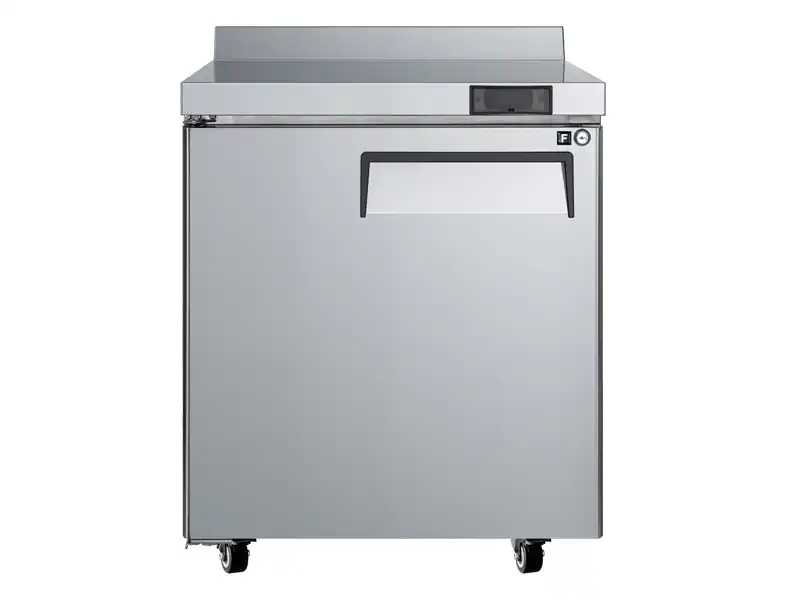
A standard 60-inch chef base or undercounter refrigerator placed under a prep counter eliminates the walk to the walk-in cooler for frequently used ingredients. Proteins, garnishes, sauces, and prepped vegetables stay within a step of the cooking surface. The worktop itself becomes a prep station. This is not a minor convenience. In a kitchen producing 150 covers per shift, the accumulated steps saved through strategic cold storage placement represent real labor efficiency.
The distinction matters because many kitchen designers treat back-of-house refrigeration as bulk storage. They size the walk-in and line up reach-in units along the back wall. That approach stores food but does nothing for workflow. Back bar and undercounter refrigeration, by contrast, distributes cold storage throughout the kitchen in the exact positions where ingredients enter the cooking sequence. A salad station with its own refrigerated prep table, a grill line with chef base drawers underneath, a sauté station with a compact undercounter freezer for proteins — each of these turns cold storage from a destination into a workstation.
How Back Bar Units Reduce Staff Movement and Improve Speed
Kitchen efficiency is measured in seconds. Every step a line cook takes away from their station costs time that compounds across hundreds of plates. I’ve walked through kitchens where the reach-in cooler sits 15 feet from the grill, and the cook makes that round trip 40 or 50 times during a dinner rush. That is several hundred meters of unnecessary movement.
When back bar refrigeration is positioned directly at the station, the cook reaches down or turns sideways instead of walking. The ingredient flow stays tight. In our manufacturing work with restaurant groups across multiple markets, the kitchens that prioritize distributed refrigeration consistently report smoother service during peak hours. One project we supported for a Southeast Asian hotel chain restructured their main kitchen line by replacing a centralized reach-in bank with individual chef base units under each cooking station. The head chef told us the reduction in staff collisions during service was as valuable as the time saved.
The principle extends beyond cooking stations. A back bar cooler in the plating area keeps garnishes and cold sauces accessible for the expediter. A compact refrigerator near the dishwashing zone holds cleaned produce before it moves to prep. Each placement removes a walk from the workflow.
If your kitchen layout currently clusters all refrigeration in one zone, the easiest efficiency gain is relocating at least one unit to the station where its contents are used most. Start with the grill or sauté station, where ingredient turnover is fastest and the walk distances add up most quickly.
| Placement | Typical Distance Saved per Shift | Workflow Benefit |
|---|---|---|
| Under grill station | 200–400 meters | Cook stays at the line |
| Salad prep area | 150–300 meters | No cross-kitchen ingredient runs |
| Plating/expedite zone | 100–200 meters | Garnishes and sauces within reach |
| Bar service area | 250–500 meters | Bartender stays behind the bar |
Selecting the Right Back Bar Refrigerator for Your Kitchen
Not every back bar refrigerator is built for kitchen duty. Units designed solely for bottle cooling in a low-heat bar environment will struggle when placed next to a 350-degree grill. The selection criteria for kitchen use must account for ambient heat, continuous door openings, and the weight of food ingredients rather than beverage inventory.
The first decision point is construction. Stainless steel interior and exterior surfaces are non-negotiable in a kitchen. Galvanized steel or aluminum interiors corrode under constant exposure to food acids, moisture, and cleaning chemicals. The Camay chef base units we manufacture use 304 stainless steel throughout, specifically because we know these units sit in hot, wet, and demanding environments. A painted exterior will look worn within months. A plastic interior liner will absorb odors and stain.
Cooling system design matters as much as materials. Ventilated cooling with an automatic defrost cycle maintains consistent internal temperatures despite frequent door openings, which is essential when cooks are reaching into the unit dozens of times per hour. The compressor should be sized for the workload. A Cubigel compressor paired with R290 refrigerant, as used in the Camay MAR-60A chef base, provides reliable cooling at ambient temperatures up to 38°C, which is realistic for a busy kitchen.
Capacity and dimensions must match both the available space and the ingredient volume. A 60-inch chef base with a 117-liter capacity, such as the MAR-60A, supports a single grill station. Multiple stations require larger or additional units. The worktop height should match existing prep counters — standard commercial kitchen worktop heights in the 850 to 900 mm range keep the surface ergonomic and continuous with adjacent stations.
If your menu involves marinated proteins or temperature-sensitive sauces that require consistent refrigeration between 0.5°C and 5°C, confirm the unit’s temperature control system can hold that range precisely. Digital controllers with optional IoT monitoring allow kitchen managers to verify temperatures remotely and receive alerts if a unit drifts out of range before food safety becomes an issue.
Layout Strategies That Maximize Back Bar Refrigeration Value
Positioning a refrigerated unit in the kitchen seems simple until you account for existing electrical connections, ventilation clearance, staff movement paths, and the flow of ingredients from delivery to plate. The most effective layouts treat refrigeration placement as part of the kitchen’s production sequence rather than an afterthought.
Walk through your kitchen during prep and service hours and note where staff members stop to retrieve cold ingredients. Those stopping points are where refrigeration belongs. If the salad station cook walks to the walk-in for dressing and greens 30 times per shift, a refrigerated salad prep table at that station eliminates those trips. The same logic applies to the pizza station, where a refrigerated prep table holding toppings and dough at 2°C to 8°C keeps everything within arm’s reach.
In tight kitchen footprints, back bar and undercounter refrigeration replaces what would otherwise require full-size reach-in units. A narrow kitchen that cannot accommodate a double-door reach-in cooler can often fit a 48-inch or 60-inch undercounter refrigerator under the existing stainless steel worktop. This preserves the prep surface while adding cold storage directly underneath. We have supplied this configuration to coffee shops and small restaurants where every square foot of floor space matters, and the feedback consistently points to improved workflow in kitchens that previously had no cold storage near the prep area.
Maintain at least 75 mm of clearance around the unit’s ventilation grilles, and do not place the refrigerator directly against a heat source without an insulated barrier. The compressor needs airflow to reject heat. In a kitchen that hits 38°C ambient temperature during peak service, a unit with blocked ventilation will run continuously and eventually fail. This is one of the most common installation errors we see in field reports, and it is entirely avoidable with proper spacing during layout planning.
If your kitchen relies on a centralized walk-in for most cold storage, a phased approach works well. Add one chef base or undercounter refrigerator at the station with the highest ingredient turnover, operate it for a full service cycle, and measure the change in cook movement before committing to additional units. Most kitchens notice the difference within the first shift.
Long-Term Durability and Maintenance Considerations
A commercial kitchen refrigerator faces conditions that no residential or light-commercial unit was designed to handle. Heat, grease, cleaning chemicals, and constant use wear down equipment that is not built for the environment. The difference between a unit that lasts five years and one that needs replacement in two often comes down to three factors: insulation quality, door hardware, and maintenance accessibility.
Polyurethane or cyclopentane foam insulation, CFC-free and injection-molded into the cabinet walls, does more than save energy. It maintains structural rigidity when the unit sits in a hot kitchen and the compressor cycles frequently. Units with lower-density insulation or foam that degrades over time lose their cold-holding capacity gradually, and the compressor compensates by running longer, which accelerates wear. The 40 mm to 60 mm panel thickness found in commercial-grade back bar refrigeration, including the Camay undercounter and chef base lines, provides both thermal efficiency and cabinet durability over years of service.
Door hardware should be self-closing with a positive latch. In a busy kitchen, a door left slightly ajar by a rushed cook can raise the internal temperature by several degrees within minutes. Recessed handles and lock-and-key mechanisms that survive thousands of duty cycles are not luxury features. They are functional requirements for equipment that will be opened and closed constantly during service.
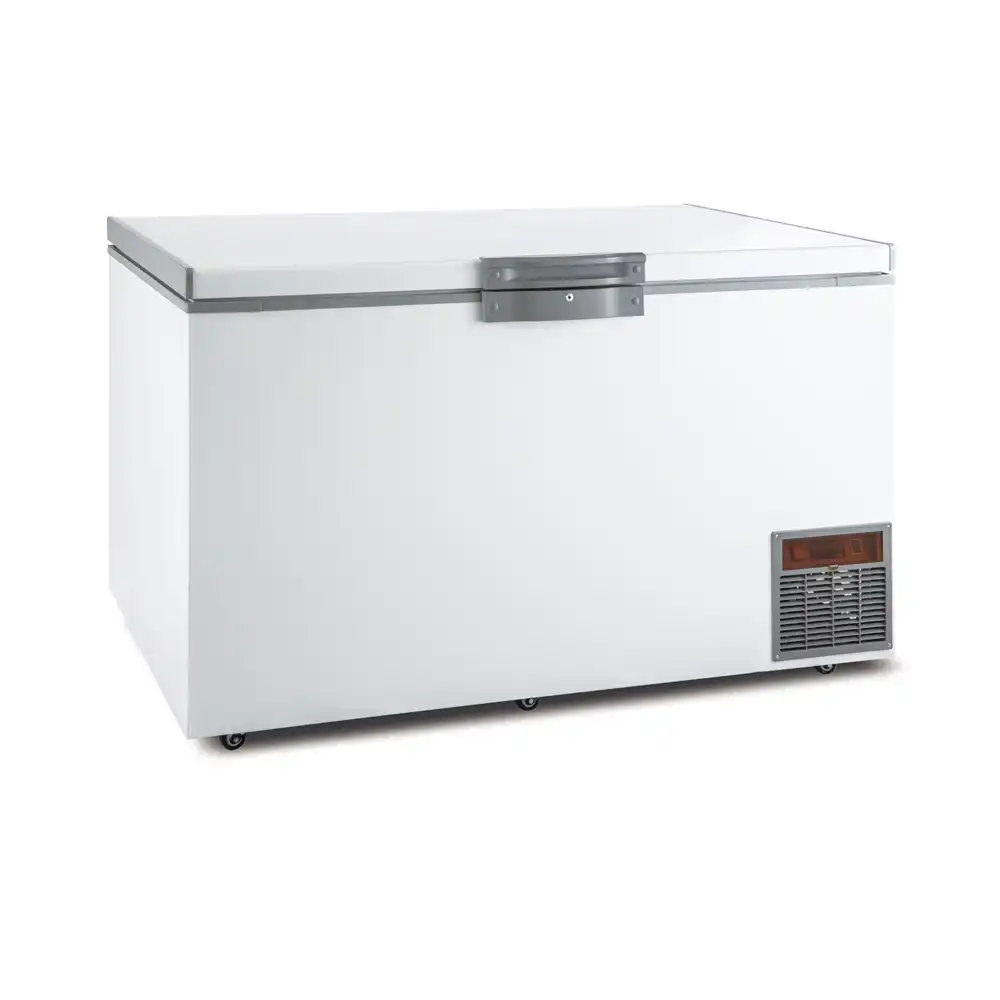
The removable door gasket is a detail that matters more in practice than on a specification sheet. Gaskets collect food debris and grease. If the gasket cannot be removed for cleaning, it will harbor bacteria and eventually lose its seal. A unit with a removable gasket that takes 30 seconds to detach and reattach gets cleaned regularly. A unit with a glued-in gasket does not.
Condenser coil access should not require pulling the unit away from the wall. Front-accessible or easily removable rear panels make routine cleaning practical. In kitchens where every piece of equipment is packed tightly into the layout, a refrigeration unit that requires service access from the rear panel will not get cleaned on schedule, and dust-choked coils will cause premature compressor failure.
For kitchens operating 14 to 18 hours a day, the maintenance routine should include weekly coil cleaning, monthly gasket inspection, and quarterly temperature calibration. These tasks take less than 15 minutes combined and extend the service life of the equipment significantly. A digital temperature log, whether manual or through IoT monitoring, provides the documentation that health inspectors and HACCP auditors expect.
Common Questions About Back Bar Refrigeration in Kitchens
Is back bar refrigeration the same as undercounter refrigeration?
They overlap but are not identical. Back bar refrigerators are typically designed for beverage storage behind a bar counter, with glass doors for product visibility and shelf configurations suited to bottles and cans. Undercounter refrigerators are built as general-purpose cold storage that fits under a standard worktop, with solid doors that prioritize insulation and durability over display. In a kitchen application, the undercounter configuration with a solid door and durable worktop surface generally holds up better. The worktop can support food preparation, and the solid door provides better thermal retention in a hot kitchen. Some manufacturers offer models that bridge both categories, with the worktop fridge design combining undercounter storage with a usable stainless steel top surface.
How much energy does a commercial back bar refrigerator use?
Energy consumption depends on the compressor type, refrigerant, insulation, and ambient conditions, not just the unit’s rated power. A typical commercial undercounter or back bar refrigerator drawing between 200 and 350 watts, using R290 refrigerant with a ventilated cooling system and polyurethane insulation, will consume roughly 1,500 to 2,500 kWh per year in a kitchen environment where ambient temperatures fluctuate between 25°C and 38°C. Units carrying ENERGY STAR certification and DOE compliance have been tested to meet efficiency standards that reduce operating costs over the equipment’s lifespan. The incremental cost of a certified unit is typically recovered through energy savings within the first two to three years of operation.
What certifications should I look for in a back bar unit?
For the North American market, ETL Safety certification and ETL Sanitation to NSF standards are the baseline. ENERGY STAR and DOE compliance indicate verified energy performance. CE marking covers the European market, while IEC-CB, PSE, SAA, KC, NOM, and EAC certifications extend coverage to international deployments. At the factory level, ISO 9001:2015 for quality management, ISO 14001:2015 for environmental management, and ISO 45001:2018 for occupational health and safety indicate a manufacturing operation with systematic quality control. When comparing equipment from different suppliers, the certification portfolio is a more reliable indicator of long-term performance than marketing claims about durability or efficiency.
How long should a commercial back bar refrigerator last?
In a properly maintained commercial kitchen, a well-built back bar or undercounter refrigerator with a stainless steel cabinet, quality compressor, and adequate ventilation clearance should deliver 7 to 10 years of reliable service. Units with thinner cabinet materials, lower-grade insulation, or less robust door hardware typically show performance degradation within 3 to 5 years. The biggest variable is maintenance. Clean condenser coils, intact door gaskets, and unobstructed ventilation add years to the service life regardless of the brand. Facilities that perform weekly coil cleaning and quarterly gasket inspections consistently outlast those that treat refrigeration equipment as install-and-forget assets. If your kitchen currently runs units older than 10 years that are losing temperature consistency or cycling excessively, a replacement with a certified commercial unit will typically reduce both energy costs and food spoilage.
What happens if the ambient kitchen temperature exceeds the unit’s rated climate class?
Climate class ratings indicate the ambient temperature and humidity range within which the refrigeration system is designed to maintain its specified internal temperature. Most commercial units are rated for Climate Class ST (up to 38°C, 53% relative humidity) or Class T (up to 43°C). When the kitchen ambient temperature exceeds the rated class, the compressor runs continuously in an attempt to reach the set point, eventually overheating or tripping its thermal protection. The internal temperature drifts upward, putting perishable ingredients at risk. In kitchens where ambient temperatures regularly exceed 38°C, the only viable solutions are improving kitchen ventilation to reduce ambient heat, selecting a unit with a higher climate class rating, or relocating the refrigerator away from primary heat sources. If your kitchen layout forces refrigeration equipment into unventilated corners near cooking lines, share the layout with your equipment supplier. They can confirm whether the unit’s climate class matches the real operating conditions before you commit to the purchase. Reach out at Sales@hzcamay.com or call +8618157202219 with your kitchen specifications and we’ll verify the compatibility.
Ready to identify where back bar refrigeration will make the biggest efficiency impact in your kitchen? Send your kitchen layout and daily cover count to Sales@hzcamay.com or call +8618157202219. We’ll review your workflow and recommend the specific equipment configuration that fits your space, volume, and budget. Our manufacturing team has supported restaurant kitchens across Southeast Asia, the Middle East, North America, and Europe with certified refrigeration solutions built for commercial duty cycles, and we can help you select the right units for your operation.
If you’re interested, check out these related articles:
Boost Kitchen Efficiency Workflow Optimization with Chef Base Fridges
Choosing the Best Commercial Reach In Fridge for Your Restaurant
How to Choose the Best Chef Base Refrigerator for Your Kitchen