
When a bar’s ice maker fails on a Friday night, customer satisfaction plummets. Drinks get warm, wait times increase, and the staff scrambles. Most bar owners select an ice machine by its daily production capacity alone, overlooking the engineering that determines whether that capacity remains steady or crumbles under peak demand. A reliable ice maker for bars is not just about meeting the spec sheet today, but sustaining performance year after year through smart component choices and robust build quality. From twenty-six years in commercial refrigeration manufacturing, I’ve seen how the hidden details—compressor brand, insulation type, water management—make the real difference.
Determining Ice Maker Capacity for Your Bar’s Daily Needs
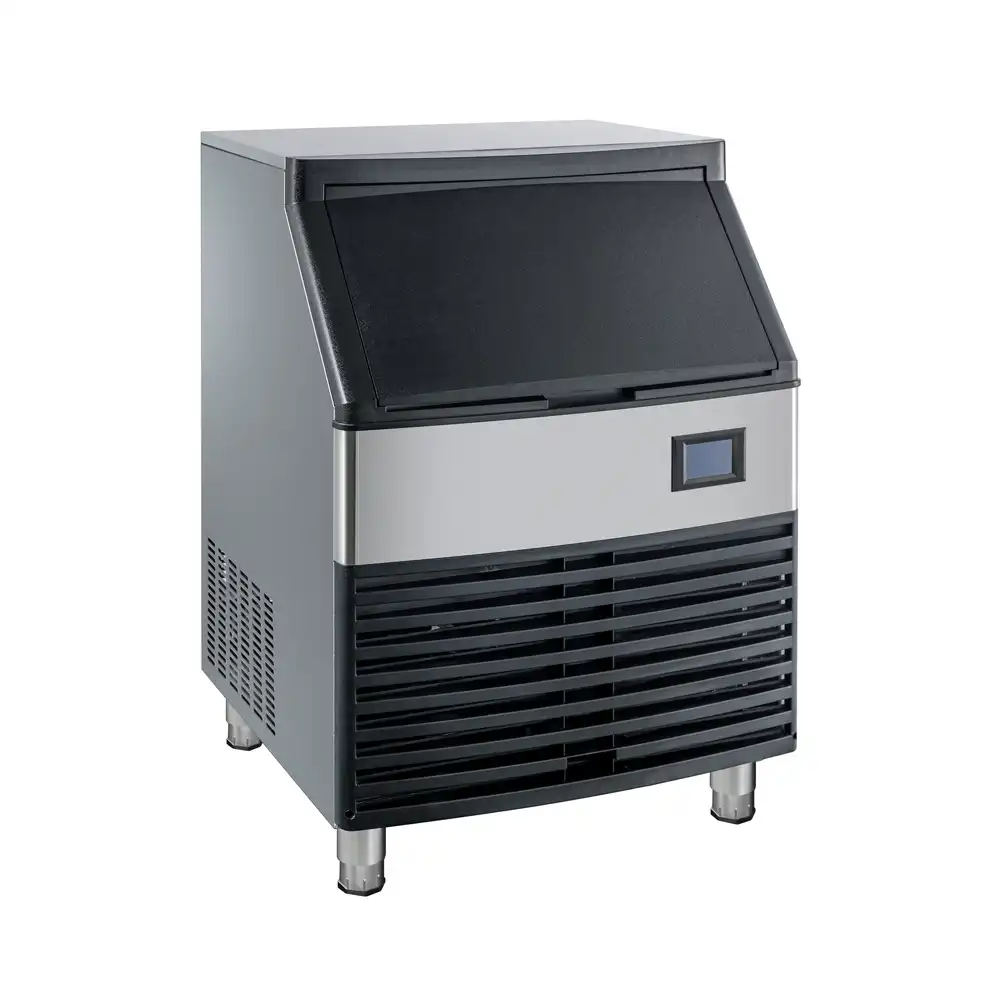
Calculating your bar’s daily ice requirement is the first step. A busy cocktail bar serving 200–300 drinks per shift typically consumes 100–150 kg of ice. This includes ice for shaking, stirring, and filling glasses, plus chilling glassware and topping off ice bins. In our experience working with bar owners globally, we’ve noticed a common mistake: they base purchasing decisions on average daily consumption, forgetting that Friday and Saturday nights often demand twice the ice. A machine that barely meets weekday volume will underproduce when the bar is busiest. Adding a 20–30% buffer to your peak-day estimate prevents shortages that frustrate customers. The capacity specification should also consider ice storage bin size. If the bin holds 45 kg and the machine produces 100 kg per day, the operator must plan production cycles so ice is ready before the rush.
Components That Determine Ice Maker Reliability
Ice maker reliability starts with the compressor. This is the heart of the machine, and its quality directly affects lifespan and cooling efficiency. In commercial machines, we specify compressors from brands like Cubigel, known for durability under continuous operation. Cheaper imports often cut corners with unbranded compressors that overheat and fail within a few years. Beyond the compressor, the evaporator material matters: our FB210A model uses a high-performance copper-nickel evaporator, which transfers heat faster and resists corrosion better than standard aluminum designs.
Insulation integrity is another hidden factor. Machines with thin, low-density foam insulation lose cold through the cabinet walls, forcing the compressor to cycle more often and wearing it out. We use polyurethane/cyclopentane CFC-free foam insulation with a minimum thickness that meets commercial standards. This energy-efficient design keeps ice frozen longer during door openings and reduces electricity costs.
Water management technology also impacts reliability. A water-flow ice-making system, like the one in our FB210A, increases production capacity by about 10% compared to static spray systems while reducing mineral scale build-up on the evaporator. Machines with self-cleaning functions further protect components by flushing the water circuit automatically.
A comparison table illustrates the expected impact of component quality:
| Component | Standard Quality | High-End | Impact on Lifespan |
|---|---|---|---|
| Compressor | unbranded | Cubigel / Embraco | +3–5 years |
| Evaporator | aluminum | copper-nickel | +2 years (corrosion resistance) |
| Insulation | 30mm EPS | 50mm polyurethane | Reduced compressor cycles, longer lifespan |
| Water system | static spray | water-flow with self-cleaning | Fewer service calls for scale cleaning |
When evaluating ice makers, ask the manufacturer for specifics on these internal components, not just final capacity figures.
Food Safety and Water Filtration for Ice Makers
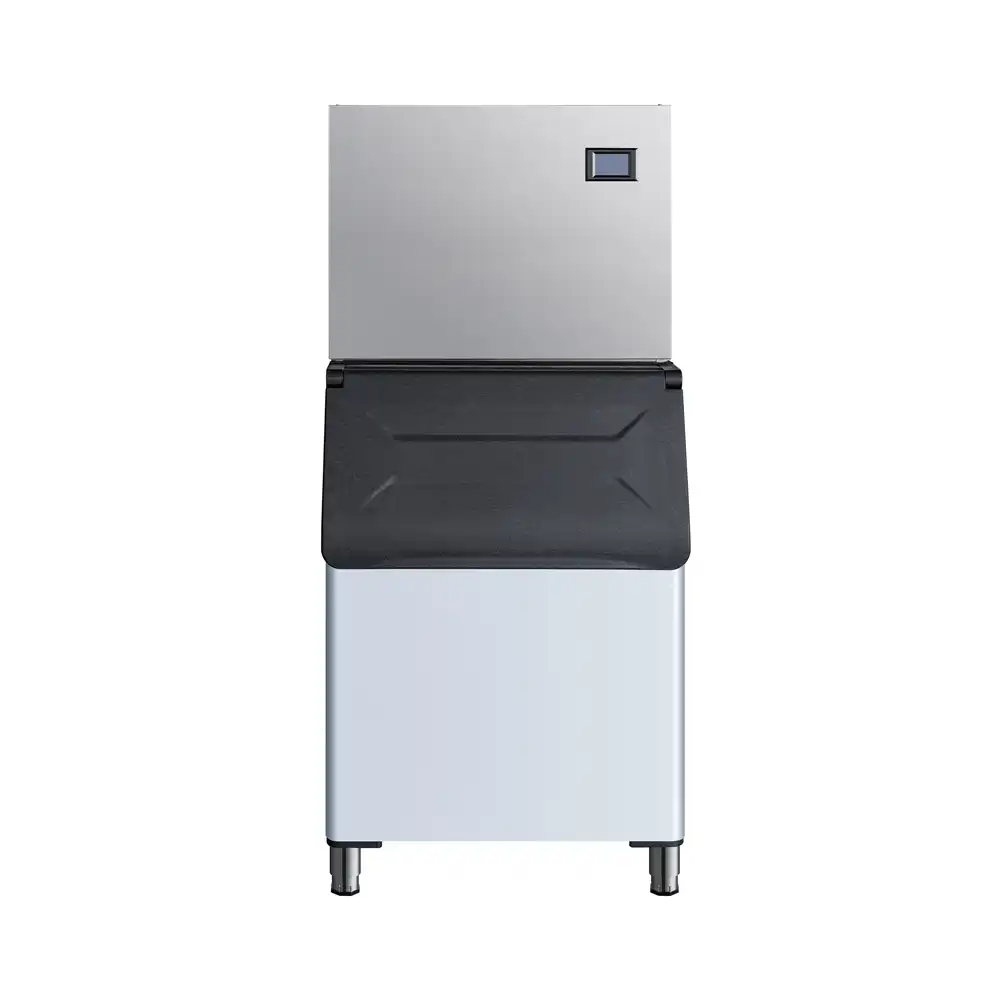
Bars serve ice that goes directly into drinks, so food safety is non-negotiable. In most jurisdictions, commercial ice makers must meet NSF/ANSI sanitation standards. Look for machines with smooth, food-grade stainless steel interiors that resist bacterial growth. The water that enters the ice maker should be filtered to remove sediment, chlorine, and minerals. Unfiltered water leads to cloudy, bad-tasting ice and accelerates limescale build-up inside the machine, which then becomes a breeding ground for biofilm.
From our manufacturing side, we solve this with a water-flow system that circulates water during freezing, reducing contact time and mineral precipitation. The FB210A also includes a self-cleaning cycle that flushes the water circuit, a feature that significantly cuts labor for bar staff. Even with these built-in protections, external water filtration remains essential. When specifying a machine, confirm that the water inlet connection is compatible with standard filtration systems and that the manufacturer provides guidance on water quality requirements. Poor water quality can shorten a compressor’s life by clogging the condenser and reducing heat exchange efficiency.
If your bar’s water is particularly hard or your menu demands a specific ice shape, confirming compatibility with the manufacturer before ordering saves costly retrofits. Reach out to our team at Sales@hzcamay.com to discuss your water conditions and ice type requirements.
Maintenance Routines for Consistent Ice Production
Even the best-built ice maker needs regular maintenance to stay reliable. A common oversight is neglecting the condenser coil. In bars, airborne grease and dust accumulate on the coil, reducing heat dissipation and causing the compressor to overheat. We recommend cleaning the condenser monthly and checking the water filter every three months.
Scale build-up inside the ice-making zone is another silent killer. Hard water deposits insulate the evaporator, forcing longer freeze cycles and wasting energy. A machine with accessible cleaning ports and a removable anti-dust mesh, like ours, makes monthly maintenance practical. We’ve seen bars extend machine life by 3–5 years simply by following a strict cleaning schedule.
Also, periodically inspect the water inlet valve and pump; a failed pump can starve the evaporator and cause the ice to come out thin or nonexistent. Implement a logbook for maintenance actions, and if the machine uses digital controls, monitor error codes for early warning of issues.
Evaluating Ice Maker Manufacturer Support and Warranty
Long-term reliability is also about what happens after the purchase. A manufacturer that offers a solid warranty and readily available spare parts indicates confidence in their product. Look for at least a one-year compressor warranty, but also check whether the company stocks spare parts like water pumps, sensors, and door gaskets. In our role as an OEM/ODM manufacturer, we supply machines globally and ensure that critical components are replaceable, not just the whole unit.
The after-sales service structure matters. Camay, for instance, provides a 13-month warranty with a free spare parts proportion and permanent online technical support. This backing means that if a bar’s ice maker stops during peak season, the issue gets resolved quickly rather than waiting weeks for parts. When comparing options, ask about the manufacturer’s service network in your region and how they handle spare parts logistics. This is especially important for bars located in remote areas. A reliable ice maker with solid support protects customer satisfaction not just today, but for years to come.
If your bar’s ice supply has ever failed on a busy night, you know the damage it does to customer trust. The right ice maker, built with commercial-grade components and backed by responsive support, changes that equation. At Camay, we engineer ice machines for consistent, high-volume output and stand behind them with direct manufacturer support. To discuss a machine configured for your bar’s peak demand and ice shape preferences, contact us at +8618157202219 or Sales@hzcamay.com and share your requirements with our engineering team.
Common Questions About Commercial Ice Makers for Bars
How much ice does a typical bar need per day?
A bar serving 200–300 drinks per day typically needs 100–150 kg of ice. This includes ice for mixing, chilling glasses, and topping off bins. We always recommend adding a 20–30% buffer for peak weekends. The Camay FB210A, for example, produces 100 kg per day with 45 kg storage, which suits small to medium bars. If your bar frequently runs out on weekends, consider a machine with higher daily production and a larger storage bin.
What type of ice is best for cocktails?
Cube ice, especially 22mm solid cubes, chills drinks effectively without diluting them too quickly. Nugget ice, while popular for soft drinks, melts faster and is less ideal for premium cocktails where drink integrity matters. When ordering, confirm the ice cube dimensions with the manufacturer so the machine matches your menu’s needs. Our cube ice makers produce firm, slow-melting cubes that bartenders prefer for consistent drink quality.
How often should a commercial ice maker be cleaned?
Every 3–6 months, depending on water quality and usage. Machines with self-cleaning functions reduce the manual effort, but deep cleaning of storage bins and water lines is still required every year. Regular cleaning prevents biofilm and scale, which directly affect ice taste and machine reliability. In bars where water is hard, we’ve seen cleaning intervals tighten to every two months to prevent limescale from blocking sensors.
What causes an ice maker to break down during peak hours?
The most common causes are compressor overheating from dirty condenser coils, water pump failure from scale build-up, or refrigerant leaks from poor-quality brazing. In our manufacturing experience, ice makers using high-quality copper-nickel evaporators and branded compressors experience far fewer field failures. If your current machine shows early signs of these issues, consider confirming your unit’s maintenance history with the manufacturer or exploring machines designed with commercial-grade components that come with extensive support.
If you’re interested, check out these related articles:
Choosing the Best Commercial Reach In Fridge for Your Restaurant
How to Choose the Best Chef Base Refrigerator for Your Kitchen
Boost Efficiency Energy Efficient Chef Base Units for Commercial Kitchens