

In the seconds it takes a bartender to walk to a back-of-house cooler and pull a chilled bottle, a customer at the bar may decide to order from someone else. Compact undercounter refrigerators solve that problem by placing cold beverages within arm’s reach, directly at the point of service. But simply sliding any small fridge under the counter does not guarantee faster service. The unit’s door configuration, internal organization, cooling recovery rate, and ability to withstand constant opening all determine whether a bar team can keep up during peak hours. In twenty-six years of commercial refrigeration manufacturing, I have seen that the difference between a unit that slows down service and one that speeds it up comes down to specifics that most buying guides overlook.
How Compact Refrigerators Fit Into Bar Workflow
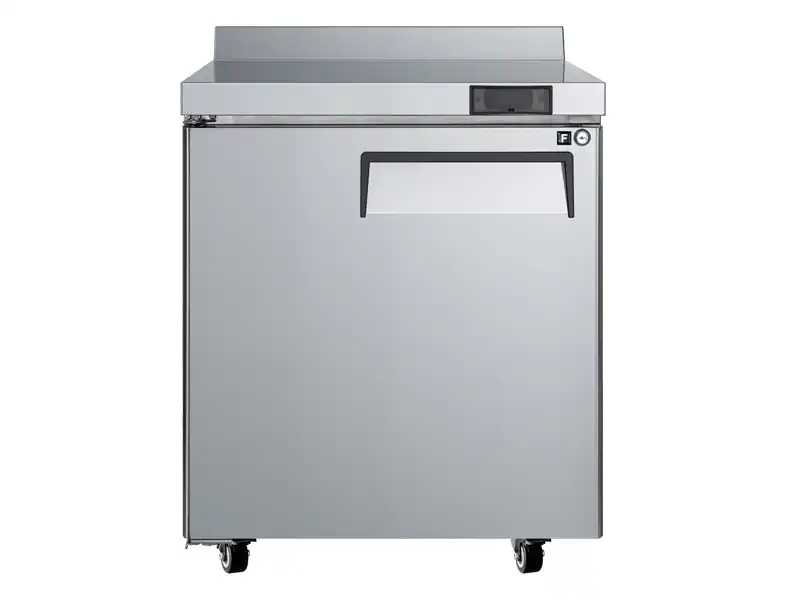
Bar efficiency is measured in steps. Every extra movement a bartender makes behind the counter adds to the time it takes to serve a drink. Compact refrigerators that can be placed directly under the counter or built into the back bar eliminate the walk to a remote walk-in cooler or distant reach-in unit. The most effective layouts put frequently ordered brands, mixers, and garnishes within a single pivot and reach. In our work with bar operators, we often find that even moving a refrigerator from three steps away to directly below the main well can reduce per‑drink service time by several seconds. Over a full shift, those seconds translate into dozens more drinks served and higher table turnover.
But the unit must match the specific workflow. For bars that serve mostly bottled beer and canned cocktails, a solid‑door undercounter refrigerator with adjustable shelving works well. For bars where bartenders need to see inventory at a glance, a glass‑door back‑bar cooler saves time by removing the need to open doors just to check stock. The cooling system also needs to recover quickly after each door opening. A unit that takes several minutes to return to setpoint after a single pour will gradually warm drinks during a rush, hurting both taste and service speed.
Specifications That Directly Affect Beverage Service Speed
Not all compact refrigerators are designed for high‑cycle use. When selecting a unit for a bar, I look at three specifications first: door configuration, internal layout, and temperature recovery.
Door design matters more than most operators realize. A self‑closing door with a recessed handle lets a bartender open the cooler with one hand, grab a bottle, and let the door shut on its own, keeping cold air inside. The number of doors also matters. A single full‑width door on a narrow unit requires the bartender to step back to open it fully. In a tight bar, a two‑door configuration on a wider unit allows each bartender to access a separate compartment without disturbing the other’s section. This is where undercounter refrigerators like our MTR‑48, with two self‑closing solid doors, work better than a single‑door unit for a two‑bartender station.
Inside the cabinet, shelving must accommodate standard bottle sizes without wasting vertical space. Adjustable shelves let you configure the unit for tall wine bottles or short beer cans as the menu changes. Models with pre‑installed shelves, such as our MTR‑72, save setup time and provide consistent spacing for most beverage formats. If your bar relies on chilled glassware, a unit with a dedicated rack for plates or glasses can eliminate the need for a separate glass chiller.
The temperature control system is equally important. Smart digital controllers, which we include across our Camay undercounter range, maintain a steady 0.5°C to 5°C (33°F to 41°F) with minimal fluctuation. In environments where the ambient temperature exceeds 38°C (100°F), a ventilated cooling system with a robust compressor such as the Cubigel used in our units recovers faster than a static plate evaporator. This difference becomes noticeable during the hottest summer weekends, when a slow‑recovering fridge will struggle to hold drinks at the ideal serving temperature.
Build Quality and Long‑Term Reliability for High‑Volume Bars
Bar refrigeration runs harder than most other commercial kitchen equipment. Doors open and close hundreds of times per shift, and units often sit in high‑traffic areas where they take bumps from stools and cleaning equipment. Build quality directly affects how long the refrigerator maintains tight temperature control and quiet operation.
A stainless‑steel exterior and interior, rather than a painted metal liner, resists corrosion from spilled beer and cleaning chemicals. We manufacture our undercounter refrigerators entirely in stainless steel so that they stand up to daily sanitization routines without rust developing at the seams. The insulation material also matters. Polyurethane foam with cyclopentane as a blowing agent, which we use in all Camay refrigerators, provides higher R‑value per inch than fiber‑based insulation, which means the compressor runs less often and the cabinet holds temperature longer when the doors are opened.
Compressor reliability is another factor that gets overlooked until a unit fails on a Friday night. The Cubigel compressors we install across our undercounter line are designed for continuous operation in hot ambient conditions. They also pair with the R290 refrigerant to achieve the energy efficiency needed for units that run 24 hours a day. In my experience, a bar that chooses a compact refrigerator with a commercial‑grade compressor and properly sealed insulation will avoid the majority of mid‑service breakdowns that lead to warm beer and lost revenue.
If your bar operates in a coastal climate or has high humidity, confirming the compressor specifications and insulation rating with a manufacturer before finalizing your order is prudent — reach out at Sales@hzcamay.com.
Comparing Common Undercounter Capacities
Bar size determines the capacity you need. The table below compares two popular Camay undercounter refrigerator models to illustrate how dimensions and door count affect the usable volume.
| Specification | Camay MTR‑48 | Camay MTR‑72 |
|---|---|---|
| Capacity | 368 L / 13.00 Cuft | 576 L / 20.34 Cuft |
| Exterior Dimensions (W×D×H) | 1225×787×872 mm | 1846×787×872 mm |
| Interior Temperature | 0.5°C to 5°C | 0.5°C to 5°C |
| Doors | 2 self‑closing solid doors | 3 self‑closing solid doors |
| Shelves | 2 pre‑installed, adjustable | 3 pre‑installed, adjustable |
| Compressor | Cubigel | Cubigel |
A bar with a three‑foot‑wide undercounter space and one bartender may be well served by a two‑door MTR‑48, which stores about 13 cubic feet of product while leaving room for the bartender to move. A wider station with two bartenders often benefits from the three‑door MTR‑72, which holds over 20 cubic feet and allows each bartender to access separate sections without crossing over each other.
Installation and Placement That Keep Service Moving
Where the refrigerator sits in the bar layout affects both speed and ergonomics. The ideal location puts the refrigerator directly along the path between the well and the POS terminal, so that the bartender’s natural movement draws them past the drink cooler without extra steps. In bars with a narrow footprint, a sliding‑door undercounter unit placed beneath the counter top is easier to open than a swing door, though sliding doors typically cost more.
Leave at least one inch of clearance on all sides for ventilation. A unit squeezed tightly into a cavity without airflow will overheat the condenser and reduce cooling efficiency. In our factory tests, proper ventilation can extend compressor life by 15 to 20 percent in continuous‑use scenarios. We also recommend units mounted on casters for bars that reconfigure their layout seasonally. Moving a refrigerator on casters for deep cleaning or layout changes avoids straining staff and allows the bar to adapt to different event setups.
Maintenance Habits That Prevent Peak‑Hour Downtime
Compact refrigerators in bars collect dust, beer residue, and paper labels that can block condenser coils and door gaskets. A simple weekly cleaning routine keeps the unit running reliably.
Remove and wash the removable gasket once a week with mild soap and water. A dirty gasket loses flexibility and fails to seal, forcing the compressor to cycle more frequently. Every two weeks, vacuum the condenser coil at the front or rear of the unit. A blocked coil can raise operating temperatures by several degrees and increase energy consumption by up to 30 percent. The rounded inner corners in our Camay models make wiping down the cabinet interior quick, preventing mold and odor buildup that could affect the aroma of open garnish containers.
We also recommend checking the digital temperature display daily at opening. If the reading drifts more than 2°C (3.6°F) above the setpoint after the unit has been closed for an hour, a technician should inspect the refrigeration circuit. Catching a refrigerant leak or a failing sensor early avoids a complete failure during peak service. Bars that keep a spare gasket and a basic troubleshooting guide on hand can usually resolve common issues within minutes rather than waiting for a service call.
Frequently Asked Questions About Compact Bar Refrigeration
What is the ideal temperature range for a bar compact refrigerator?
For most served beverages, a range of 0.5°C to 5°C (33°F to 41°F) keeps beer, wine, and mixers cold without freezing bottles. Some bars prefer the lower end of this range for draft system coolers, while ready‑to‑drink canned cocktails and white wine do better around 3°C to 44°F. Freezer units that drop below −18°C (0°F) are for ice cream or frozen ingredients, not general beverage service. Digital controllers allow you to set and monitor the exact temperature, which helps avoid the guesswork of a dial thermostat.
Should I choose a solid door or glass door for my bar fridge?
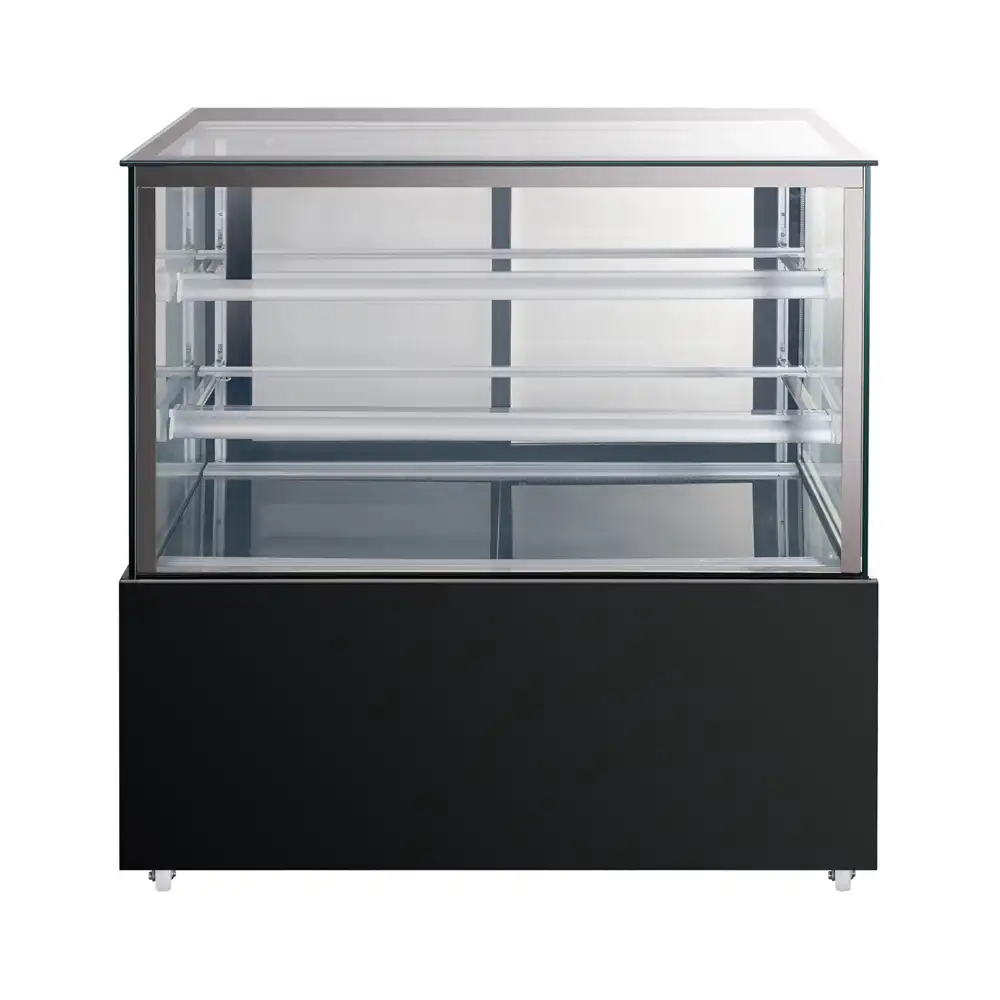
In many bars, bartenders open the refrigerator door to check what is inside before taking an order. A glass door eliminates that step because inventory is visible at a glance, but it also exposes drinks to ambient light and may show condensation in humid environments. Solid doors insulate better and protect product from heat, so for undercounter units that sit below an ice well or bar top, a solid self‑closing door usually performs better. I recommend glass doors for back‑bar display coolers that face customers and solid doors for undercounter units that are out of sight.
Can an undercounter refrigerator be installed directly under a bar counter?
Yes, but only if the manufacturer confirms the unit is designed for built‑in use. The refrigerator requires clearance around the condenser for ventilation. Undercounter models with front‑venting ventilation, such as those we build with ventilated cooling systems, can be installed under a counter as long as there is at least one inch of space above and on each side. Avoid enclosing the back completely unless the installation manual specifically permits it. Adding casters instead of legs makes it easier to pull the unit out for servicing while maintaining the same under‑counter opening.
How do I maintain a compact refrigerator in a high‑volume bar to prevent breakdowns?
The most important tasks are cleaning the condenser coil every two weeks, checking the door gasket for tears, and monitoring the temperature display daily. In bars where we have seen units run reliably for over five years without a major repair, the common thread is that staff treat the refrigerator as a piece of production equipment, not a storage cabinet. A quick visual check of the drip tray and evaporator drain at closing prevents mold and blockages that lead to water pooling inside the cabinet. If your bar operates in a dusty or sandy environment, consider a more frequent coil‑cleaning schedule. Share your floorplan and daily beverage volume with us at Sales@hzcamay.com, and we will help you select an undercounter unit and configure it for your service flow.
If you’re interested, check out these related articles:
Heavy Duty Chef Base Refrigeration for Efficient Commercial Kitchens
Chef Base Fridge vs Undercounter Fridge Which Is Best for Your Kitchen
Essential Maintenance Tips for Your Commercial Chef Base Refrigerator
Essential Maintenance Tips for Commercial Reach In Refrigerators
Essential Commercial Chef Base Fridge Installation Tips