

A bar back bar refrigerator runs 24 hours a day, often tucked into tight spaces with limited ventilation, and its energy consumption directly hits your operating margin every single month. I have spent more than twenty-six years in commercial refrigeration manufacturing, and I can tell you that the decisions made on the factory floor, the gauge of stainless steel specified, the compressor paired with the refrigerant circuit, and the insulation density foamed into the cabinet walls, determine whether that unit will still hold temperature efficiently five years from now or become a service headache. Most buying guides will list capacity and temperature ranges for you. This article goes a step further: it explains what manufacturing choices separate a back bar cooler that runs quietly and cheaply from one that slowly burns through your utility budget and your patience, so you can evaluate equipment with a sharper eye before committing a purchase order.
What Defines an Energy-Efficient Back Bar Refrigerator
Energy efficiency in a back bar cooler is not just about the rating sticker. It is the cumulative result of insulation quality, compressor matching, and how the refrigeration system manages heat rejection in the environment where the unit actually sits. I have walked through hundreds of production lines, and the difference between a unit that sips power and one that runs hot is often invisible unless you know where to look.
The insulation foam inside the cabinet walls is the first place I check. High-density polyurethane foam, injected without voids and with a cyclopentane blowing agent, delivers a thermal barrier that keeps cold air inside and ambient heat outside. The foam thickness matters too. In the Camay units we manufacture, the insulation layer is formulated for consistent cell structure across every square inch of the cabinet, which prevents the thin spots that become thermal bridges. A thermal bridge is just a polite way of saying your compressor runs longer because cold is leaking through the wall.
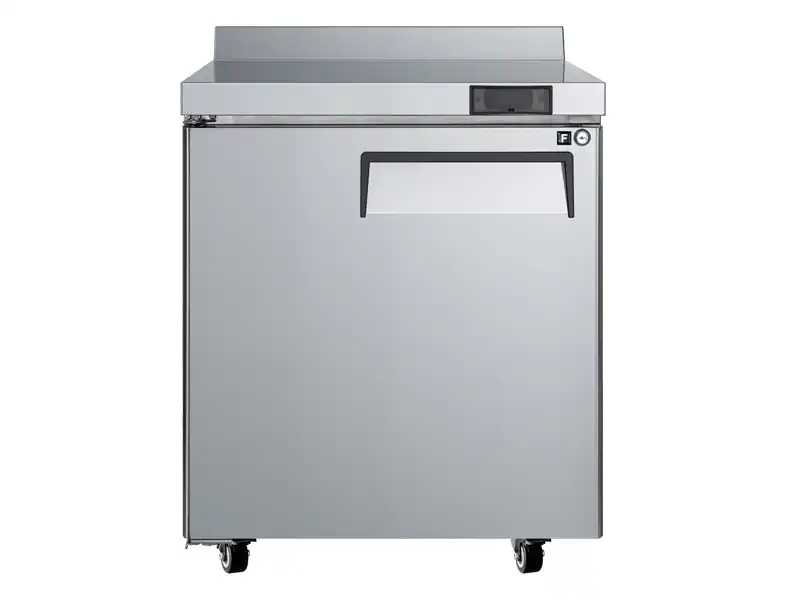
The compressor and refrigerant combination is the second major factor. R290 refrigerant, which is a natural hydrocarbon, transfers heat more efficiently than older HFC refrigerants, and it requires less compressor work to achieve the same pull-down. When paired with a correctly sized compressor from a supplier like Cubigel, the system draws fewer amps during every cooling cycle. Over a year of 24/7 operation in a busy bar, that amp difference compounds into real money. I recommend asking the manufacturer for the unit’s daily kilowatt-hour consumption at a 38°C ambient temperature, not just the Energy Star certification. The certification tells you it passes a threshold. The kWh figure tells you what your electric bill will actually look like.
| Efficiency Factor | What to Verify | Why It Matters |
|---|---|---|
| Insulation type | Polyurethane with cyclopentane, CFC-free | Prevents thermal bridging and cold loss |
| Refrigerant | R290 or equivalent hydrocarbon | Lower compressor workload per cooling cycle |
| Compressor brand | Cubigel, Embraco, or SECOP | Proven durability under continuous operation |
| Door seal design | Removable gasket, full-perimeter contact | Eliminates air infiltration at the seal |
| Ambient rating | Climate class ST~T, rated to 38°C | Ensures performance in hot bar environments |
The door sealing system is easy to overlook. A gasket that does not seat fully around all four edges of the door frame allows moist ambient air to enter the cabinet. That air carries heat and humidity, and the refrigeration system must work harder to remove both. Removable gaskets also simplify cleaning and replacement over the unit’s service life, which keeps the seal performing year after year.
Manufacturing Quality Markers That Signal Long-Term Reliability
When I review a back bar refrigerator from a manufacturing perspective, I look past the spec sheet and focus on fabrication details that correlate directly with how many years the unit will operate without a major failure. These markers are the same ones our OEM partners ask about during factory audits, and they separate equipment built for heavy commercial use from equipment built to meet a price point.
The stainless steel grade and thickness set the baseline. A cabinet made from 304 stainless steel, with a thickness that resists denting when kegs or cases bump against it during a busy service, will still be square and properly sealed after five years. Thinner-gauge 201 or 430 stainless costs less upfront but does not hold its shape as well in high-traffic bar environments. The interior floor should have rounded corners rather than sharp 90-degree angles, because rounded corners eliminate the crevices where spilled beer and condensation collect and eventually corrode the metal.
The refrigeration system assembly tells me how much engineering attention went into the unit. I always check whether the condenser coil is positioned for easy access during routine cleaning. A coil buried behind a fixed panel will accumulate dust and reduce heat rejection efficiency, and nobody cleans what they cannot reach. The evaporator fan should move air through the cabinet without creating dead zones where bottles at the back stay warmer than bottles at the front. In our ventilated cooling systems, the fan placement and cabinet airflow path are designed together so that return air pulls across the full width of the evaporator coil, which keeps temperature differential tight throughout the cabinet.
The electrical and control system is the third quality gate. A smart digital controller with a clear LED display lets bar staff confirm the internal temperature at a glance. More importantly, the controller should protect the compressor with a short-cycle delay, so that if the door is opened repeatedly during a rush, the compressor does not hammer itself on and off. That single protection feature extends compressor life more than most operators realize. If your program involves placing units in locations without dedicated staff monitoring, a unit with optional IoT connectivity lets you track temperature trends remotely and catch a failing component before it causes product loss.
How Compressor Choice Affects Operating Costs Over Time
The compressor is the single most expensive component to replace and the one that dictates the unit’s daily energy draw. In twenty-six years, I have seen bars save more money by choosing the right compressor up front than by any other single specification decision.
A reciprocating compressor from a established manufacturer like Cubigel or Embraco is the standard for back bar coolers in the 200 to 600-liter range. These compressors are designed for continuous cycling in commercial environments, with internal components rated for the start-stop frequency that bar service demands. The alternative, a lower-cost compressor from an unbranded source, may meet the initial temperature specification but wears faster under the thermal cycling that occurs when the door opens frequently during peak hours.
Compressor sizing is just as important as compressor brand. An undersized compressor runs longer cycles and never quite achieves deep pull-down on hot days. An oversized compressor cycles too frequently because it reaches setpoint quickly and then shuts off, and those short cycles cause more wear than sustained runs. The correct sizing matches the compressor’s capacity to the cabinet’s internal volume and the expected heat load from door openings and product loading. For a typical back bar cooler holding bottled beer and mixers, the heat load is moderate but consistent, and the compressor should be matched to maintain 0.5°C to 5°C at a 38°C ambient without running more than 70% of the duty cycle during normal operation.
The compressor’s relationship with the condenser is another detail that affects long-term costs. In an air-cooled system, the condenser rejects heat into the surrounding room, and if the bar does not have adequate air circulation behind the unit, the condenser struggles. I always advise checking the manufacturer’s clearance specifications for rear and side ventilation, and then measuring the actual space in the bar before ordering. A unit installed with insufficient clearance will pull higher amps and shorten compressor life, regardless of how well the compressor was built.
Sizing Your Back Bar Cooler to Match Service Volume
Capacity is more than the number of bottles the cabinet holds. The right size balances storage volume against the physical footprint available behind the bar and the speed at which stock turns over during service. A unit too small frustrates bartenders who run out of cold product mid-shift. A unit too large wastes floor space and electricity cooling empty air.
For a bar serving 100 to 200 drinks per shift, a single-door back bar cooler in the 200 to 350-liter range typically provides adequate capacity for bottled beer, white wine, and mixers. Bars running higher volume or stocking a broader selection should look at double-door units in the 350 to 500-liter range, which offer more shelf flexibility and reduce the frequency of restocking from the walk-in. Triple-door units above 500 liters are suited for high-volume venues, nightclubs, and hotel bars where multiple bartenders pull from the same cooler simultaneously.
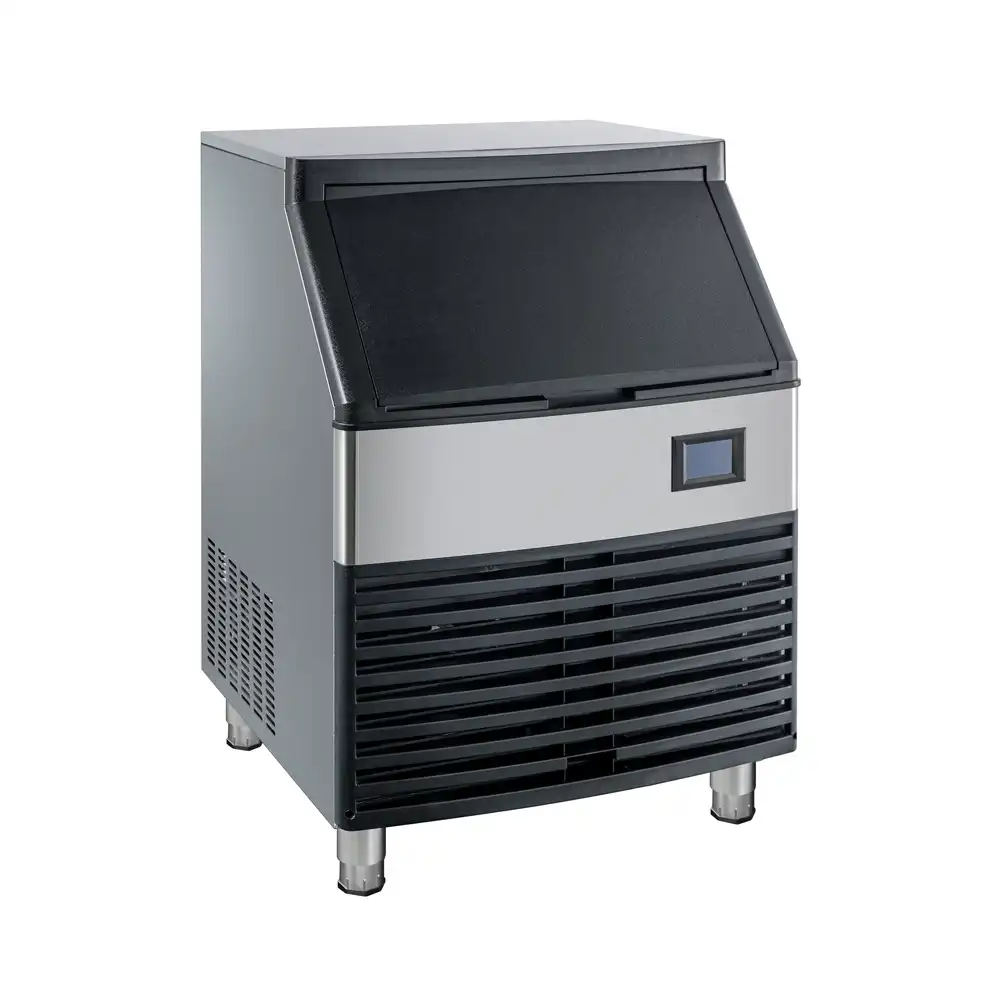
The shelf configuration inside the cabinet deserves as much attention as the total liter capacity. Adjustable or removable shelves that fit standard bottle heights allow you to reconfigure the interior as your beverage program changes. Fixed shelves at awkward heights waste vertical space and force bartenders to stack bottles inefficiently. I also recommend confirming the shelf material. Epoxy-coated wire shelves cost less but chip over time and expose steel that rusts in the humid interior environment. Stainless steel or aluminum shelves hold up better.
The footprint dimensions must be checked against the actual bar layout, not just the floor plan drawing. Measure the depth from the back wall to the front of the bar counter, and subtract the thickness of any baseboard or plumbing that reduces usable depth. Back bar coolers with front-breathing ventilation designs can be installed closer to the wall, which recovers several inches of floor space compared to rear-breathing models that require a larger air gap.
Glass Door vs. Solid Door: Which Configuration Fits Your Bar
The choice between glass and solid doors is not just about aesthetics. It affects energy consumption, product visibility, and how the unit performs under different service styles. I have supplied both configurations to bars across multiple markets, and the right answer depends on how the bar operates, not on which door looks better in a catalog.
Glass door back bar coolers let customers see the product, which encourages impulse purchases in bar settings where patrons face the back bar. The visibility also helps bartenders identify stock levels without opening the door, reducing the number of door openings and the associated cold air loss. The trade-off is that glass conducts heat more readily than an insulated solid door, so the refrigeration system works slightly harder to maintain temperature, and the glass must be heated or coated to prevent condensation in humid environments. A unit with double-pane or low-E glass and an anti-fog heating element adds cost but prevents the fogged-up door that defeats the purpose of having glass in the first place.
Solid door back bar coolers prioritize insulation performance and are typically chosen for back-of-house applications or bars where the cooler is positioned below sight line. The solid door sandwiches insulation between two stainless steel skins, which provides a better thermal barrier than any glass assembly can achieve. Solid door units generally draw fewer kilowatt-hours per day than equivalent glass door units, all else being equal. They also eliminate the need for anti-condensation heating, which is an additional energy load on glass door models.
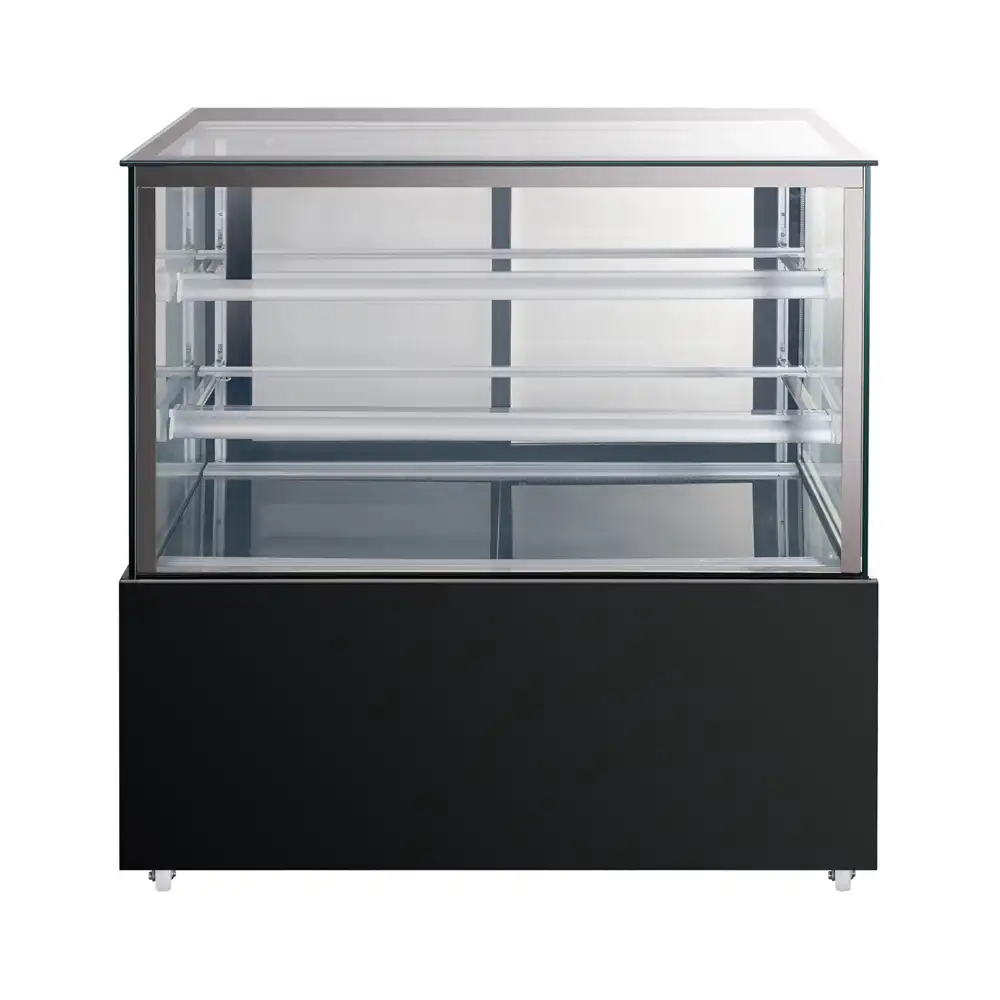
If your bar operates in a climate with high ambient humidity, or if the back bar area receives direct sunlight during the day, a solid door unit simplifies temperature management and reduces the risk of condensation problems. If customer-facing display and impulse sales are priorities, invest in a quality glass door unit with proper anti-fog protection and accept the modest energy premium. Some venues split the difference, using a glass door unit for the customer-facing back bar and solid door units for under-counter storage in the same service area.
What to Confirm Before Finalizing Your Bar Refrigeration Purchase
After evaluating efficiency, build quality, compressor selection, sizing, and door configuration, the final step before placing an order is confirming that the manufacturer’s claims translate to your specific operating environment. I recommend requesting three pieces of documentation from any supplier you are seriously considering.
First, ask for the unit’s performance data at your expected ambient temperature, not just at the standard 25°C test condition. A bar kitchen or back bar area that regularly hits 32°C during summer service will push a unit harder than a climate-controlled 22°C showroom. The manufacturer should be able to provide pull-down time, cycle frequency, and daily energy consumption data at the higher ambient.
Second, confirm the warranty terms on the compressor and the sealed system. A five-year compressor warranty signals that the manufacturer stands behind the component selection and system design. Short warranties on the sealed system often indicate that the manufacturer is using thinner tubing or lower-quality brazing that is more prone to refrigerant leaks over time.
Third, verify the availability of replacement parts and technical support in your region. A unit that requires a gasket or a fan motor shipped from overseas with a six-week lead time will cause more operational disruption than a slightly higher purchase price from a supplier with local parts inventory. At Camay, we maintain spare parts stock and provide technical support through email at Sales@hzcamay.com and by phone at +8618157202219. If your project involves a specific bar layout or multi-unit rollout, sharing your floor plan and volume projections lets us confirm the right configuration before you commit, which avoids the most common sizing and placement mistakes I have seen across decades of bar installations.
Common Questions About Commercial Back Bar Refrigerators
How much electricity does a back bar refrigerator actually consume per day?
A well-insulated single-door back bar cooler running R290 refrigerant and a Cubigel compressor in a 25°C ambient typically draws between 2.5 and 4.5 kilowatt-hours per day depending on door openings and product loading. At 38°C ambient, daily consumption can rise to 5 to 7 kWh. The exact figure depends on door type, insulation quality, and how frequently the door is opened during service. I always suggest asking the manufacturer for daily kWh figures at both 25°C and 38°C ambients so you can model your actual operating costs rather than relying on the Energy Star rating alone.
Does a glass door back bar cooler cost significantly more to run than a solid door unit?
The energy difference is measurable but not dramatic in a well-built unit. Glass door models with double-pane low-E glass and anti-fog heating elements typically draw 8% to 15% more power than equivalent solid door units because the glass door assembly transfers more ambient heat into the cabinet. In a bar where product visibility drives sales, that premium is usually recovered through increased revenue. If the unit is positioned out of customer view, a solid door eliminates the energy penalty and the maintenance of anti-fog systems. The decision should follow your service style, not just the utility calculation.
What clearance do I need behind a back bar refrigerator for proper ventilation?
Most air-cooled back bar coolers require a minimum of 10 to 15 centimeters of clearance behind the unit for adequate condenser airflow. Some models with front-breathing ventilation can be placed closer to the wall, but you must confirm this with the manufacturer’s installation specifications for your specific model. Installing a unit with insufficient rear clearance is one of the most common causes of high energy consumption and premature compressor failure I encounter during factory troubleshooting calls. Measure the actual space behind the bar, accounting for baseboards and plumbing, before selecting a model.
How long should a commercial back bar refrigerator last in a busy bar?
A well-manufactured back bar cooler with a stainless steel cabinet, quality compressor, and proper installation should deliver eight to twelve years of reliable service in a busy bar environment with routine maintenance. The compressor typically reaches end of life first, and the cabinet structure often outlasts it. Units built with thinner-gauge steel, lower-density insulation, or unbranded compressors may show significant deterioration within three to five years. The cost difference between these two tiers, spread over the service life, makes the higher-quality unit substantially cheaper on a per-year basis.
Is R290 refrigerant safe for a bar environment with open flames and kitchen equipment nearby?
R290 is a natural hydrocarbon refrigerant with excellent thermodynamic properties and minimal environmental impact, but it is flammable and requires proper handling. In a properly sealed commercial refrigeration system, the refrigerant charge is small, typically under 150 grams for a back bar cooler, and the system is designed to contain it completely during normal operation. The safety risk in a bar environment is extremely low as long as the unit is installed and serviced by qualified technicians who follow the manufacturer’s procedures. The bigger practical consideration is that R290 systems require different service equipment and training than older HFC systems, so confirm that your local refrigeration technician is R290-certified before purchasing. If your bar has specific compliance or insurance requirements around flammable refrigerants, share those details with your supplier when requesting a quotation and we can confirm that the equipment meets the applicable standards for your jurisdiction.
If you’re interested, check out these related articles:
Essential Maintenance Tips for Your Commercial Chef Base Refrigerator
Heavy Duty Chef Base Refrigeration for Efficient Commercial Kitchens
Boost Savings with Energy Efficient Commercial Upright Freezers
Choosing the Best Commercial Reach In Fridge for Your Restaurant
Upright Freezer vs Refrigerator Key Differences Explained