

Hotel kitchens run 16 to 20 hours daily, and worktop refrigeration units account for a significant portion of that energy draw. The difference between a well-maintained stainless steel worktop with integrated refrigeration and a neglected one can reach 15 to 25 percent in monthly electricity costs. I have seen hotel operations cut their refrigeration energy bills substantially by addressing three factors most facility managers overlook: gasket integrity, condenser coil maintenance, and surface cleaning protocols that prevent thermal bridging. This article covers the specific practices that separate efficient hotel kitchen worktops from energy drains.
Why Hotel Kitchen Worktops Demand Different Maintenance Than Restaurant Units
Hotel kitchens face operating conditions that restaurant kitchens rarely encounter. Banquet service creates peak loads where worktop refrigeration units cycle continuously for 4 to 6 hours. Room service operations mean the kitchen never fully shuts down. Breakfast, lunch, dinner, and late-night service create four distinct temperature recovery cycles daily instead of the two cycles typical in standalone restaurants.
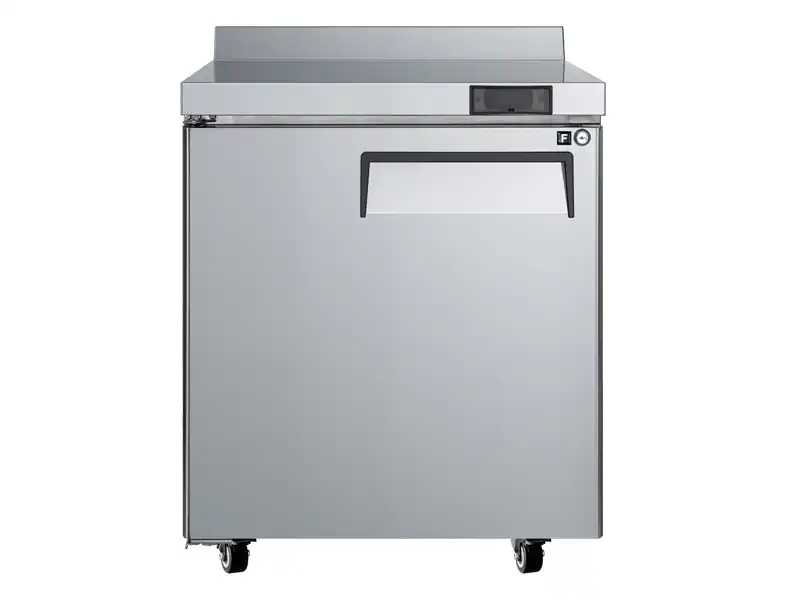
These conditions stress refrigeration components differently. Compressors in hotel worktop units run longer duty cycles. Door gaskets experience more open-close cycles per day. Condenser coils accumulate grease faster because hotel kitchens often position worktops near high-heat cooking stations to support banquet plating.
The Camay Commercial Worktop Refrigerator Cooler Fridge (Model MWTF-27-L) addresses these demands with a ventilated refrigeration system and Cubigel compressor rated for continuous commercial duty. The polyurethane and cyclopentane CFC-free insulation maintains cold retention even when doors open frequently during service rushes. But equipment specifications only establish the baseline. Actual energy performance depends on maintenance execution.
Gasket Inspection and Replacement Timing
Door gaskets fail gradually. A gasket that looks intact may have lost 30 percent of its sealing effectiveness through compression set, the permanent deformation that occurs when rubber remains compressed for extended periods. Hotel worktop units with self-closing doors experience compression set faster than units with manual doors because the gasket remains under constant pressure.
The dollar-bill test remains the most reliable field check. Close the door on a dollar bill at multiple points around the perimeter. If the bill slides out without resistance at any point, that section of the gasket has failed. I recommend testing at eight points: four corners and four midpoints.
Replacement timing matters more than most operators realize. A gasket operating at 70 percent effectiveness forces the compressor to run an additional 8 to 12 minutes per hour to maintain setpoint. Over a month, that adds up to 4 to 6 extra hours of compressor runtime daily. The energy cost of delayed gasket replacement typically exceeds the gasket cost within 60 to 90 days.
Removable gaskets, like those on the Camay worktop refrigerator line, simplify replacement and cleaning. Gaskets that require door removal for replacement often remain in service too long because maintenance staff defer the labor-intensive swap.
Condenser Coil Cleaning Frequency for Hotel Environments
Standard recommendations call for condenser coil cleaning every 90 days. In hotel kitchens, that interval is too long. Grease-laden air from nearby cooking equipment coats condenser fins faster than in typical commercial settings. I have measured coil fouling in hotel banquet kitchens that reduced airflow by 40 percent within 45 days.
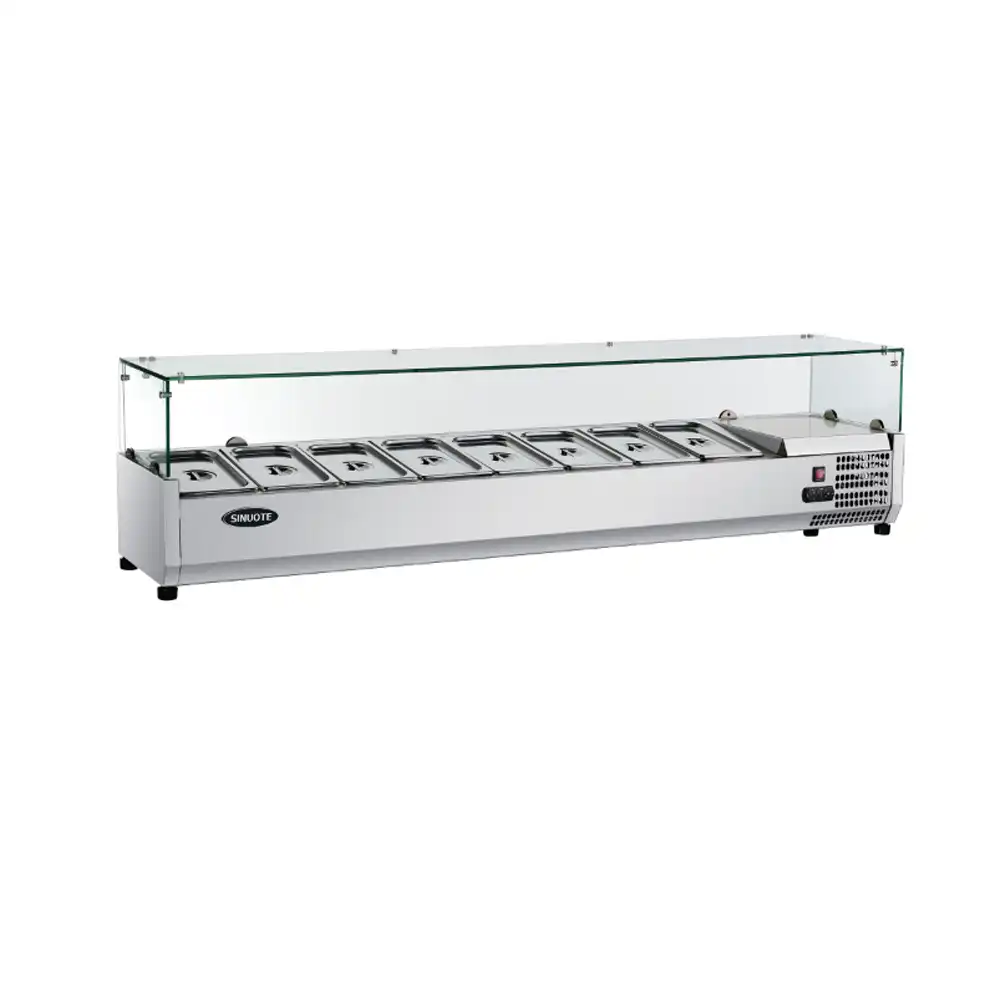
The cleaning procedure itself matters as much as frequency. Compressed air alone does not remove grease accumulation. A two-step process works best: first, apply a commercial coil cleaner formulated for food service environments, then rinse with low-pressure water after the cleaner has dissolved the grease layer. High-pressure water can bend condenser fins and create airflow restrictions worse than the fouling it removes.
Units with front air intake and side hot-air exhaust, like the Camay worktop models, simplify coil access. Rear-mounted condensers in tight kitchen layouts often go uncleaned because staff cannot reach them without moving the unit, and moving a loaded worktop refrigerator during service is impractical.
| Cleaning Interval | Kitchen Type | Expected Energy Impact |
|---|---|---|
| 30 days | High-volume banquet | Maintains baseline efficiency |
| 45 days | Full-service hotel | 5-8% efficiency loss before cleaning |
| 60 days | Limited-service hotel | 10-15% efficiency loss before cleaning |
| 90 days | Any hotel kitchen | 20-30% efficiency loss typical |
Surface Cleaning Protocols That Affect Thermal Performance
Stainless steel worktop surfaces require cleaning protocols that address both food safety and thermal performance. Most cleaning procedures focus exclusively on sanitation and ignore the thermal implications of residue buildup.
The worktop surface on integrated refrigeration units like the Camay 60″ Countertop Refrigerated Chef Base (Model MAR-60A) functions as part of the thermal envelope. The one-piece design with drip-resistant V edge prevents spills from reaching the insulation layer, but surface residue still affects heat transfer. A thin film of dried food residue or cleaning chemical residue acts as an insulating layer, forcing the refrigeration system to work harder to maintain the cold storage compartment below.
The cleaning sequence matters: first remove gross soil with a plastic scraper, then apply detergent solution, then rinse thoroughly, then sanitize, then dry completely. Skipping the rinse step leaves detergent residue that attracts and holds grease, creating a progressive buildup that many operators mistake for surface discoloration rather than a thermal performance issue.
Weekly deep cleaning should include the underside of the worktop surface where it meets the cabinet. This junction accumulates condensation and food debris that can compromise the seal between the work surface and the refrigerated compartment.
Temperature Control Settings and Energy Optimization
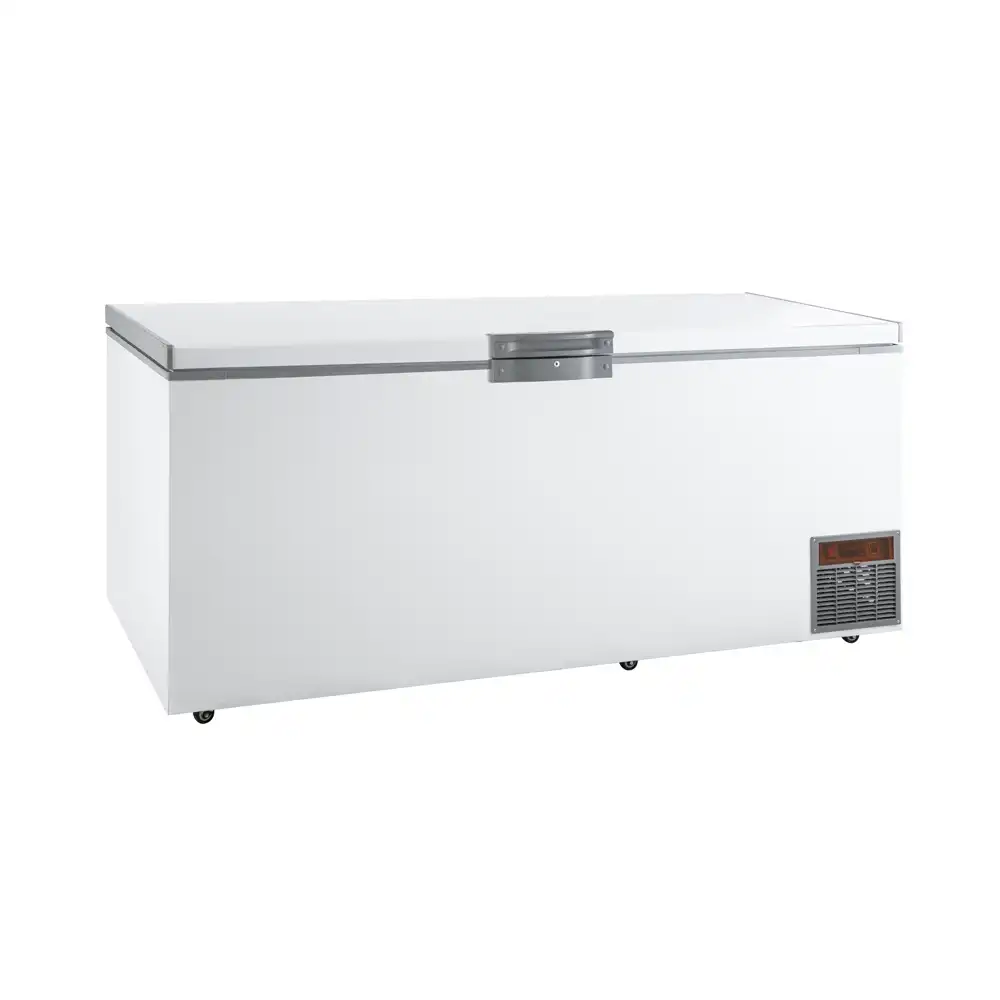
Digital temperature controllers with 0.1°C accuracy allow precise setpoint management, but many hotel kitchens run worktop refrigeration units colder than necessary. The food safety requirement for refrigerated storage is 5°C (41°F) or below. Running a unit at 2°C instead of 4°C increases energy consumption by approximately 8 to 12 percent with no food safety benefit.
The Camay worktop refrigerator maintains an optimal temperature range of 0.5°C to 5°C (33°F to 41°F). Setting the unit at 4°C provides a safety margin above the 5°C threshold while minimizing energy consumption. The smart digital temperature control system with optional IoT and WiFi functions allows remote monitoring to verify that units maintain setpoint without running colder than necessary.
Temperature recovery after door openings represents another optimization opportunity. Units with ventilated cooling systems recover faster than static systems because forced air circulation distributes cold air evenly throughout the cabinet. Faster recovery means shorter compressor runtime after each door opening. In a hotel kitchen where worktop doors may open 200 to 300 times during a banquet service, the cumulative energy savings from faster recovery are substantial.
Integrating Worktop Maintenance into Hotel Kitchen Operations
Maintenance scheduling in hotel kitchens must account for the continuous operation cycle. Unlike restaurants that close overnight, hotel kitchens have narrow maintenance windows. The period between 2 AM and 5 AM typically offers the only opportunity for tasks that require taking equipment offline.
Effective maintenance integration requires three elements: a documented schedule tied to calendar dates rather than subjective assessment, assigned responsibility to specific staff members, and verification that tasks were completed correctly. Many hotel kitchens have maintenance schedules that exist on paper but fail in execution because no one verifies completion.
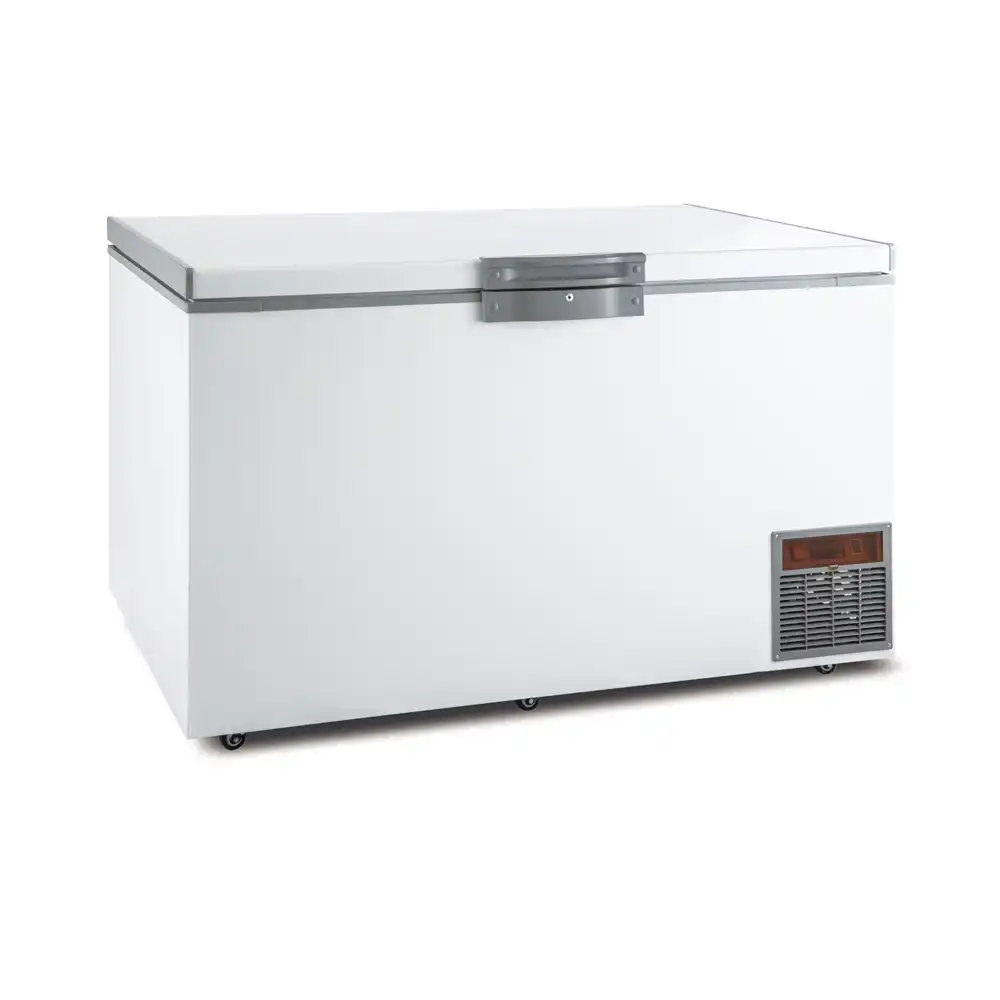
The 4-inch casters on units like the Camay chef base allow repositioning for cleaning and maintenance without requiring multiple staff members. This seemingly minor feature significantly affects whether maintenance actually happens. Equipment that requires two people to move often does not get moved during understaffed overnight shifts.
If your hotel kitchen operates multiple worktop refrigeration units and you are seeing inconsistent temperature performance or rising energy costs, the issue is likely maintenance execution rather than equipment failure. Share your current maintenance schedule and unit specifications with our team at Sales@hzcamay.com or call +8618157202219, and we can identify specific optimization opportunities for your operation.
Common Questions About Hotel Kitchen Worktop Efficiency
How often should hotel kitchens replace worktop refrigerator gaskets?
Gasket replacement intervals depend on usage intensity rather than calendar time. In high-volume hotel kitchens with banquet operations, gaskets typically require replacement every 12 to 18 months. The dollar-bill test provides a reliable field assessment: if the bill slides freely from any point around the door perimeter, replacement is overdue. Delaying replacement beyond the point of seal failure costs more in energy than the gasket itself within 60 to 90 days.
What temperature setting balances food safety and energy efficiency?
A setpoint of 4°C (39°F) provides the optimal balance. This maintains a safety margin below the 5°C (41°F) food safety threshold while avoiding the 8 to 12 percent energy penalty of running at 2°C. Units with digital controllers should be verified with a calibrated thermometer quarterly, as controller drift can cause actual temperatures to deviate from displayed readings.
Can worktop refrigeration units be positioned near cooking equipment?
Positioning near high-heat equipment increases condenser coil fouling and raises ambient temperature around the unit, both of which increase energy consumption. If layout constraints require positioning near cooking stations, increase condenser cleaning frequency to every 30 days and verify that the unit’s climate rating (ST~T for most commercial units) matches the actual ambient conditions. If your kitchen layout creates positioning challenges, send your floor plan dimensions to Sales@hzcamay.com and we can recommend unit configurations that minimize energy impact.
What cleaning chemicals damage stainless steel worktop surfaces?
Chloride-containing cleaners, including many common sanitizers, cause pitting corrosion on stainless steel over time. Abrasive cleaners scratch the surface, creating microscopic grooves that harbor bacteria and complicate future cleaning. Use pH-neutral detergents for daily cleaning and chlorine-free quaternary ammonium sanitizers for food contact surface sanitation. The 304 stainless steel construction on commercial-grade units resists corrosion better than lower grades, but proper chemical selection extends service life regardless of steel grade.
How do IoT temperature monitoring systems reduce energy costs?
IoT-enabled temperature monitoring identifies efficiency problems before they become visible in utility bills. A unit that takes progressively longer to recover after door openings signals condenser fouling or refrigerant issues. A unit that cycles more frequently than baseline indicates gasket problems or thermostat drift. These patterns are difficult to detect through periodic manual checks but obvious in continuous monitoring data. If you want to understand how monitoring would work with your existing equipment, share your current unit models and we can outline integration options.
If you’re interested, check out these related articles:
Chef Base Fridge vs Undercounter Fridge Which Is Best for Your Kitchen
Essential Maintenance Tips for Commercial Reach In Refrigerators
Essential Maintenance Tips for Your Commercial Chef Base Refrigerator
Choosing the Best Commercial Reach In Fridge for Your Restaurant
Upright Freezer vs Refrigerator Key Differences Explained