
Running a fast-food kitchen feels like conducting an orchestra where every instrument needs to hit its note at exactly the right moment. Miss a beat, and the whole performance suffers. After years of working with commercial kitchen operations, I’ve seen how the difference between a struggling location and a thriving one often comes down to dozens of small efficiency gains that compound into something significant.
Kitchen Layout Shapes Everything That Follows
The physical arrangement of a fast-food kitchen determines how smoothly everything else can function. Ergonomic design principles cut down on unnecessary staff movement, which matters more than most operators realize. When a line cook has to walk six extra steps fifty times per shift, that adds up to real time lost.
Dedicated workflow zones make a measurable difference. Separating preparation, cooking, assembly, and serving areas prevents the kind of traffic jams that slow everything down during a lunch rush. Strategic equipment placement eliminates those frustrating moments when two people need to be in the same spot at the same time.
Modular design offers flexibility that pays off when menus change or seasonal demand spikes. The ability to reconfigure stations without a major renovation keeps operations adaptable. Effective space utilization translates directly into faster food preparation, and a well-planned kitchen becomes the engine that drives the entire business forward.
Advanced Equipment Changes What’s Possible
Modern commercial catering equipment has evolved to address the specific demands of high-volume fast-food operations. These systems reduce preparation times, improve product consistency, and handle sustained heavy use without breaking down at the worst possible moment.
At ZHEJIANG KAIMEI, we build commercial refrigeration and catering equipment specifically for demanding fast-food environments. Our products use durable stainless steel construction, eco-friendly R290 refrigerant, and smart digital temperature controls. These features ensure optimal food preservation, minimize waste, and deliver meaningful energy savings over time. Regular maintenance schedules and strategic equipment upgrades keep performance at its peak.
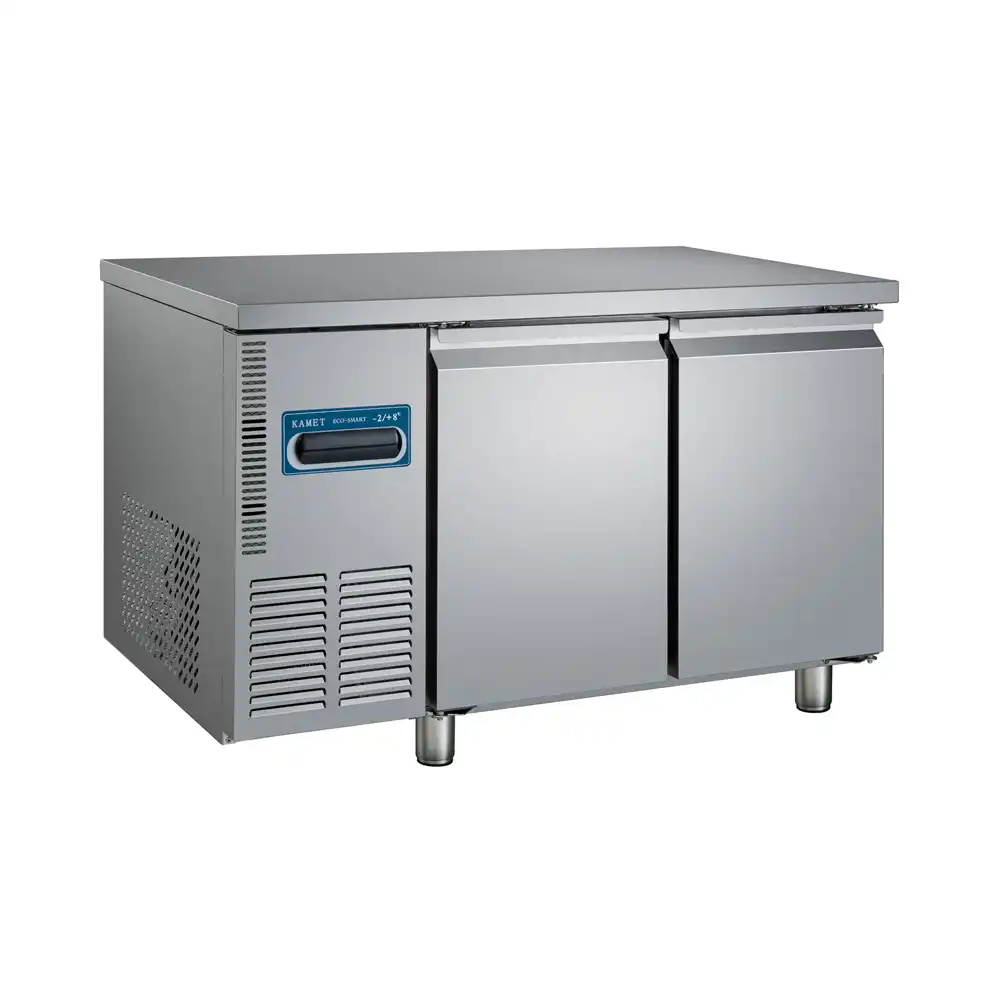
Specialized prep stations and refrigeration units can reshape workflow patterns. The Camay Commercial Worktop Refrigerator Cooler Fridge (MWTF-27-L) combines cold storage with a convenient work surface, which proves ideal for rapid assembly tasks. The Camay 60″ Countertop Refrigerated Chef Base (MAR-60A) functions as a multi-purpose prep station, maintaining ingredients at optimal temperatures between 0.5°C and 5°C. Integrating these units directly into the workflow reduces steps and accelerates service.
| Equipment Type | Key Benefit for Fast Food | ZHEJIANG KAIMEI Model Example |
|---|---|---|
| Worktop Refrigerator | Combines prep and cold storage | MWTF-27-L |
| Chef Base | Integrated refrigerated prep station | MAR-60A |
| Salad Prep Table | Organized, chilled ingredient access | MSR-48M |
| Pizza Prep Table | Optimized for pizza assembly | VRX395-1600 |
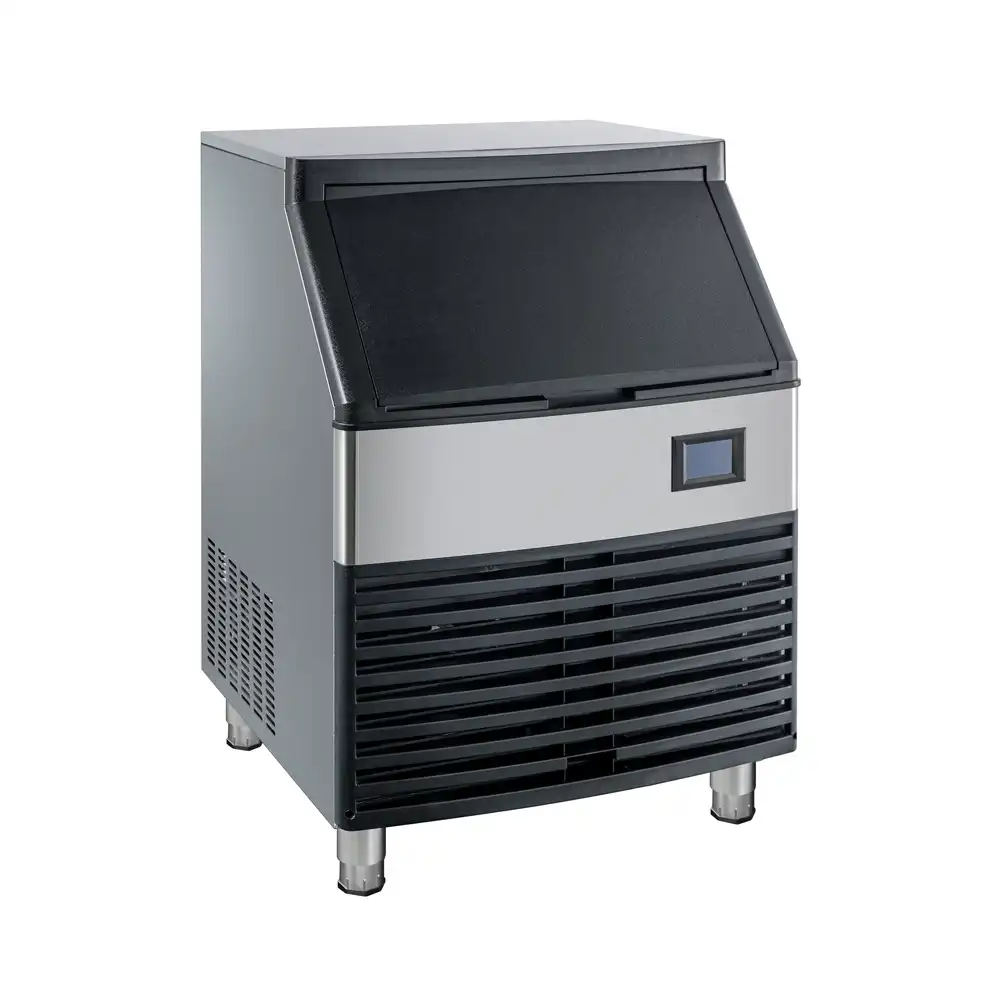
| Ice Maker | Consistent, high-volume ice production | FB210A |
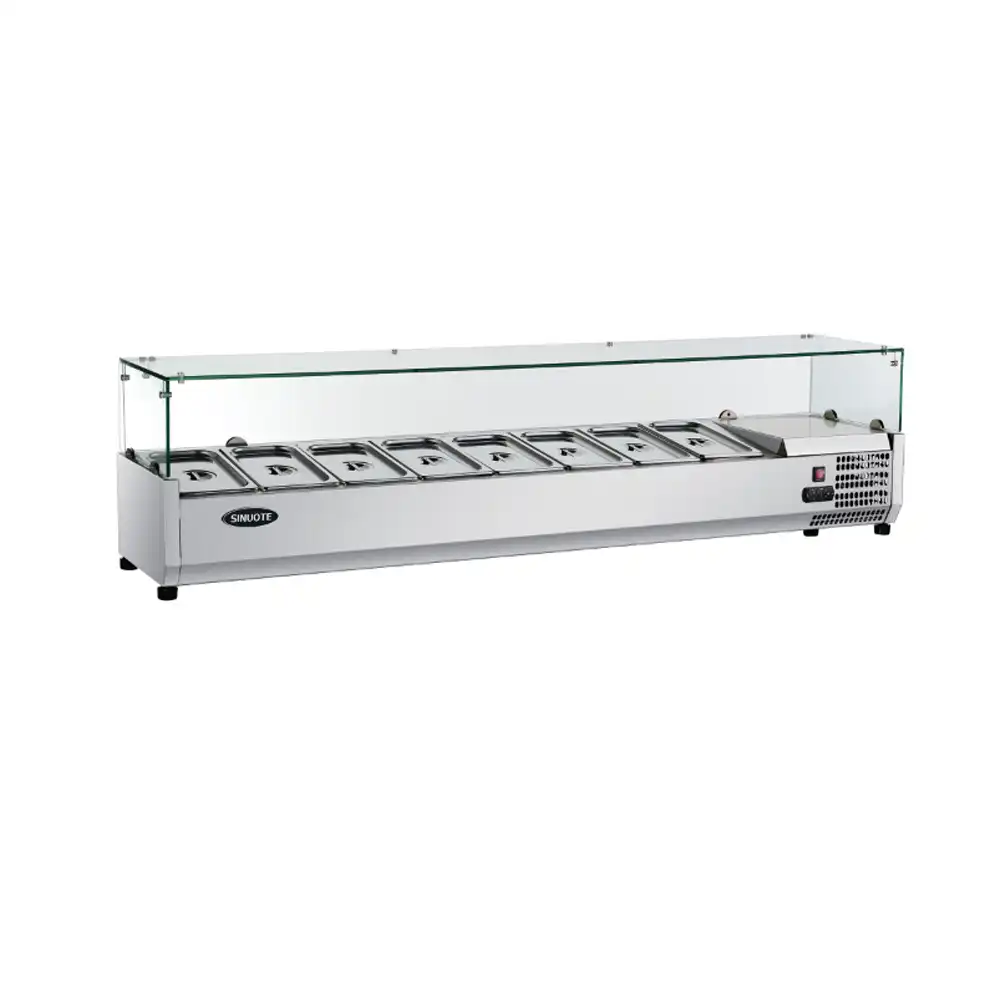
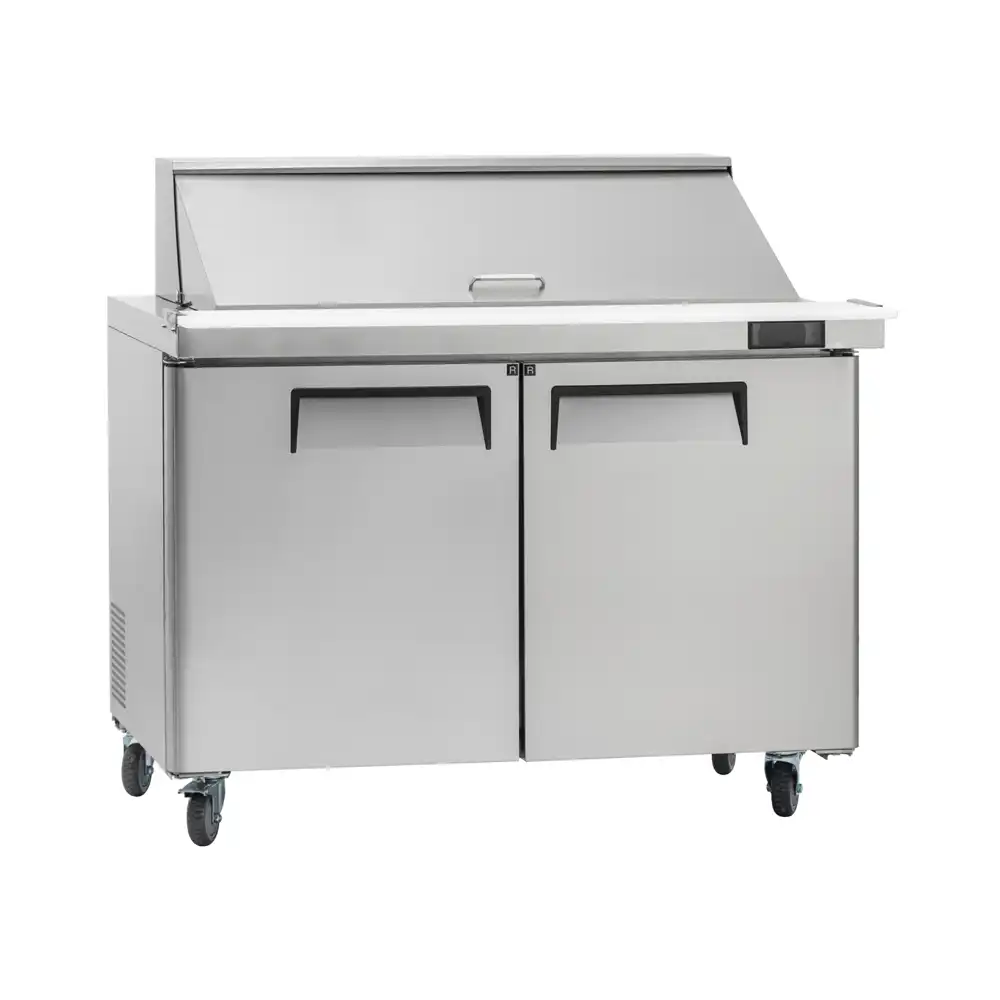
Purpose-built equipment addresses specific operational challenges. A dedicated Pizza Table or Semi Mega Salad Table streamlines complex order assembly where multiple toppings or ingredients need quick access. The Cube Ice Making Machine (FB210A) ensures a continuous supply of ice for beverage service. Technologies like Blast Chiller rapidly cool cooked food, extending shelf life and enabling efficient batch preparation strategies.
What equipment upgrades significantly improve fast-food service speed?
Rapid cooking technology delivers the most dramatic improvements. High-speed ovens and automated fryers cut cooking times substantially compared to conventional equipment. Advanced refrigeration, including worktop and undercounter units, keeps ingredients readily available and properly preserved. Automated beverage dispensers and self-ordering kiosks reduce manual labor requirements and customer wait times. These integrated solutions create faster, more consistent service delivery.
Order Management Keeps Everything Moving
Efficient order management maintains smooth operational flow and maximizes customer throughput. Robust POS systems and digital ordering platforms reduce order errors while accelerating transaction times. Integration between these systems and the kitchen ensures accurate, timely order transmission.
Queue management strategies matter particularly for drive-thru efficiency. Clear signage, efficient payment processing, and dedicated pickup zones all contribute to faster service. Delivery integration with third-party platforms requires seamless internal processes to avoid creating new bottlenecks. Menu optimization through simplified choices and improved clarity can speed up the ordering process. Online ordering systems distribute demand by allowing customers to place orders remotely, giving the kitchen advance notice for preparation.
How can digital tools streamline order processing in a busy kitchen?
Kitchen Display Systems replace paper tickets with real-time order updates and improved communication between stations. Inventory management software integrates with POS to automatically track stock levels and trigger reorders before shortages occur. Predictive analytics forecast demand, allowing for proactive preparation and staffing adjustments. Mobile ordering apps empower customers while reducing front-of-house congestion and increasing order accuracy.
Staff Training Turns Good Systems Into Great Results
The human element determines whether well-designed systems actually perform as intended. Comprehensive staff training ensures every team member understands their role and responsibilities within the larger operation. Clear standard operating procedures provide consistent guidelines for every task, from food preparation to customer interaction.
Cross-training staff on multiple stations builds flexibility into the operation. When someone calls in sick or a station gets overwhelmed, cross-trained employees can step in without disrupting the flow. Key performance metrics like average service time and order accuracy rates provide measurable targets for improvement. Data analytics derived from these metrics inform continuous improvement initiatives. Effective team communication and optimized shift management reduce labor costs and waste while maintaining food safety standards.
Why is Staff Training Crucial for Operational Flow?
Training builds the skill development that leads to consistent product quality and service delivery. Well-trained employees make fewer errors, which reduces waste and improves customer satisfaction. Training also boosts employee retention by fostering confidence and competence in their roles. This consistency and reduced friction contribute directly to smoother, faster operational flow throughout the kitchen and service area.
Inventory and Waste Management Protect Margins
Effective inventory management and waste reduction form the foundation of cost-effective fast-food operations. Minimizing food waste directly impacts profitability in an industry where margins are already tight. This requires precise forecasting, optimized stock levels, and strict adherence to stock rotation using FIFO (First-In, First-Out) principles.
Ingredient freshness depends heavily on robust cold storage solutions. Commercial refrigeration units, including Under Counter and Work Top models, provide reliable temperature control for various ingredients. Effective cold chain management from delivery to plate prevents spoilage and maintains food safety standards. Regular audits and continuous monitoring help identify areas for improvement in supply chain optimization.
What are the best practices for managing peak hour demand in fast food?
Peak hour management requires multiple coordinated strategies. Pre-preparation involves preparing ingredients and components during off-peak times when the kitchen has capacity. Surge staffing ensures adequate personnel are available when customer volume is highest. Dynamic menu adjustments can temporarily simplify offerings to speed up service during extreme rushes. Rapid service protocols, including dedicated express lanes or pre-packaged items, accelerate order fulfillment. These practices prevent bottlenecks and maintain service speed during critical periods.
Common Questions About Fast-Food Kitchen Efficiency
How does kitchen layout directly impact fast-food service speed?
An optimized kitchen layout minimizes staff movement and eliminates bottlenecks, creating smooth workflow from prep to serving. Strategic placement of cooking stations, cold storage, and POS systems reduces travel time, allowing for faster order fulfillment and increased throughput during peak hours. This directly boosts fast-food service speed and overall kitchen efficiency.
What role does commercial refrigeration play in overall kitchen efficiency?
High-quality commercial refrigeration maintains ingredient freshness, enables bulk prep, and ensures food safety compliance. Efficient refrigeration solutions reduce spoilage, streamline inventory management, and support rapid cooling processes. These factors contribute directly to faster preparation times and waste reduction, enhancing overall kitchen efficiency.
Can small fast-food operations benefit from advanced efficiency strategies?
Small operations often see proportionally larger gains from efficiency improvements. Modular equipment, cross-trained staff, digital order systems, and optimized prep routines all scale down effectively. These improvements lead to better customer experience, reduced labor costs, and increased profitability regardless of operation size.
How can we measure the success of fast-food kitchen efficiency improvements?
Key performance indicators provide objective measurement of progress. Average service time, order accuracy rates, customer throughput, food waste percentage, labor cost per order, and customer satisfaction scores all offer useful data points. Regular analysis and feedback loops are necessary for continuous improvement, ensuring strategies deliver their intended results.
Partner with ZHEJIANG KAIMEI for Optimized Fast-Food Operations
ZHEJIANG KAIMEI CATERING EQUIPMENT CO., LTD. provides robust, energy-efficient solutions designed for high-volume operations. As a professional one-stop-shop refrigeration equipment manufacturer, we offer equipment that addresses the specific challenges of fast-food kitchen efficiency. Contact us for a tailored consultation to discover how our expertise can improve your service speed and operational flow.
Phone: +8618157202219 | Email: Sales@hzcamay.com
If you’re interested, check out these related articles:
Upright Freezer vs Refrigerator Key Differences Explained
Heavy Duty Chef Base Refrigeration for Efficient Commercial Kitchens
Boost Kitchen Efficiency Workflow Optimization with Chef Base Fridges