
The moment a commercial freezer fails, everything in it becomes a liability. I’ve seen operations lose entire inventory batches overnight because someone assumed the equipment would just keep running. Choosing the right commercial freezer isn’t about finding the cheapest option that fits your space—it’s about understanding how temperature control directly affects food spoilage prevention, public health outcomes, and whether your business survives its next health inspection. The decisions made during selection ripple through years of daily operations.
Why Temperature Control Determines Everything in Commercial Food Storage
Running a commercial kitchen means accepting that cold chain management failures cost real money and can end careers. The economics are brutal: foodborne illness outbreaks destroy reputations built over decades, and spoilage losses compound silently until someone finally audits the waste stream. Proper freezing conditions can reduce spoilage by up to 20%, but that number only holds when temperatures stay consistent.
Bacterial growth inhibition happens because most dangerous pathogens flourish between 5°C and 60°C (41°F and 140°F). This range earned its name—the “Danger Zone”—for good reason. Freezing below -18°C (0°F) stops microbial activity cold and slows the enzymatic processes that degrade product shelf life. HACCP compliance protocols exist precisely because the margin for error in temperature management is essentially zero.
What temperature is ideal for long-term food preservation in a commercial freezer?
Commercial freezers need to hold -18°C (0°F) or colder consistently. This ideal freezer temperature stops microbial growth and dramatically slows enzymatic breakdown. The science is straightforward: colder temperatures prevent the kind of water crystallization that ruptures cell walls and destroys texture. Maintaining this commercial freezer temperature meets food safety standards and extends long-term food preservation of stored ingredients. Monitoring isn’t optional—it’s how you prove compliance and catch problems before they become crises.
Matching Freezer Types to How Your Kitchen Actually Operates
Selecting commercial freezers means thinking through daily workflows, not just available floor space. Different freezer applications solve different problems, and storage capacity alone doesn’t tell the whole story.
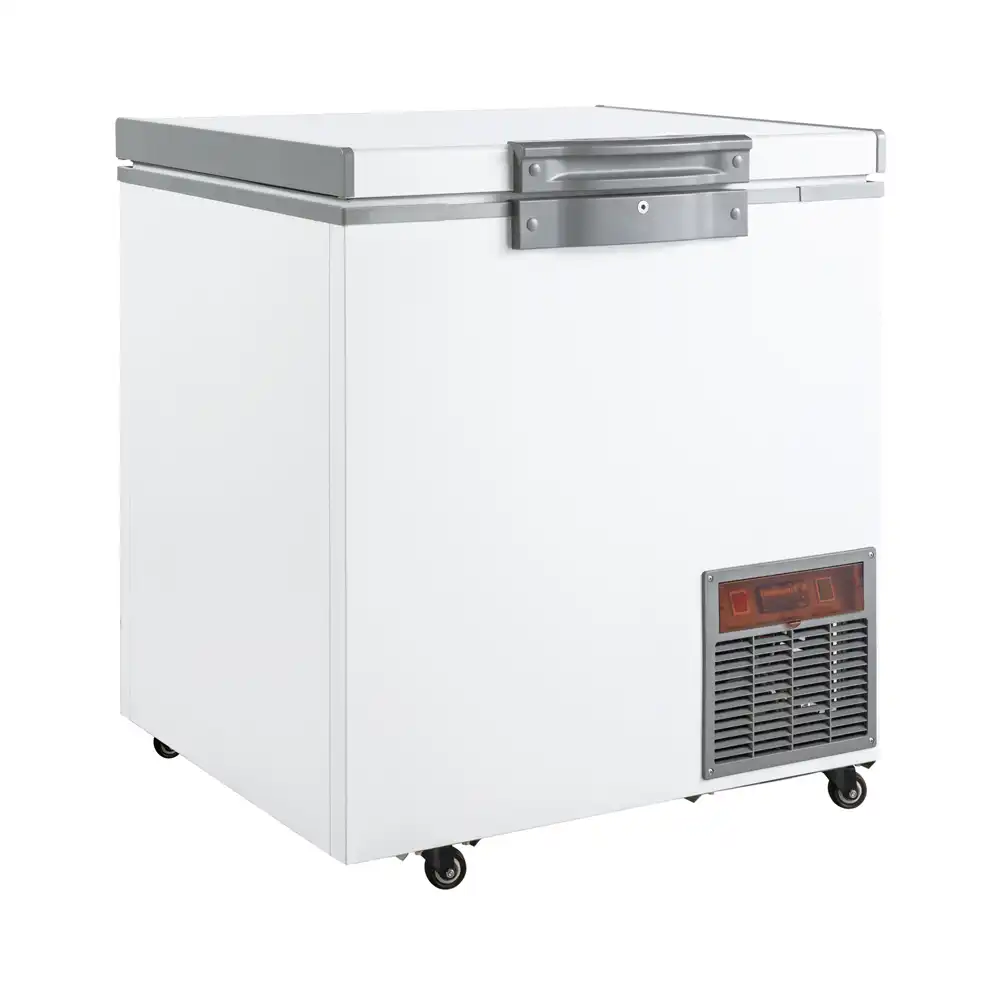
Blast freezers lock in quality by freezing items rapidly enough to prevent large ice crystals from forming. Chest freezers handle bulk storage where access frequency is low. Upright and reach-in freezers make sense when staff need organized, quick access throughout service. Walk-in freezers serve high-volume operations that move serious inventory.
| Freezer Type | Typical Temperature Range | Average Capacity (L) | Best Use Case |
|---|---|---|---|
| Worktop Freezer (e.g., Camay MWTF-27-L) | -25°C to -15°C | 202 | Prep stations, small kitchens |
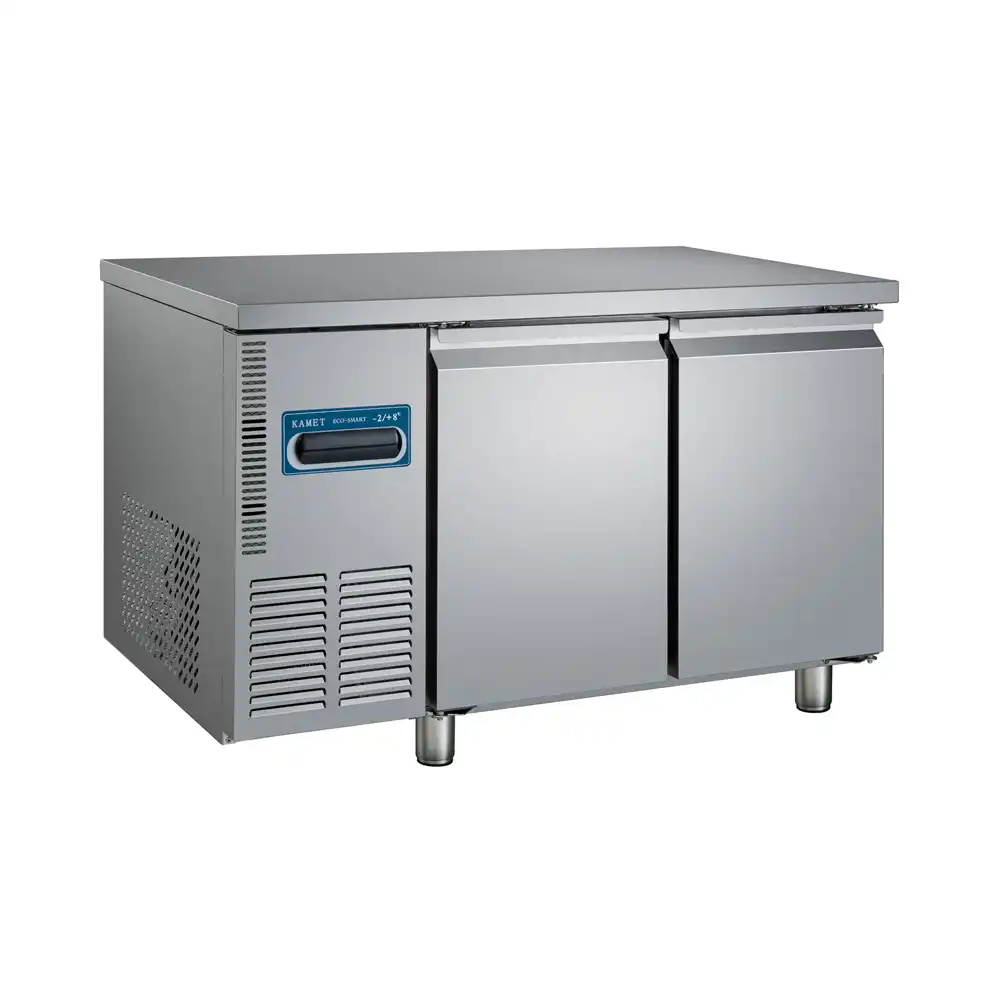
| Undercounter Freezer (e.g., Camay MTF-48) | -25°C to -15°C | 368 | Space-saving, accessible storage |
| Solid Door Upright Freezer (e.g., Camay MF-23) | -25°C to -15°C | 547 | General storage, easy access |
| Ultra-Low Freezer (e.g., Camay DW45W788) | -15°C to -45°C | 768 | Specialized deep freezing |
How do different freezer types impact food preservation?
Freezer type preservation differences matter more than most buyers realize. Blast freezers minimize ice crystal formation through rapid temperature drops, which protects cellular structure, texture, and nutritional content—the blast freezing benefits show up in product quality months later. Chest freezers excel at long-term bulk storage because their design limits cold air escape every time someone opens them. Reach-in freezers prioritize accessibility for ingredients that move in and out constantly. Each configuration serves a specific operational reality.
What Actually Drives Long-Term Refrigeration Costs
The purchase price of commercial refrigeration equipment represents maybe a third of what you’ll actually spend over its lifetime. Total cost of ownership includes energy consumption, maintenance labor, replacement parts, and the spoilage losses that happen when equipment underperforms.
Energy efficiency separates good investments from money pits. Energy Star certified models typically consume 15-20% less power than non-certified alternatives, and those savings compound annually. Modern refrigerants like R290 (HFC-free) reduce environmental impact while contributing to power consumption optimization.
Insulation materials determine how hard compressors work to maintain temperature. Polyurethane/cyclopentane insulation (CFC-free) provides superior thermal retention. Defrosting methods (auto vs manual) affect both efficiency and labor requirements—automatic systems prevent ice buildup without requiring equipment shutdown, while manual defrost units need periodic attention.
Regulatory certifications (NSF, ETL) aren’t bureaucratic checkboxes. NSF certification means equipment meets strict public health standards for design and cleanability. Warranty coverage and manufacturer support matter when something fails at 2 AM on a Saturday. Budget allocation should account for all these factors. Humidity control systems also prevent freezer burn on sensitive items.
What certifications should I look for when selecting a commercial freezer for my business?
Commercial freezer certifications worth prioritizing include NSF, ETL, and Energy Star. NSF certification confirms equipment meets public health and sanitation standards—surfaces that contact food must be cleanable and safe. An Energy Star freezer delivers measurable energy savings that reduce operating costs year after year. Local health department approvals ensure regulatory compliance in your specific jurisdiction. These certifications verify that food service equipment standards for performance and safety have been met.
Keeping Equipment Running Through Proactive Maintenance
Buying the right freezer solves half the problem. The other half is keeping it running properly for years. Preventative maintenance schedules prevent the kind of unexpected failures that result in emergency service calls and lost inventory.
Daily temperature logging catches drift before it becomes dangerous. Weekly condenser coil cleaning maintains efficiency. Refrigeration equipment monitoring through smart freezer features like IoT connectivity and WiFi alerts means problems trigger notifications immediately, not after product has already been compromised.
Equipment failure causes a significant portion of commercial food spoilage. A single compressor failure can destroy thousands of dollars in inventory and interrupt operations for days. Proper loading practices and organization reduce cross-contamination risks. Door gaskets and seals need regular inspection because small gaps cause big temperature swings. Downtime prevention through scheduled servicing protects both inventory and reputation.
How often should a commercial freezer be defrosted to maintain food safety?
Defrosting frequency depends on freezer type and usage patterns. Manual defrost units need attention when ice buildup reaches roughly a quarter-inch thick—typically every few months under normal conditions. This ice buildup impact reduces cooling efficiency and can compromise food safety if ignored. Auto-defrost freezers handle ice management automatically, delivering auto-defrost benefits that reduce labor requirements. Even automatic systems need regular inspection and cleaning to catch issues before they affect preservation. These freezer maintenance tips keep equipment performing at specification.
Why Quality Refrigeration Pays Back Over Time
Quality commercial refrigeration equipment represents a strategic investment, not just a capital expense. The long-term ROI of refrigeration equipment shows up in lower utility bills, reduced spoilage losses, and consistent food quality assurance.
Energy-efficient models using R290 refrigerant and polyurethane/cyclopentane insulation generate substantial savings across a 5-10 year service life. The math works out to thousands of dollars in combined energy savings and prevented spoilage.
ZHEJIANG KAIMEI CATERING EQUIPMENT CO., LTD manufactures a comprehensive range of commercial kitchen equipment engineered for performance and compliance. Twenty-six years of OEM and ODM cooperation globally reflects a commitment to sustainable business practices and equipment that lasts. Every ZHEJIANG KAIMEI refrigeration unit—from undercounter freezers to ultra-low models—meets stringent quality standards, giving partners durable, energy-efficient solutions that support operational excellence.
Frequently Asked Questions About Commercial Freezer Selection
What temperature is ideal for long-term food preservation in a commercial freezer?
Commercial freezers should maintain -18°C (0°F) or colder consistently for optimal long-term preservation. This temperature halts microbial growth and slows enzymatic activity, protecting both quality and safety. Regular temperature monitoring confirms compliance and catches deviations before they cause problems.
How often should a commercial freezer be defrosted to maintain food safety?
Manual defrost freezers need defrosting when ice reaches about a quarter-inch thick, usually every few months depending on usage. Auto-defrost models handle this automatically. Either way, regular inspection and cleaning remain necessary to maintain food safety and preservation performance.
What certifications should I look for when selecting a commercial freezer for my business?
Prioritize NSF certification for public health and sanitation compliance, Energy Star for verified energy efficiency, and local health department approvals for your jurisdiction. These certifications confirm equipment meets industry and regulatory requirements for food safety and operational performance.
Secure Your Cold Chain with ZHEJIANG KAIMEI
ZHEJIANG KAIMEI CATERING EQUIPMENT CO., LTD offers high-quality, energy-efficient freezers designed for performance and compliance. Partner with a manufacturer that has 26 years of global OEM and ODM experience to secure your operational excellence and protect your food products.
Contact us for a consultation tailored to your specific business needs. Phone: +8618157202219 | Email: Sales@hzcamay.com
If you’re interested, check out these related articles:
Upright Freezer vs Refrigerator Key Differences Explained
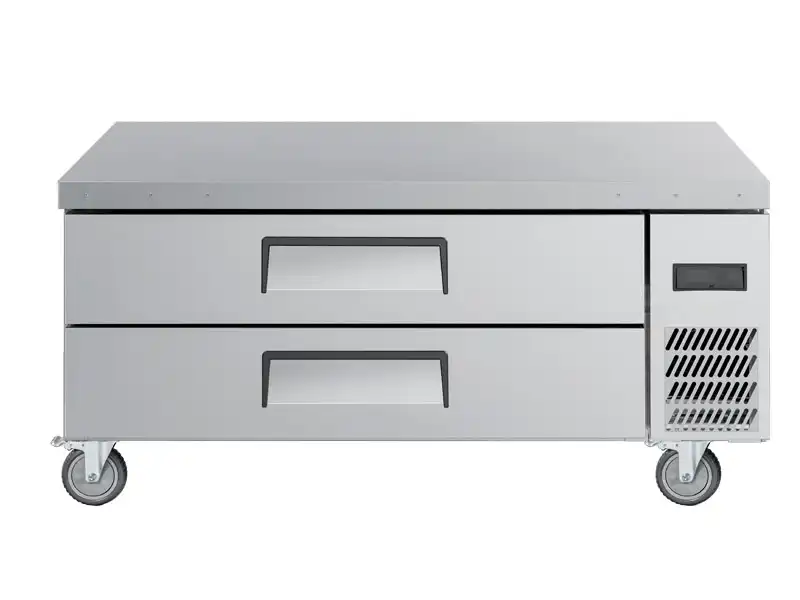
Heavy Duty Chef Base Refrigeration for Efficient Commercial Kitchens